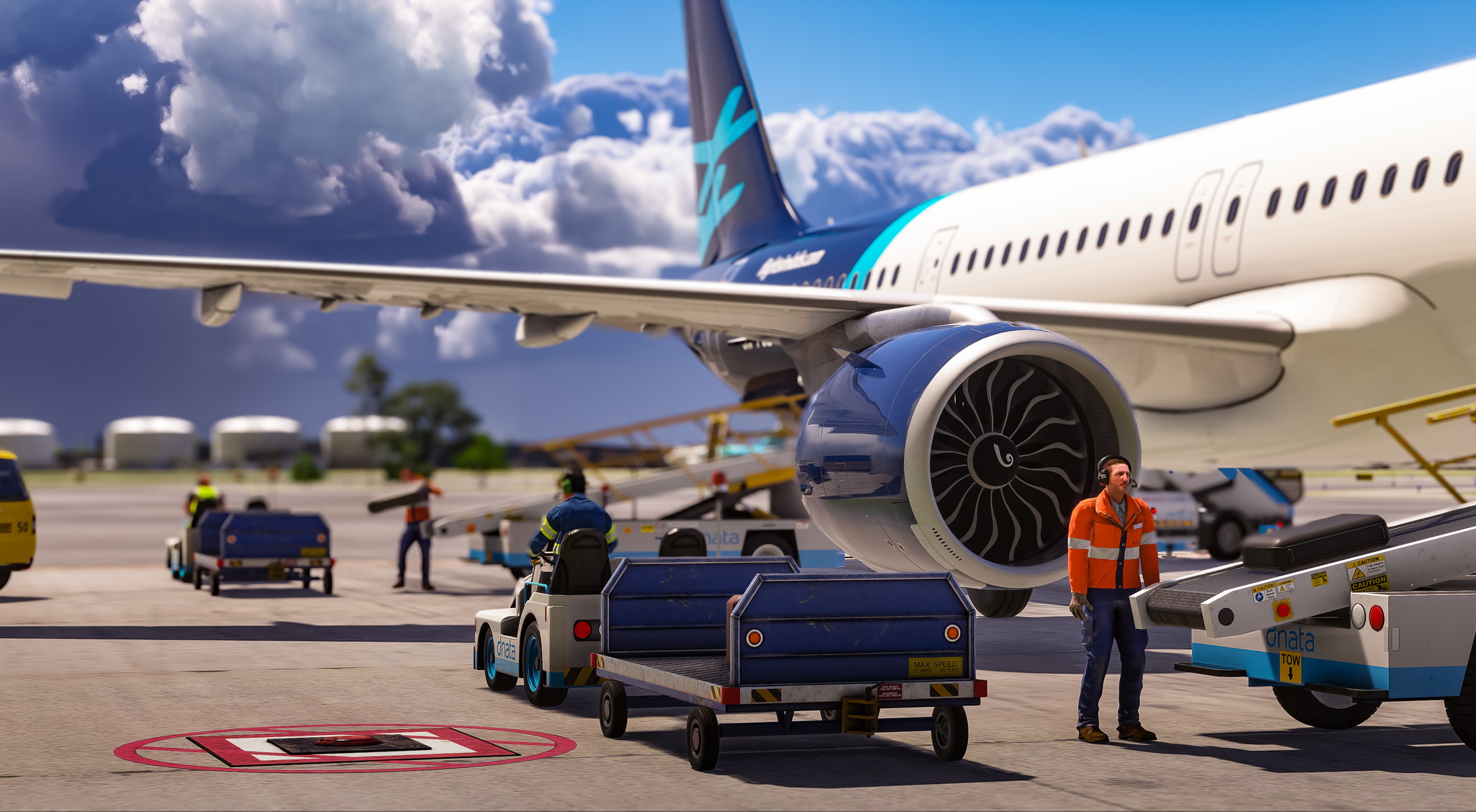
Pratt & Whitney Power Comes to the A321neo
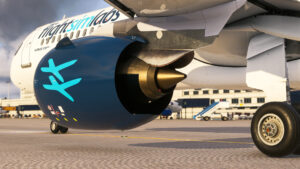
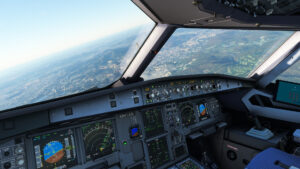
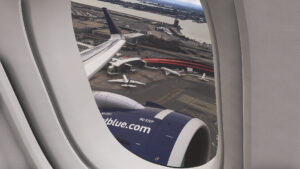
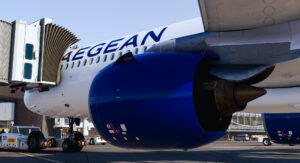
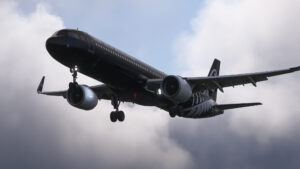
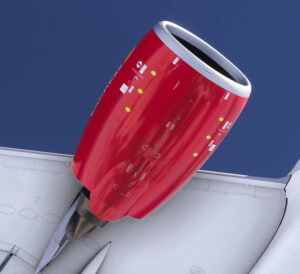
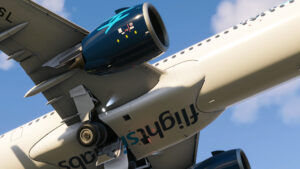
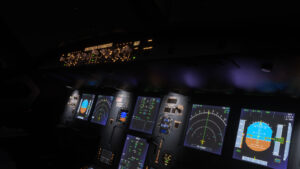
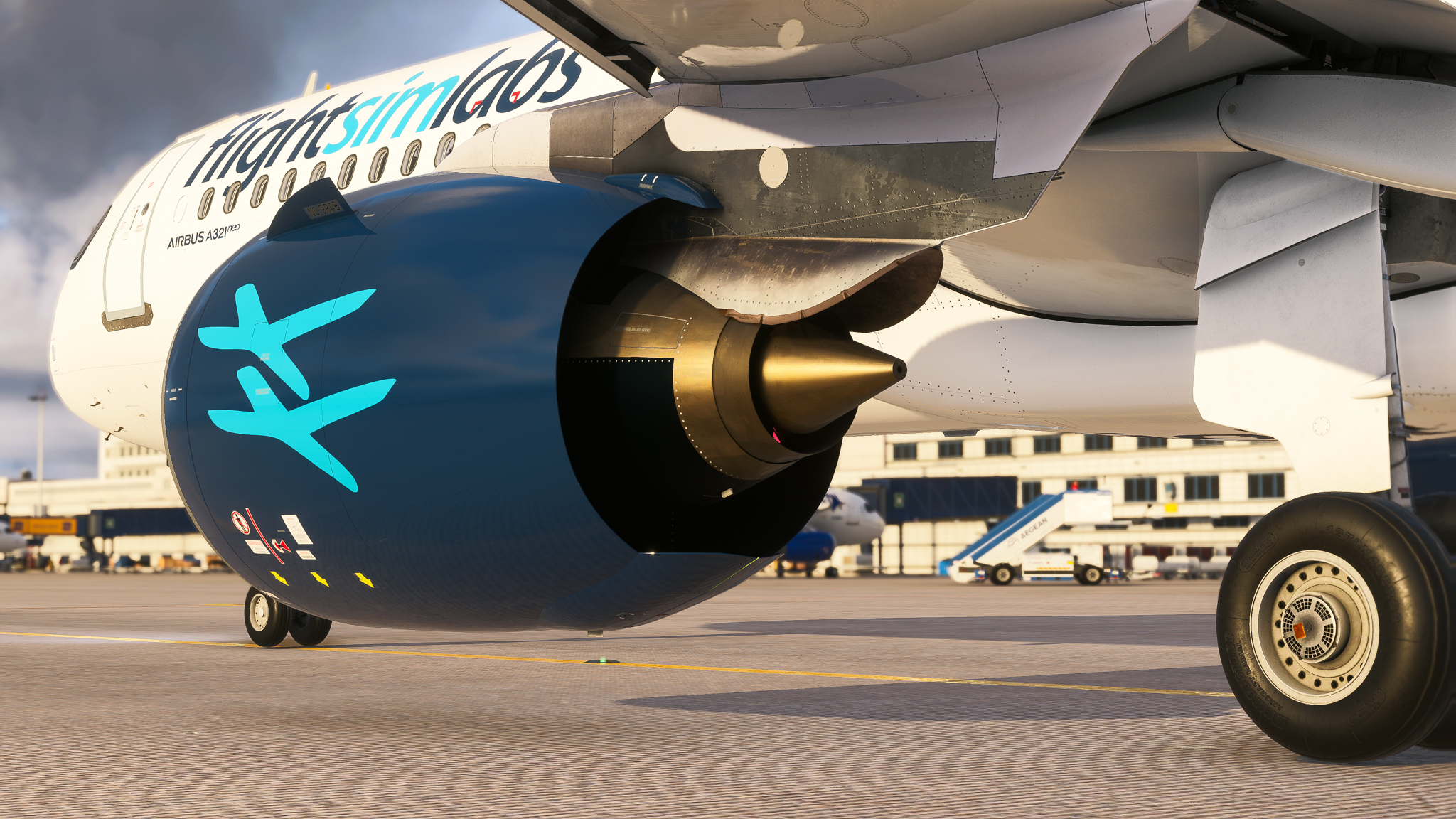
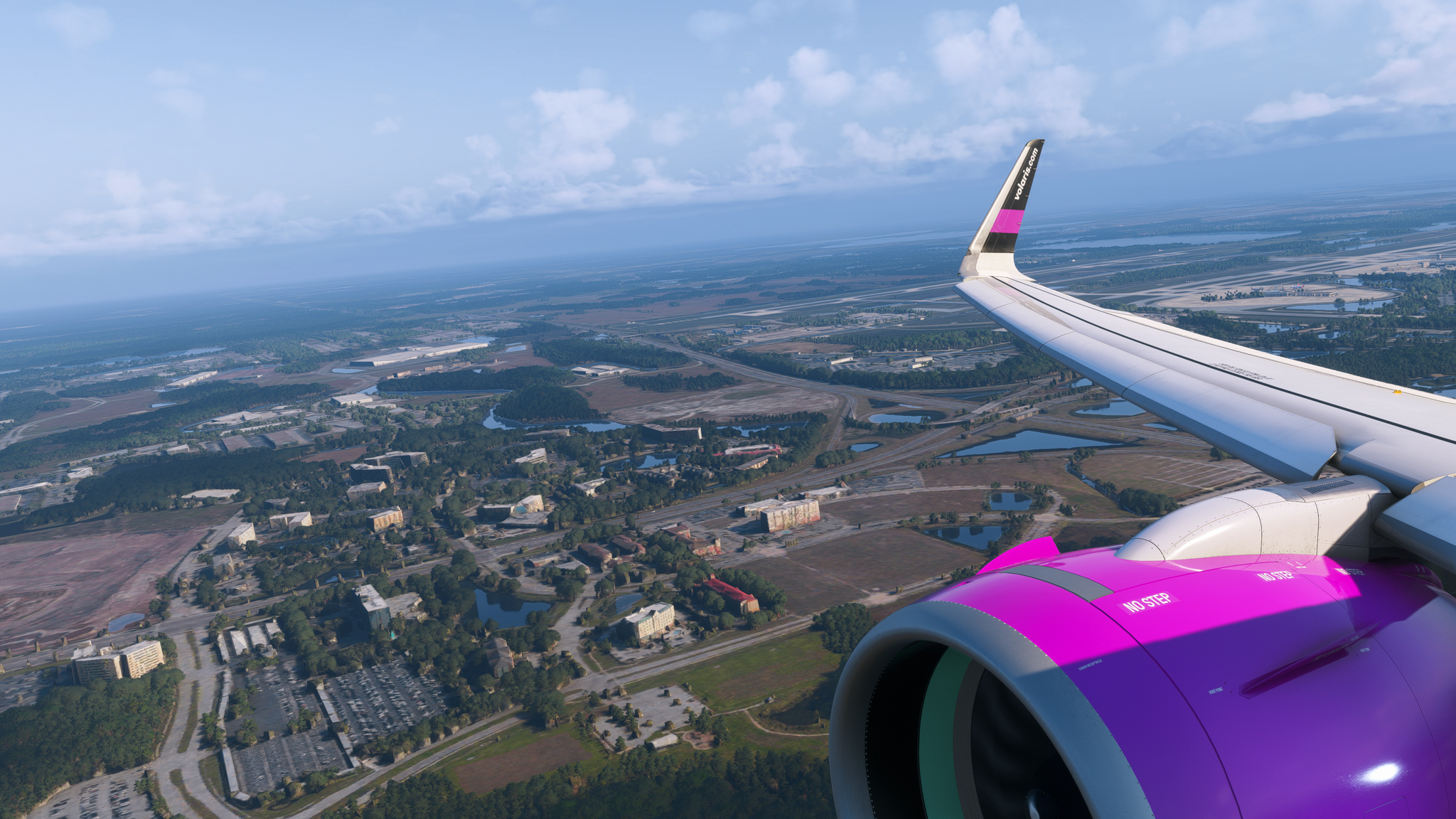
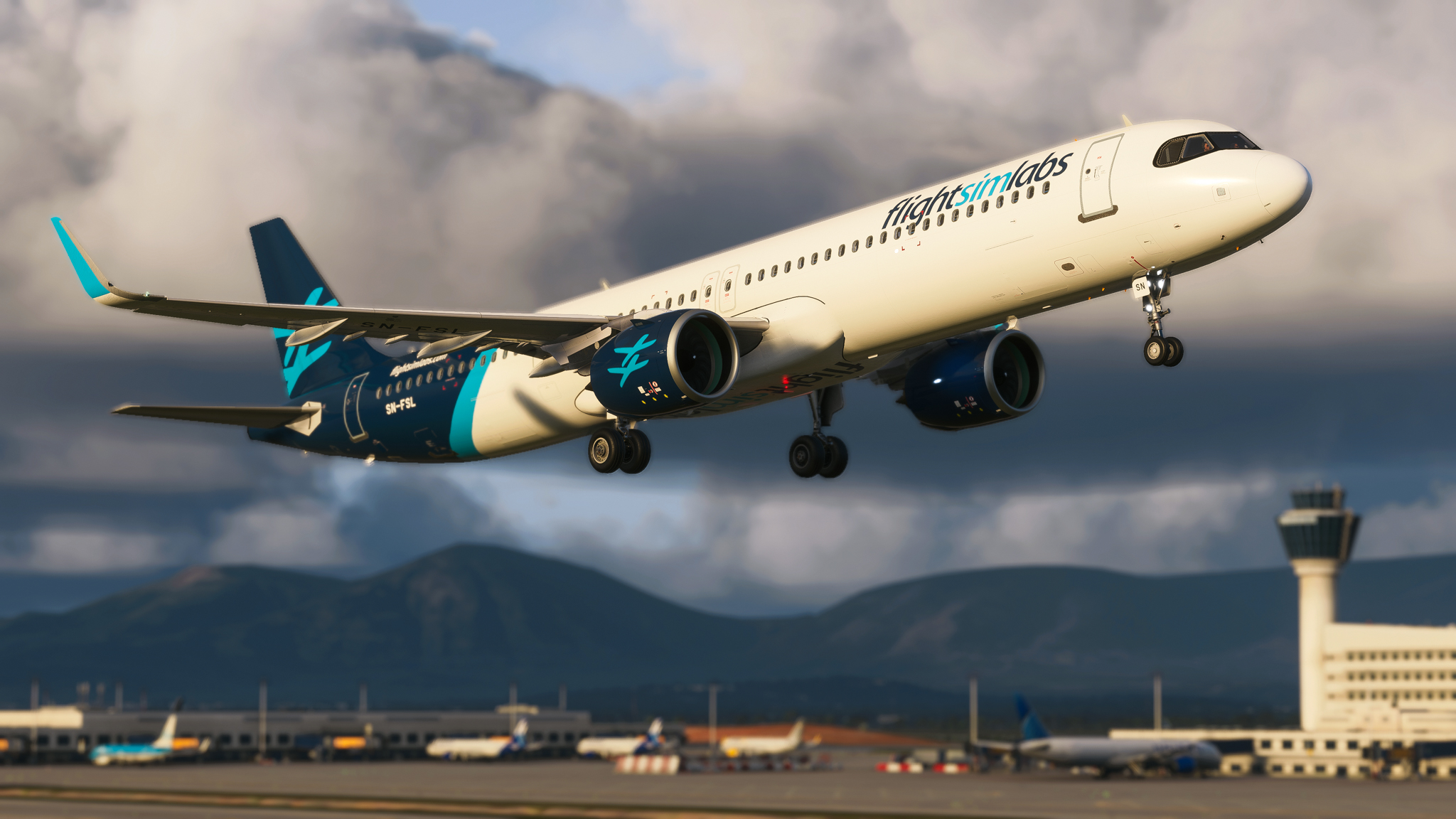
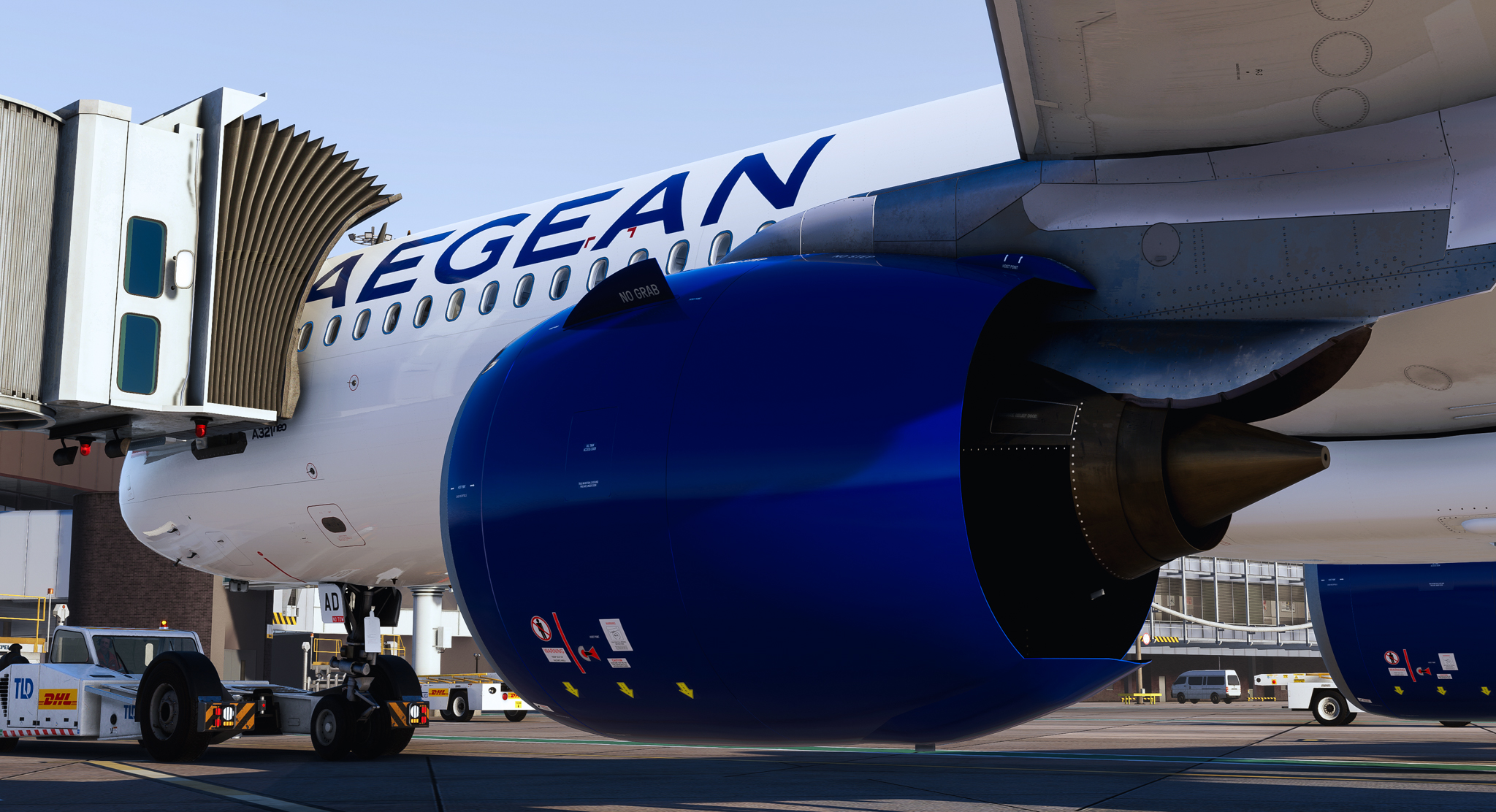
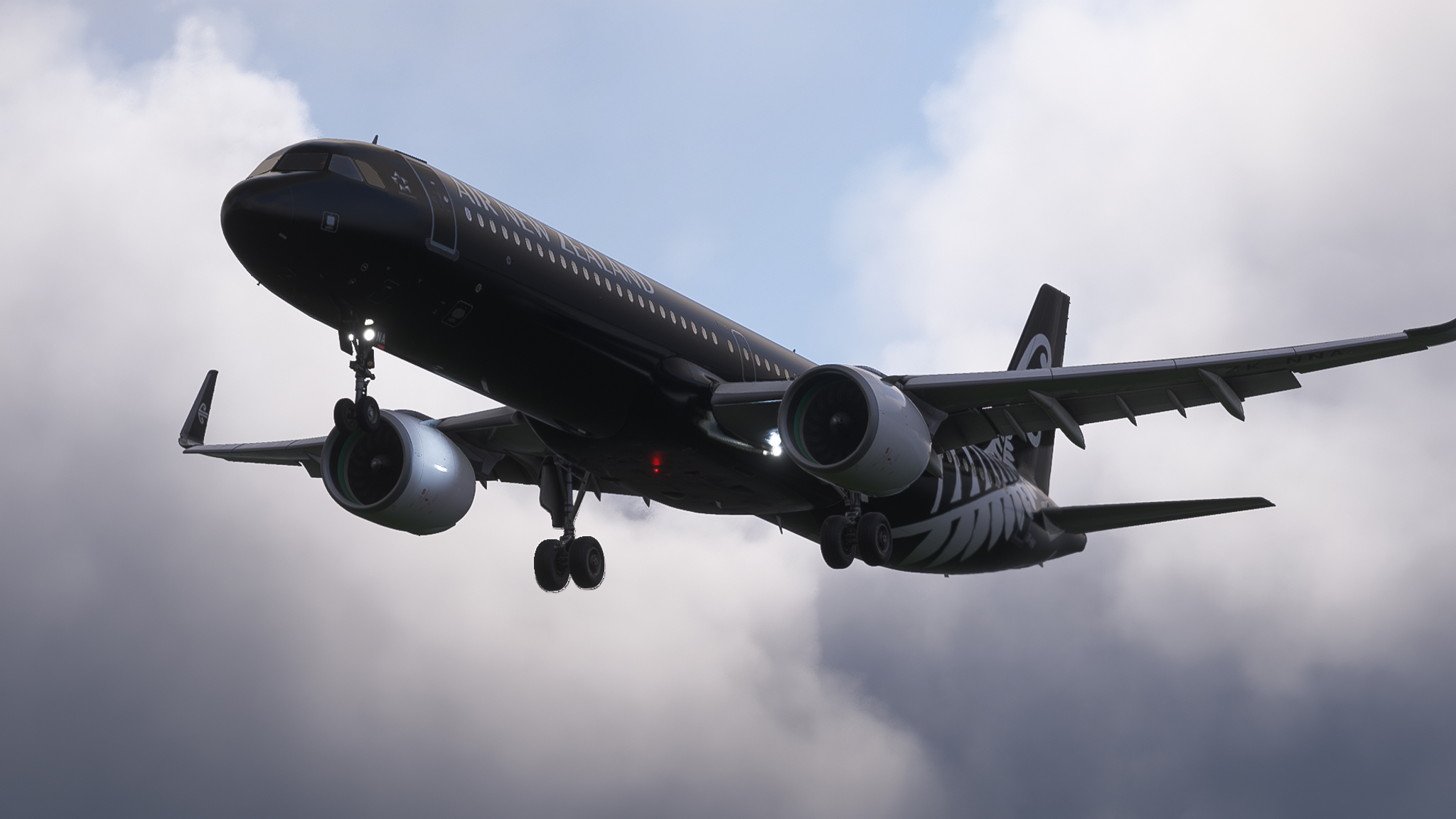
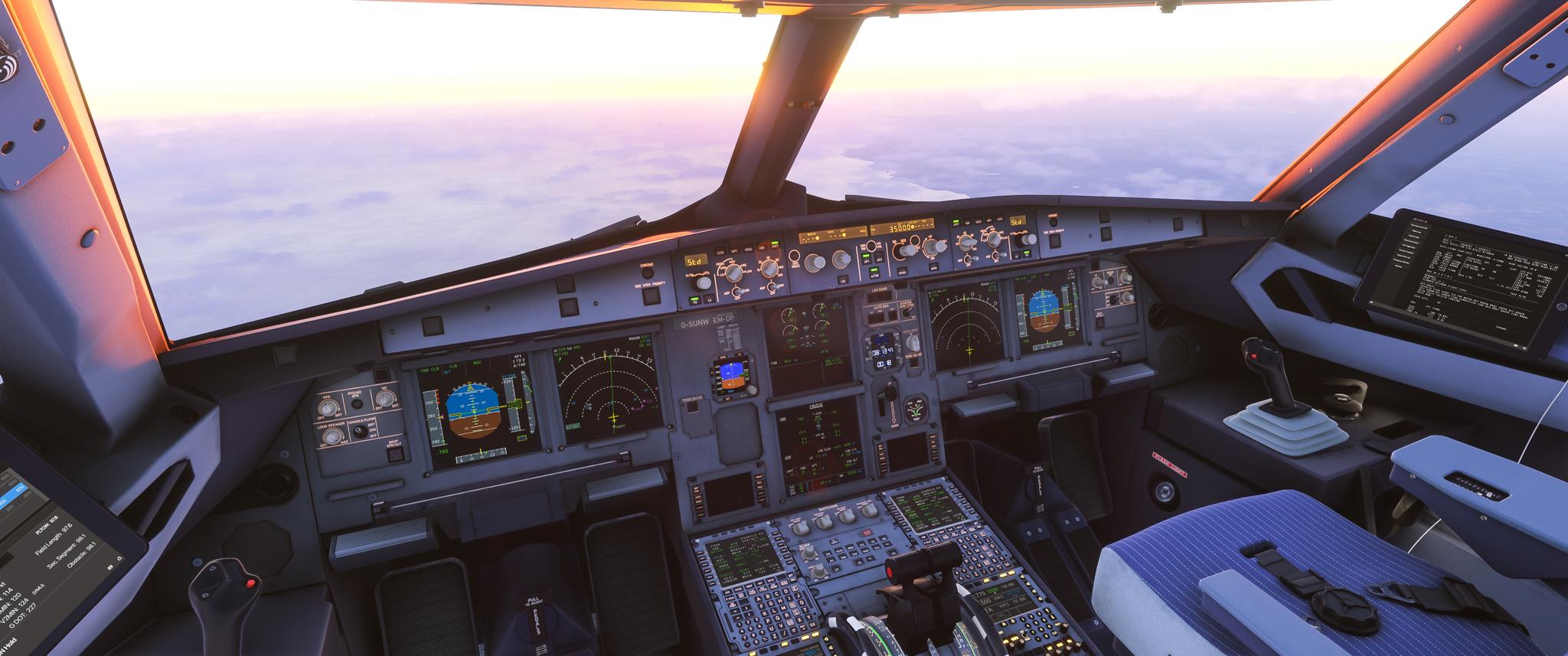
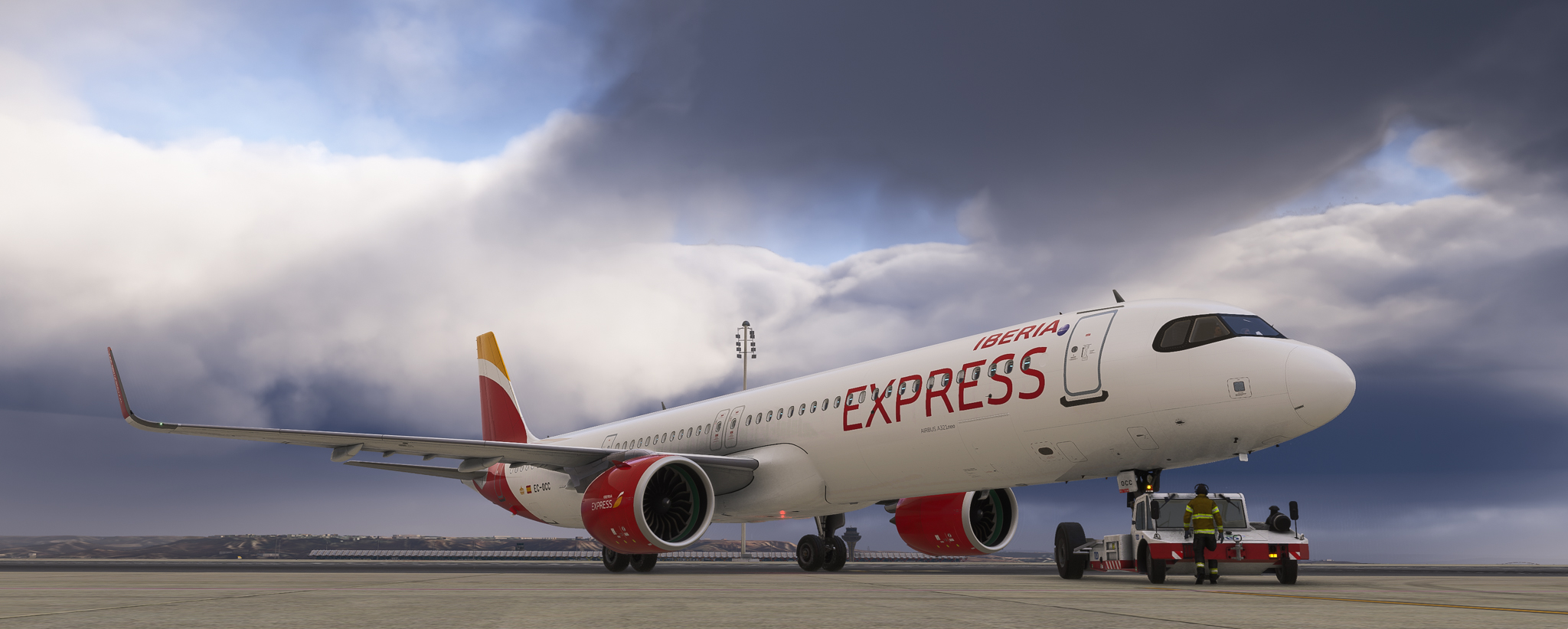
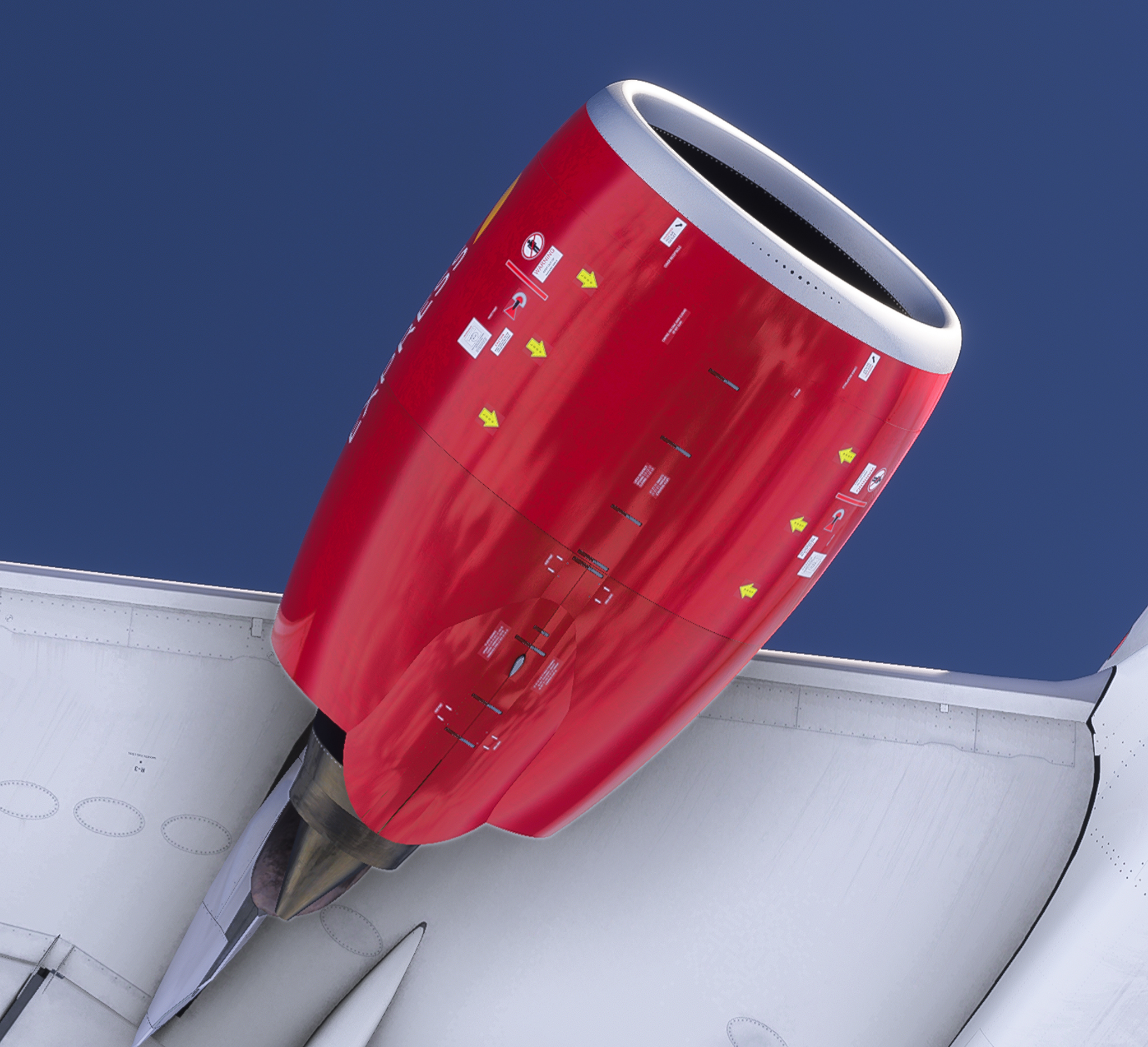
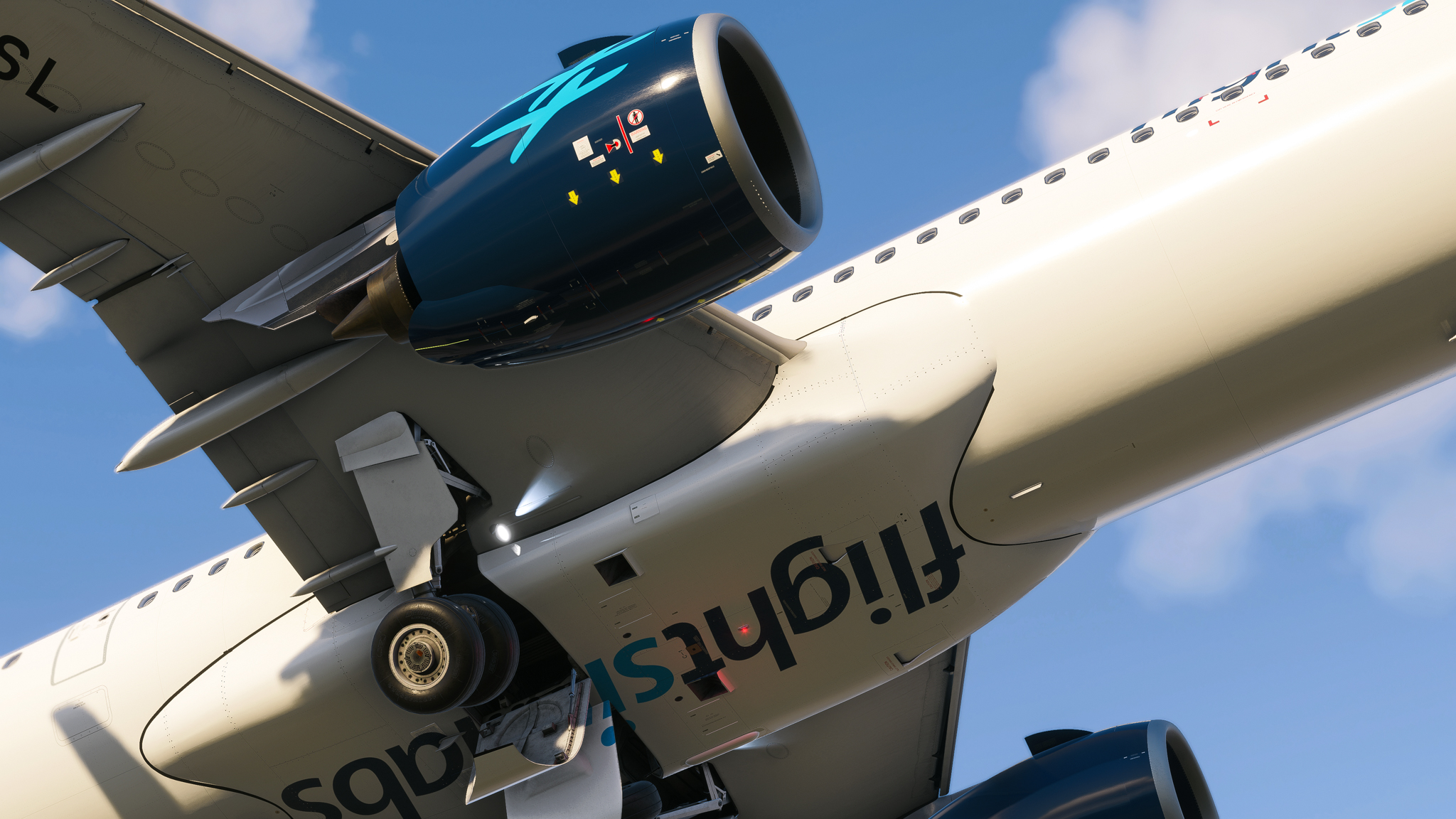
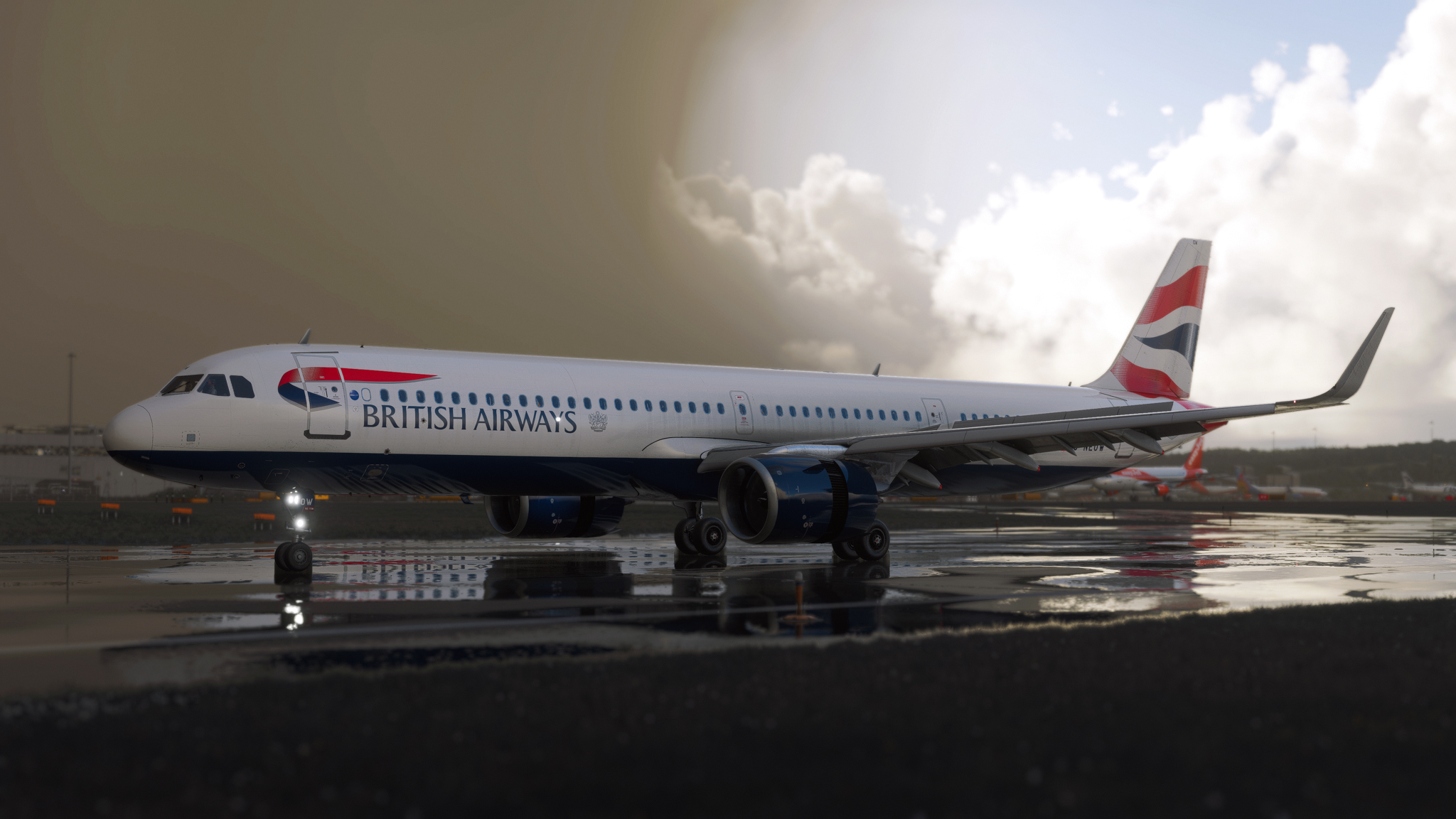
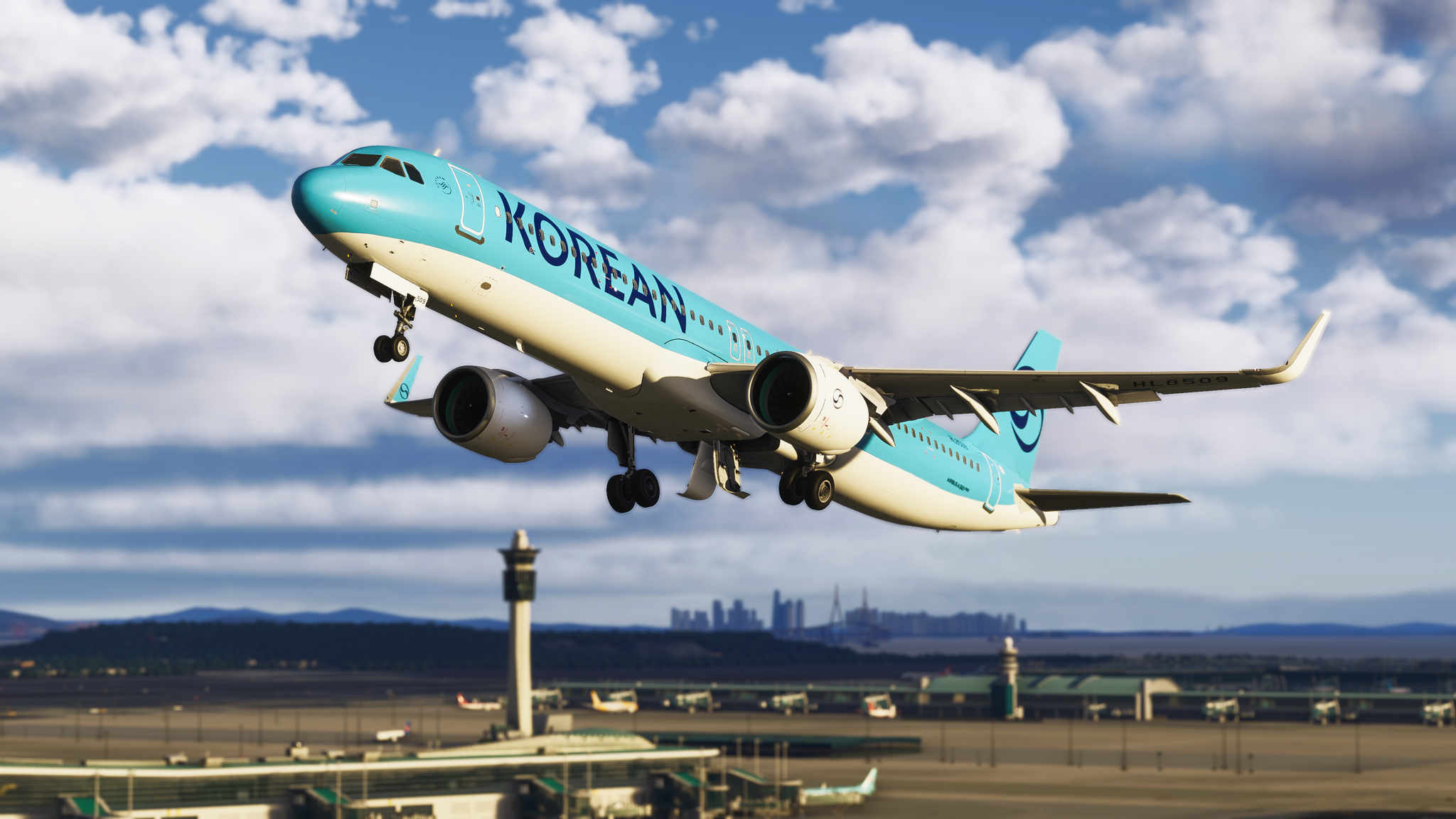
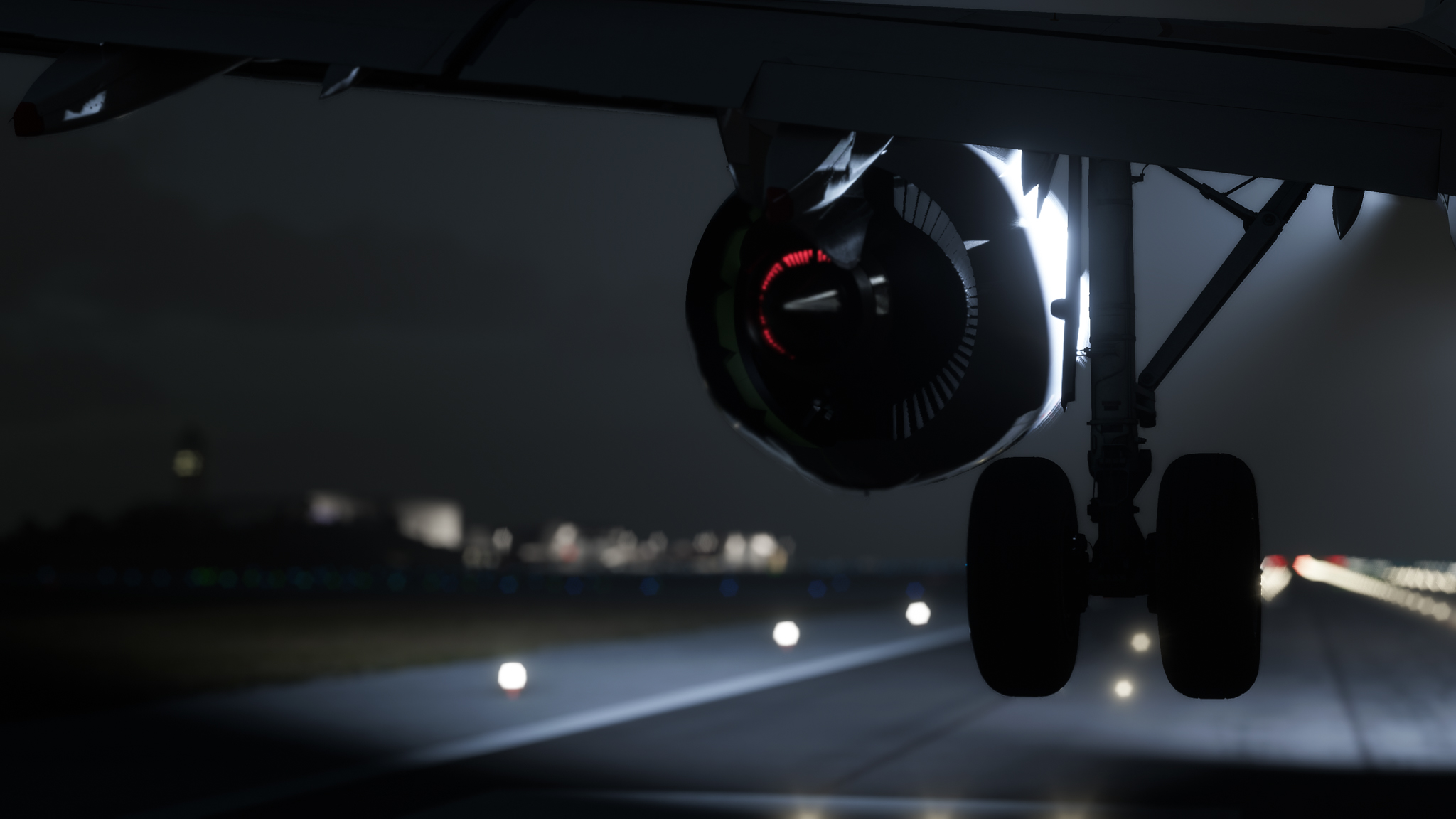
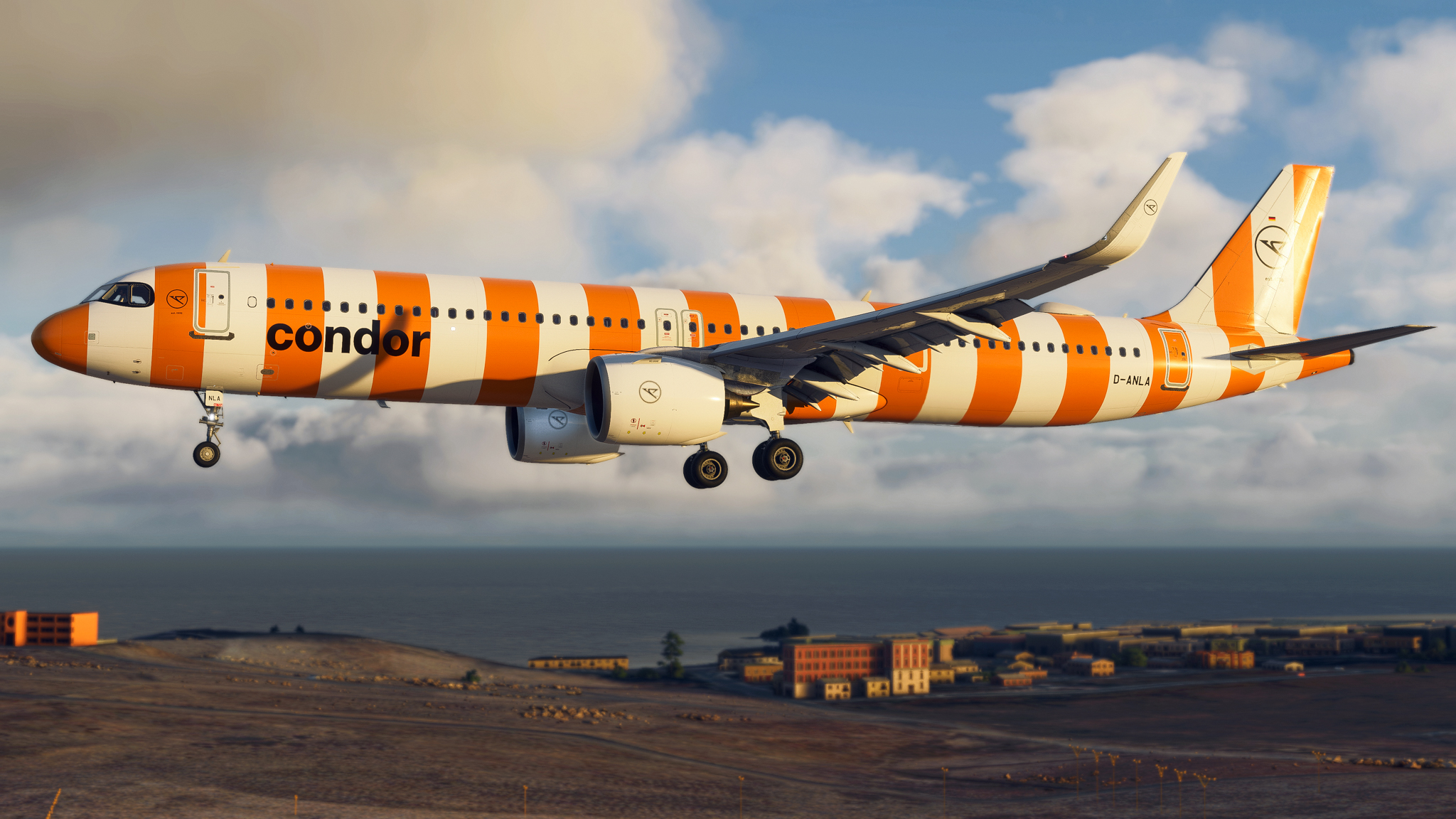
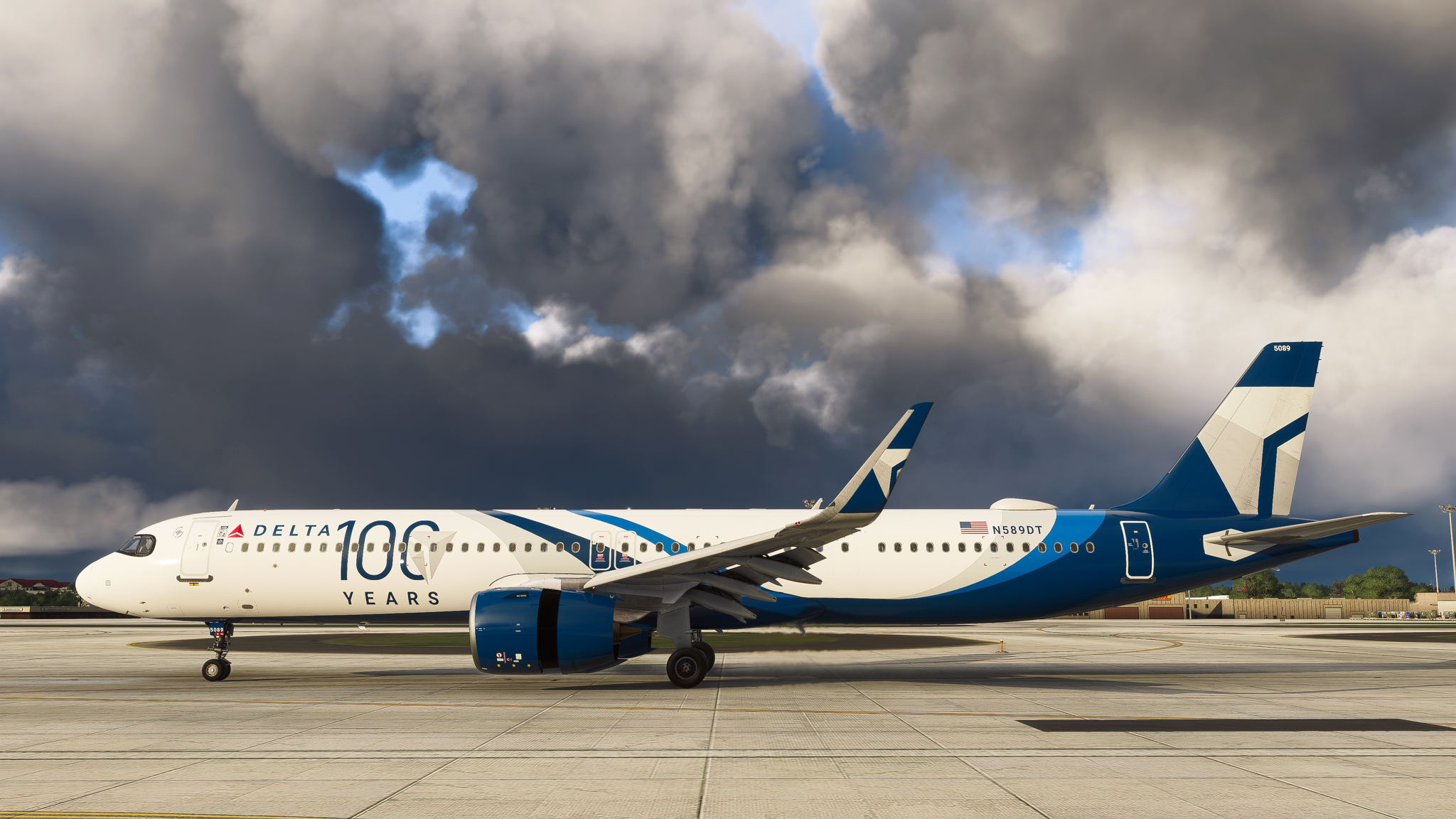
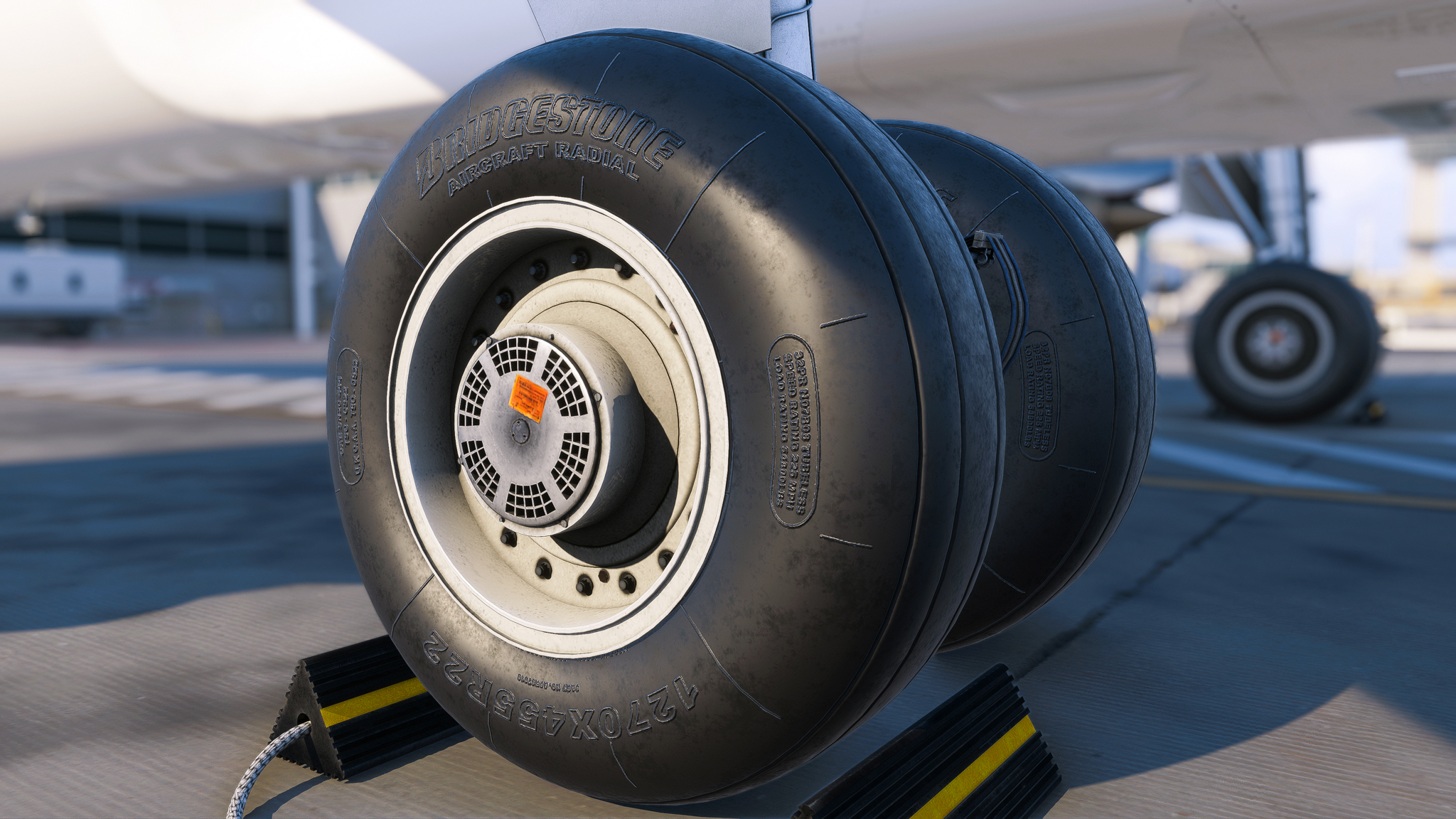
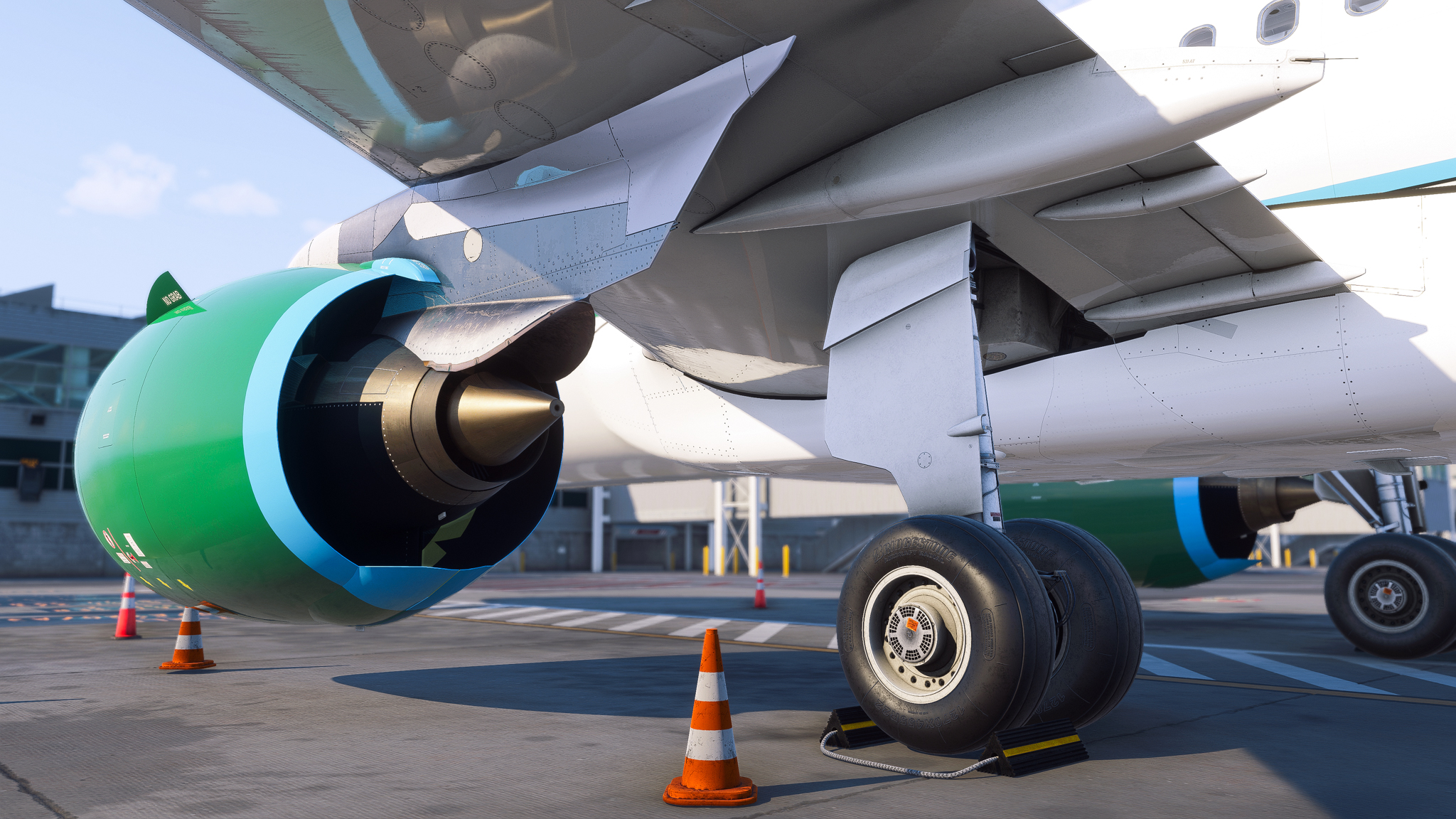
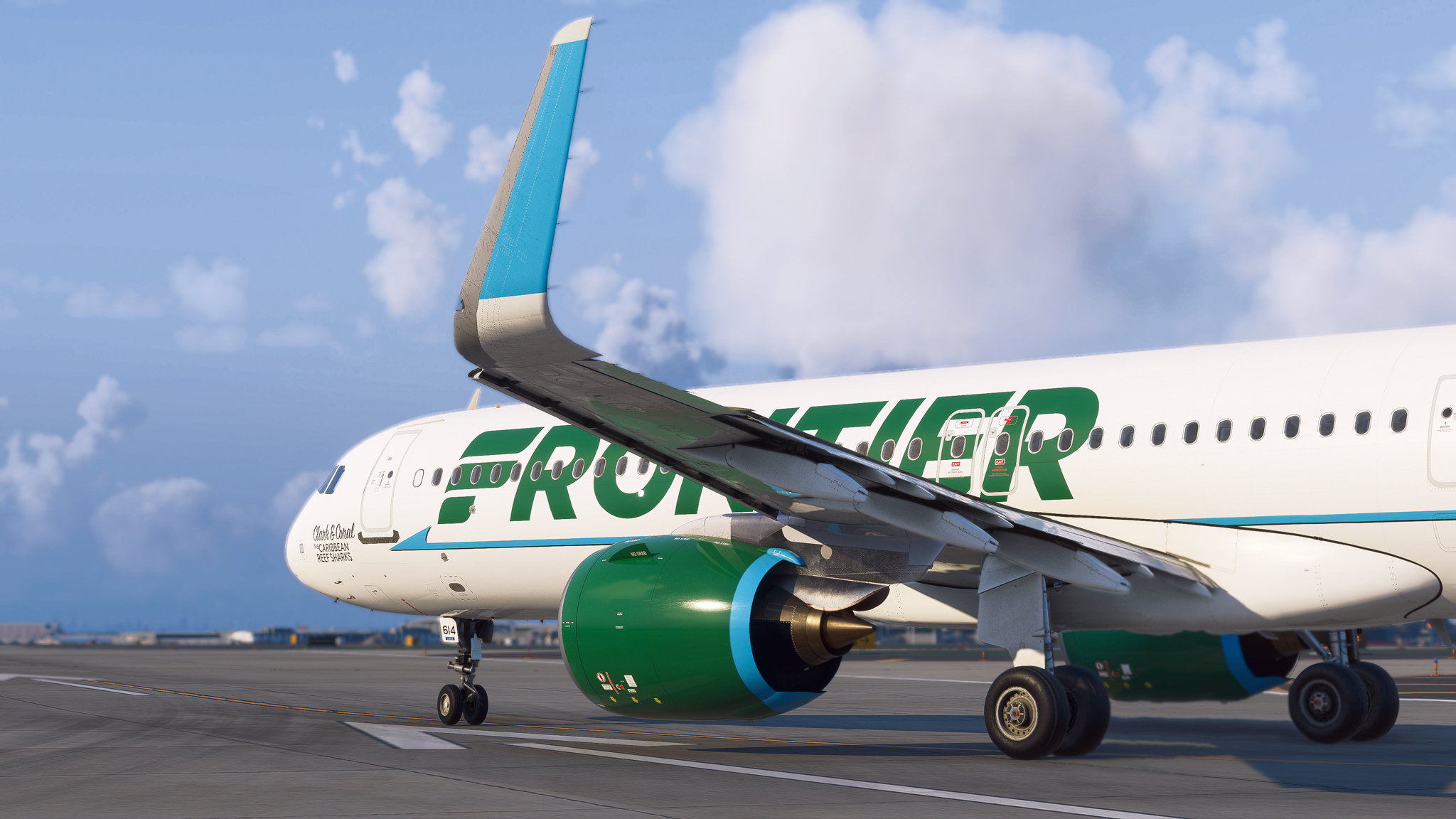
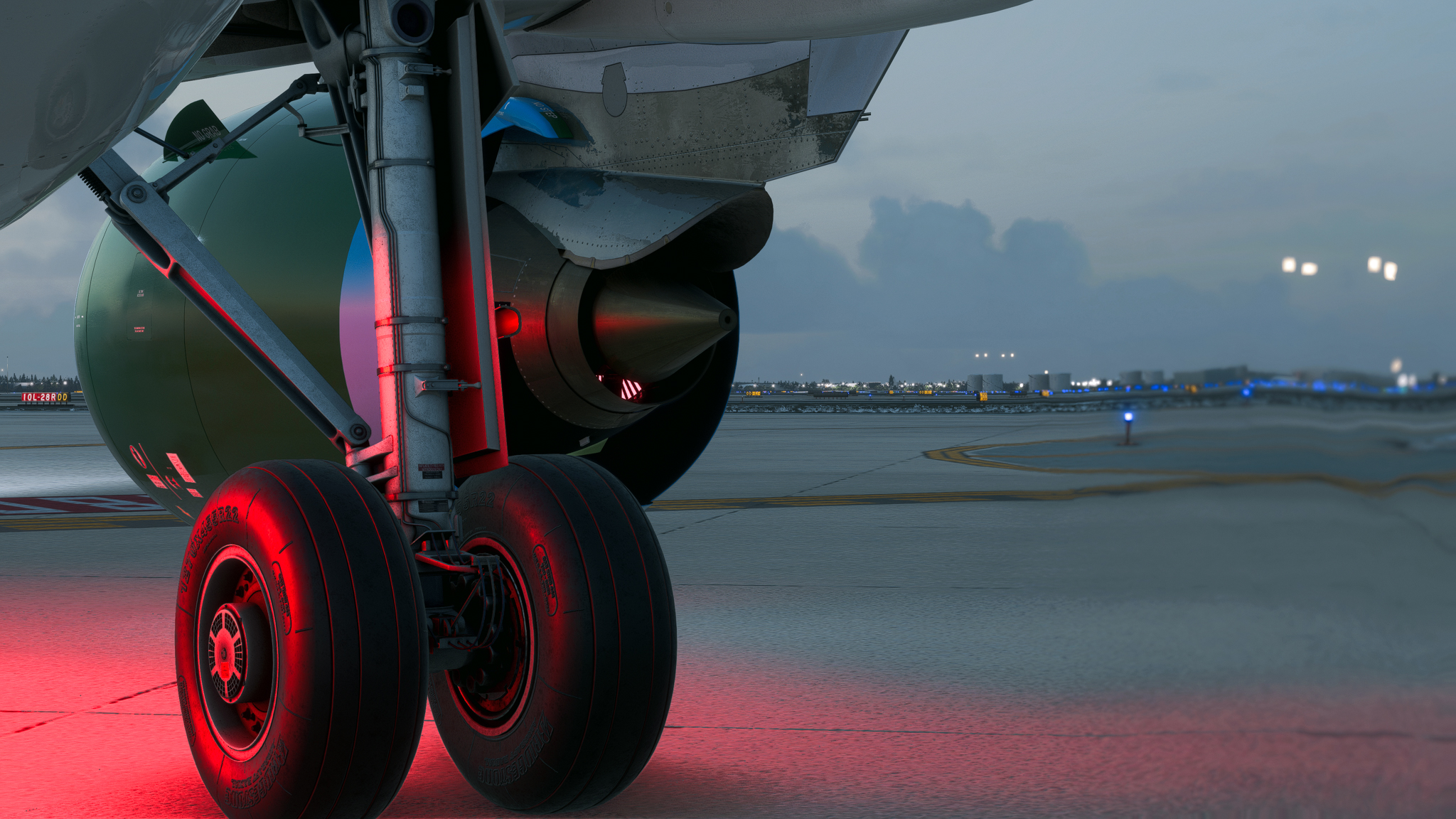
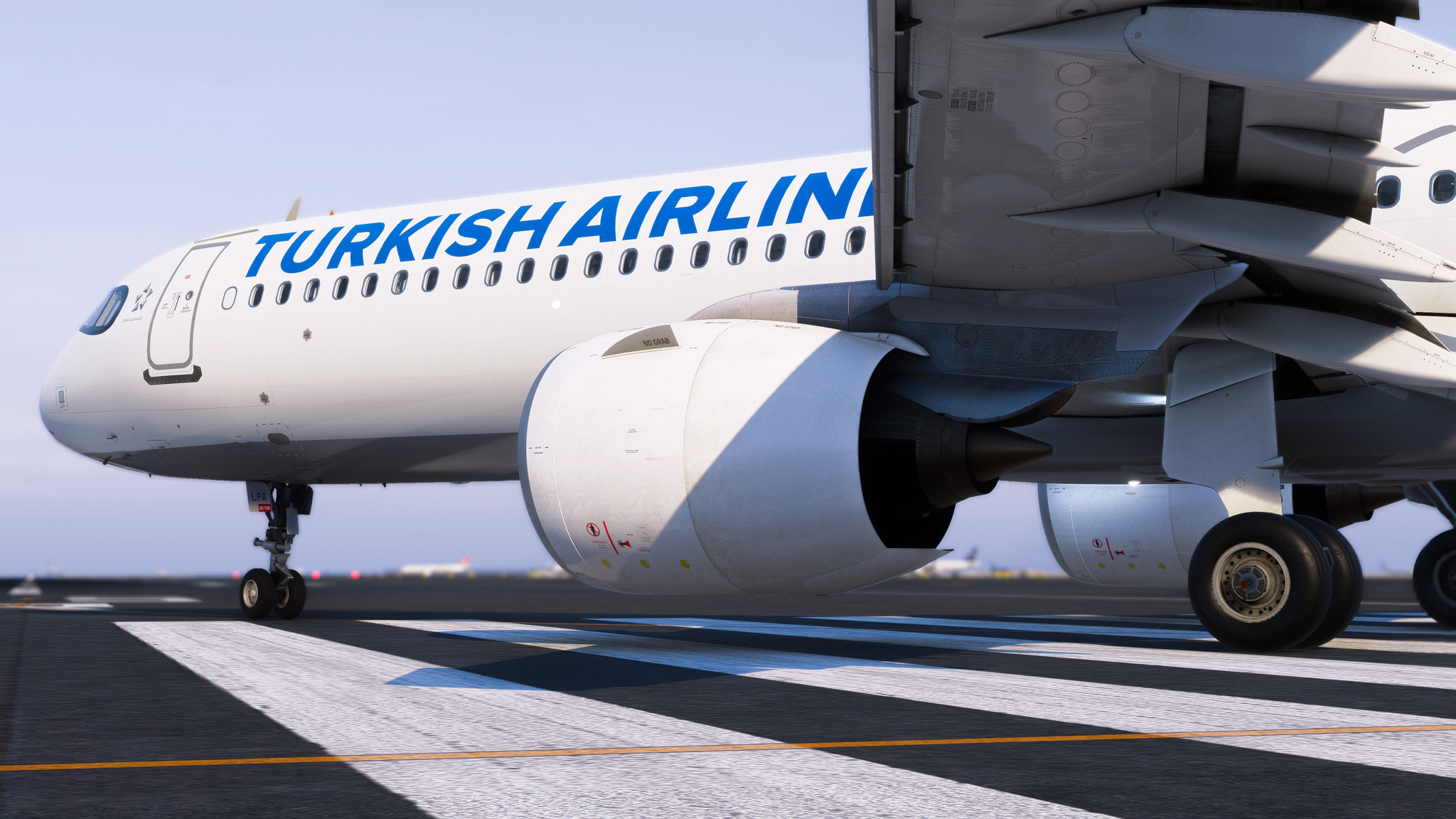
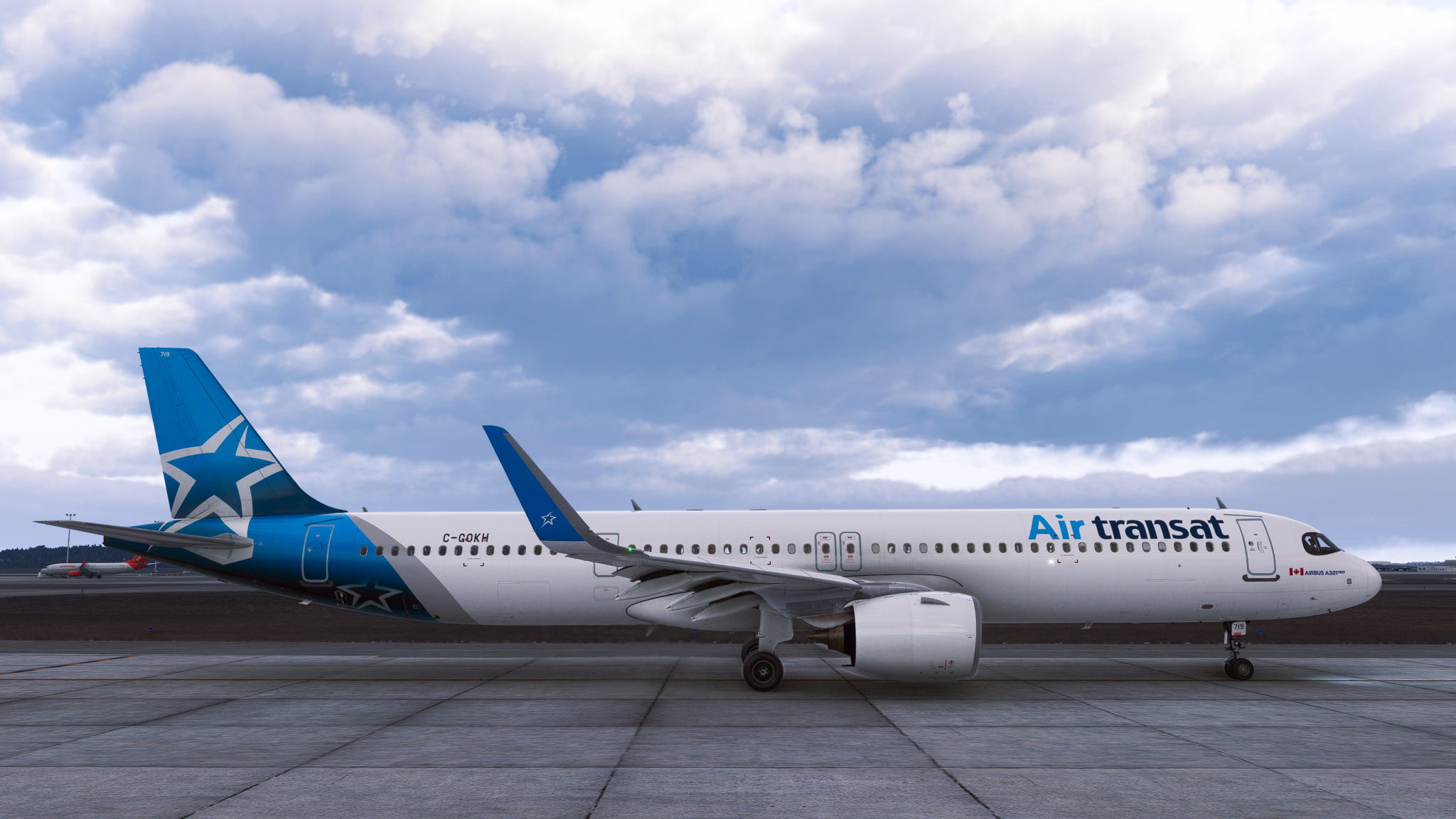
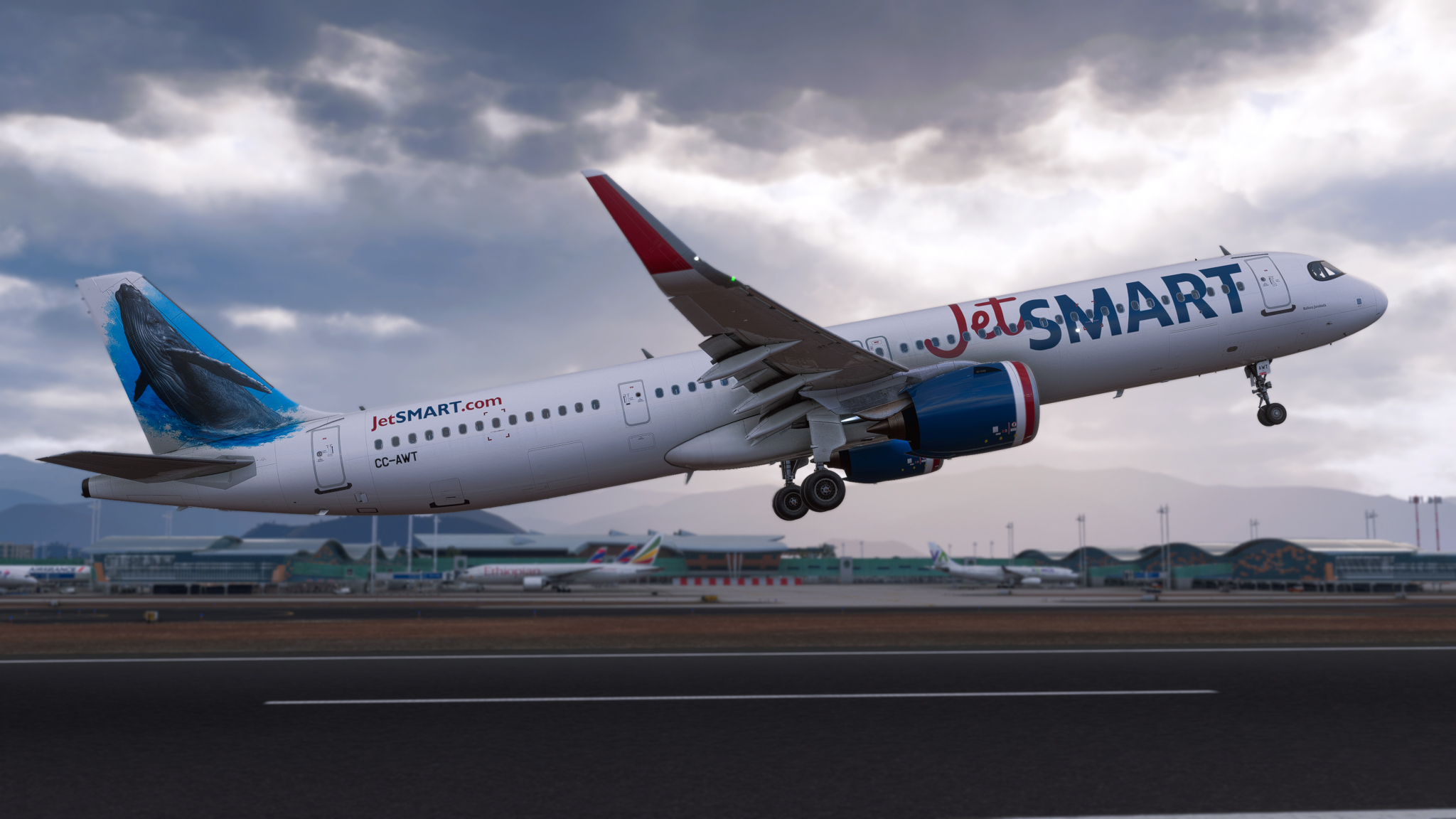
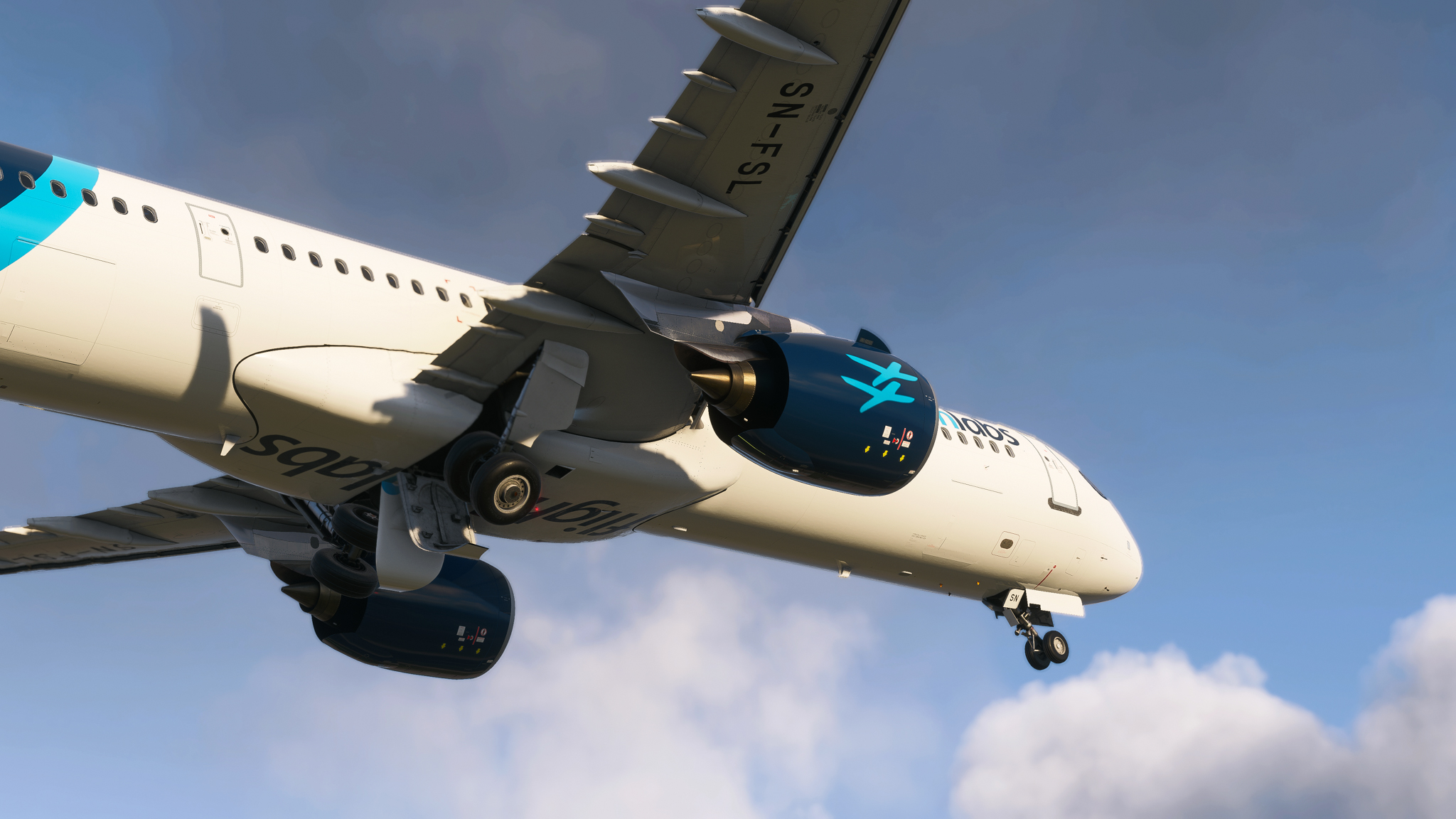
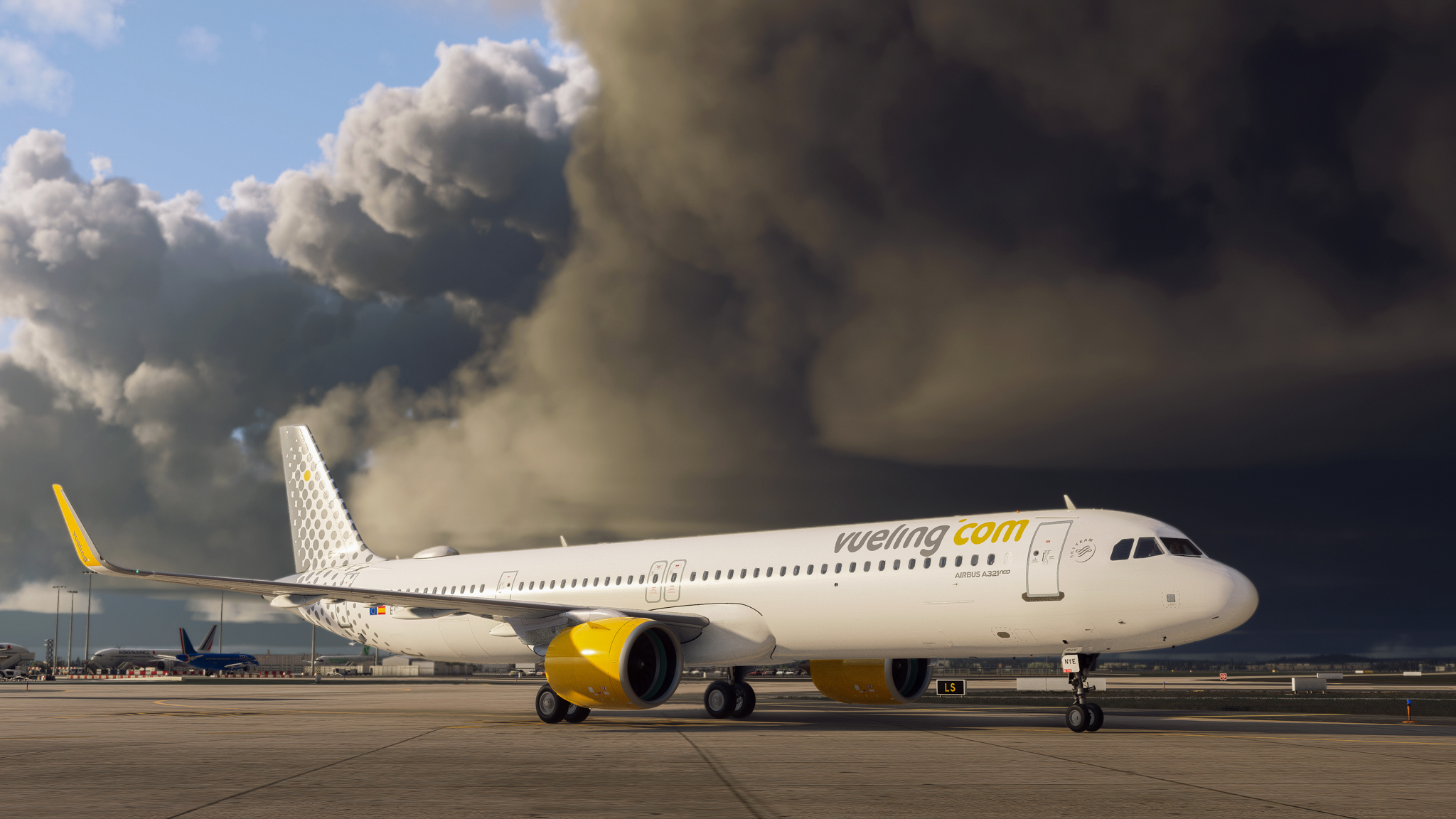
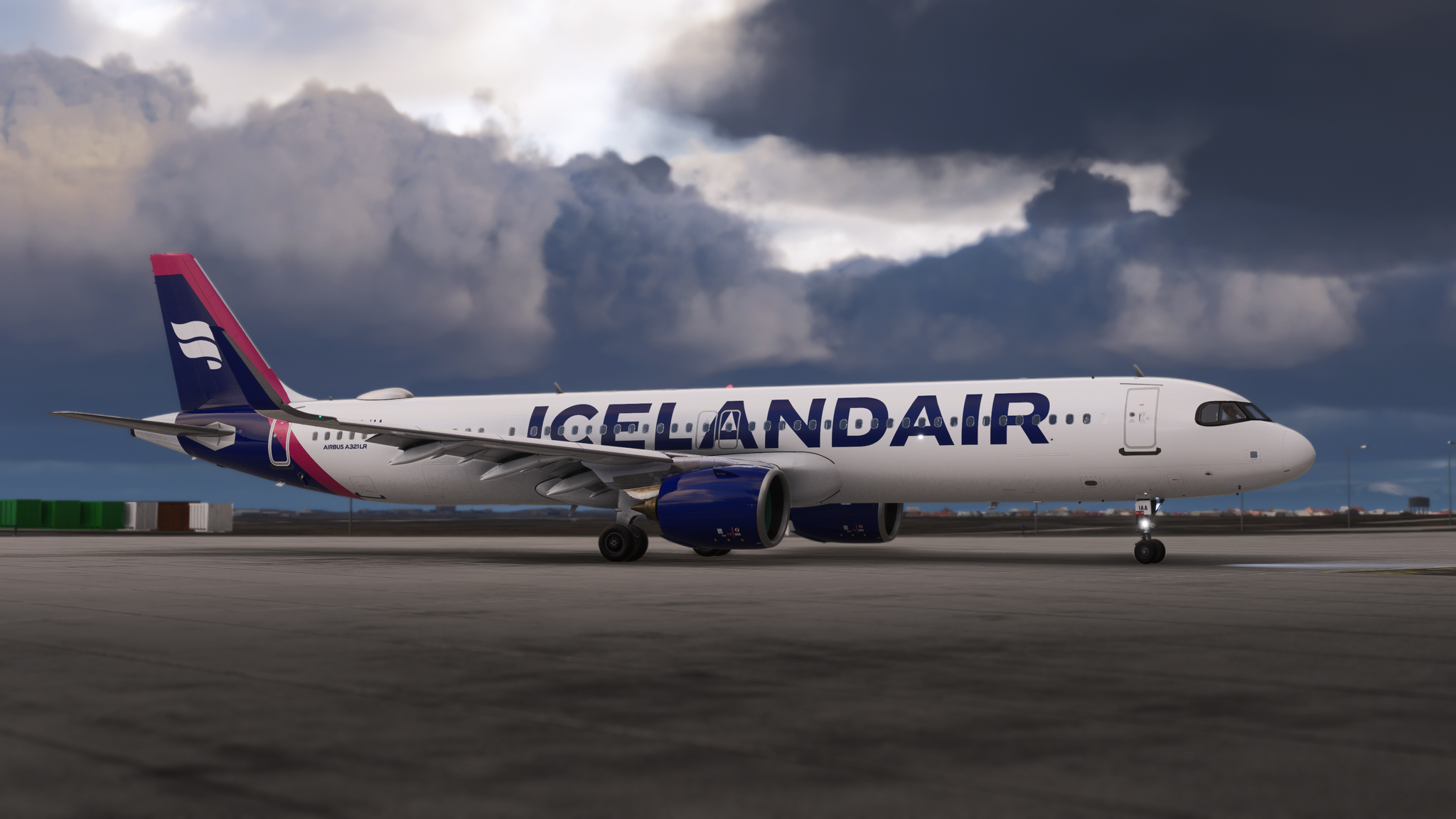
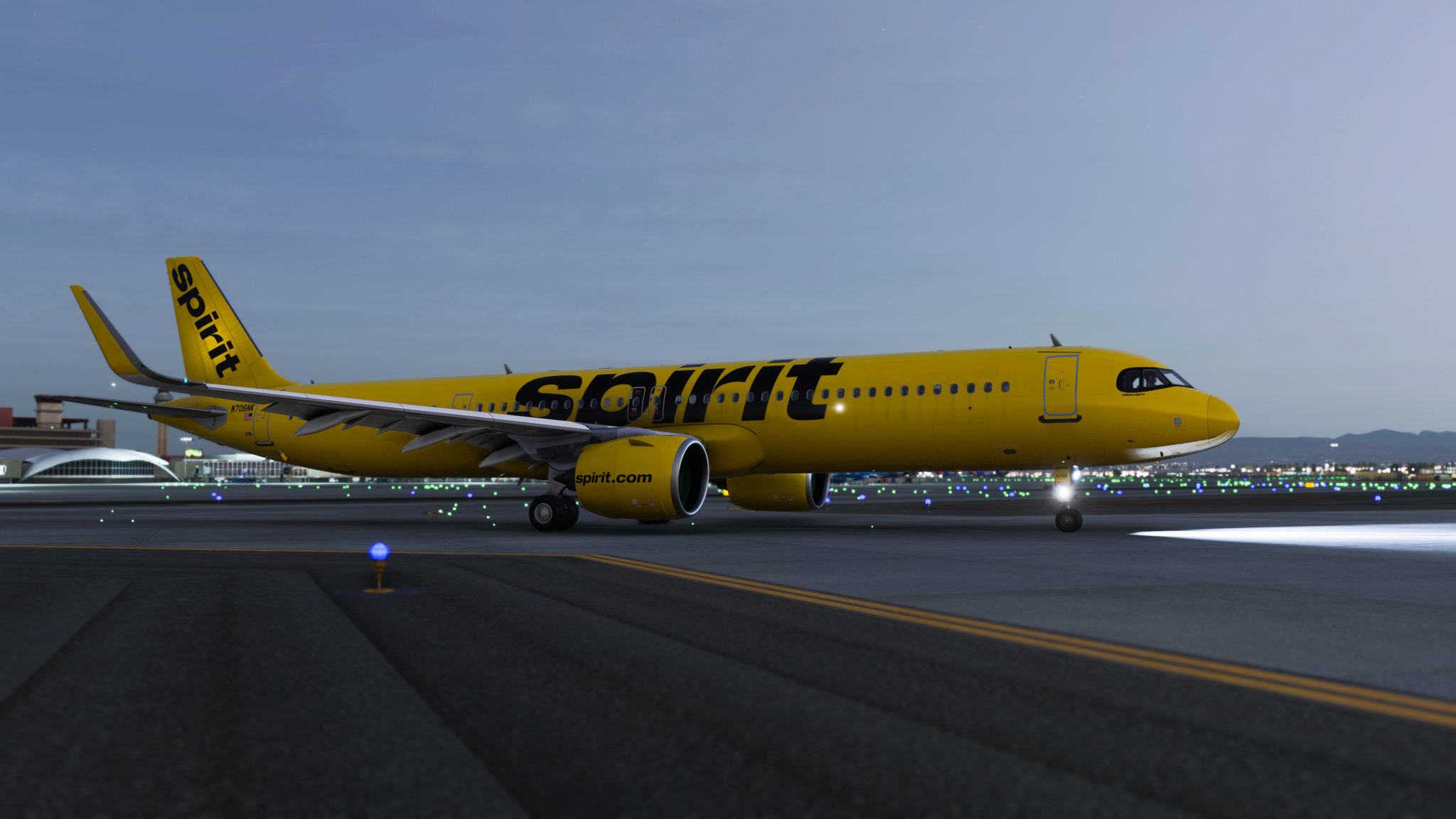
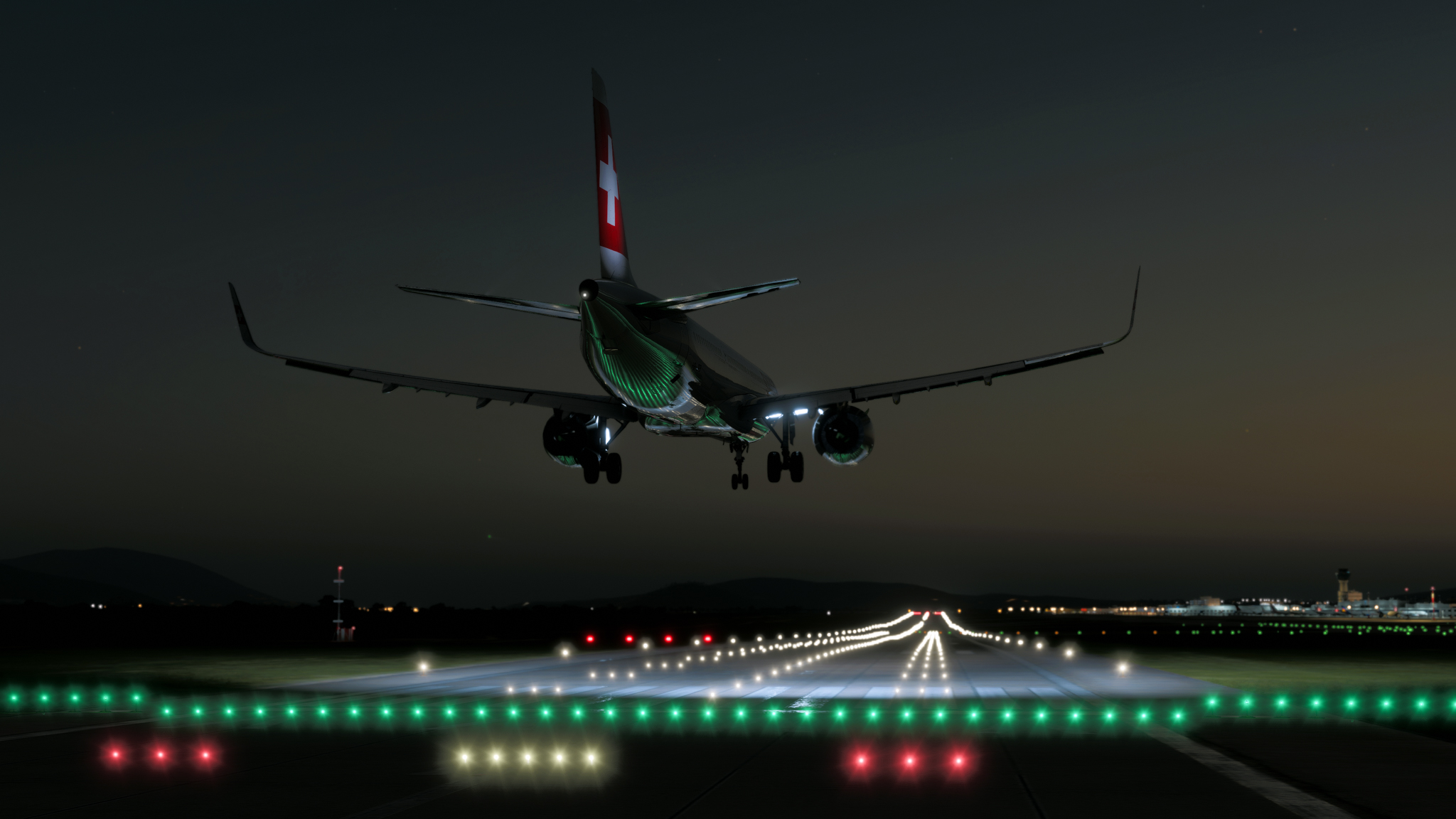
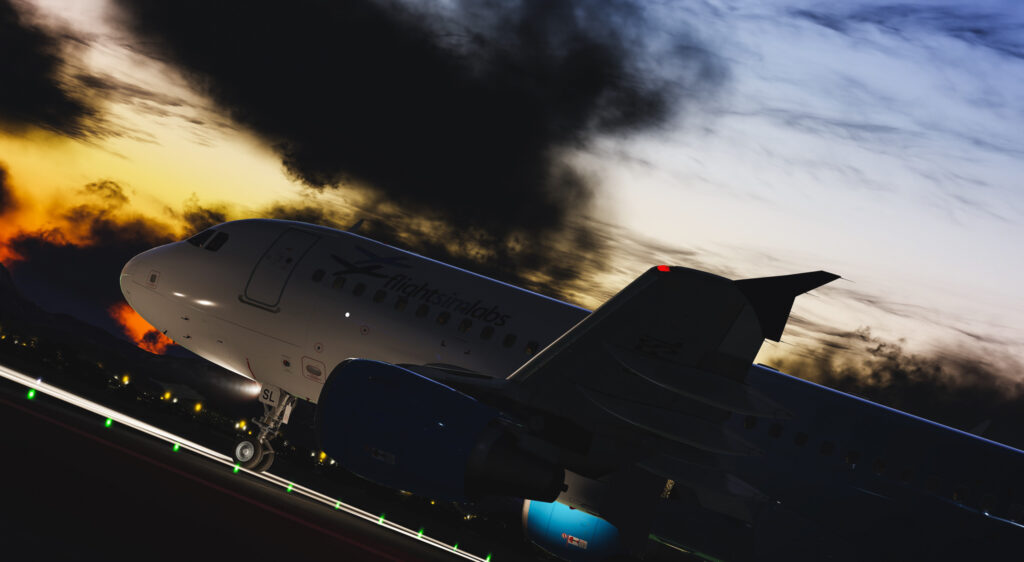
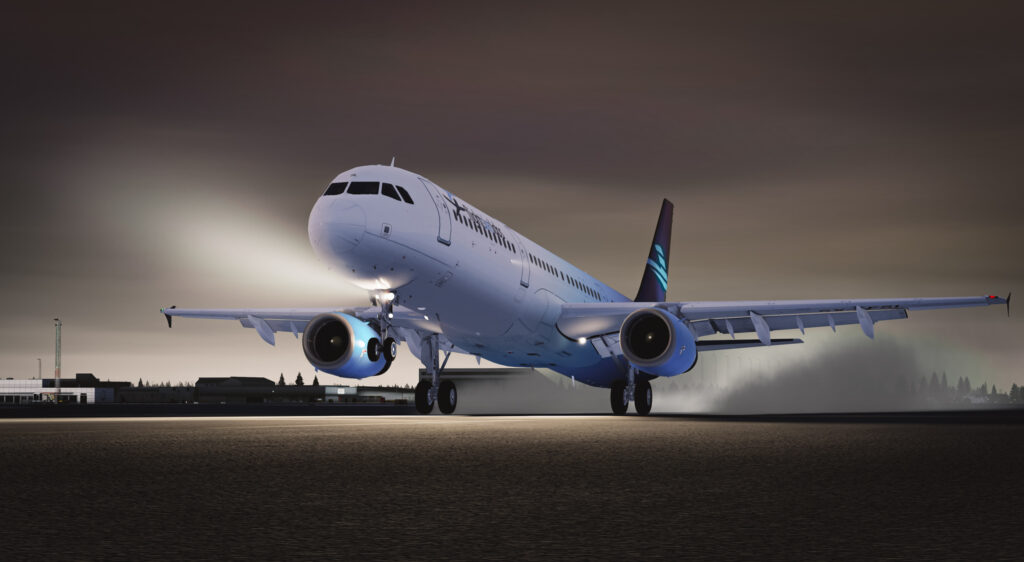
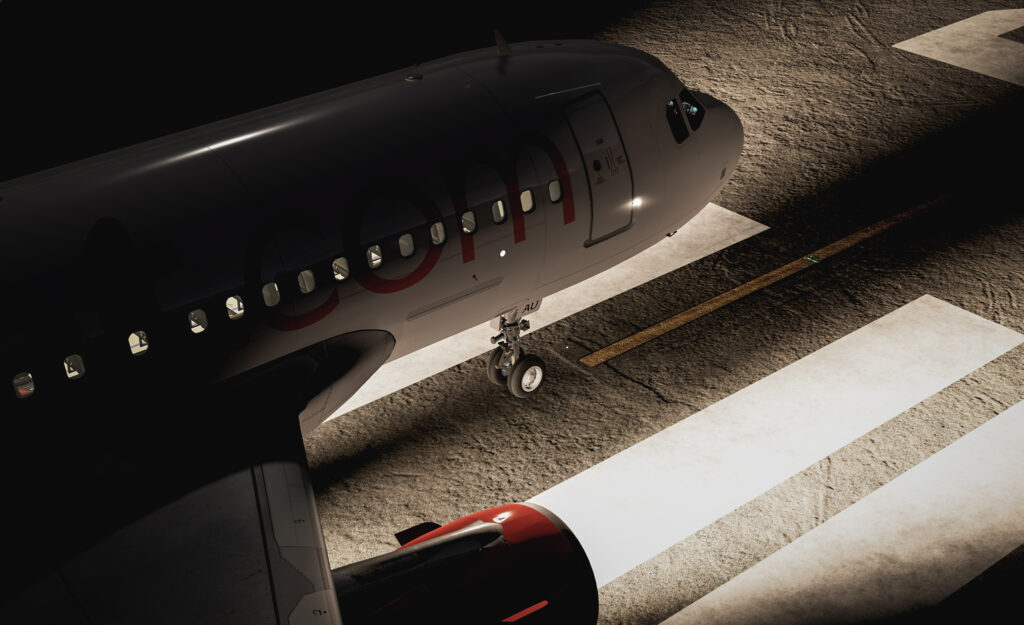
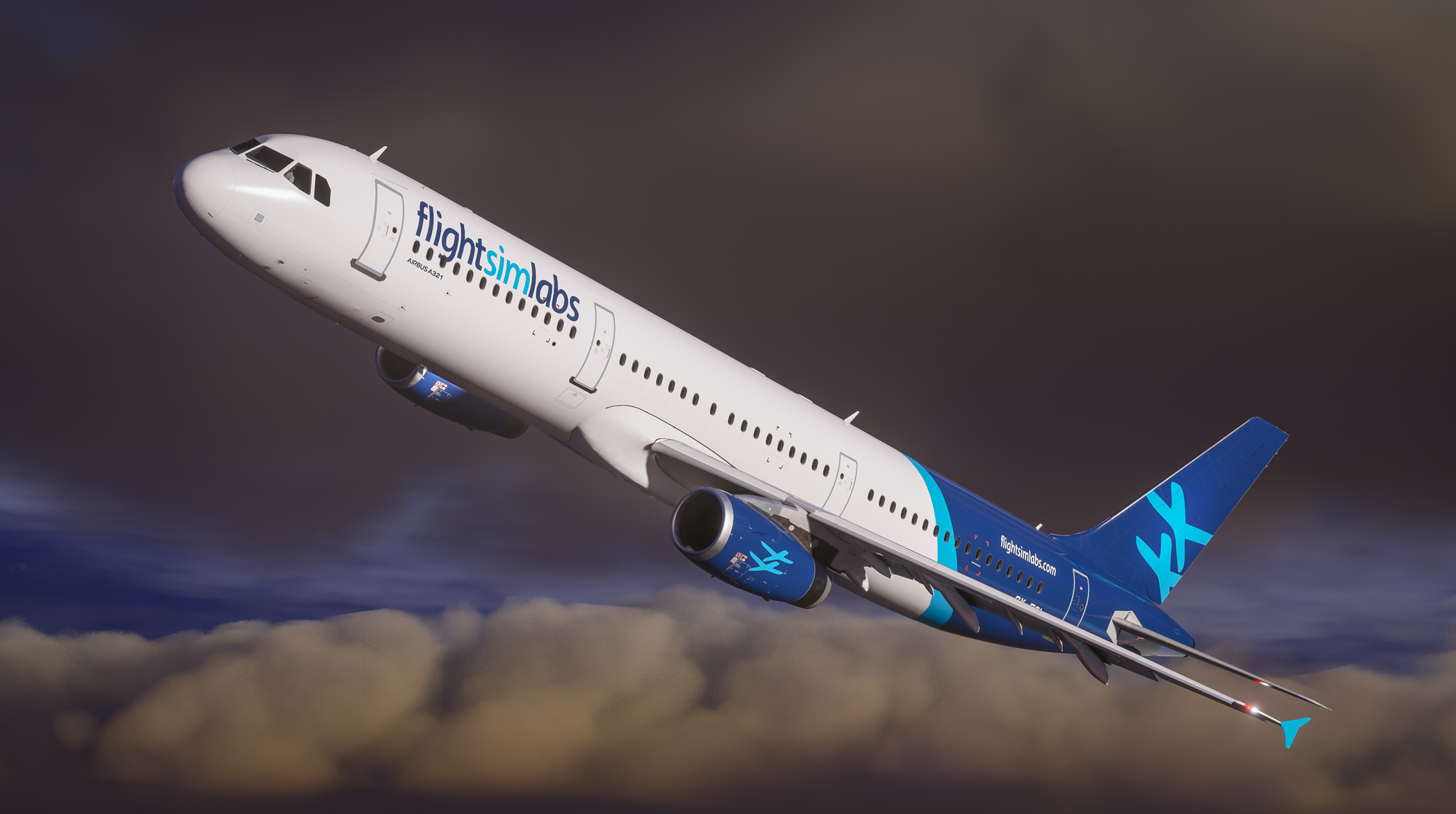
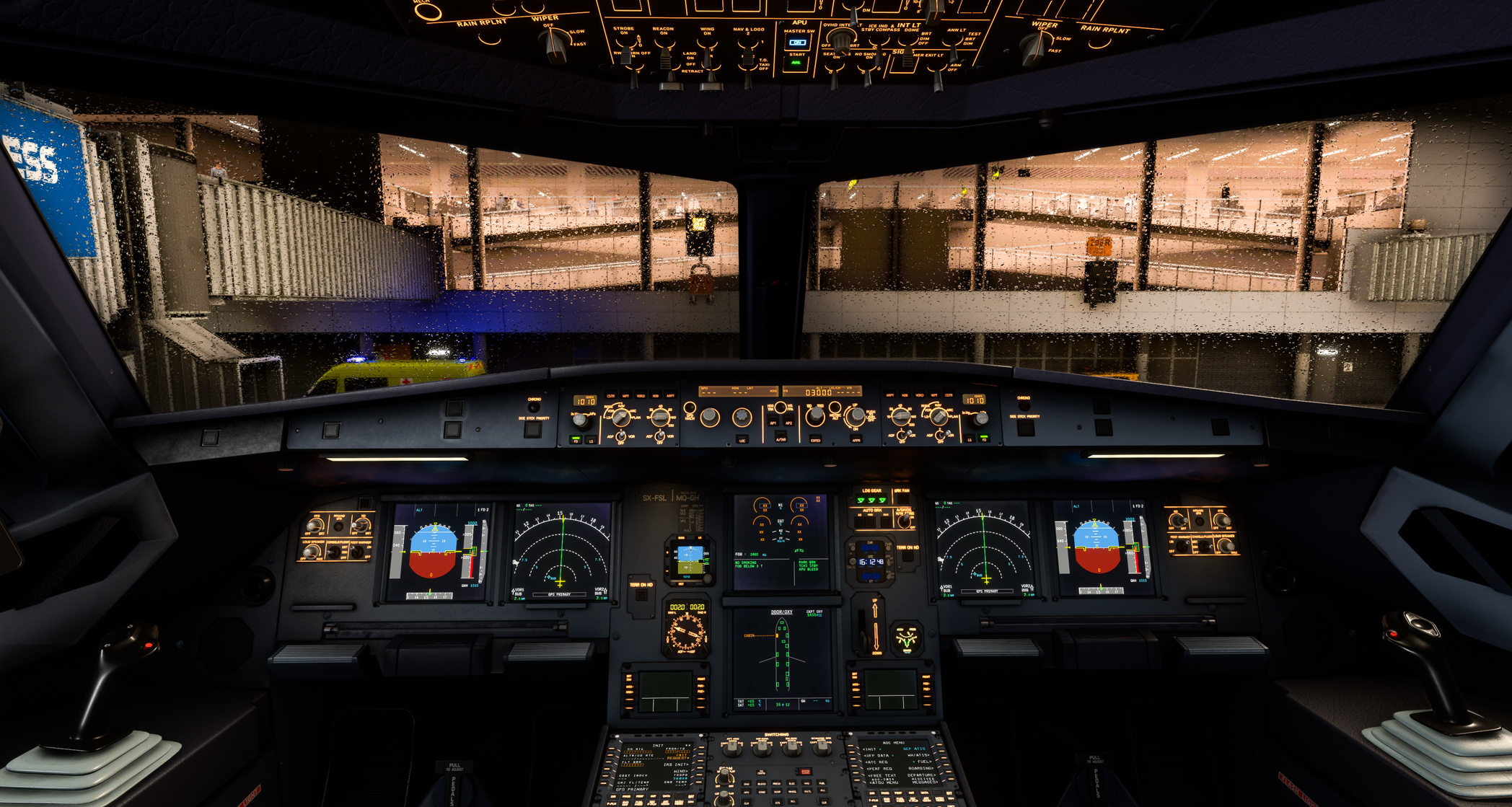
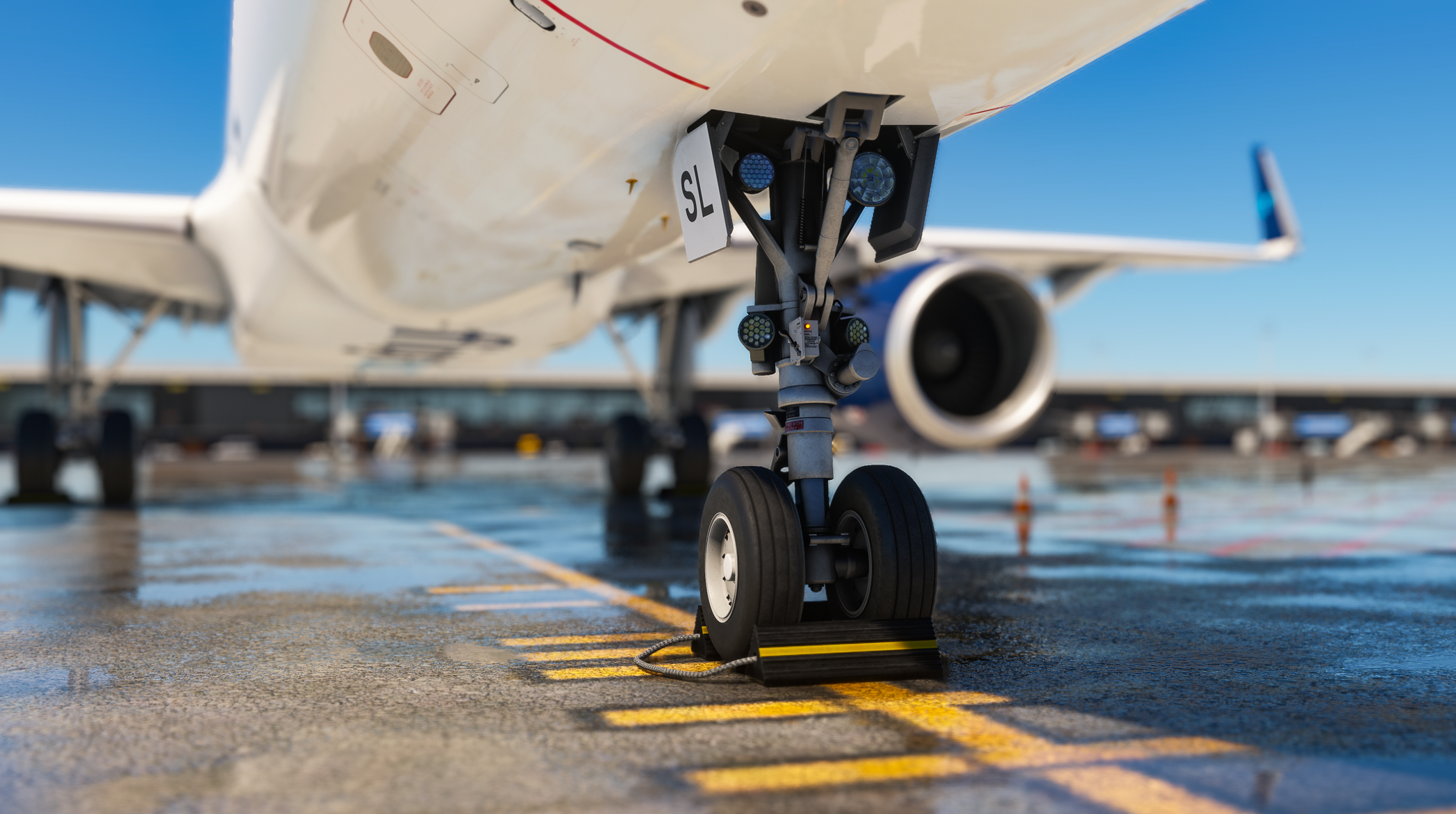
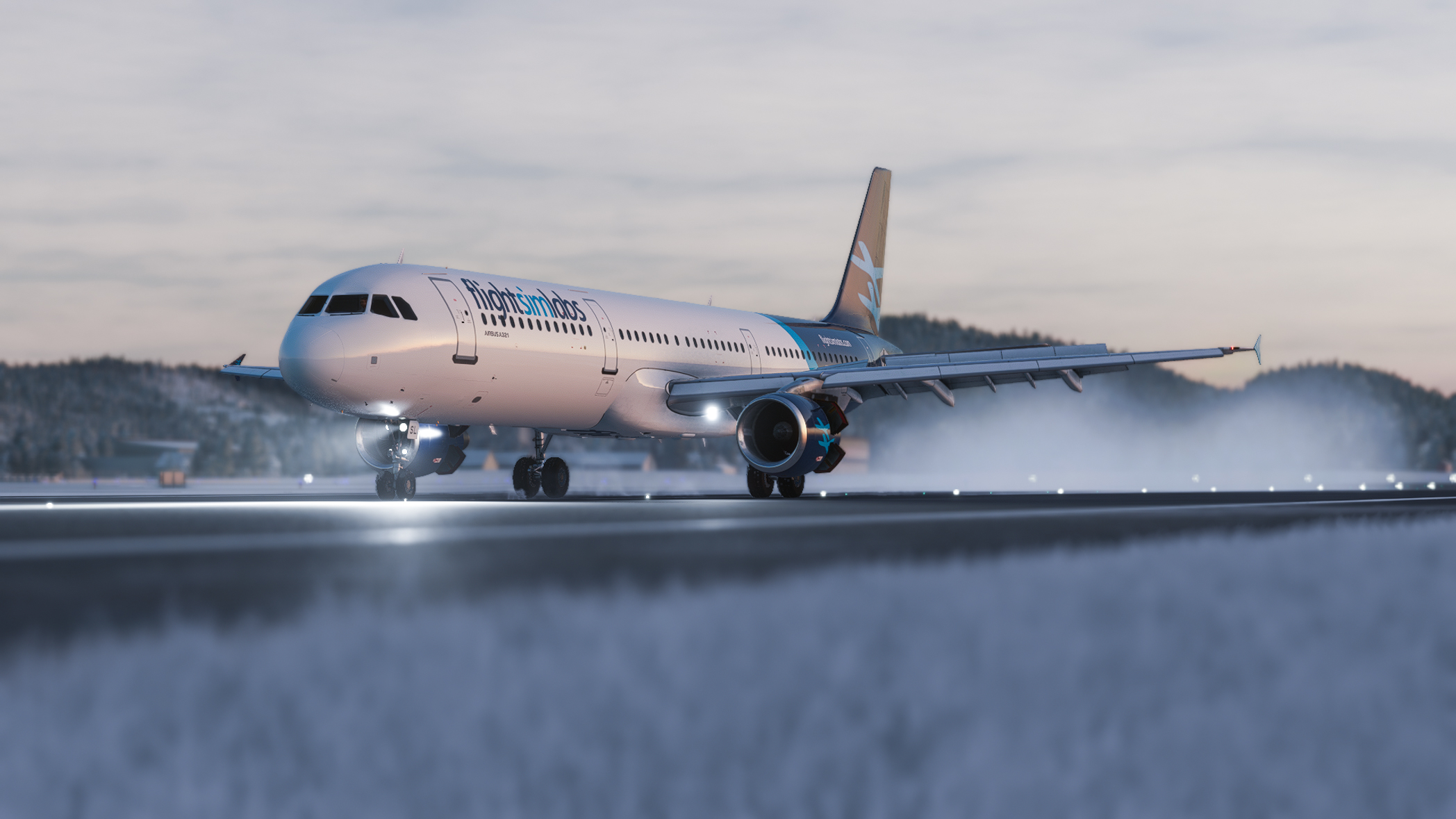
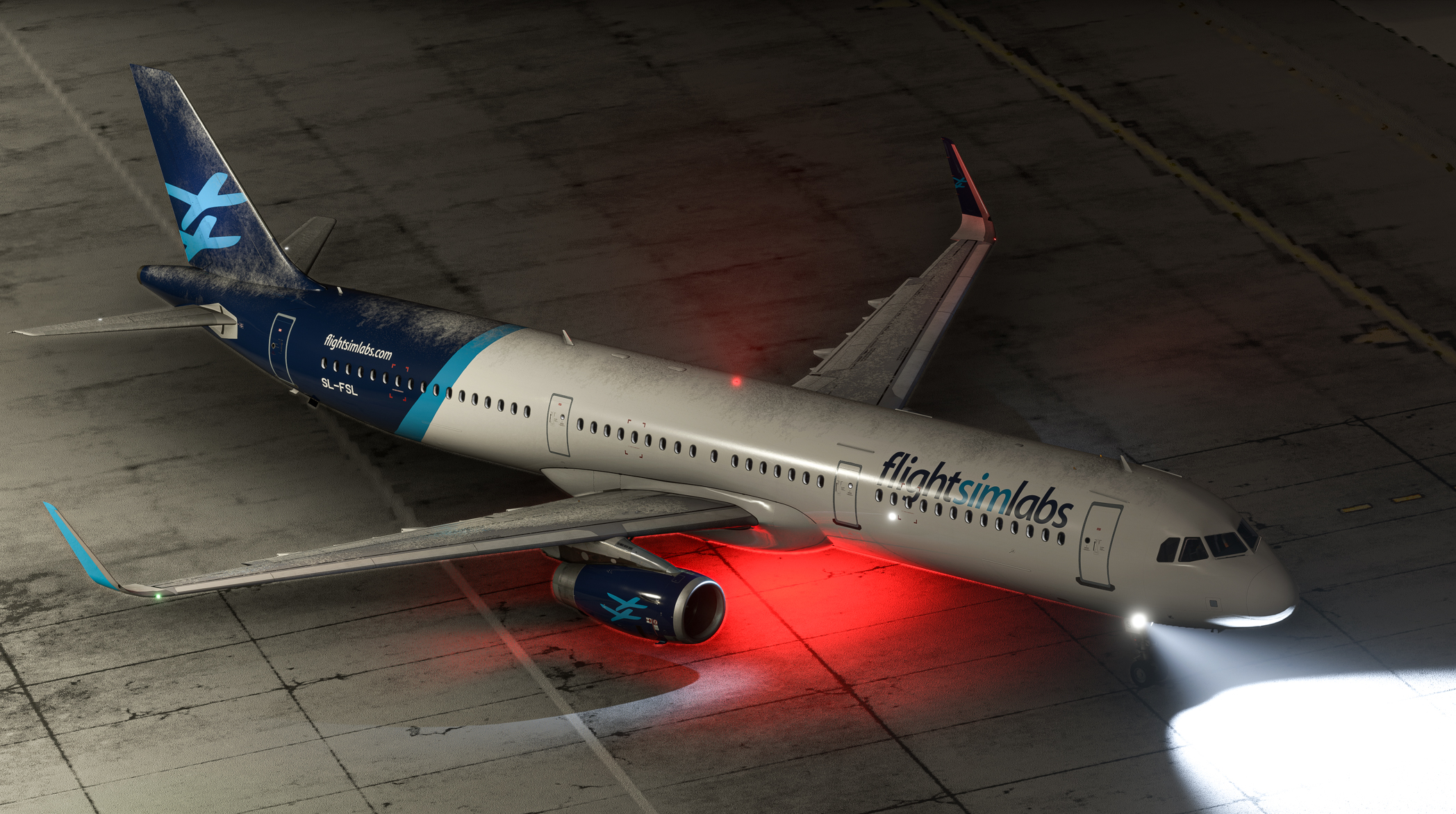
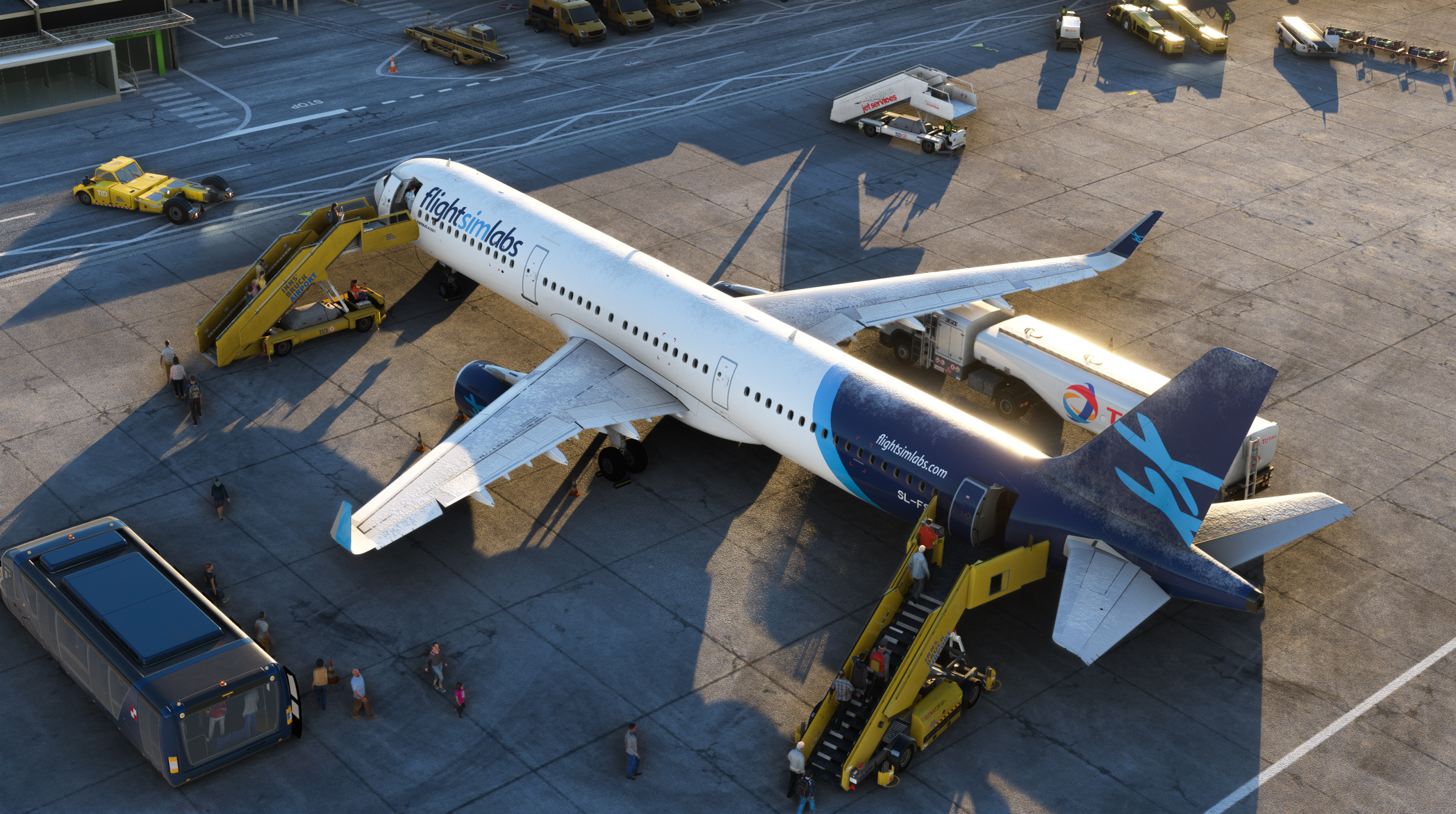
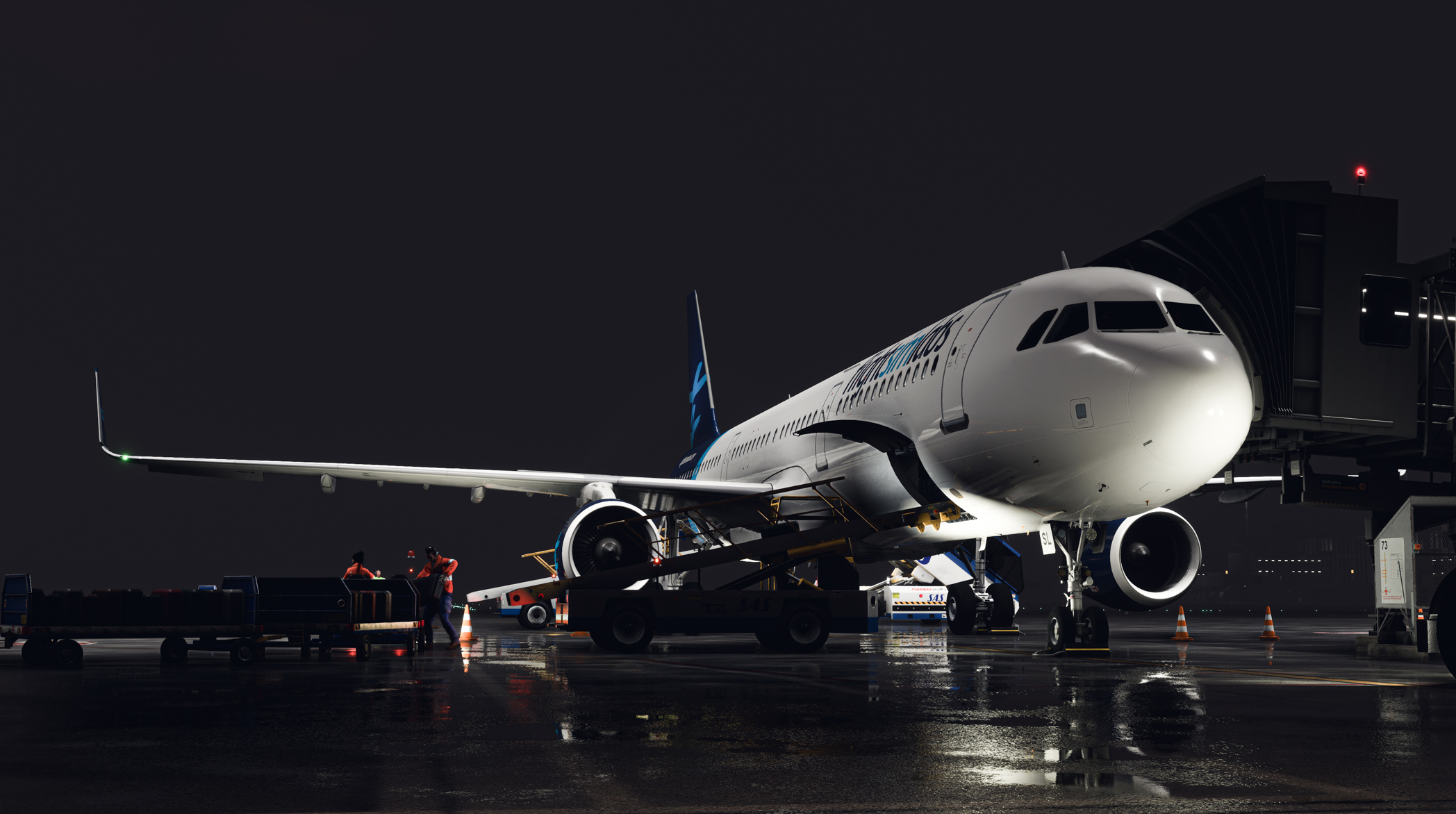
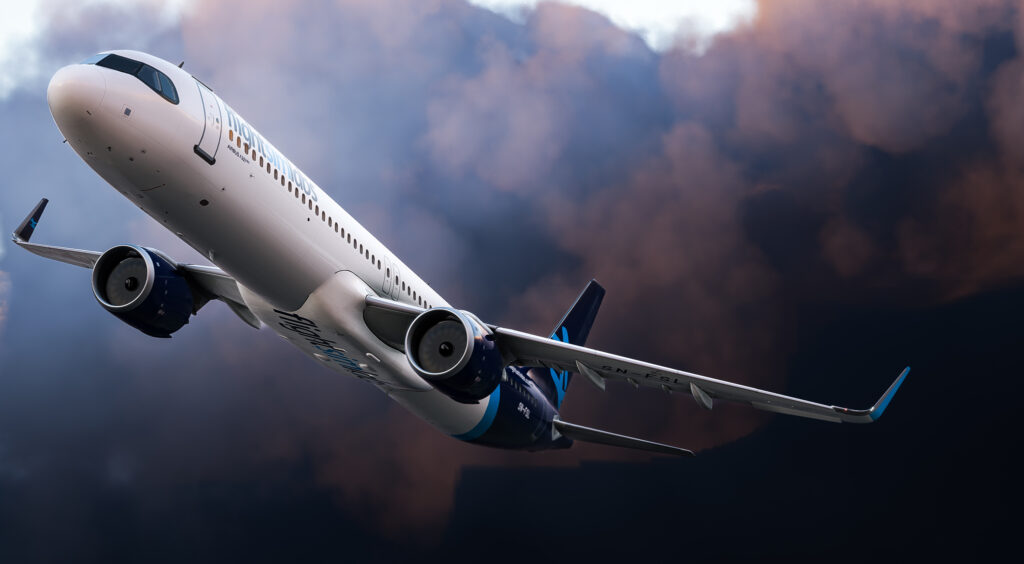
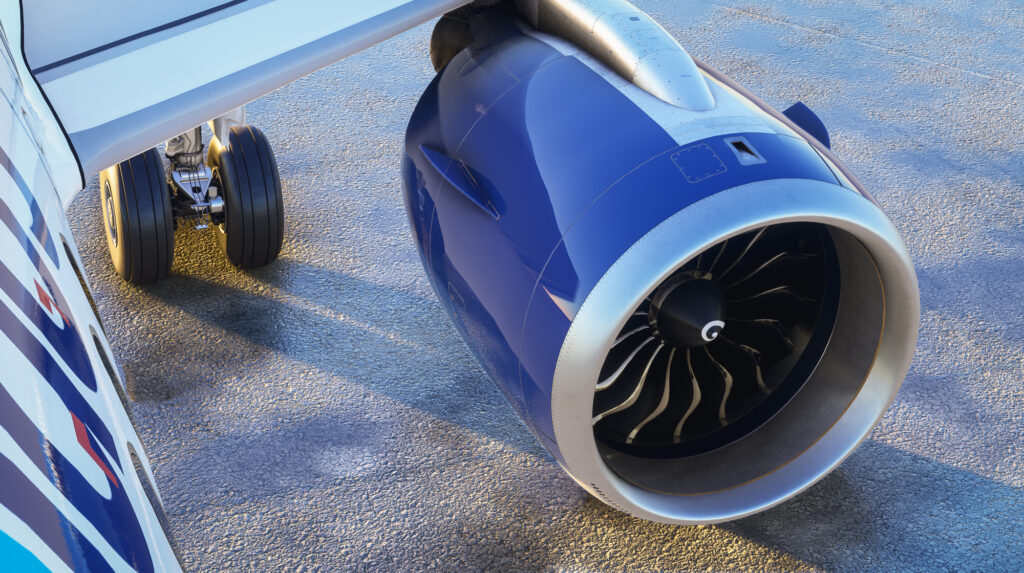
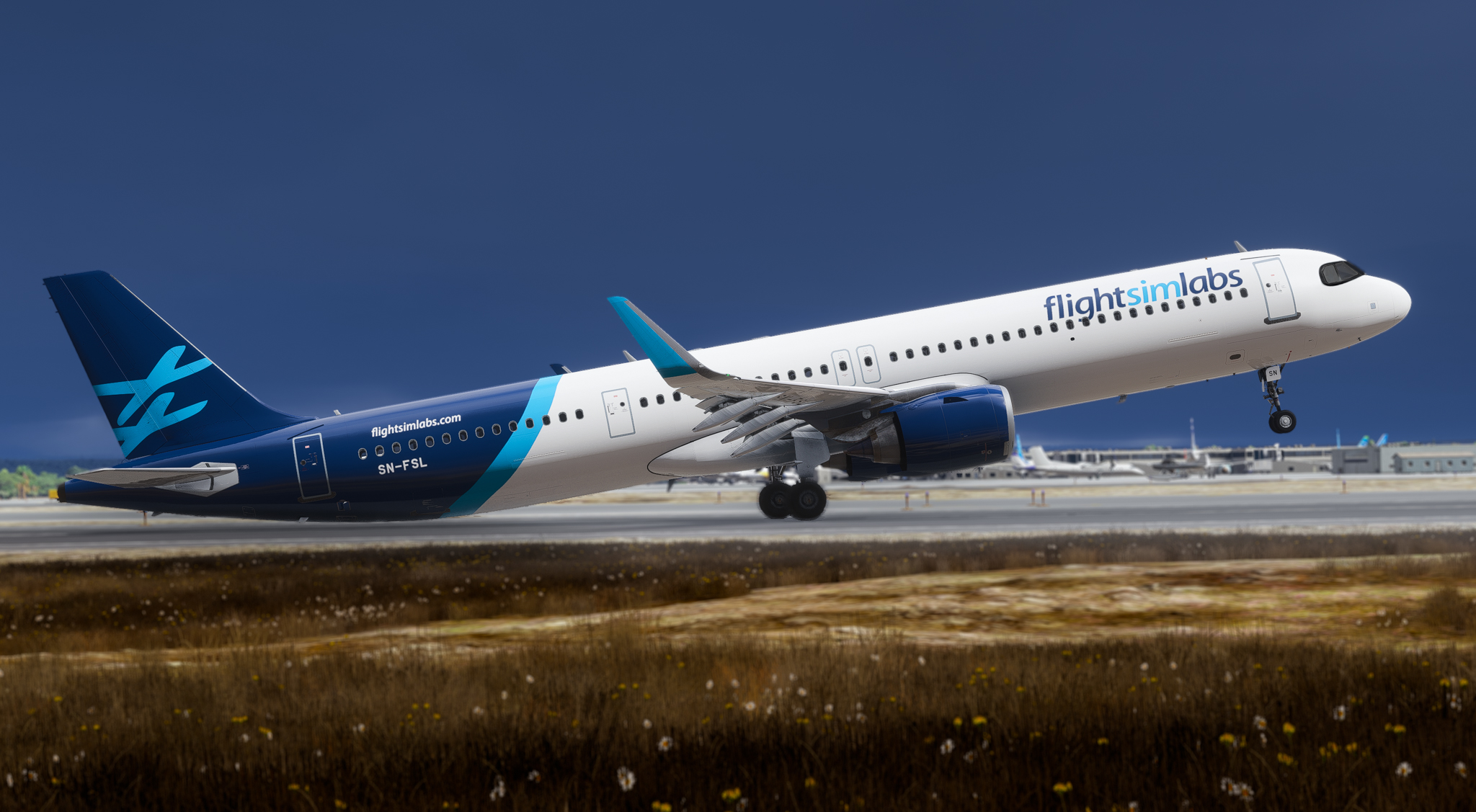
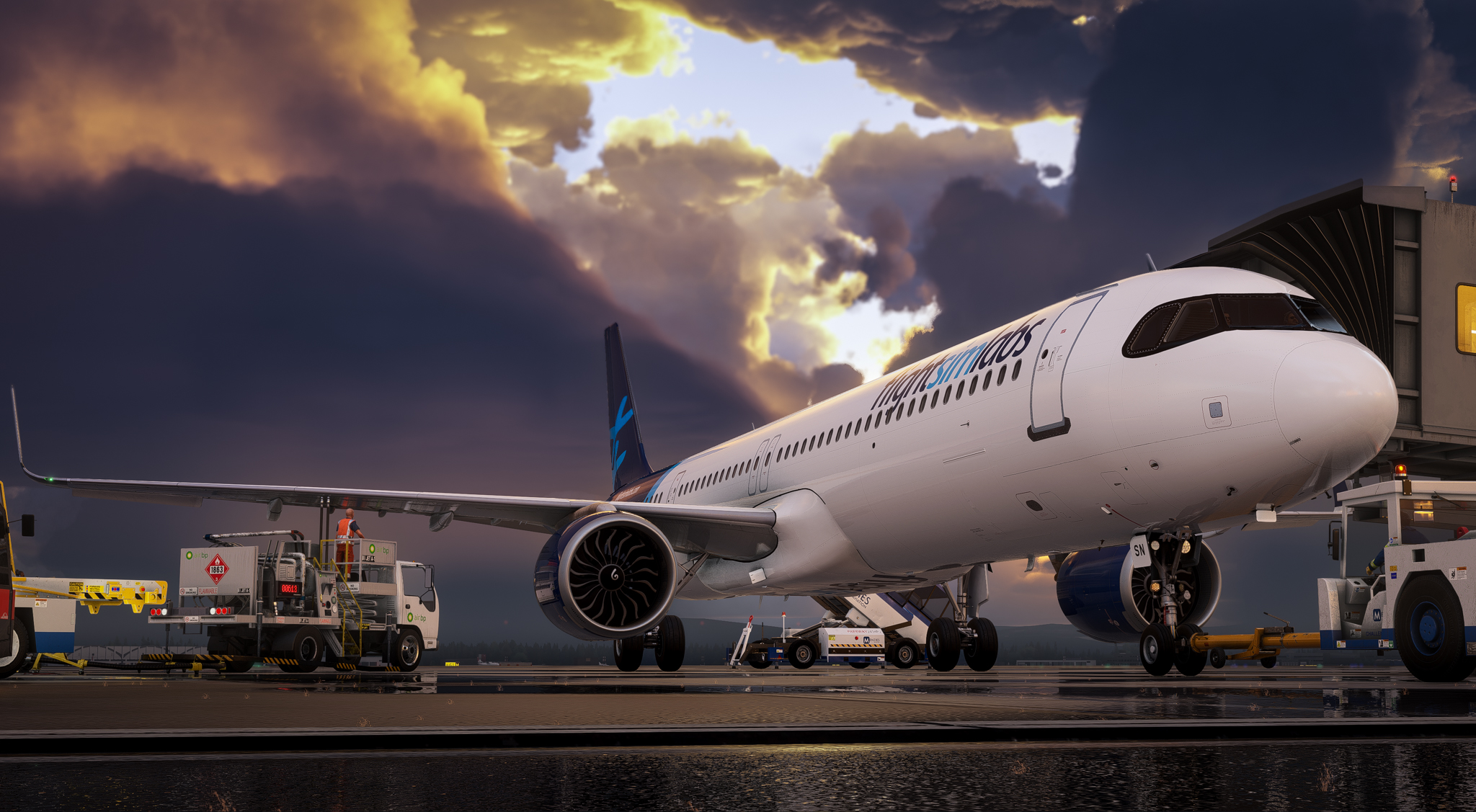
Flight Sim Labs is proud to announce the release of our Pratt & Whitney powered A321neo for Microsoft Flight Simulator. This highly anticipated free update to the A321neo product line brings a new level of authenticity, delivering a fully modeled Pratt & Whitney GTF engine variant alongside major system enhancements, visual upgrades, and significant performance gains. Developed with the same uncompromising attention to detail that defines our products, this release further elevates realism, immersion, and operational depth for MSFS 2020/2024 users. This update is available now through the Flight Sim Labs Control Center in the Experimental Channel.
Advanced Engine Modelling and FMGS Enhancements
Built on an extensively refined simulation platform, our A321neo features custom engine modelling, advanced FADEC logic with dual engine cooling simulation, and updated performance characteristics that accurately reflect the unique behaviour of the Pratt & Whitney power plant. This release is further strengthened by new FMGS capabilities introduced as part of our ongoing effort to expand system depth and functionality.
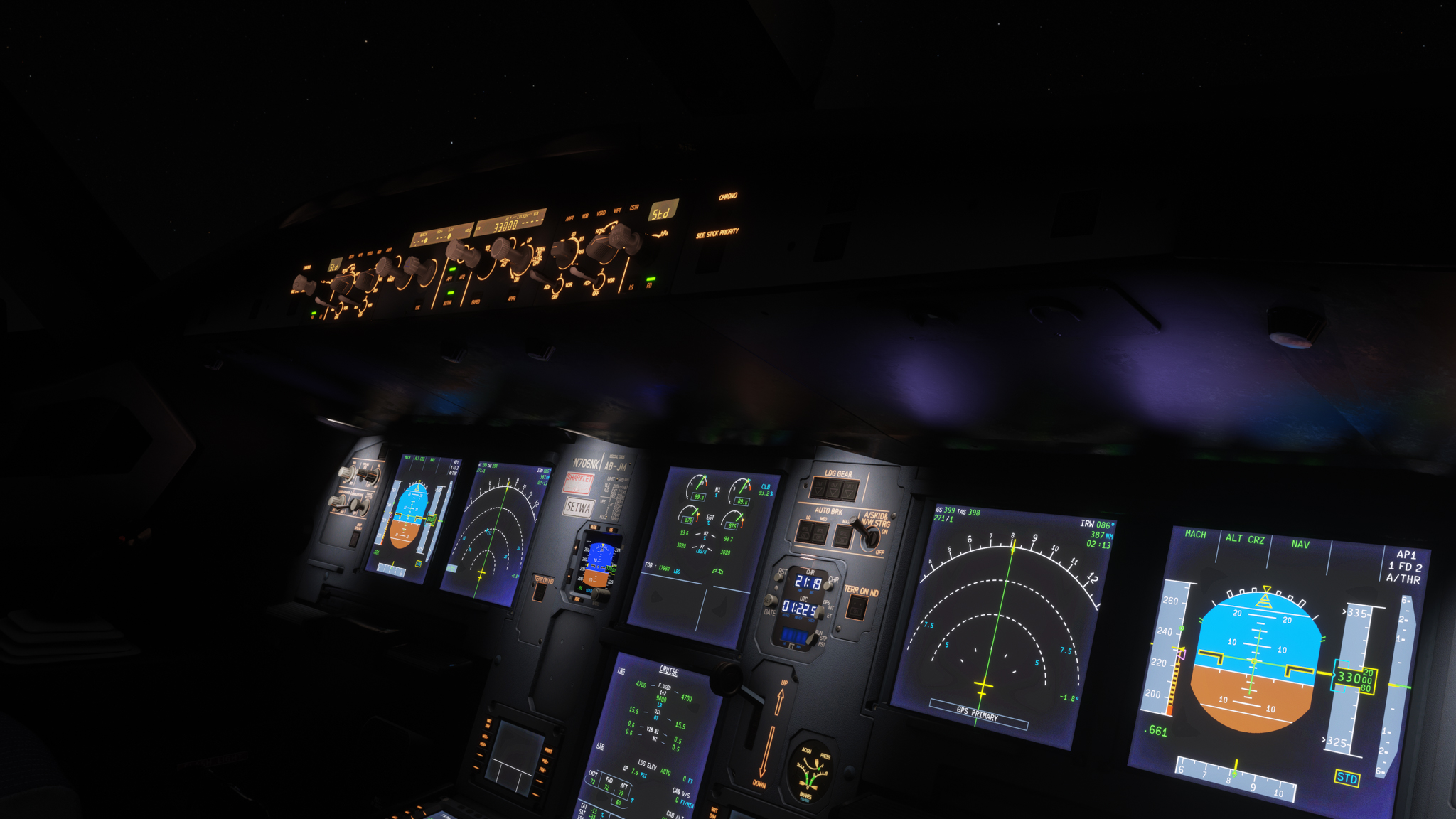
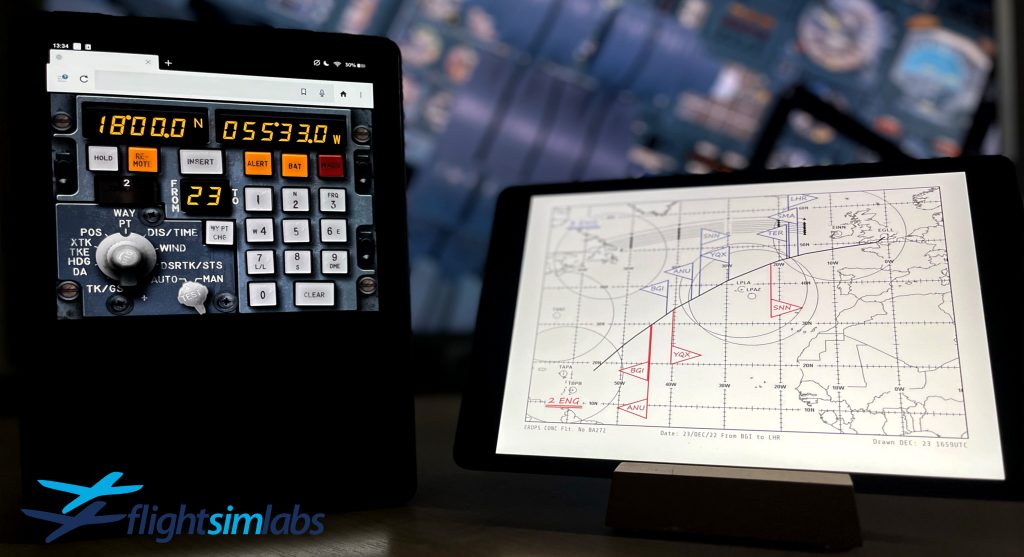
A major highlight of this update is the introduction of full Equal Time Point (ETP) simulation, featuring sequenced ETP calculation, wind-aware prediction logic, automatic re-initialization on load, corrected UTC and timing behaviour and dynamic recalculation based on aircraft performance and route progression. Enhancements such as AC-to-ETP sequencing, closest airport integration, improved status logic and robust handling of abnormal conditions ensure that long range and remote area operations can now be planned and monitored with a high degree of operational realism.

Comprehensive Flight Management System Refinements
Alongside ETP, this update delivers a comprehensive series of FMGS refinements across flight planning, fuel management, vertical navigation and route editing. Holding pattern logic has been extensively reworked, introducing computed and last exit functionality, improved time and distance validation, corrected fuel and time predictions and more robust handling when position data is unavailable.
Fuel prediction and performance pages have been enhanced with revised MIN DEST EFOB logic, improved alternate fuel handling, better unit management, and synchronization between both FMGCs, ensuring greater consistency and operational accuracy throughout all flight phases.
Enhanced Route Editing and Navigation Management
Lateral and vertical revision pages have also received major attention, with improved waypoint handling, corrected constraint formatting, refined DIR TO logic, enhanced airway and manual waypoint validation, and the elimination of long standing “ghost page” and input handling issues.
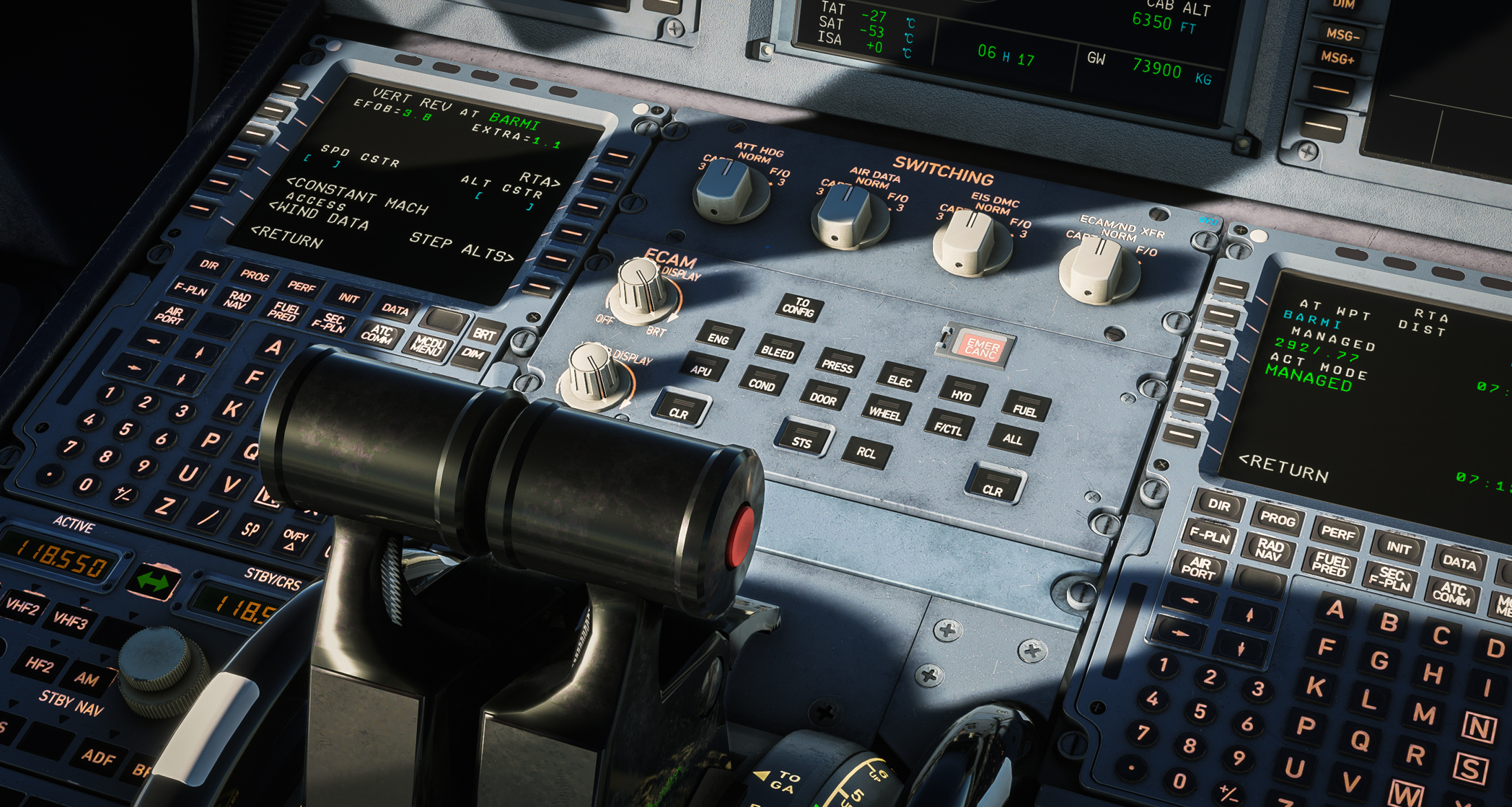
Constant Mach, RTA, and step altitude functionality has been expanded and stabilized, while progress reporting, time management, and prediction logic has been refined to reflect real world system behaviour more closely. Numerous cosmetic and layout corrections across MCDU pages further improve usability, readability, and procedural authenticity.
Together, these improvements represent a substantial step forward in FMGS fidelity, reliability, and day-to-day usability. This work also lays the foundation for our next major navigation enhancement, with Flight Management Landing System (FLS) integration already in active development.
A Completely Rebuilt Cabin Environment
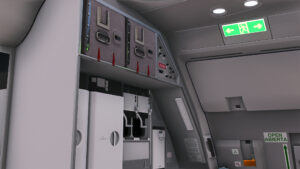
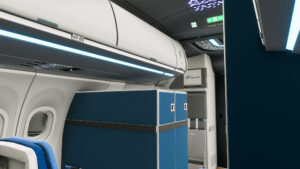
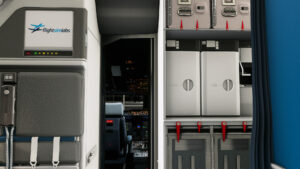
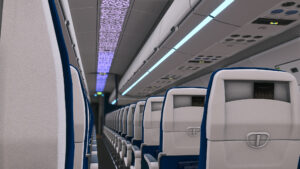
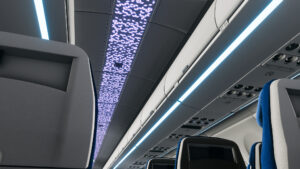
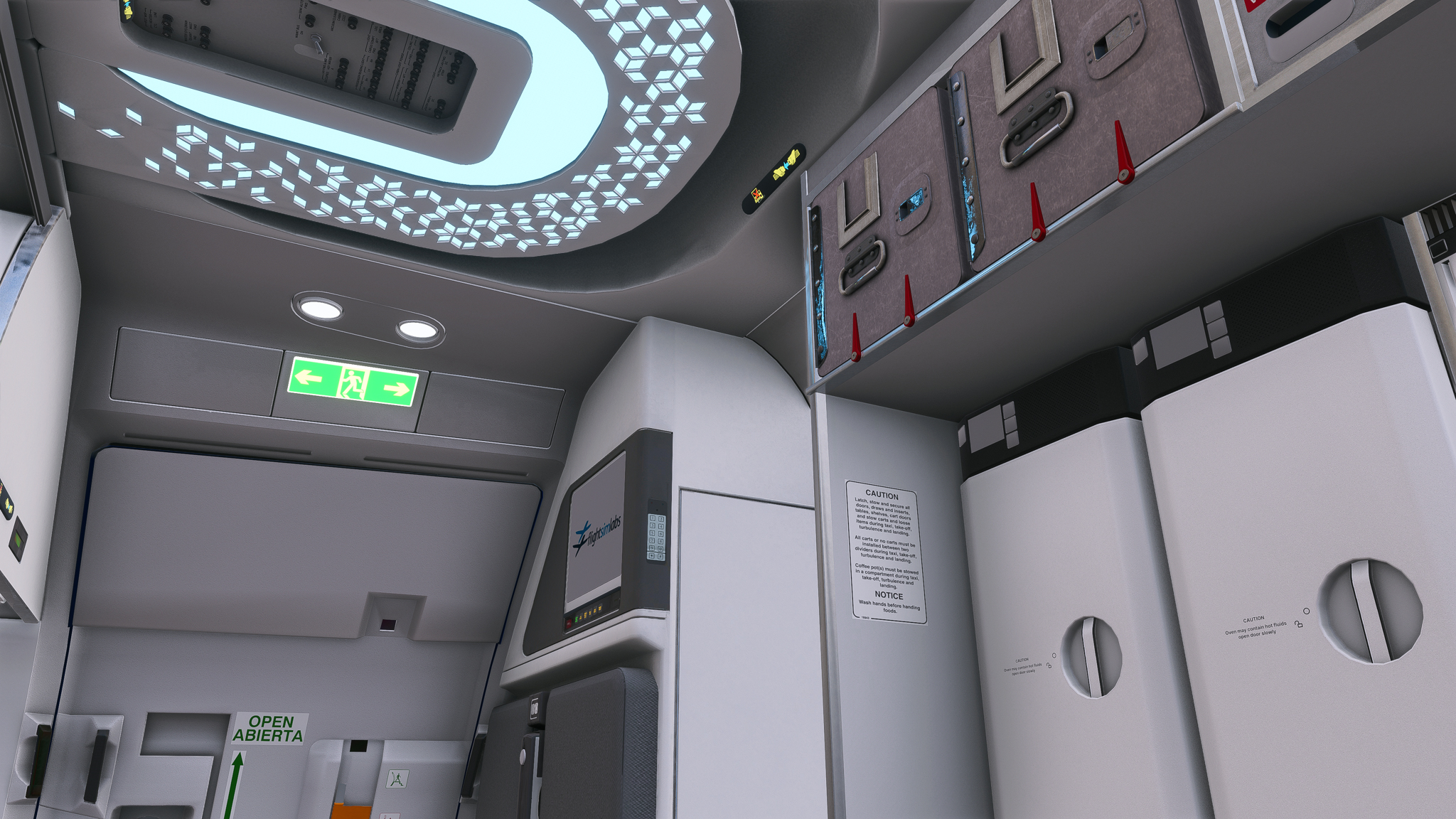
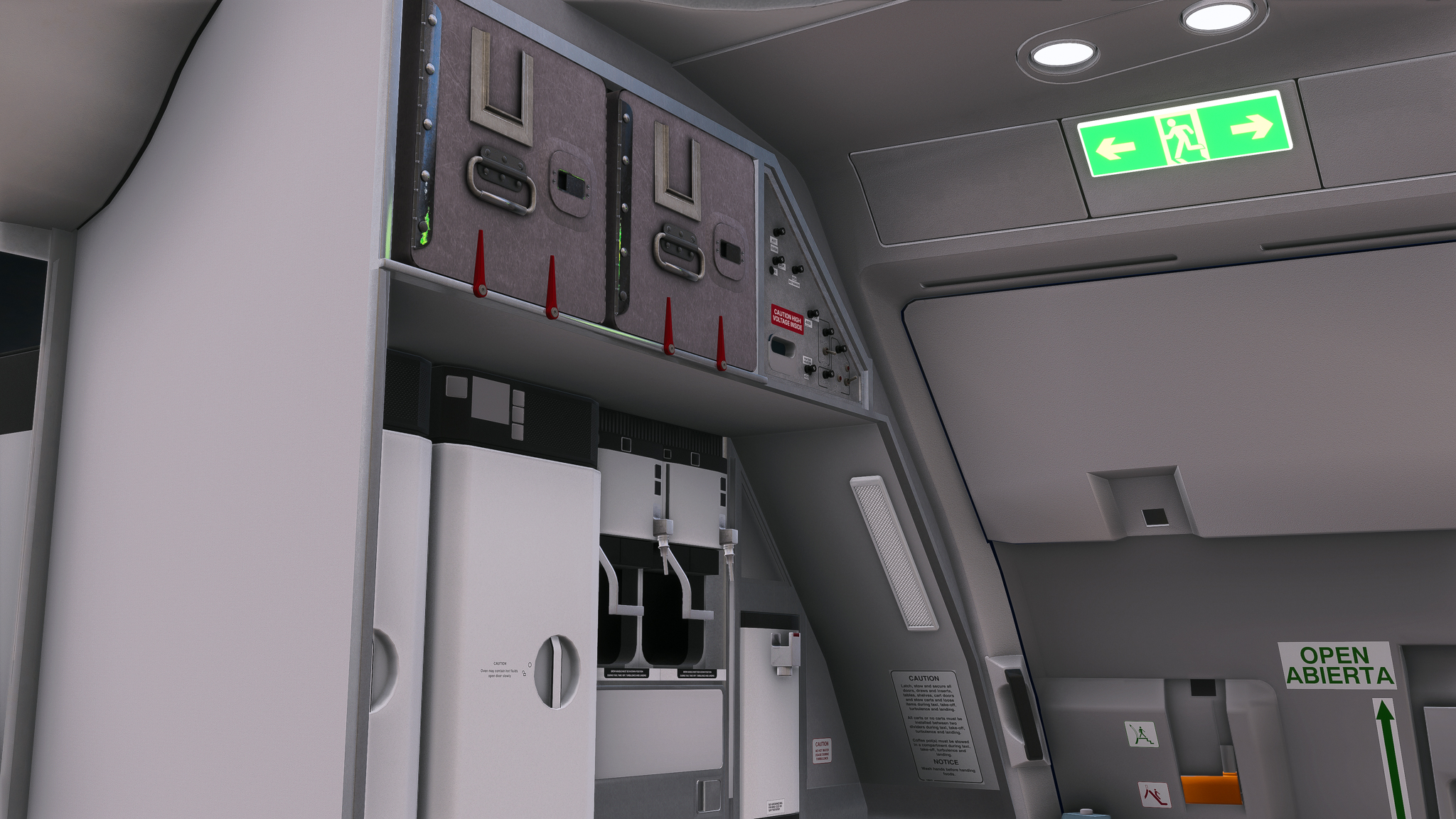
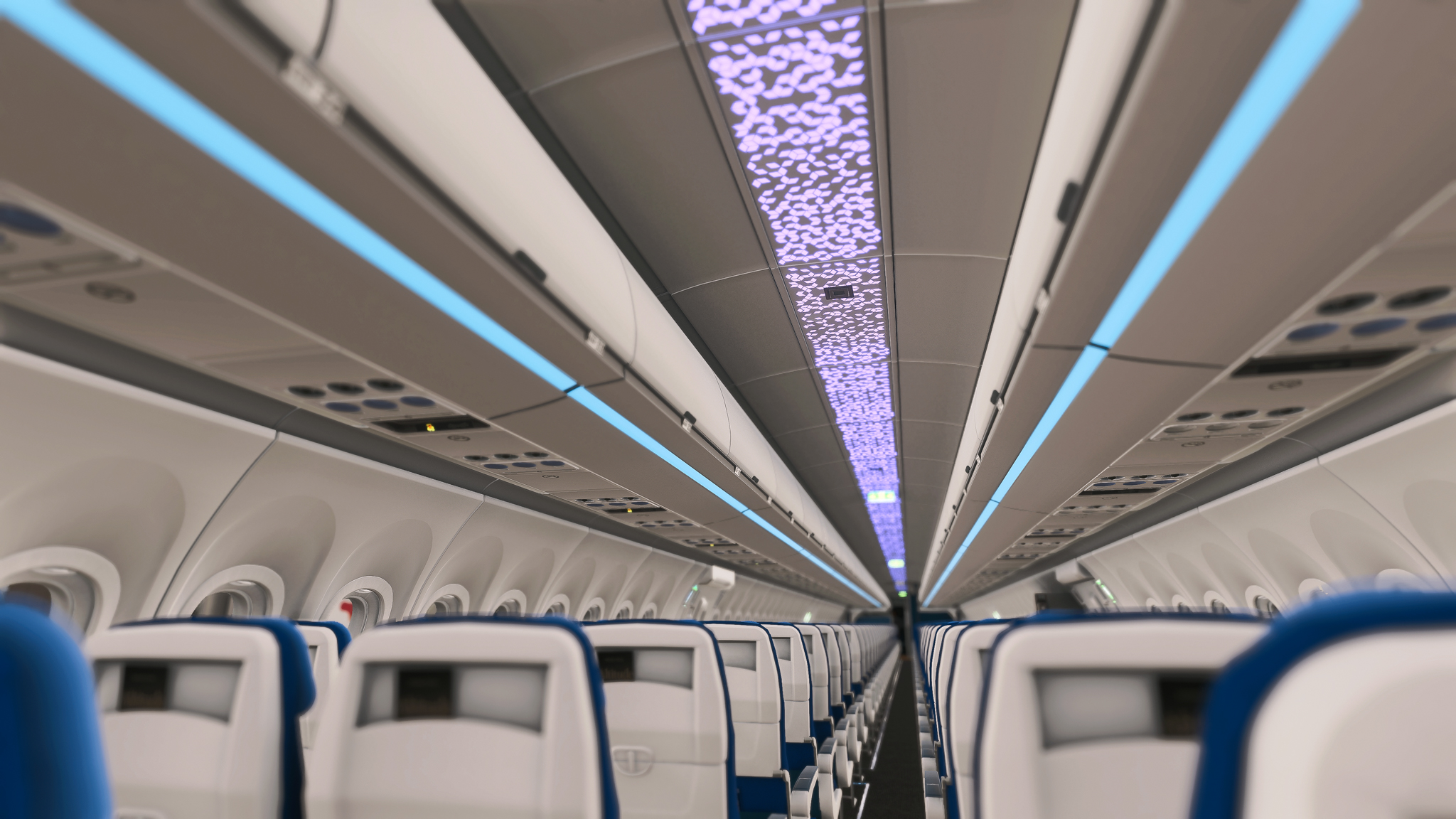
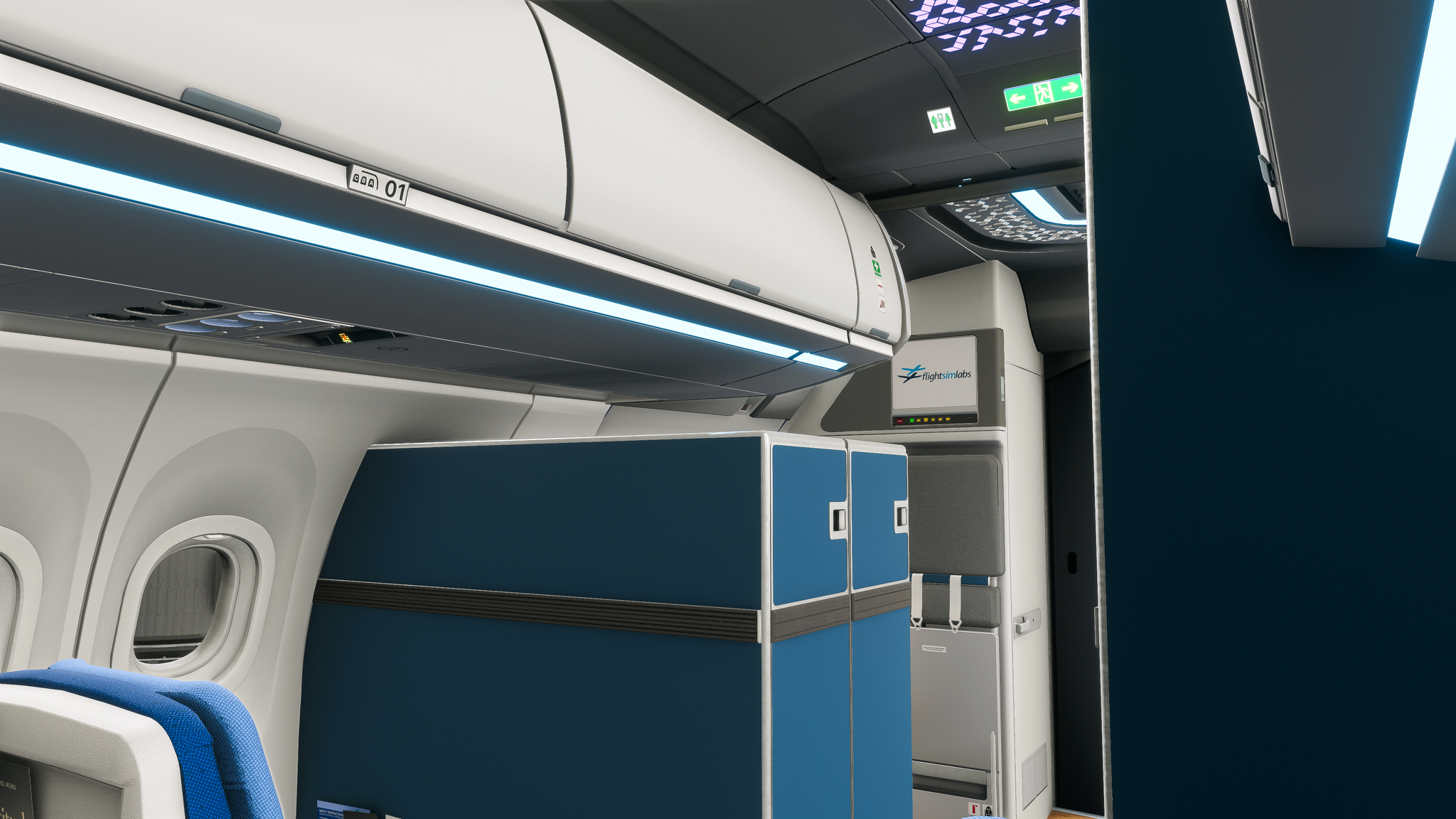
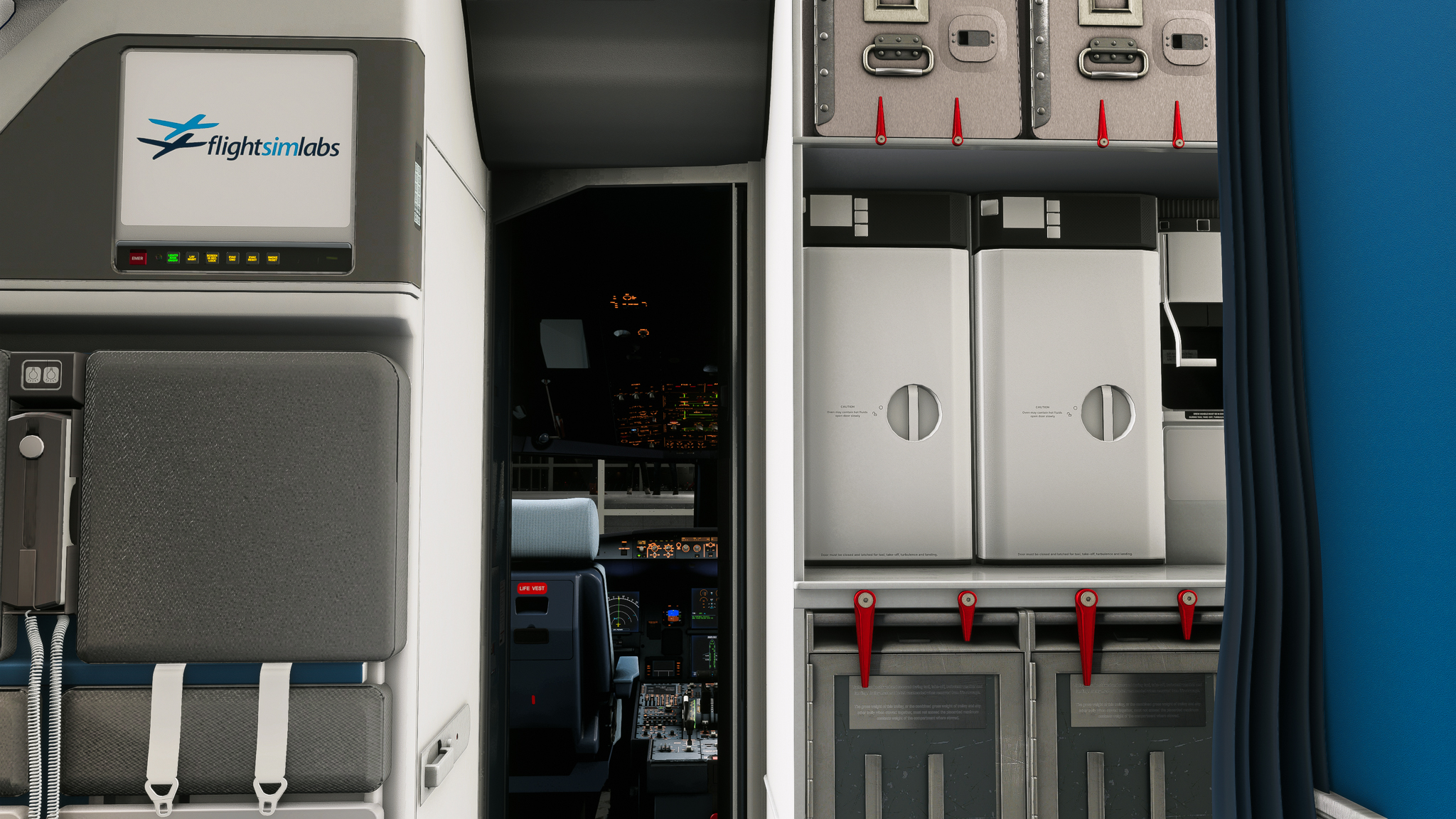
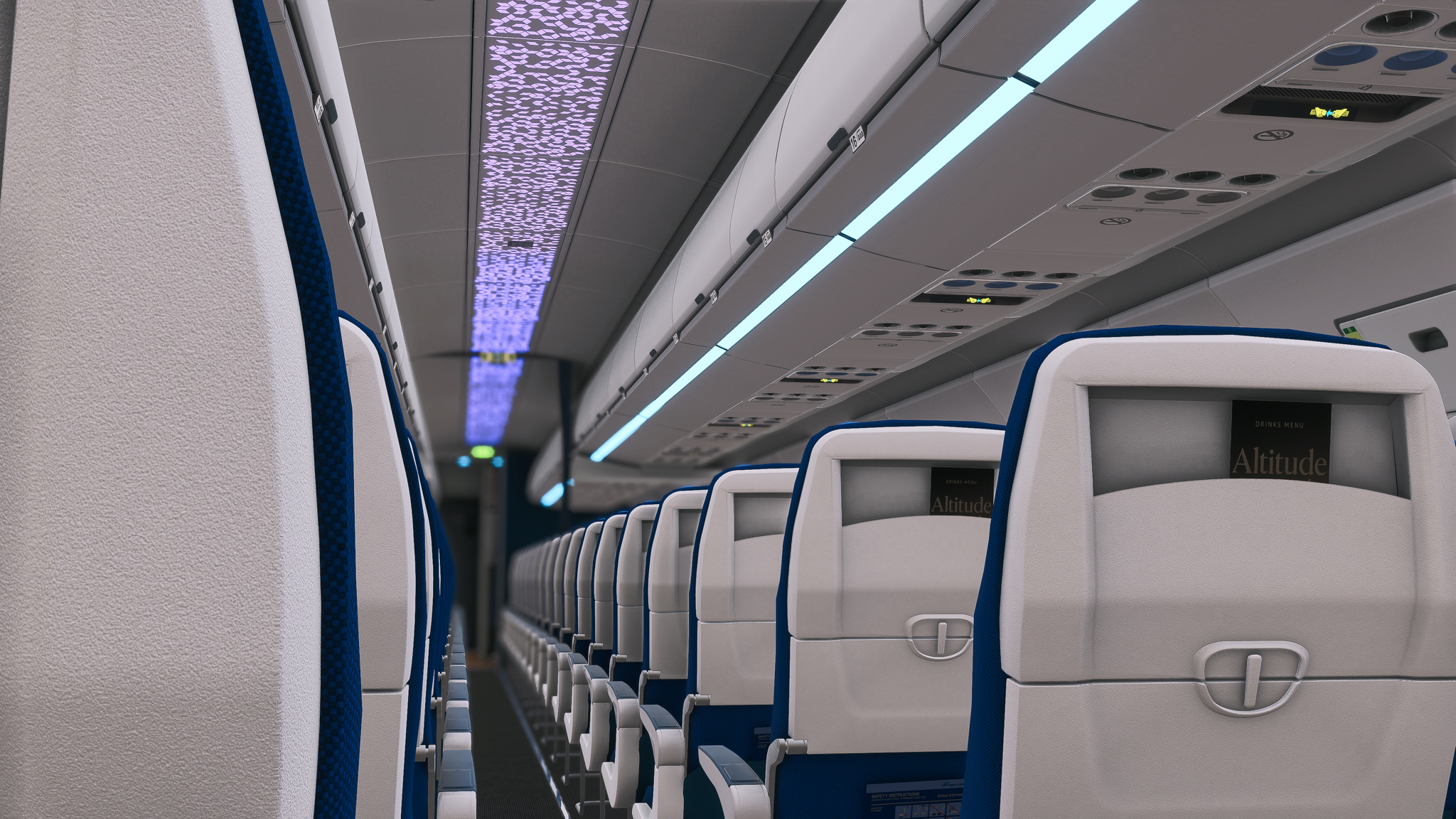
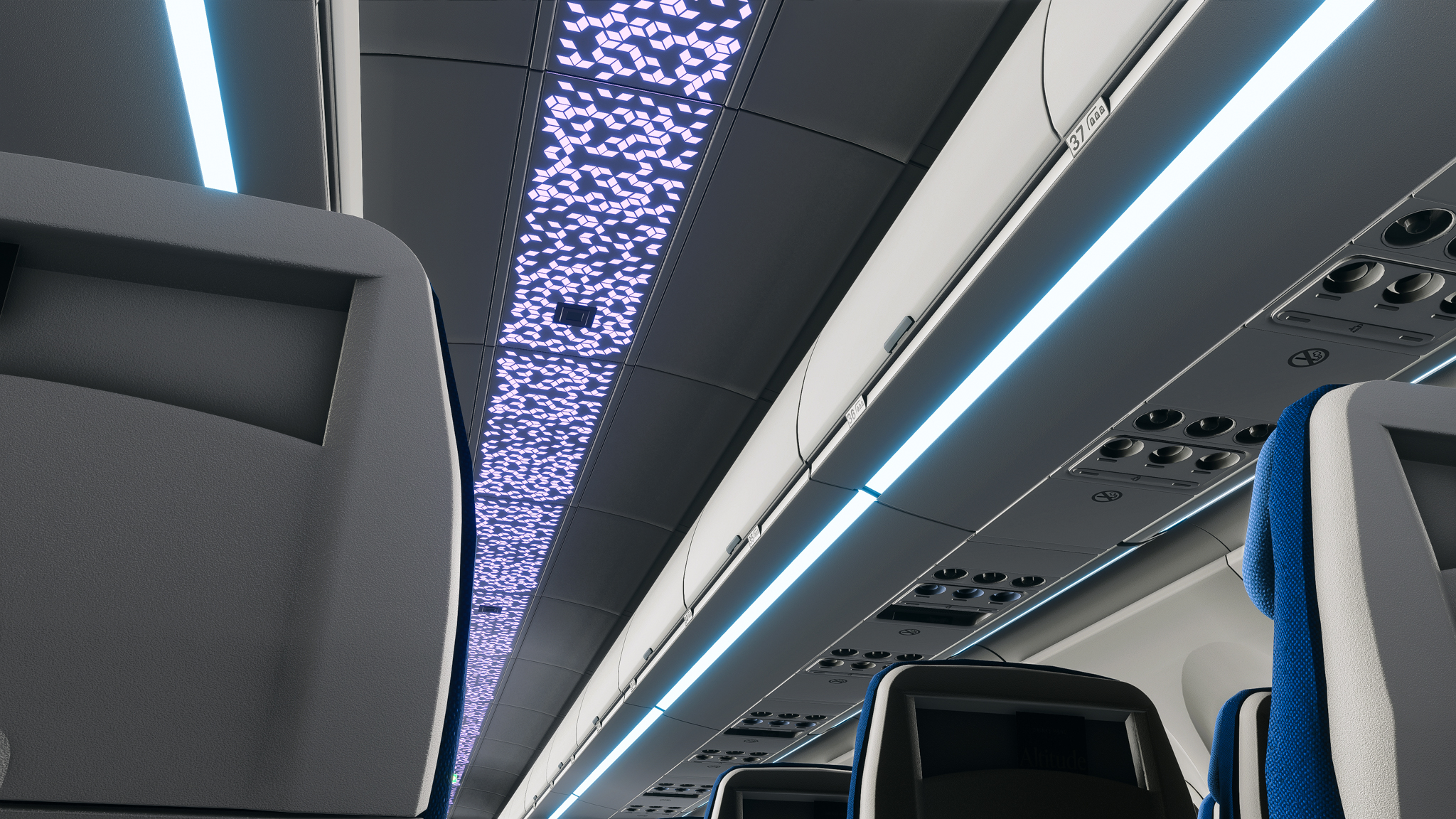
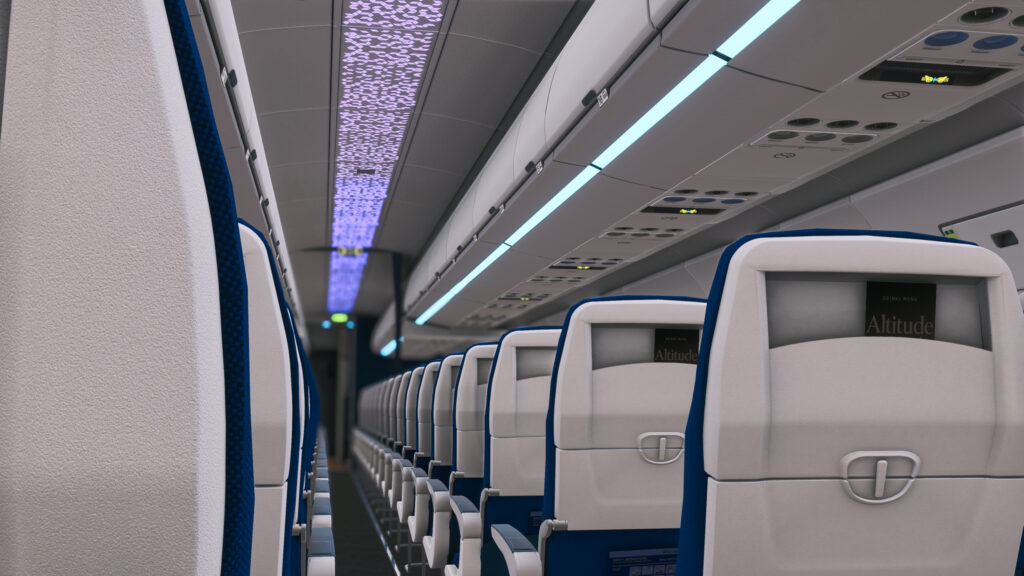
Complementing the advanced systems and performance enhancements, the A321neo now features a completely rebuilt cabin environment, developed from the ground up to deliver a new standard of immersion.
The new interior is rendered with high-resolution textures and accurate A321 N and NX cabin layouts, including detailed business class configurations. Animated window blinds, customized lighting environments, and fully functional cabin signage bring the passenger experience to life. Enhanced reading lights, integrated in-flight entertainment systems, and realistic power transfer audio and lighting transitions further reinforce the sense of operating a living, responsive aircraft.
Situational Awareness, Traffic, and Terrain Protection
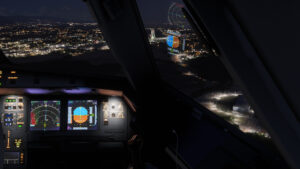
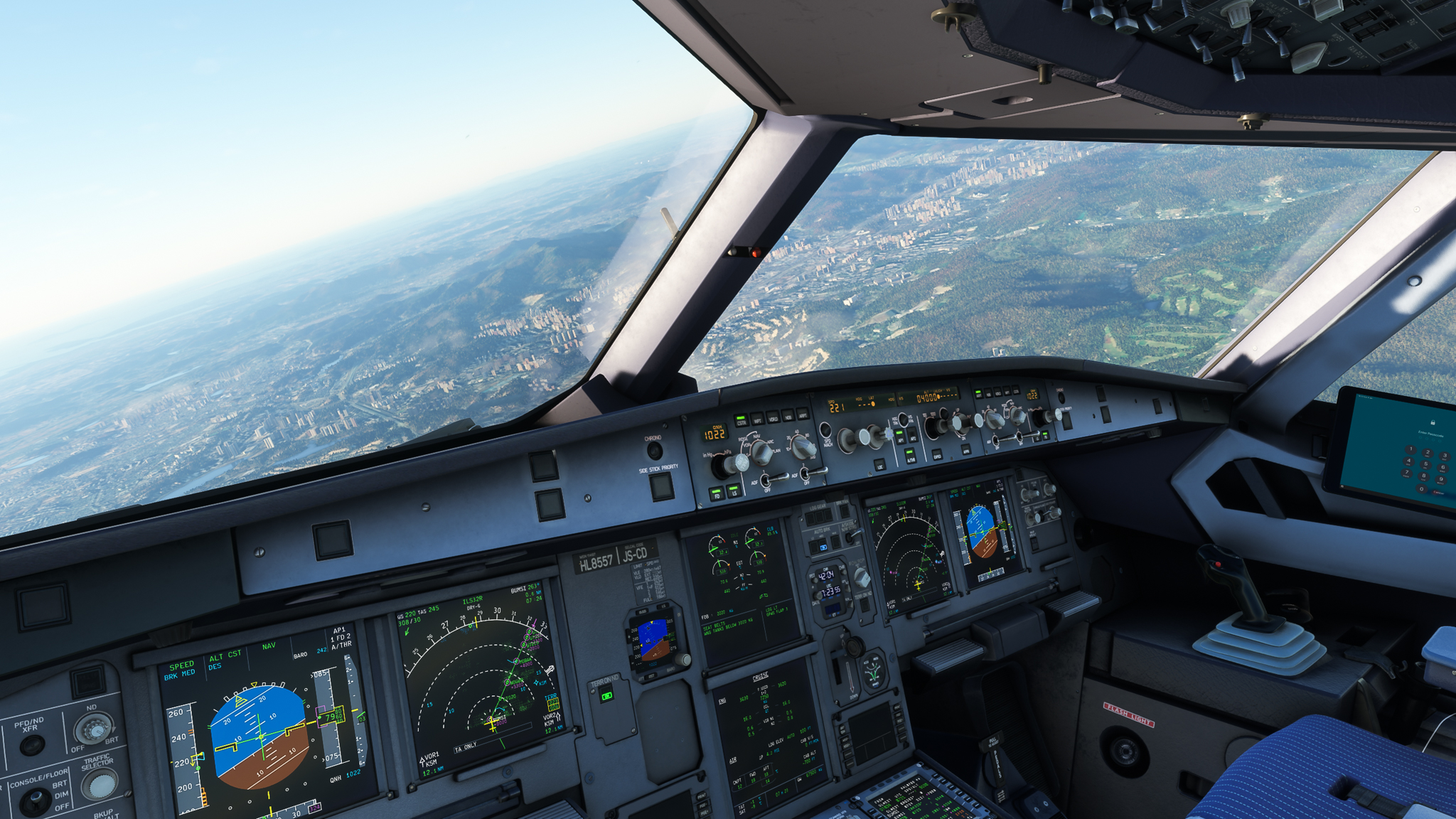
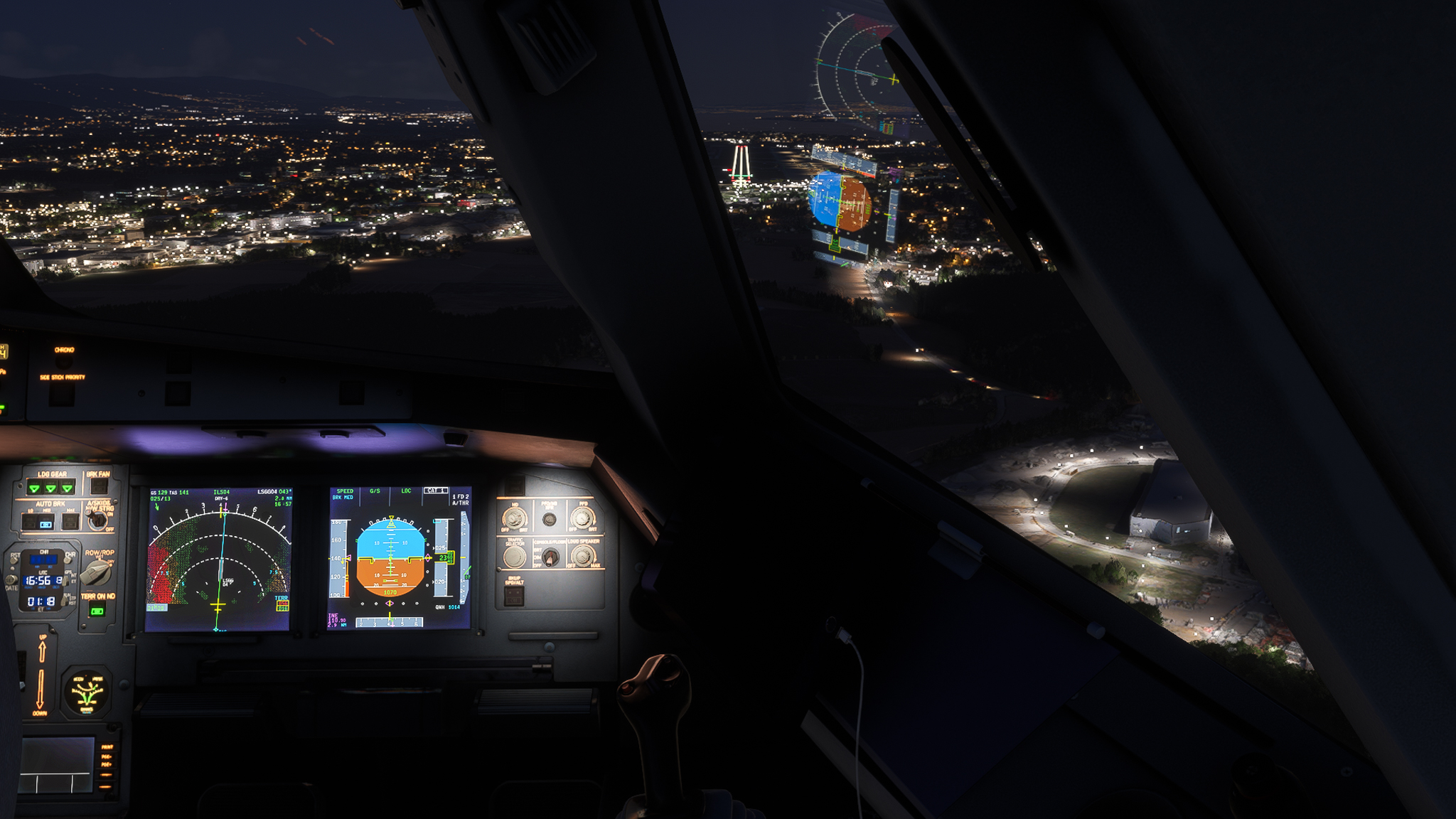
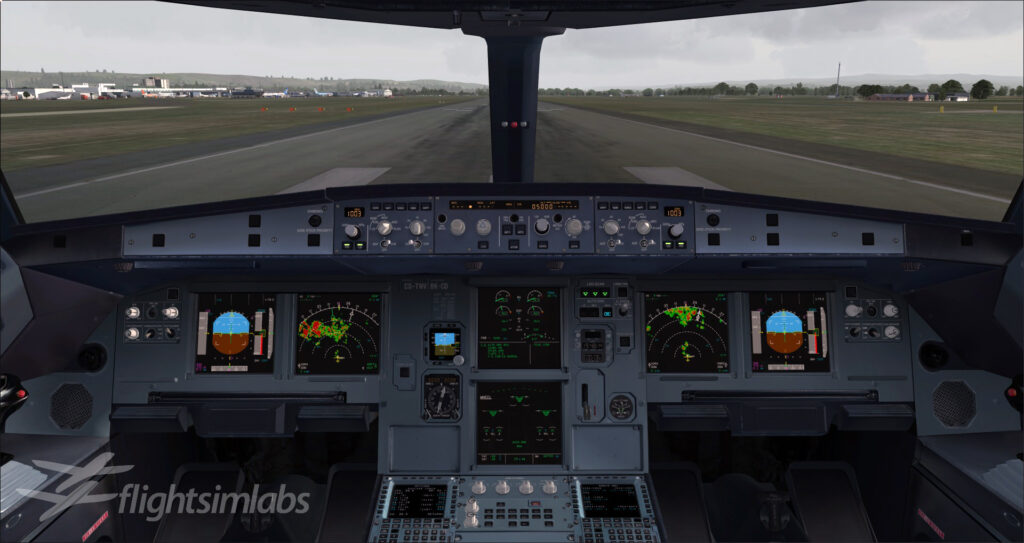
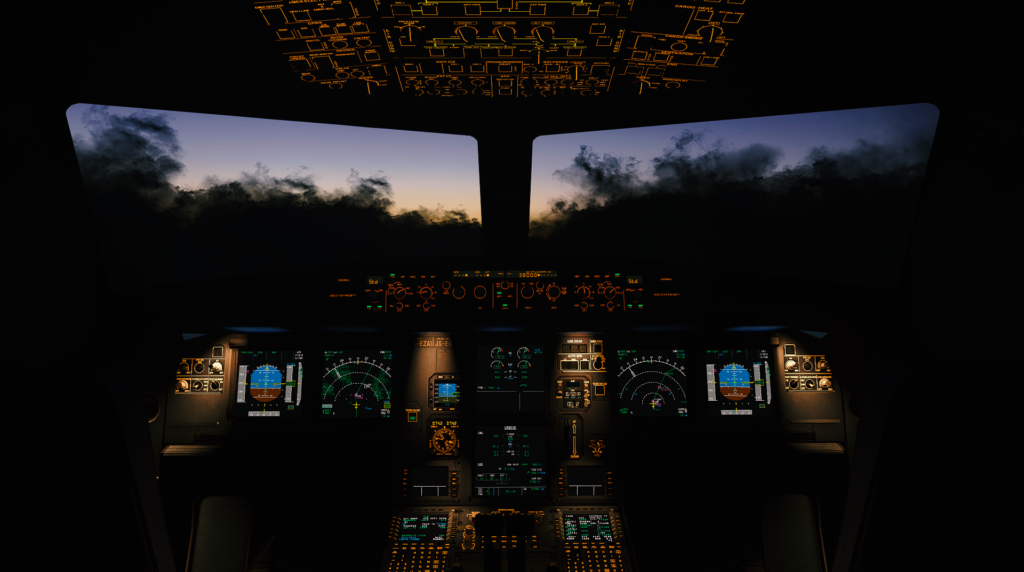
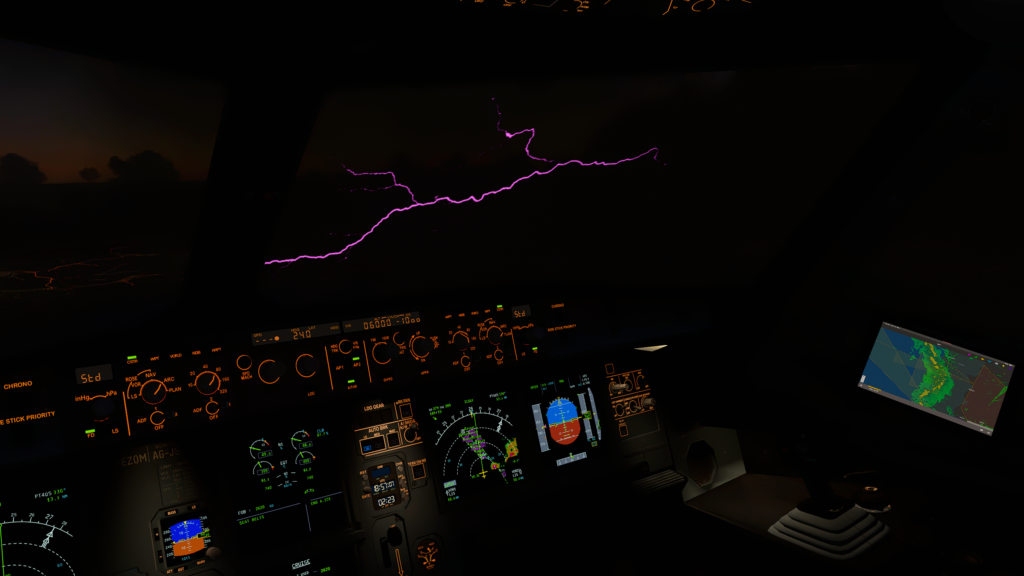
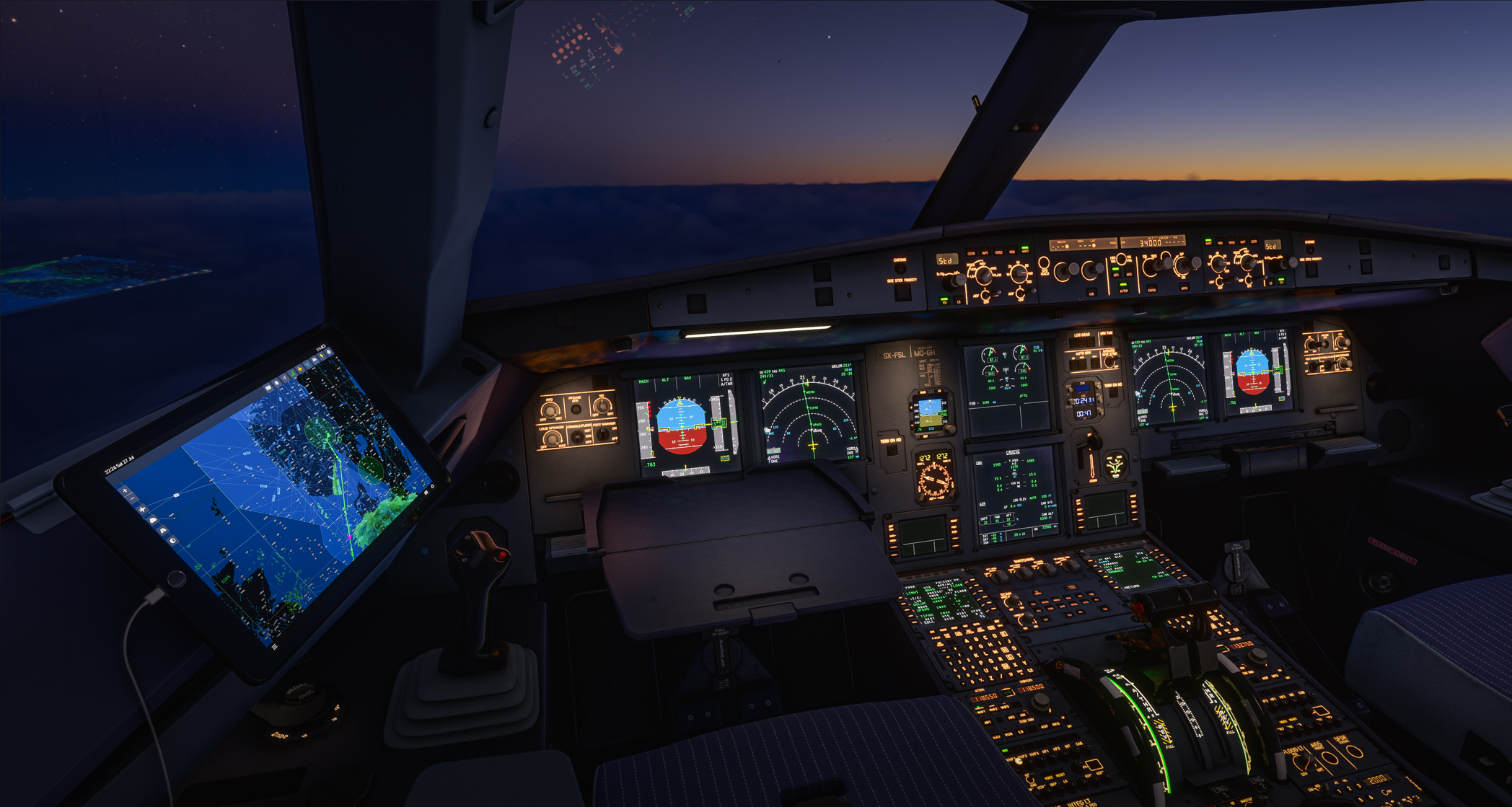
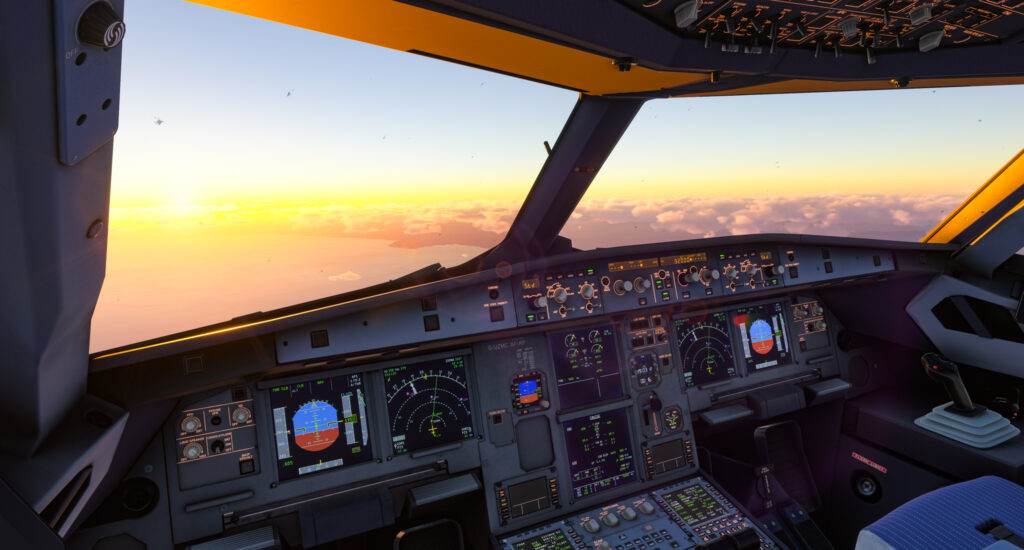
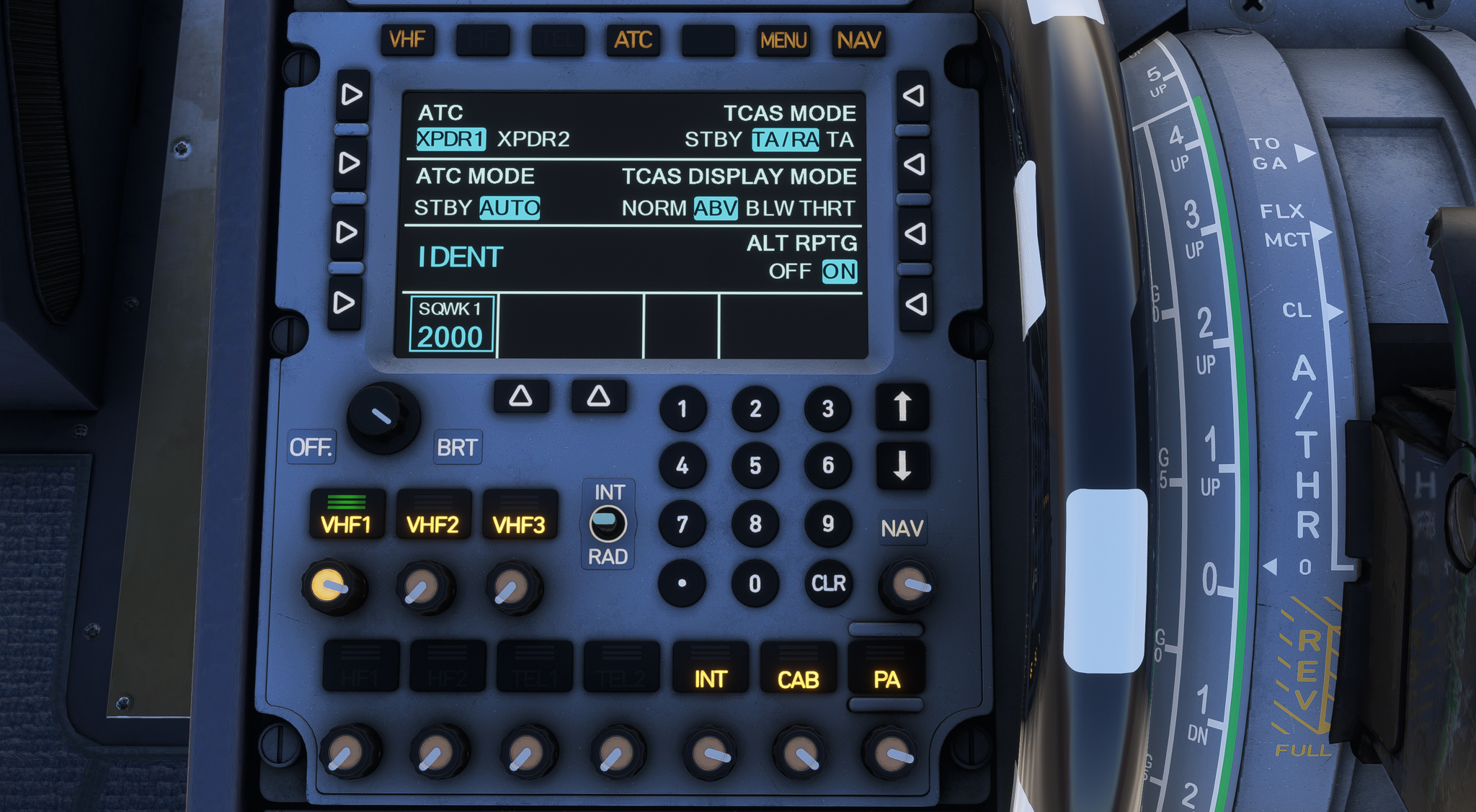
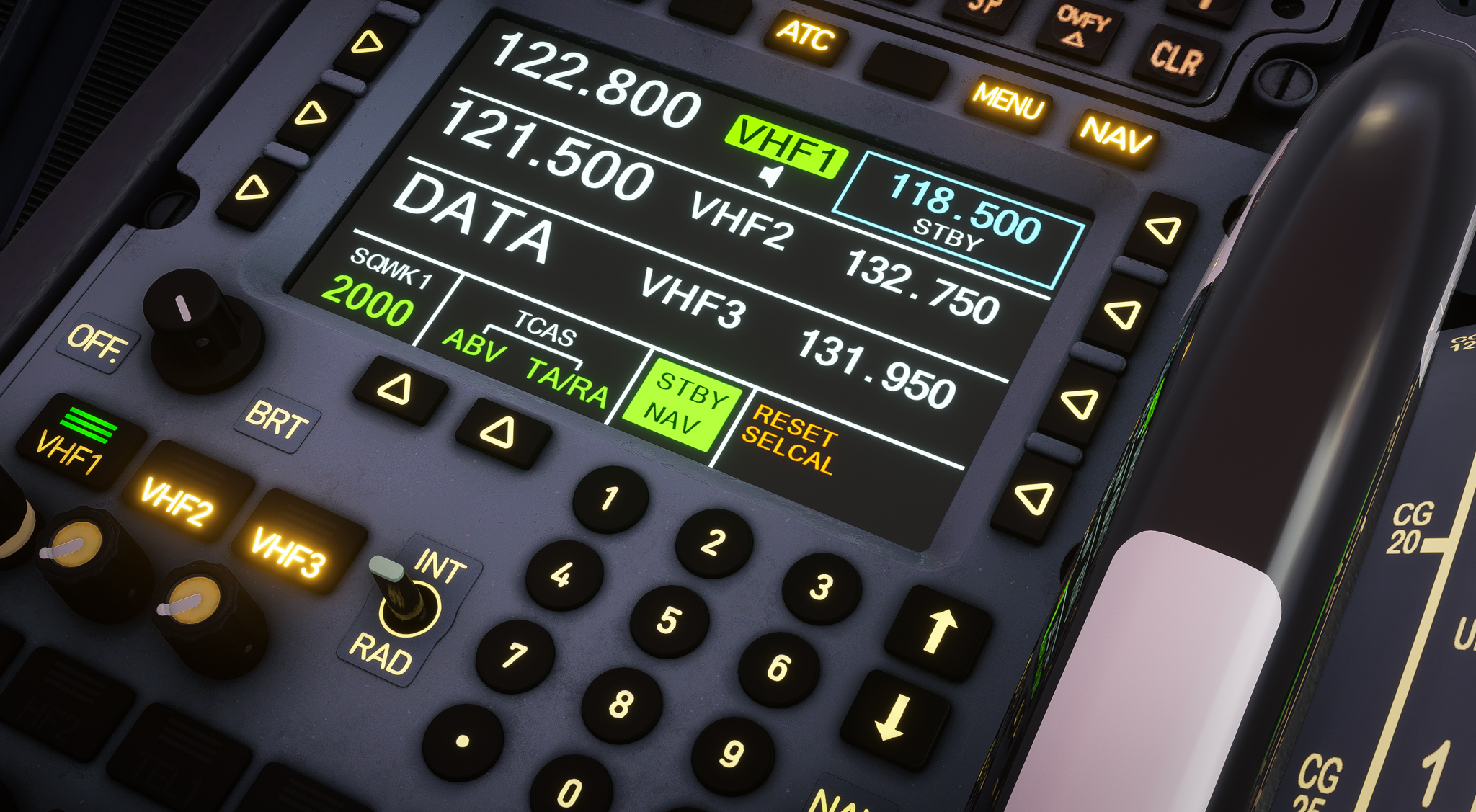
Navigation, surveillance, and traffic awareness systems have also received substantial attention, including enhanced TCAS and ATSAW integration, improved ADS-B target depiction, refined weather radar rendering, and updated DMC comparison logic.
This release also introduces full Grid MORA (Minimum Off-Route Altitude) functionality, providing terrain clearance guidance of 1,000 feet in non-mountainous regions and 2,000 feet in mountainous areas when displayed on the Navigation Display. Together, these enhancements significantly improve situational awareness and route safety during en-route operations.
Core Aircraft Systems and Systems Integration
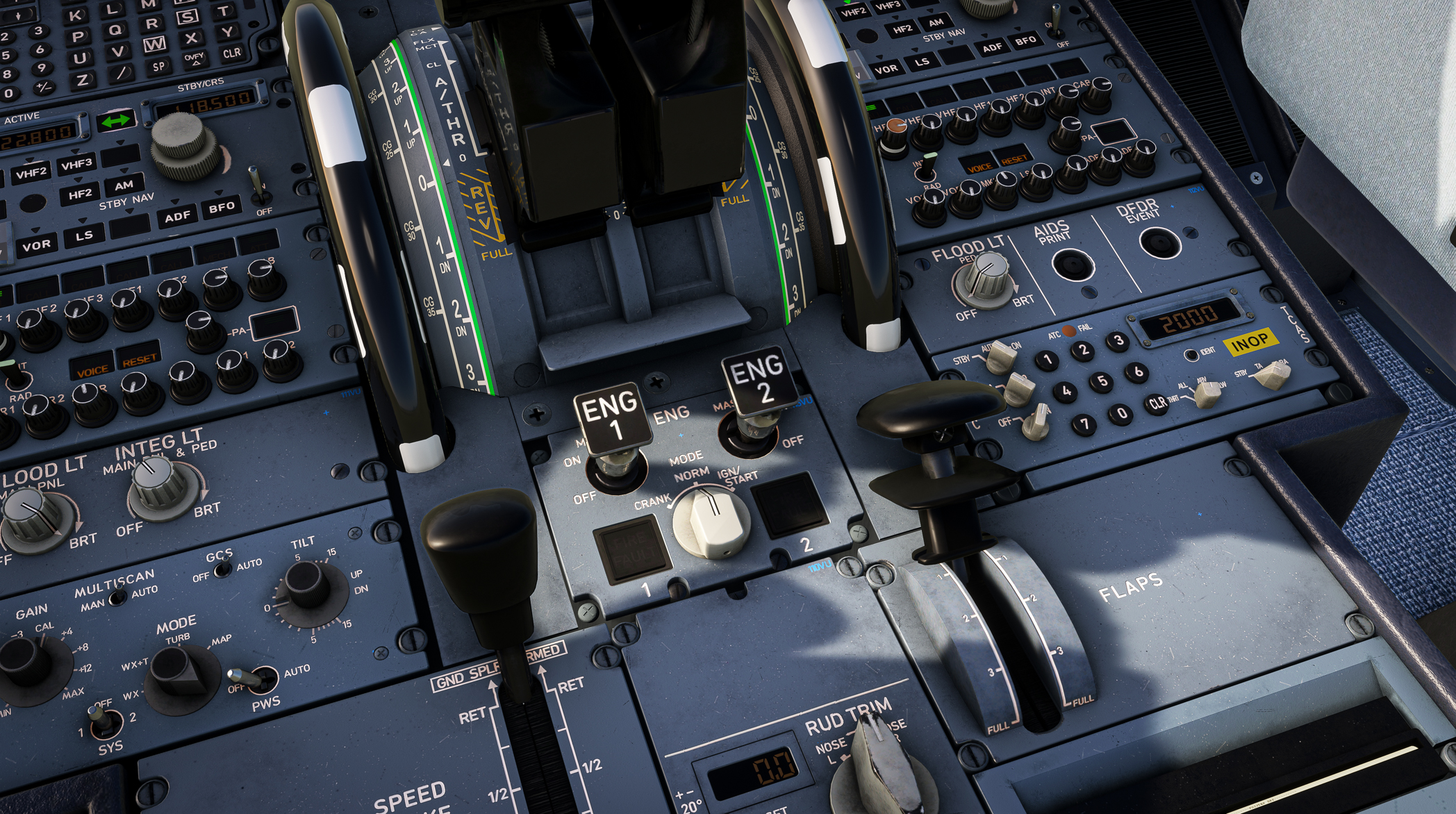
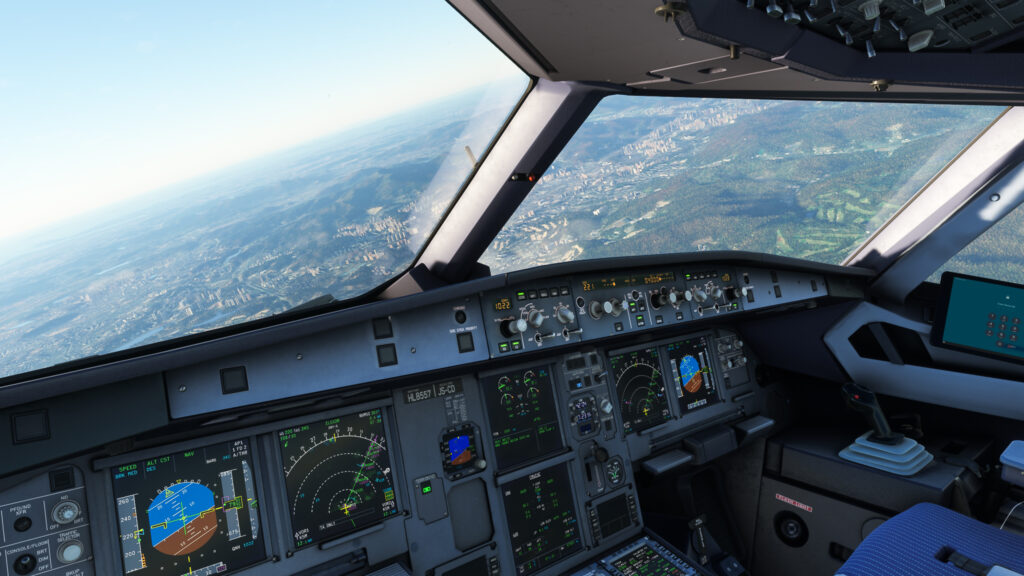
In addition to the extensive FMGS upgrades, this release introduces major improvements across the A321neo’s core aircraft systems. Engine and FADEC logic has been refined with updated start sequencing, thrust management, bleed configuration tables, and revised acceleration and breakaway behaviour, ensuring more realistic performance both on the ground and in flight.
Electrical generation, hydraulic logic, and air system interactions have been enhanced through expanded SimConnect integration and improved fault handling, while ECAM and Flight Warning Computer logic has been updated to deliver more accurate alerts, procedures, and system monitoring.
Authentic Pratt & Whitney Soundscape
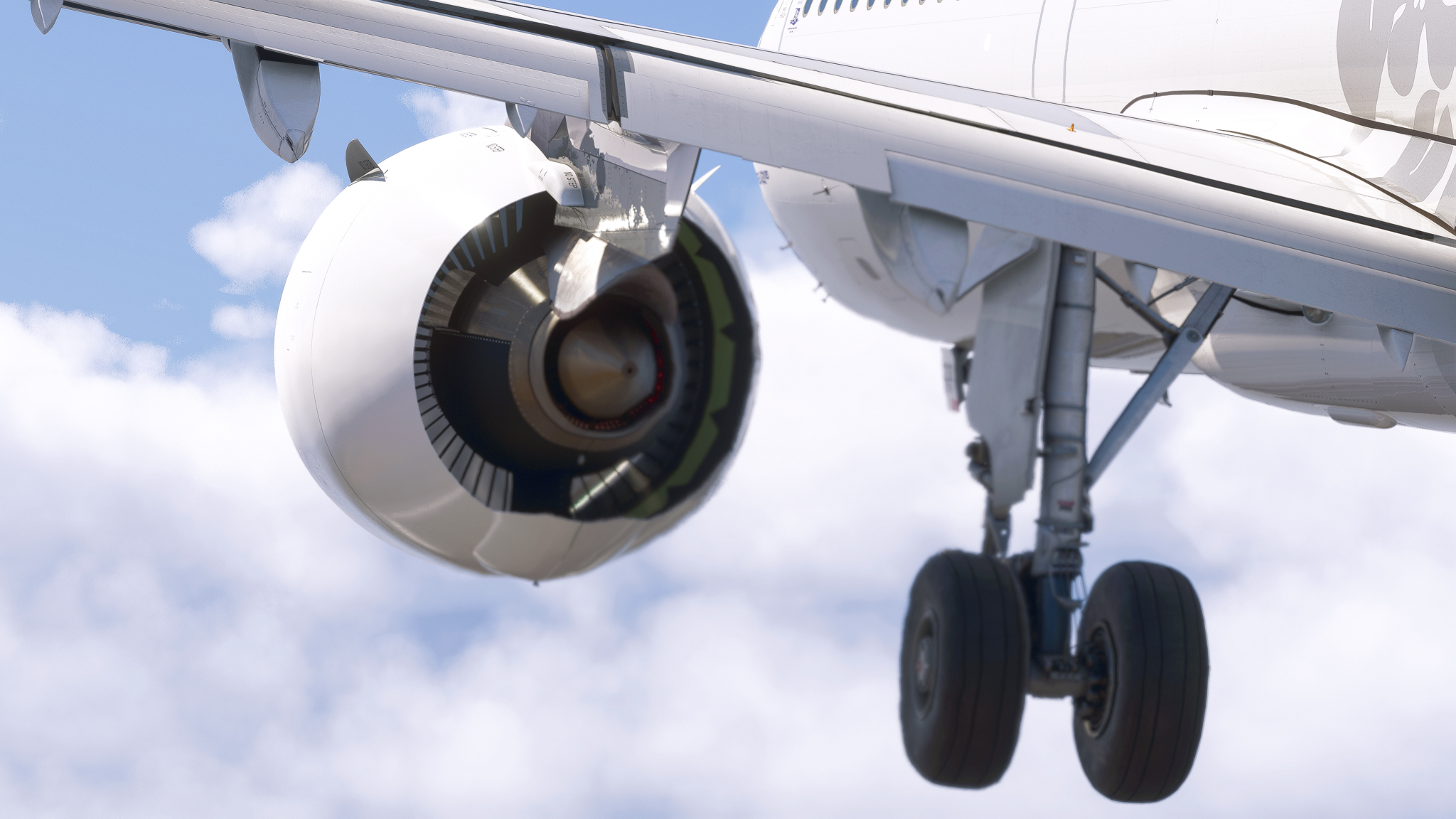
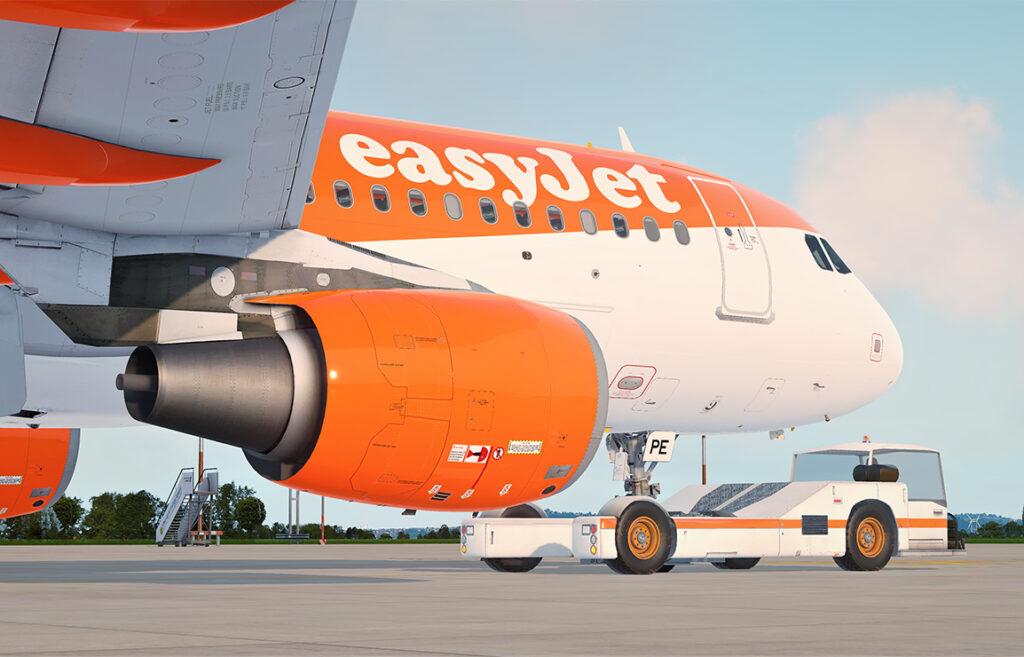
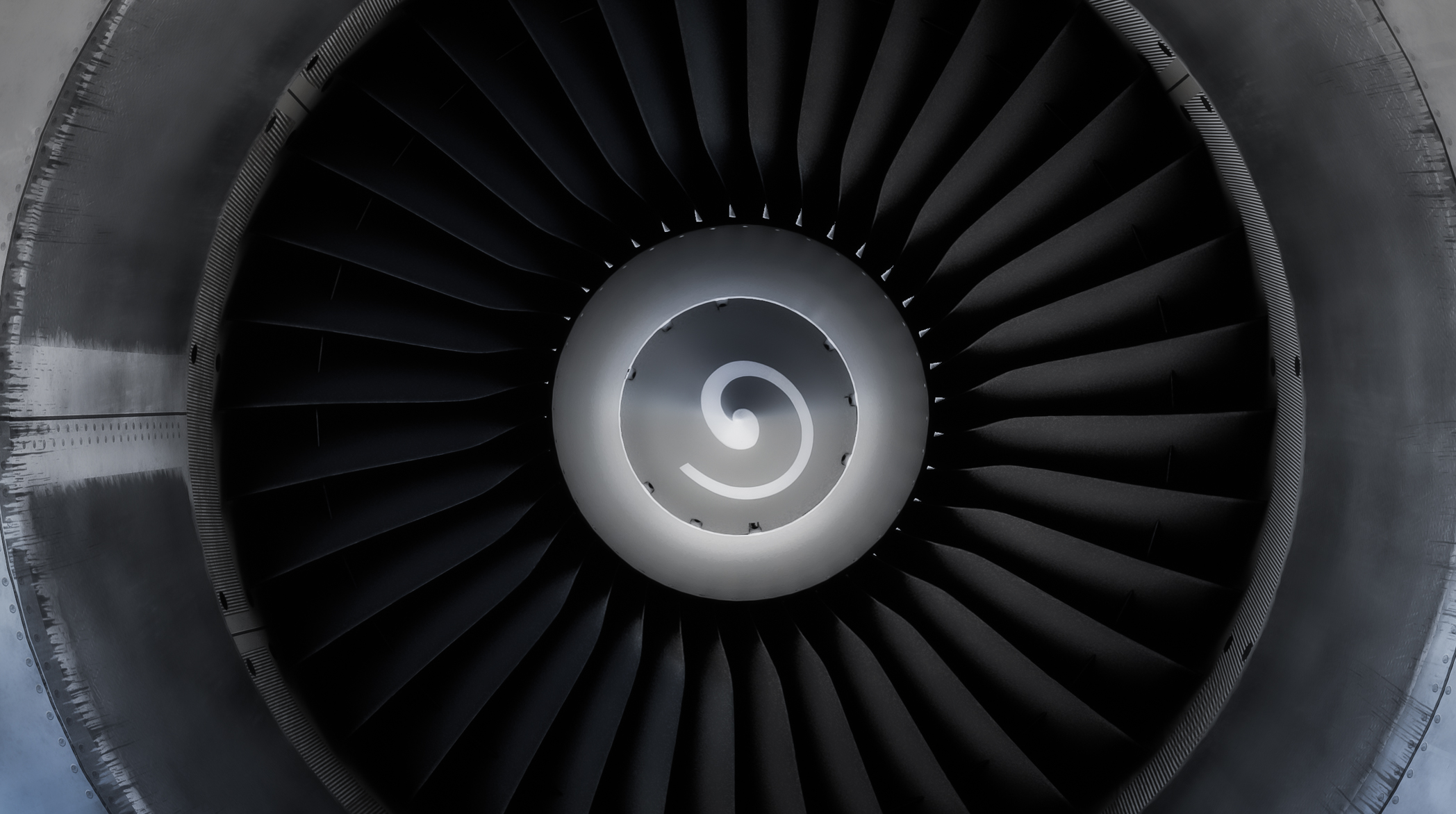
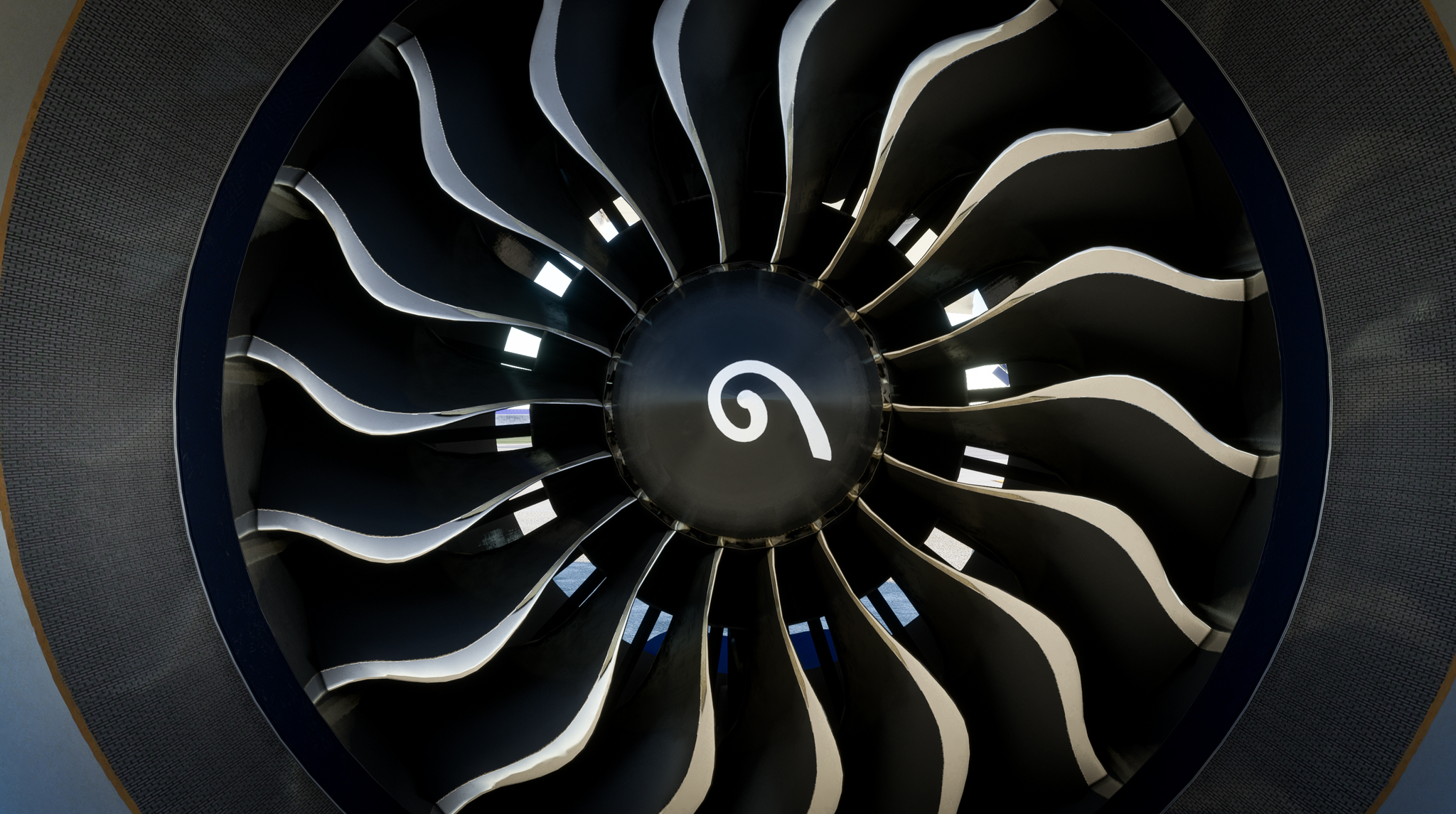
Special attention has also been given to recreating the distinctive acoustic character of the Pratt & Whitney GTF engines. Our audio team has captured and modeled the unique soundscape of the PW1100G, including its characteristic tonal transitions, spool behaviour, and the well-known “whale” sound.
From cold starts and taxi operations to climb, cruise, and shutdown, the engine audio evolves dynamically with operating conditions, integrating seamlessly with cockpit, cabin, and environmental audio layers for a deeply immersive experience.
Extensive Livery Collection and Professional Paint Kit
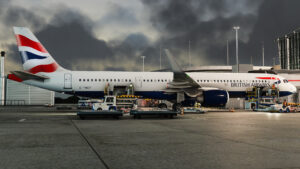
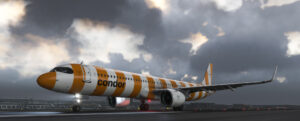
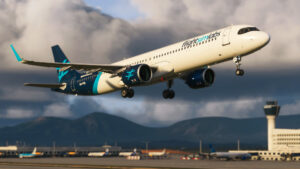
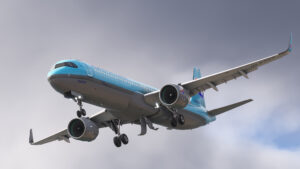
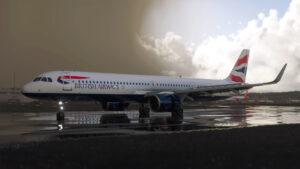
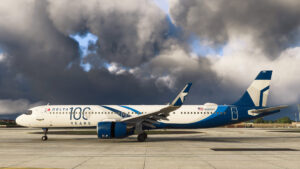
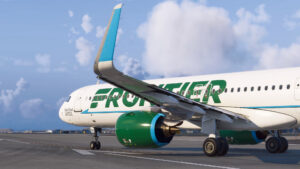
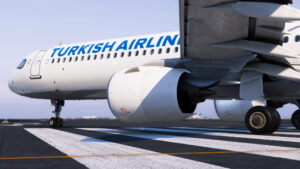
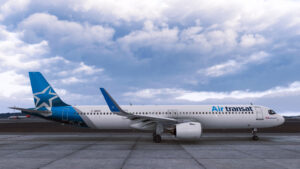
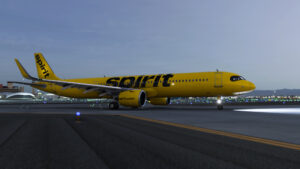
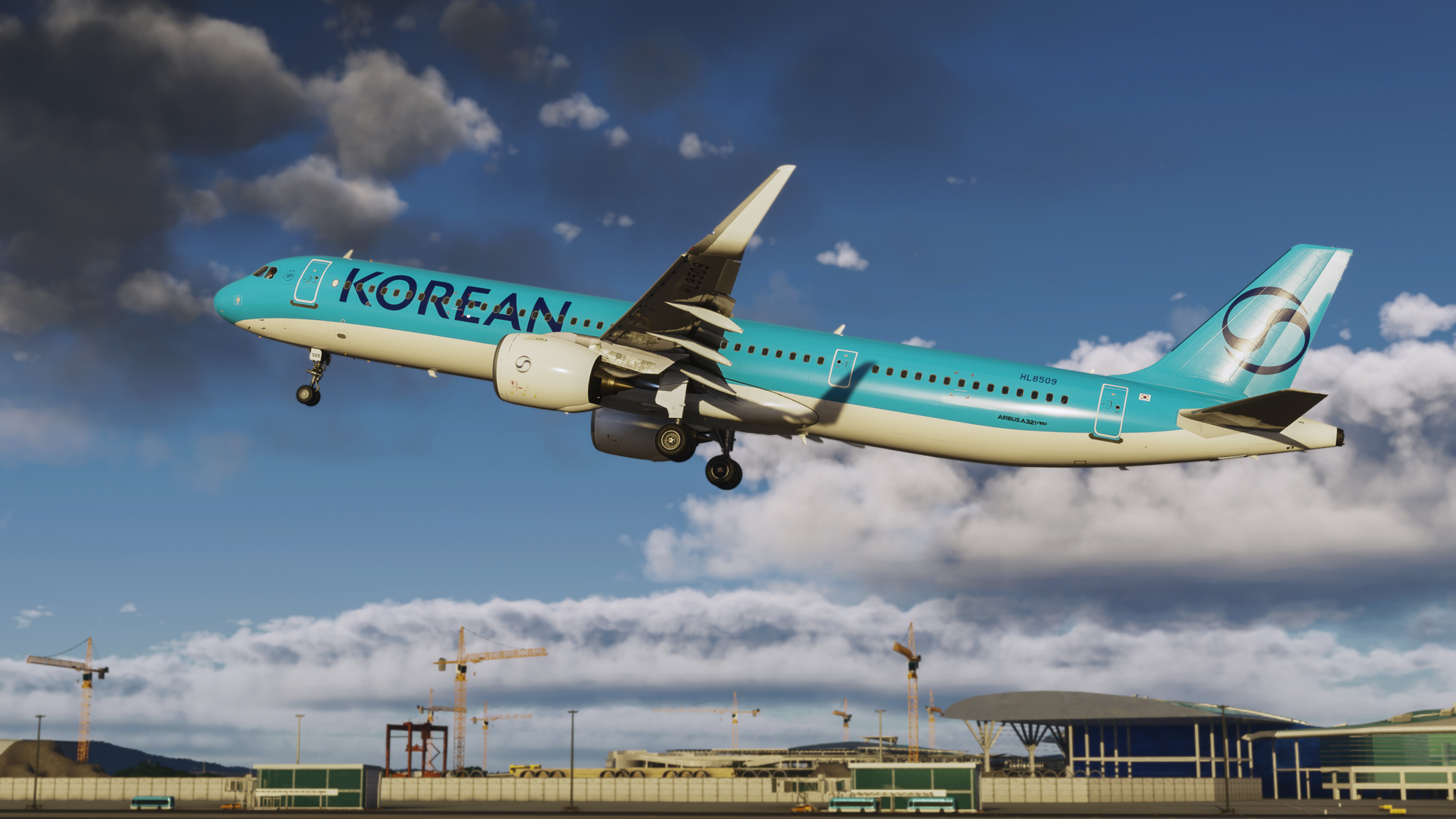
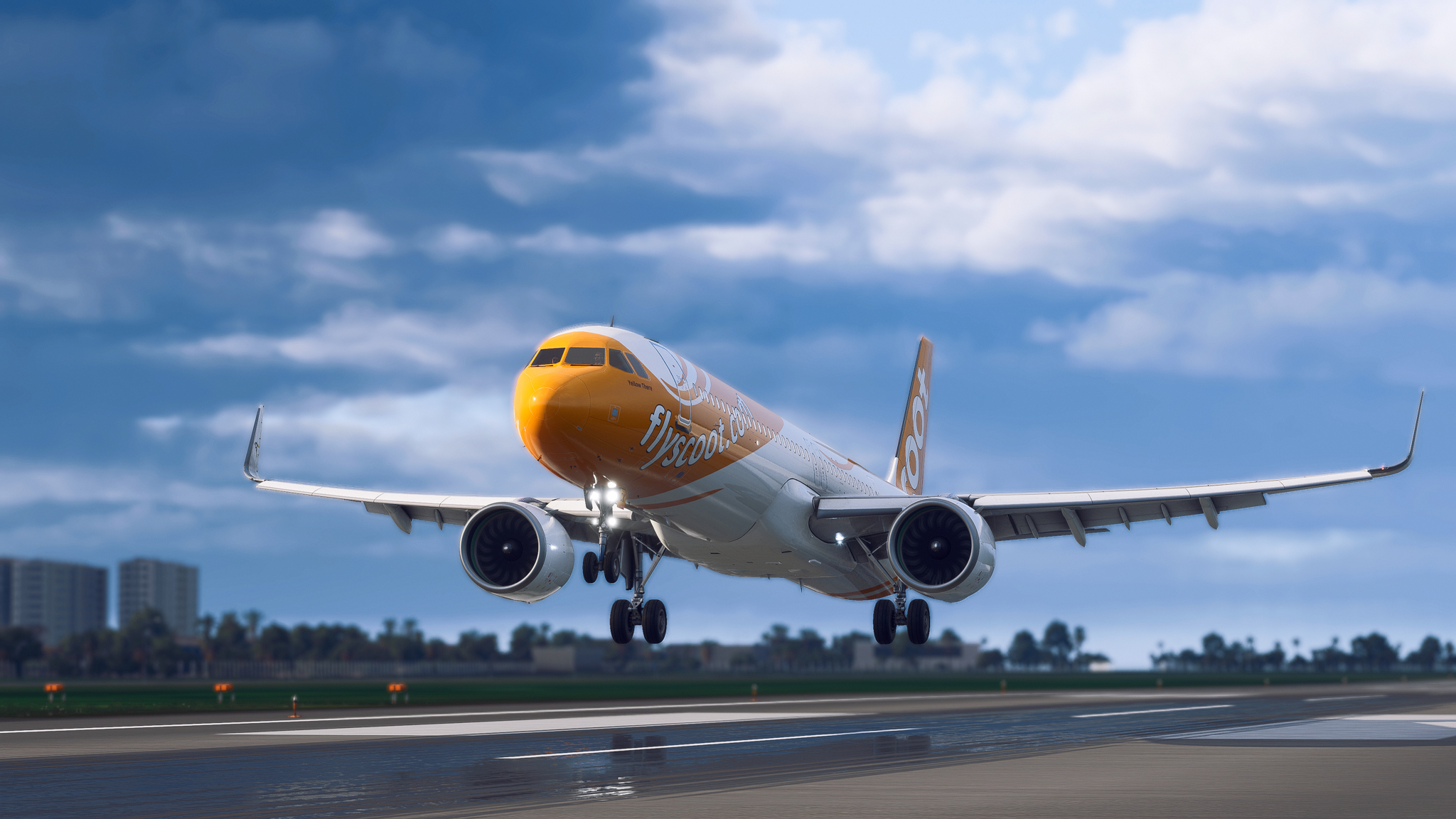
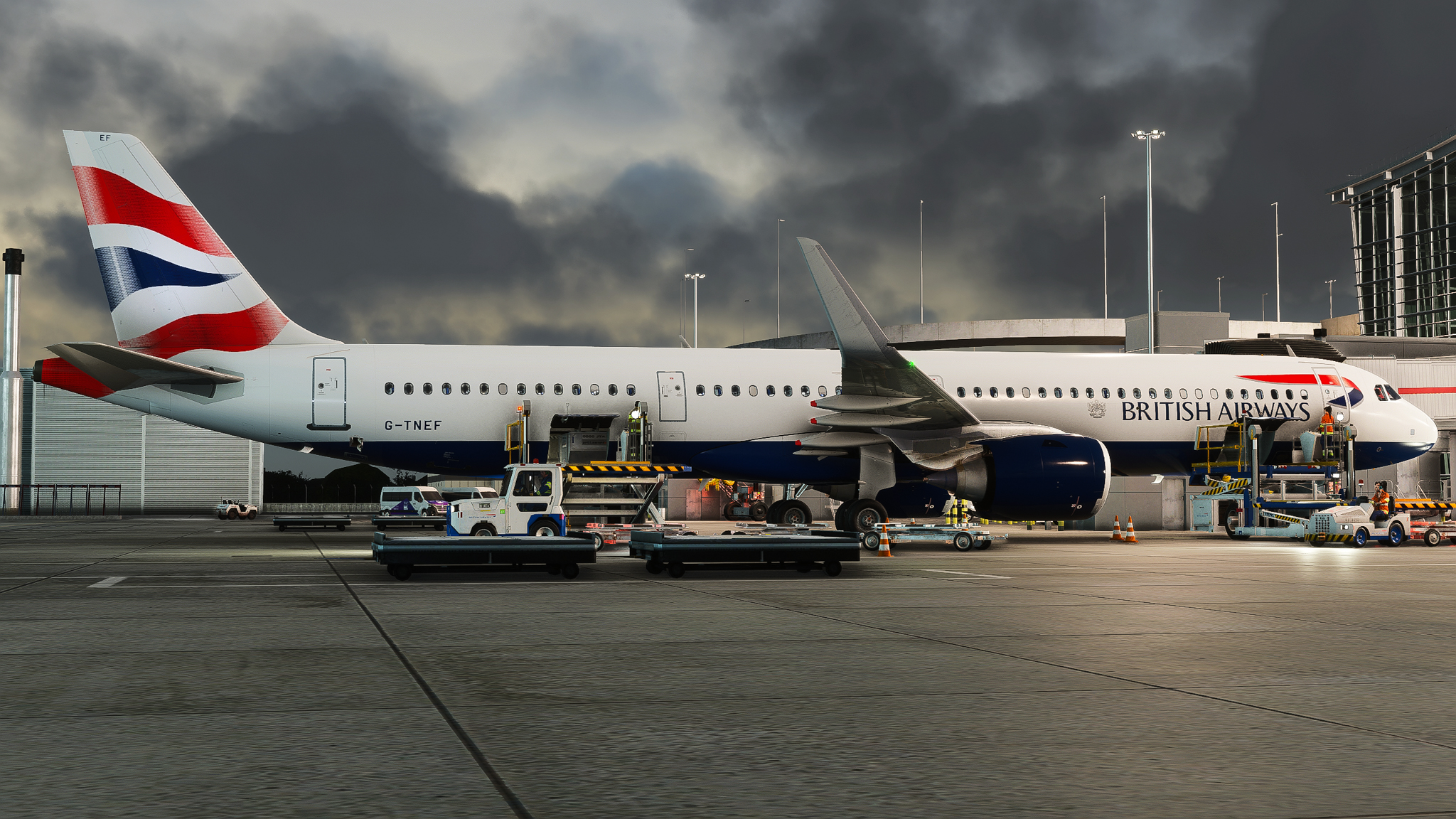
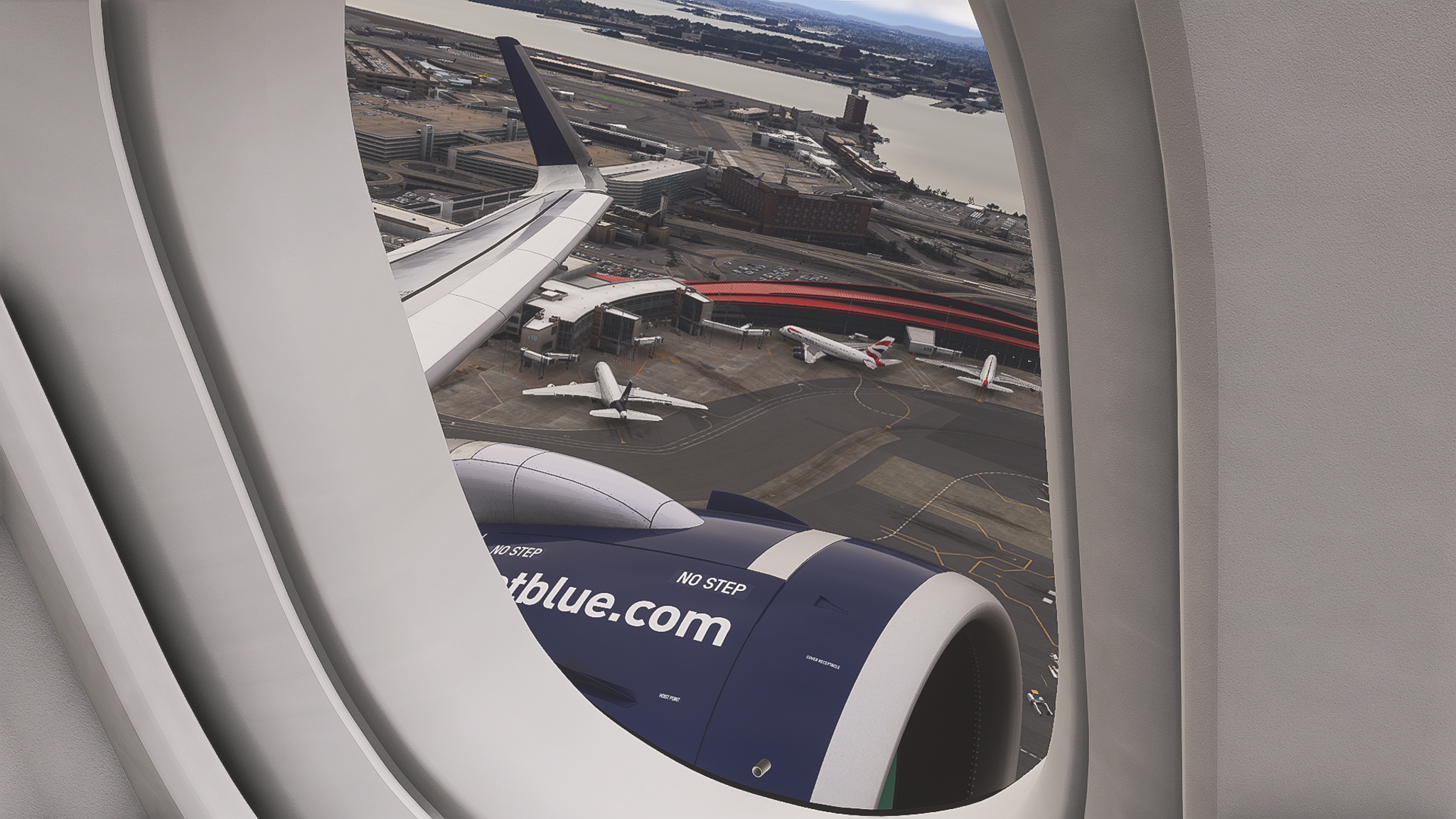
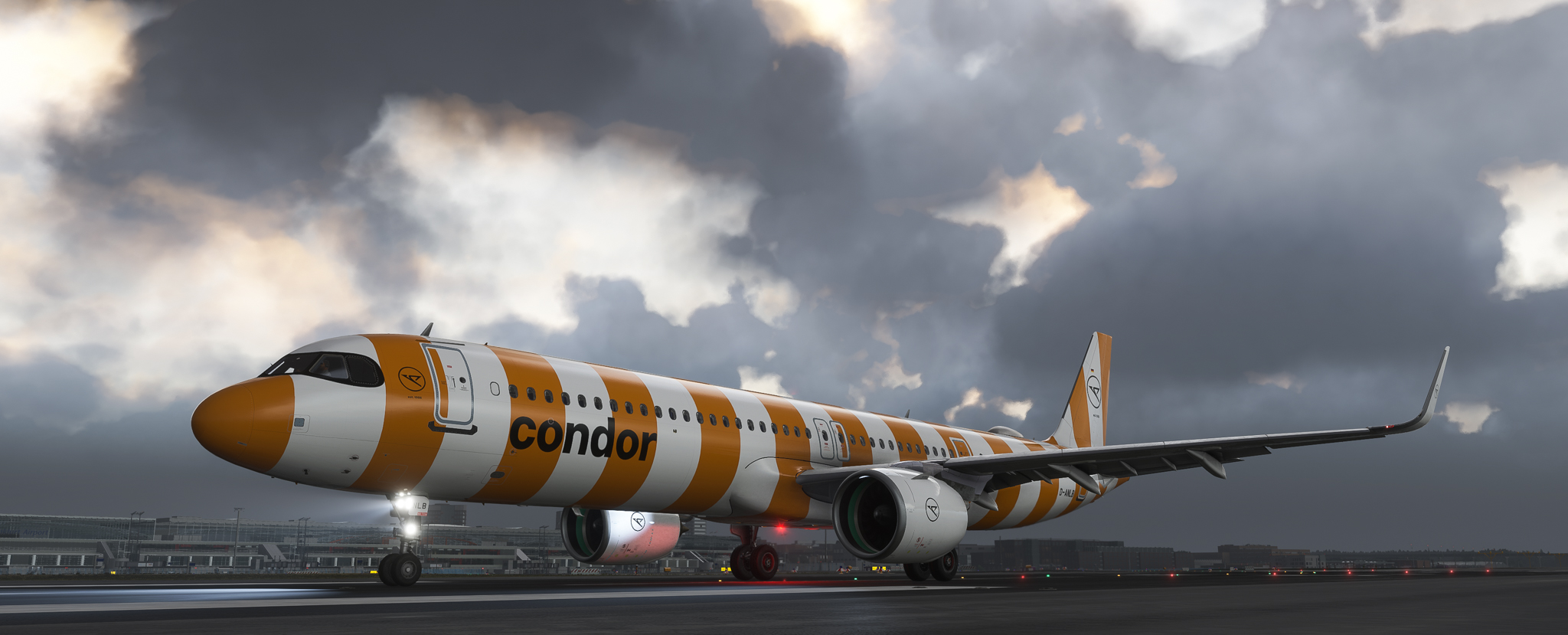
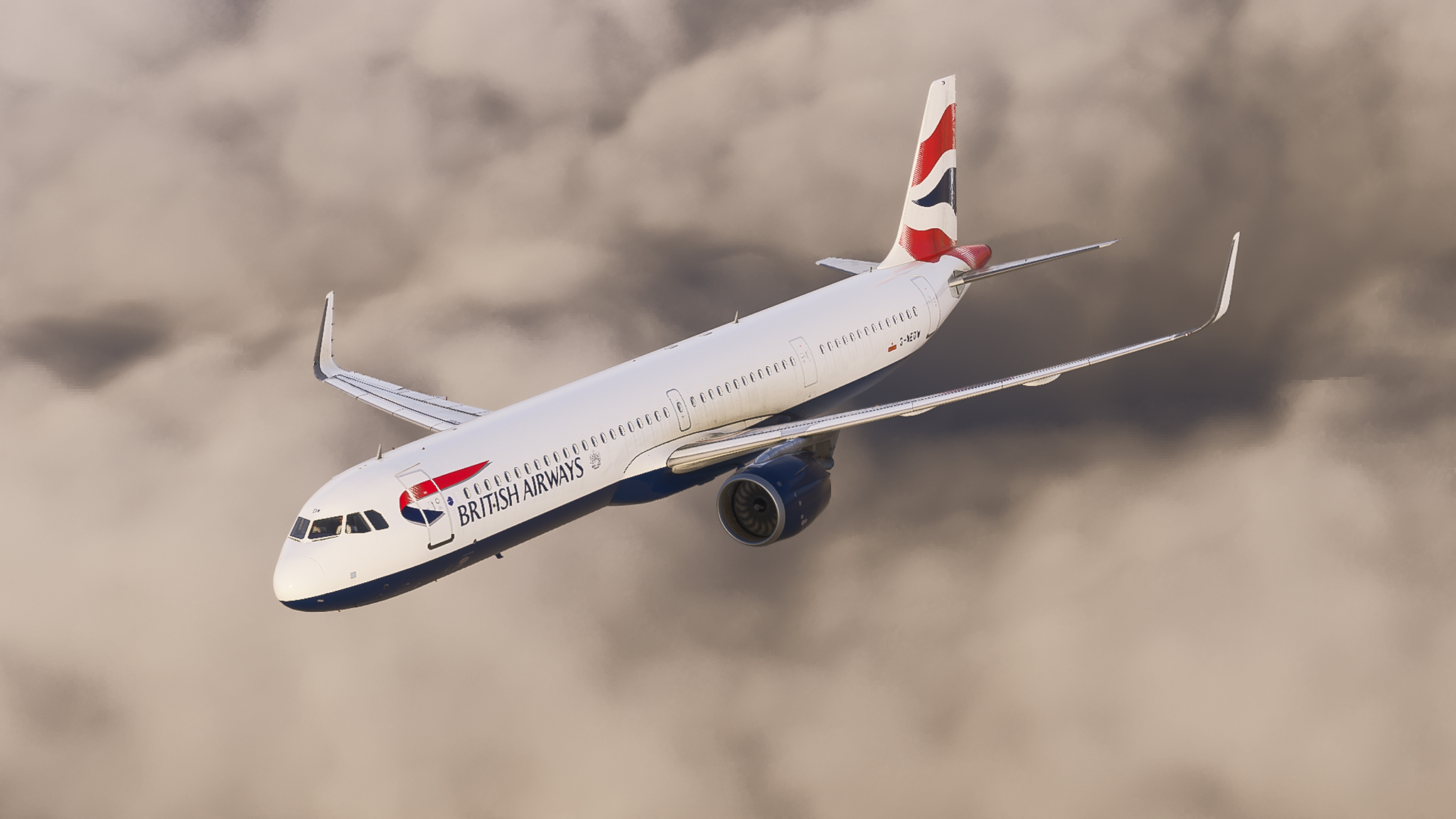
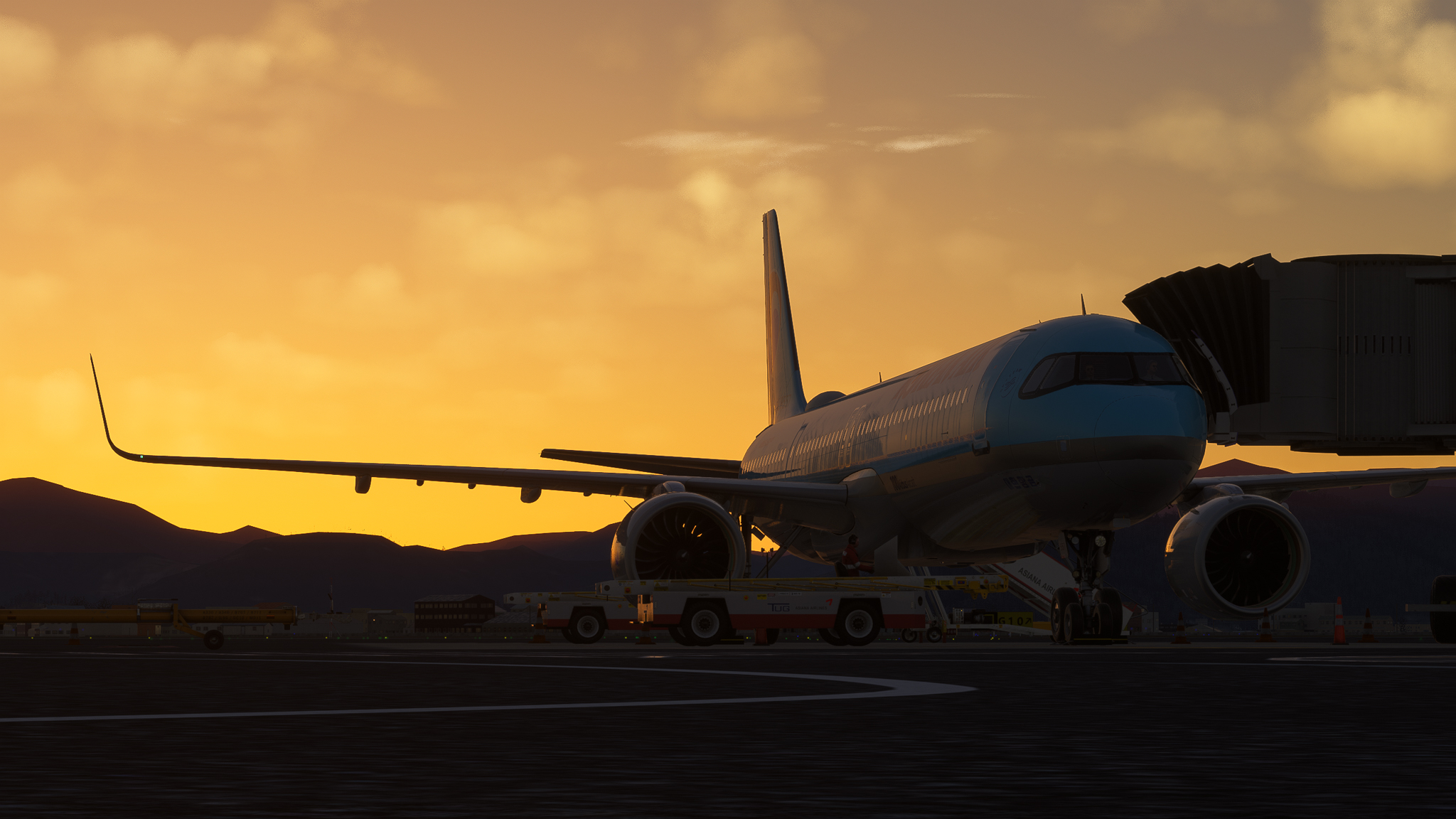
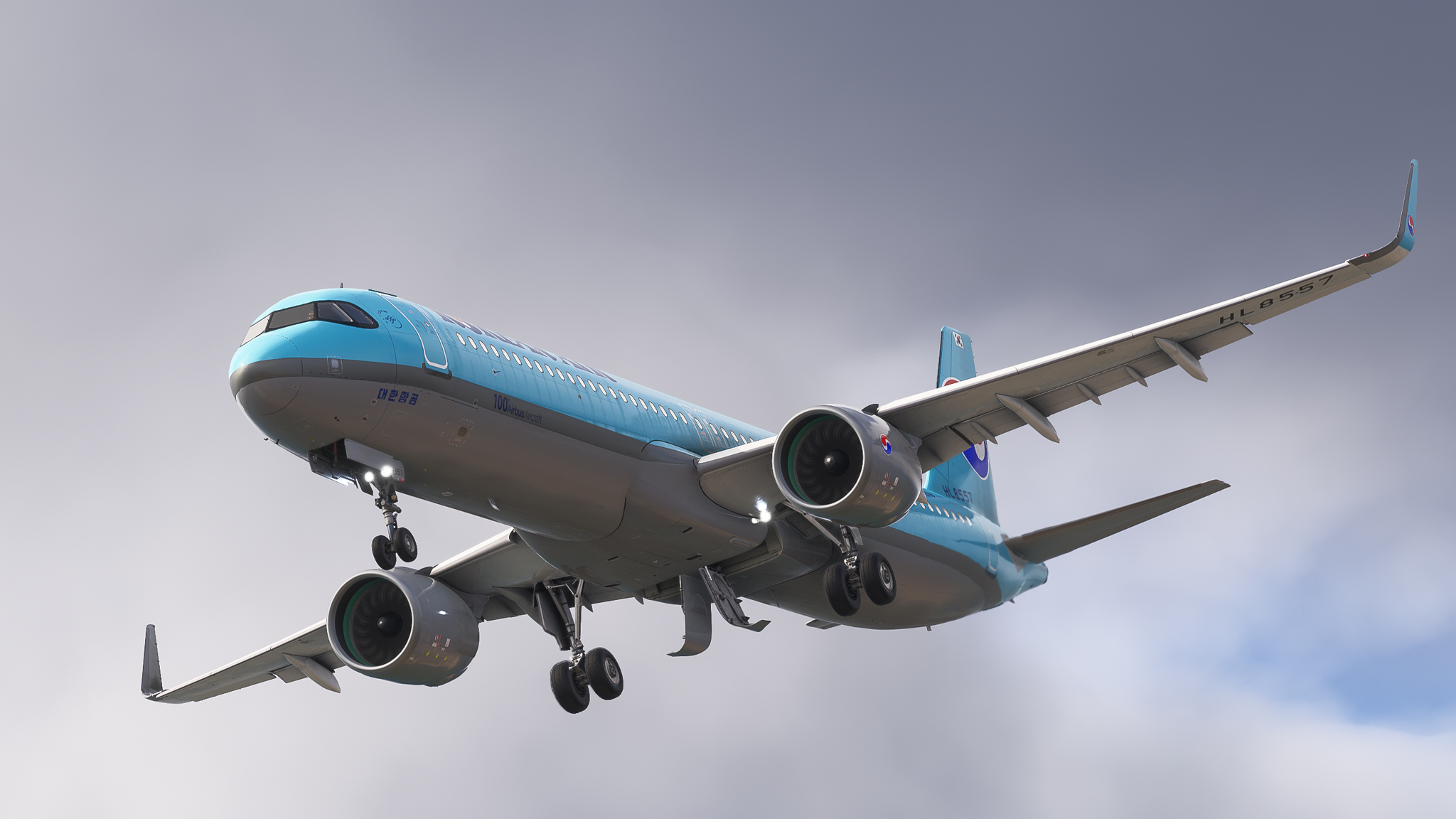
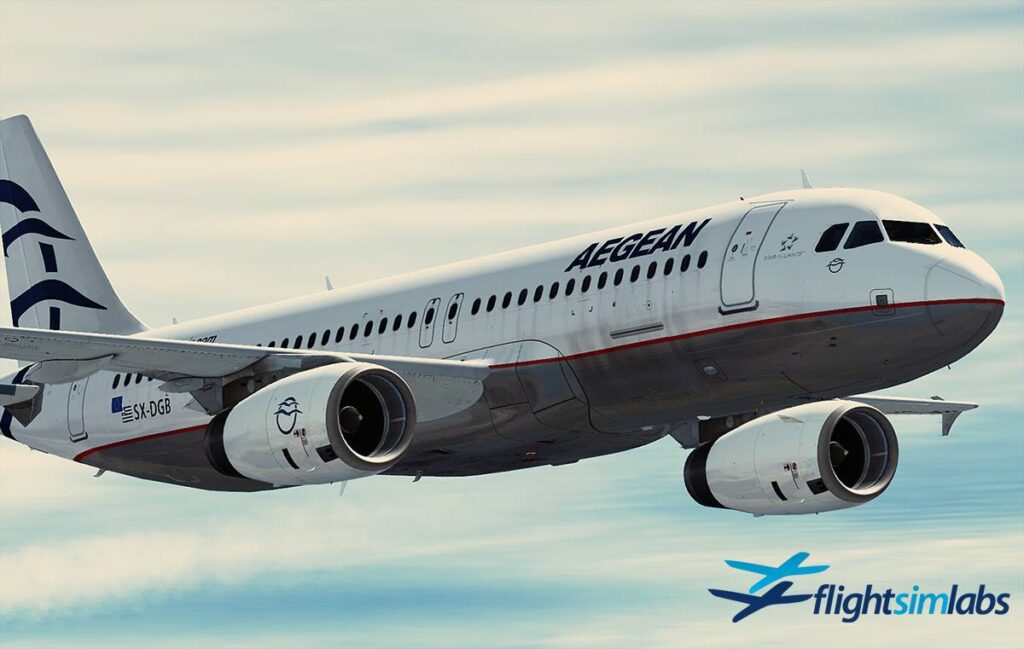
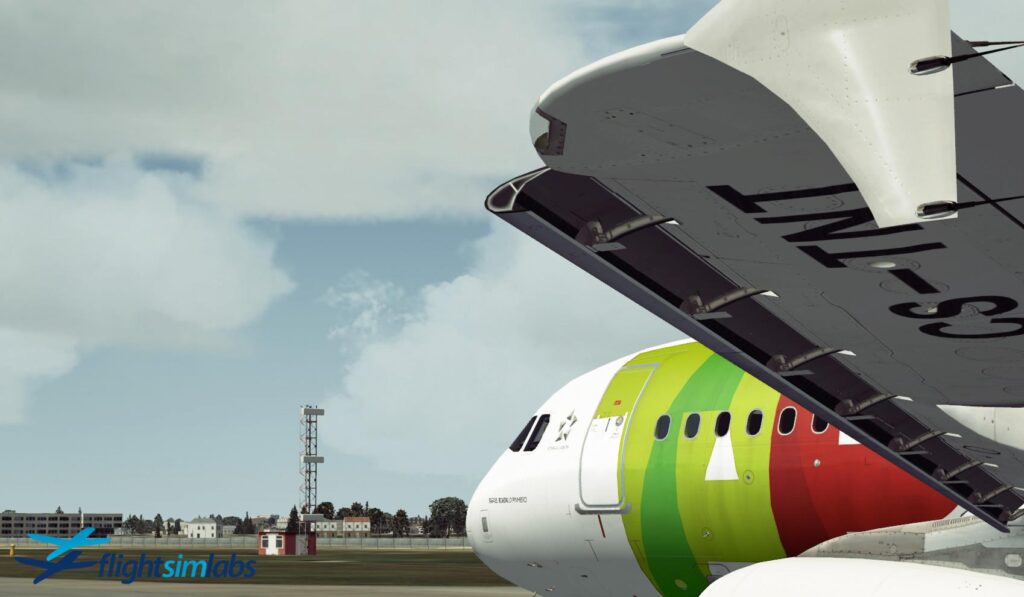
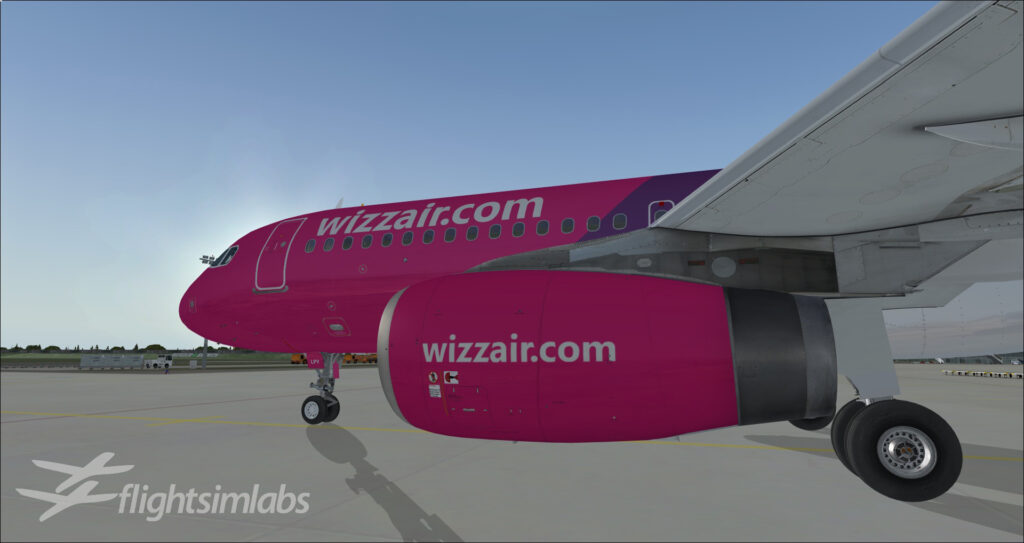
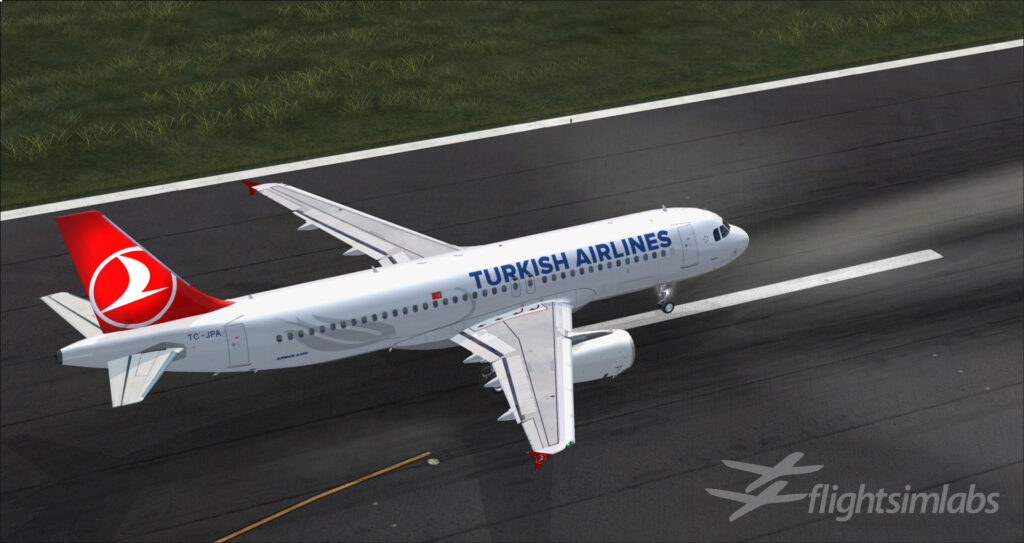
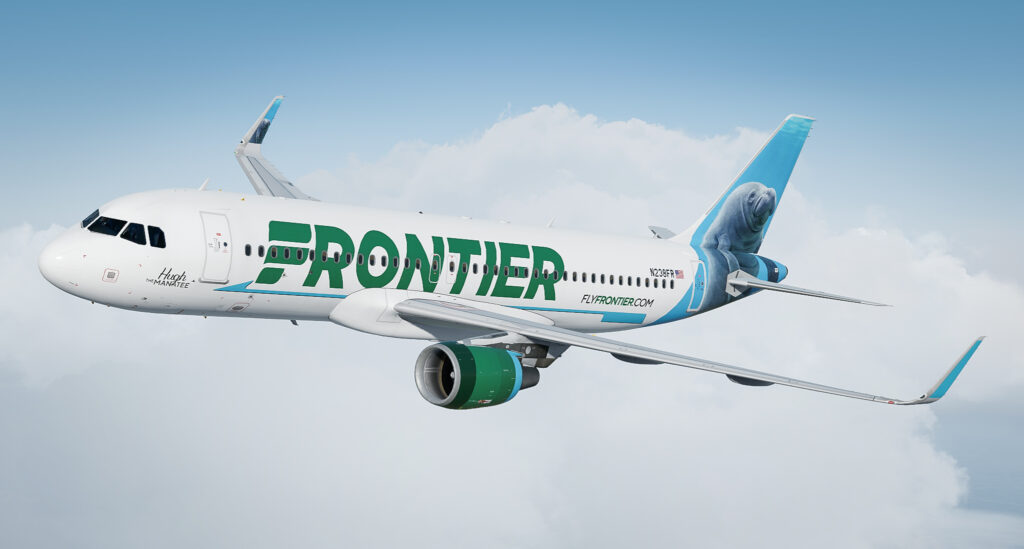
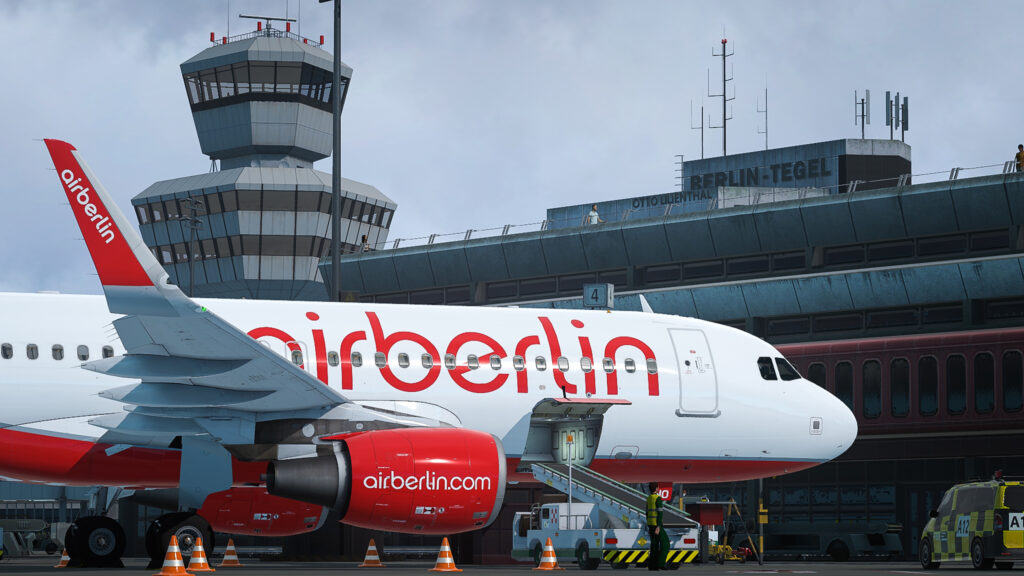
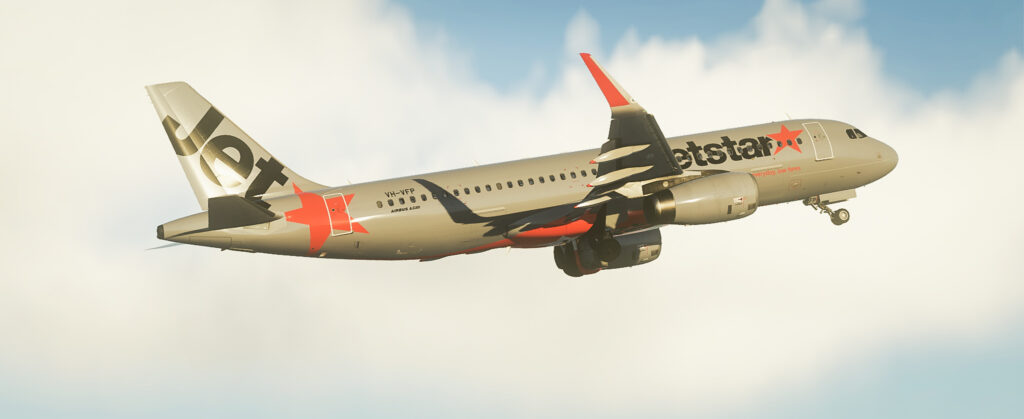
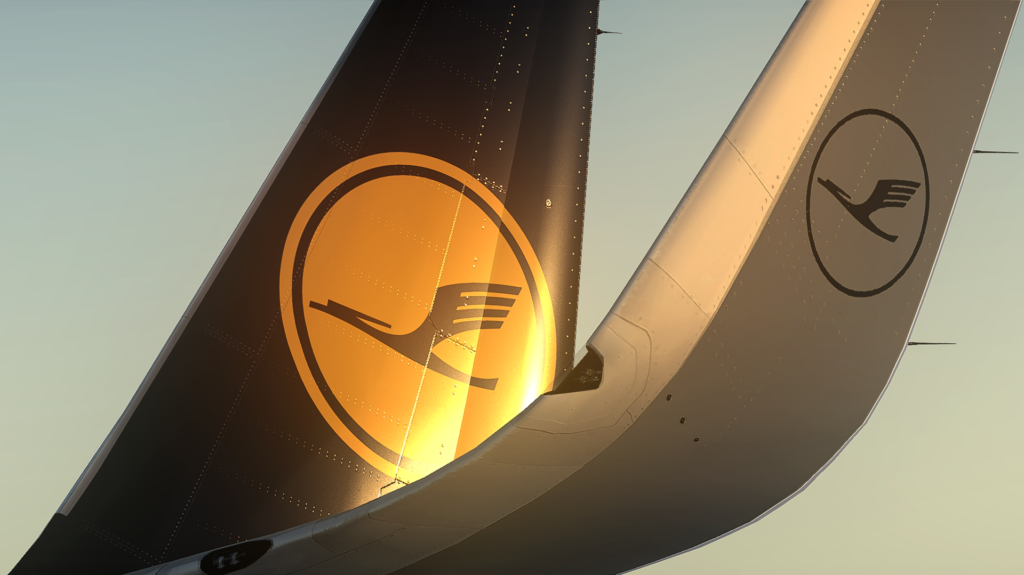
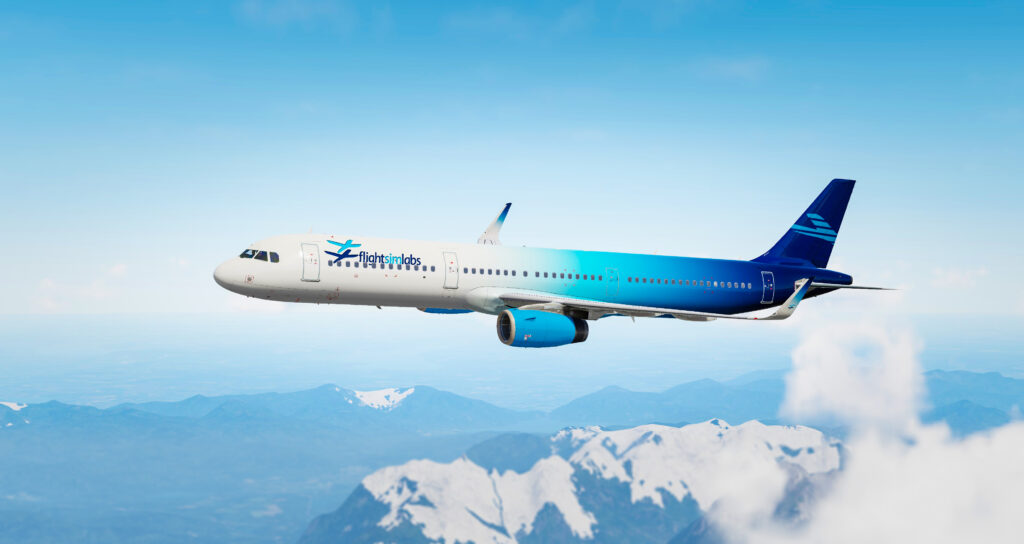
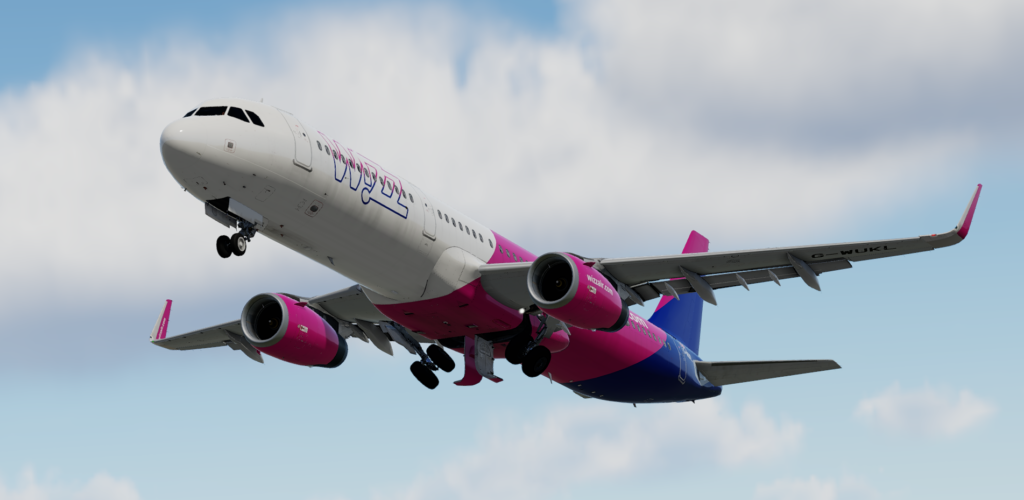
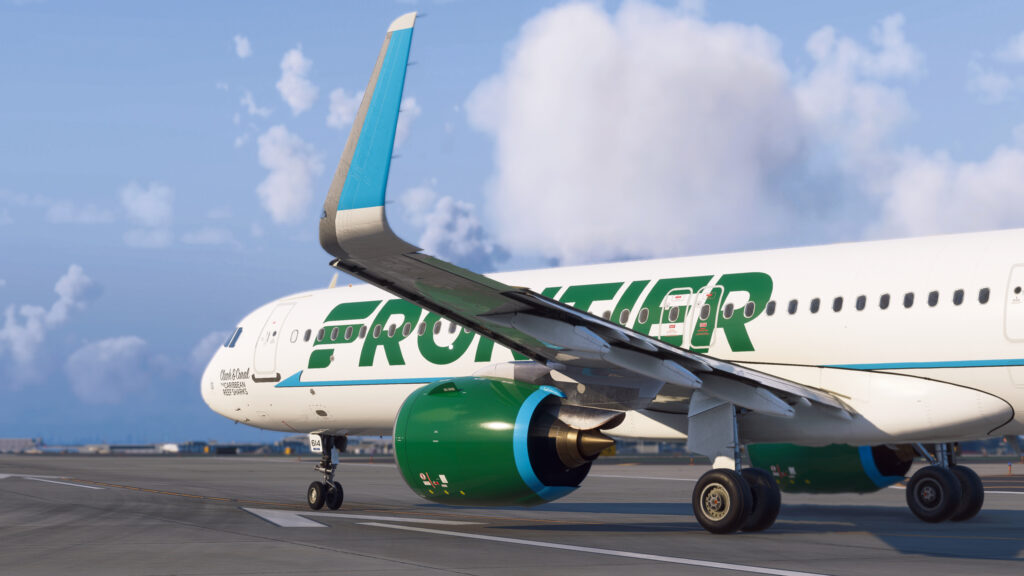
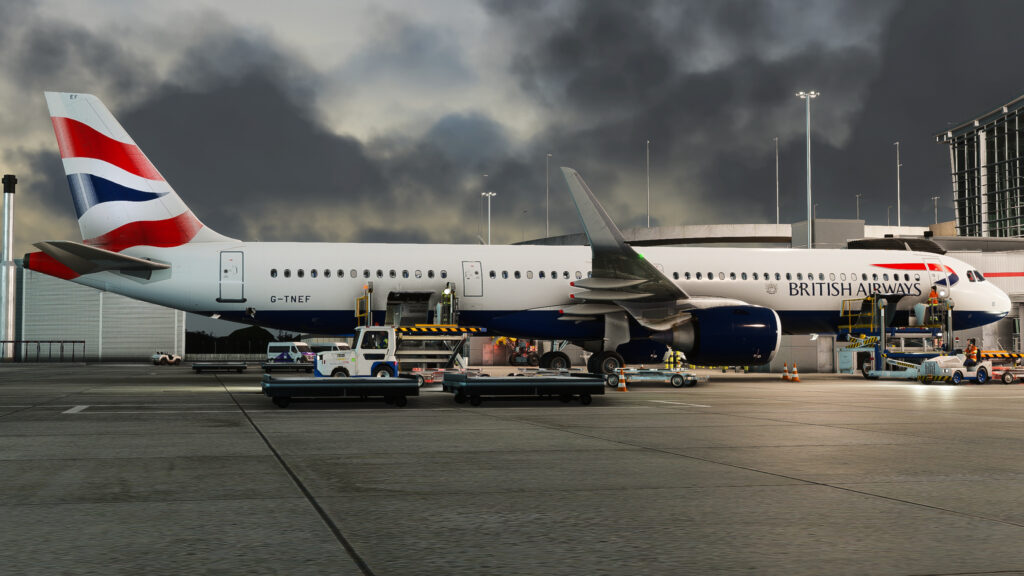
To support the global nature of A321neo operations, this release ships with an extensive library of over 100 high-quality liveries, all meticulously created to reflect real-world operators and configurations.
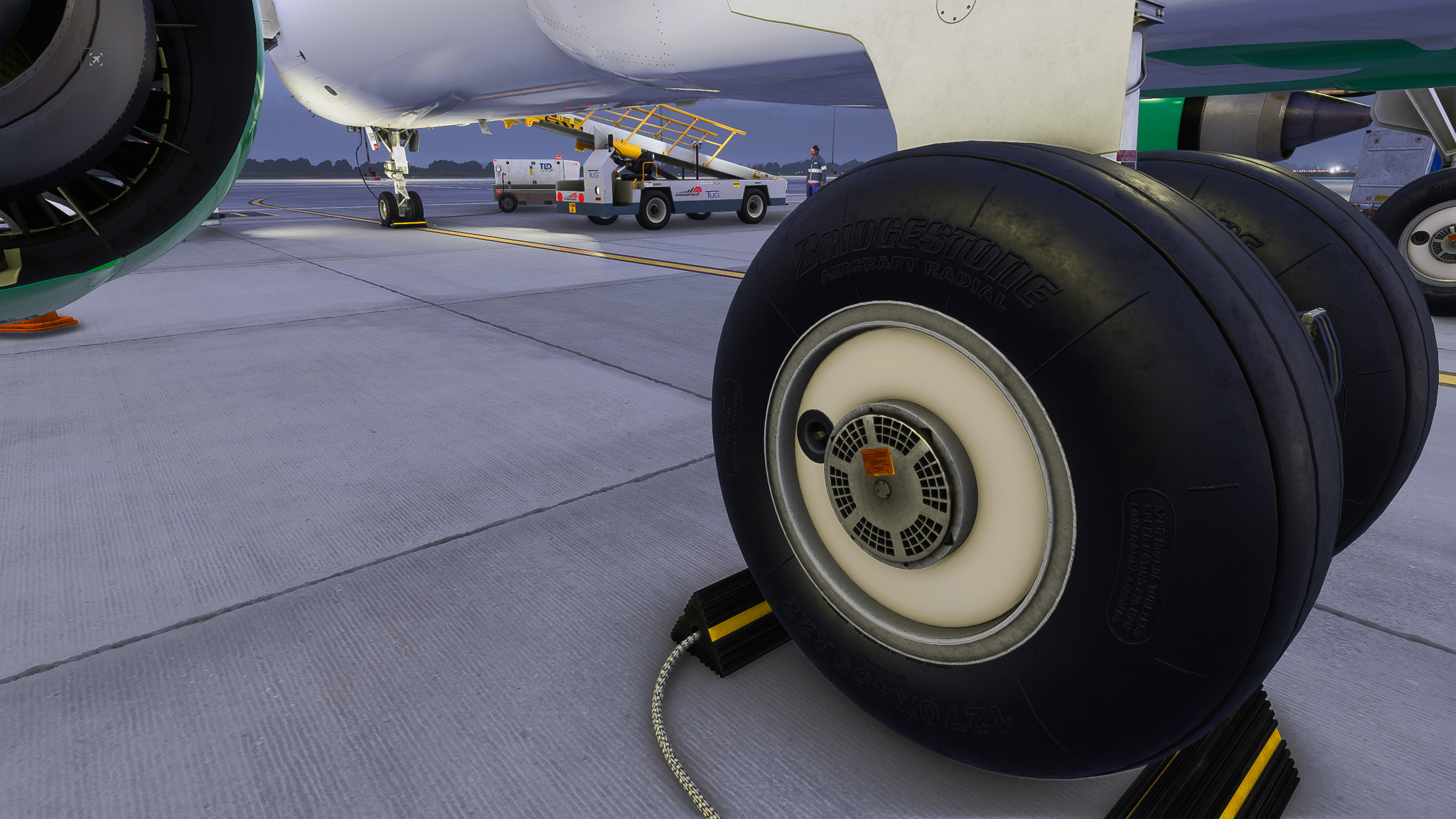
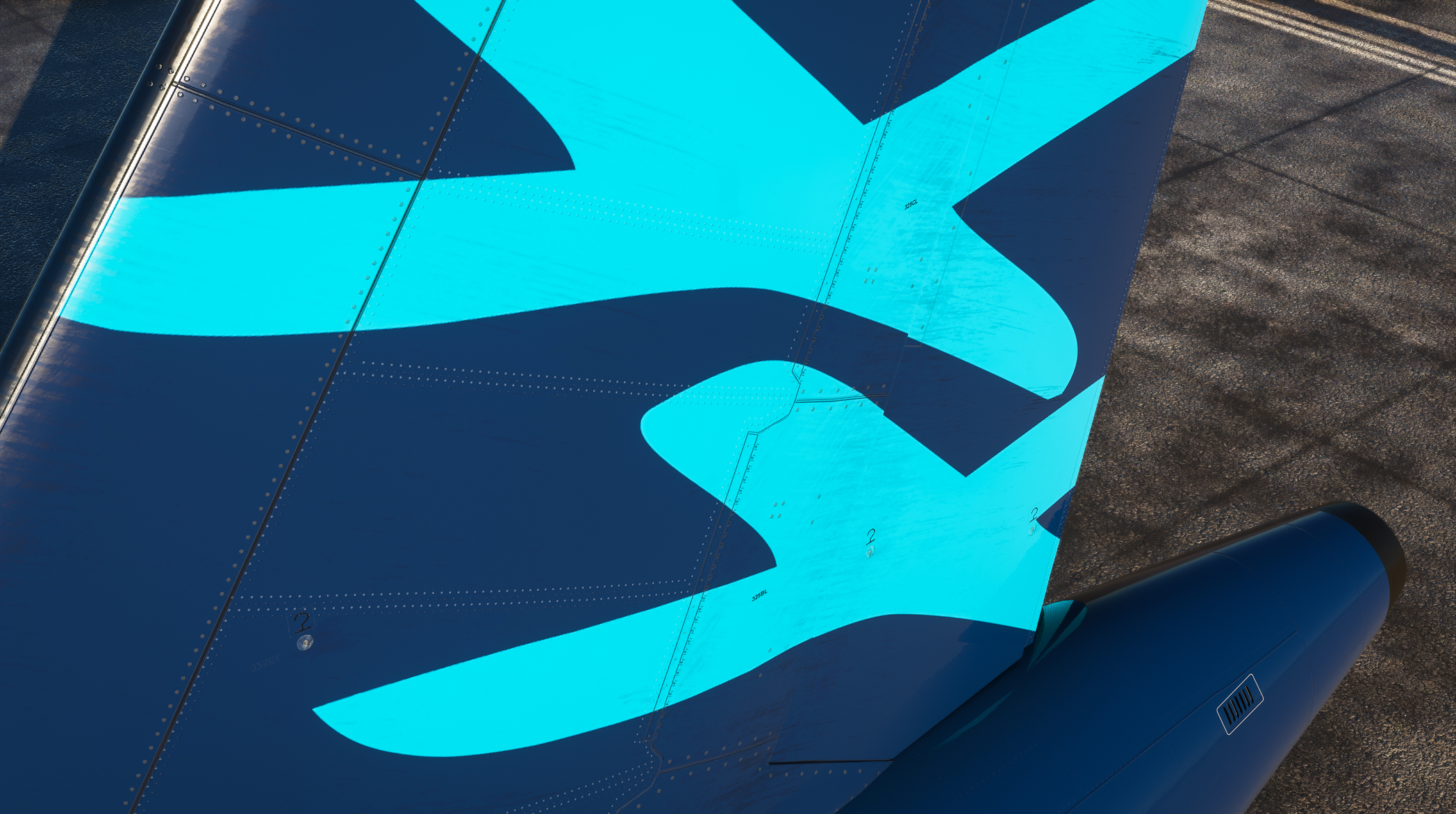
Each livery has been painted with exceptional attention to surface detail, material response, and lighting interaction. In parallel, a highly detailed paint kit is provided, enabling the community to create custom liveries to the same professional standard. All liveries are distributed through our FSL Control Center (CC) for easy access and ongoing support.
Refined Flight Controls and Ground Handling
Significant improvements have also been made to the A321neo’s flight control and handling model, with refinements to the pitch and roll channels to more accurately reflect real world flight dynamics.
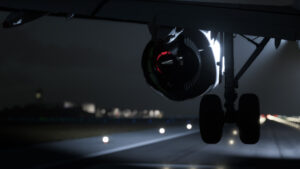
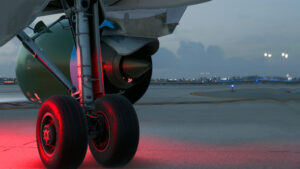
Rotation and flare modes have been reworked for smoother takeoff and landing behaviour, while enhanced ground effect modelling improves aircraft response in the final stages of approach. Updated rudder authority, tiller logic, and refined breakaway and thrust response deliver more authentic ground handling across varying operating conditions.
These enhancements are underpinned by more than 400 fixes and refinements across the core code base.
Platform Stability, EFB, and Quality-of-Life Improvements
This update also introduces major improvements to operational usability and platform stability. A new save, load, and auto-save system ensures aircraft and avionics states can be reliably preserved between sessions.
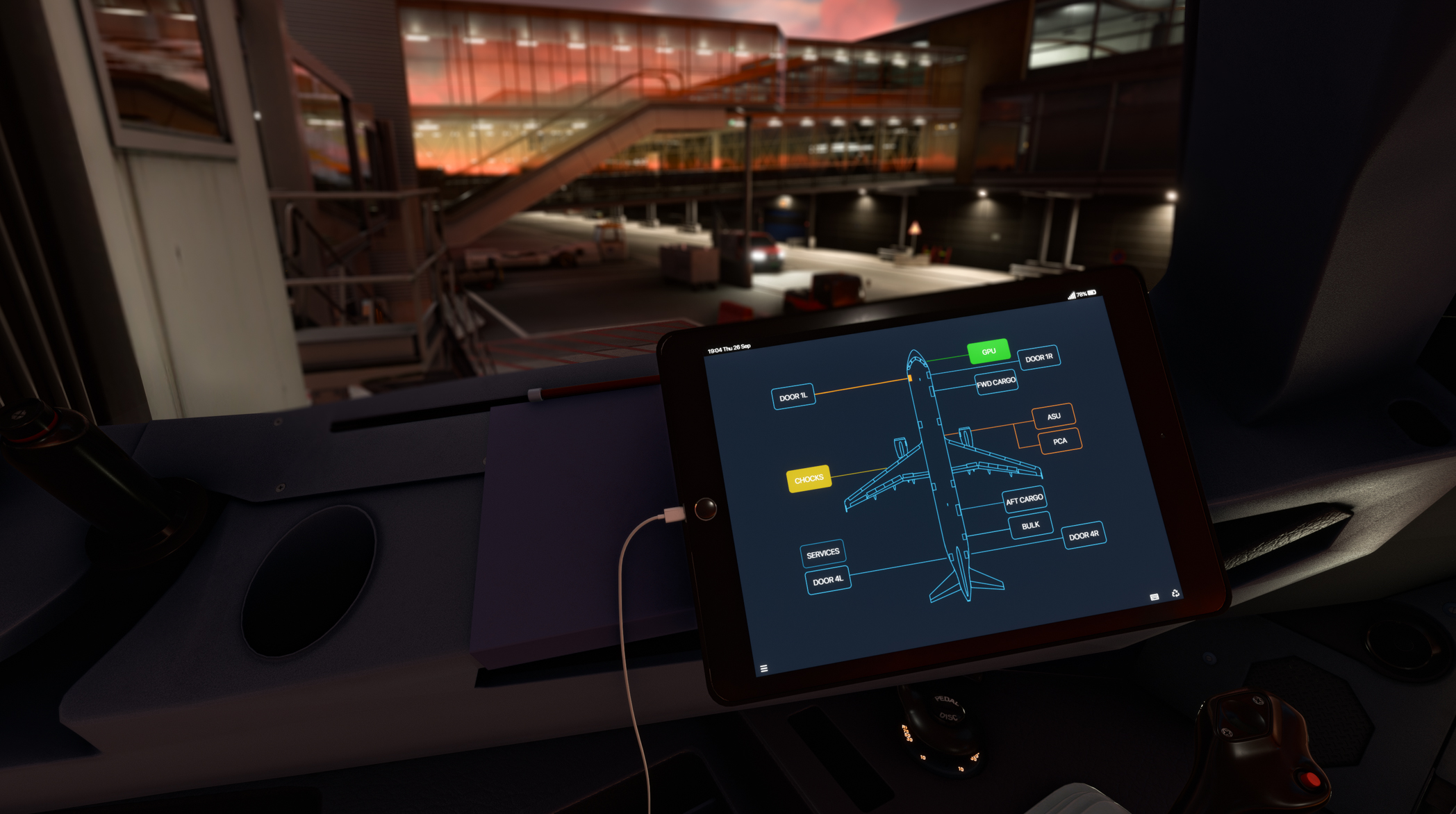
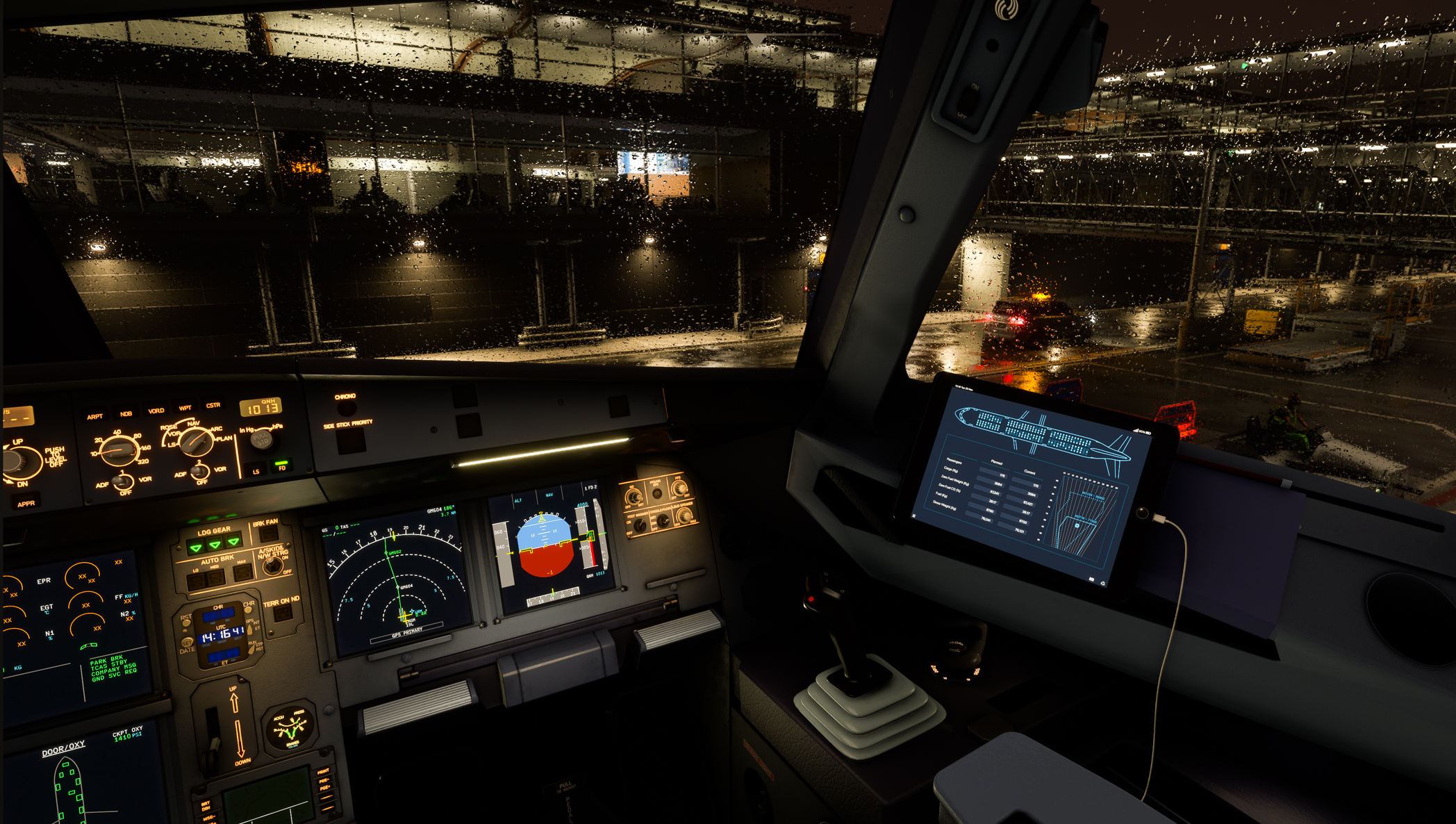
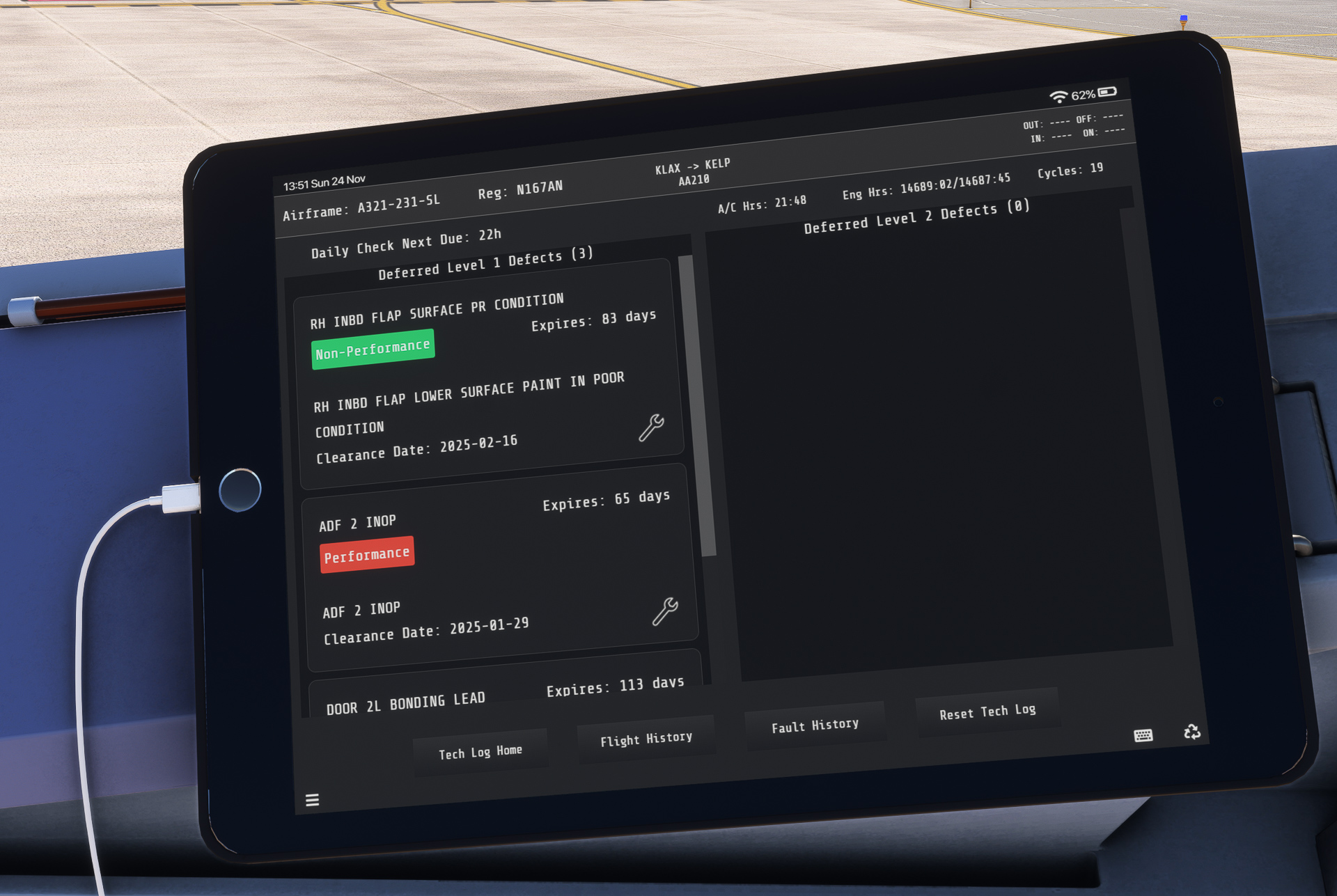
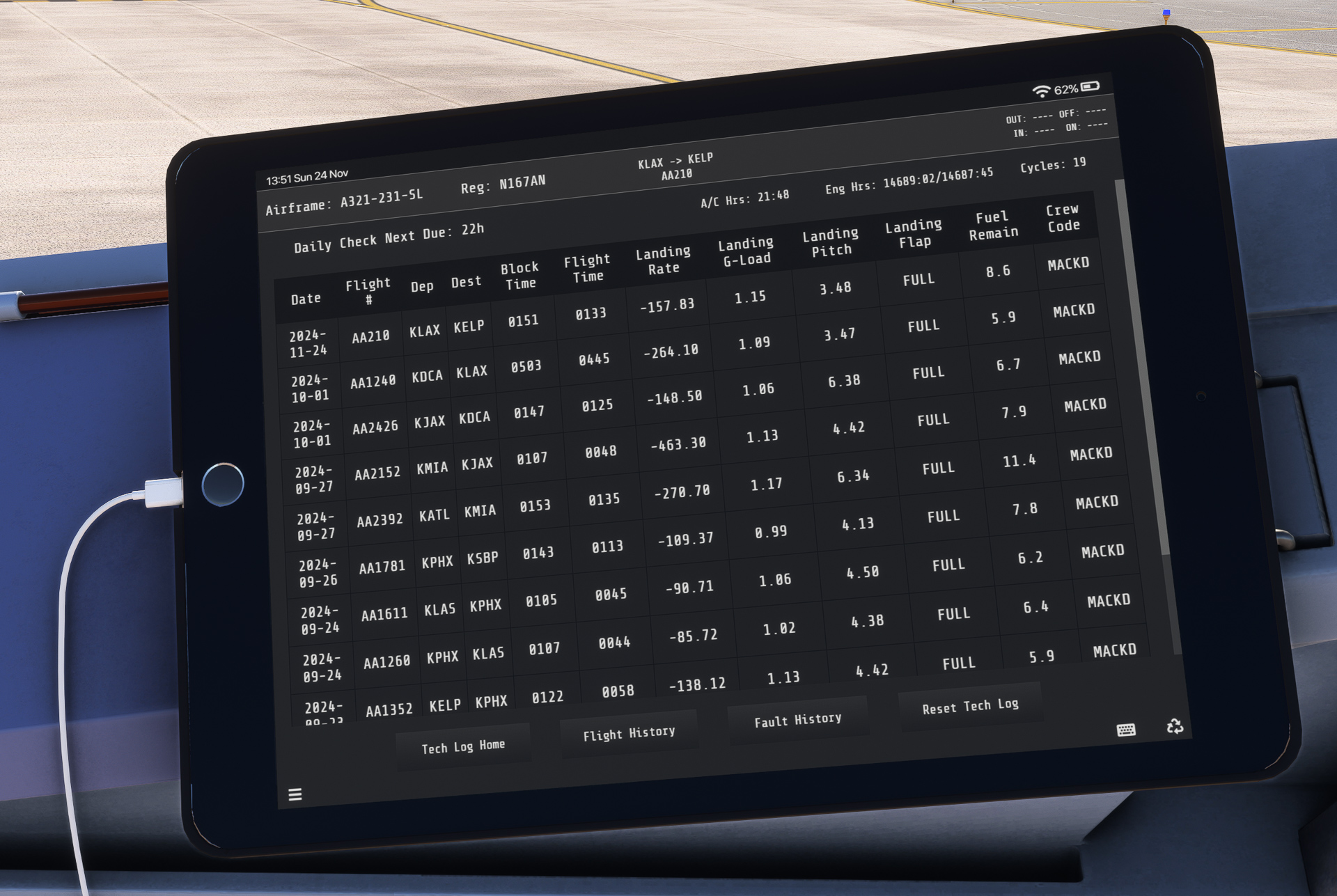
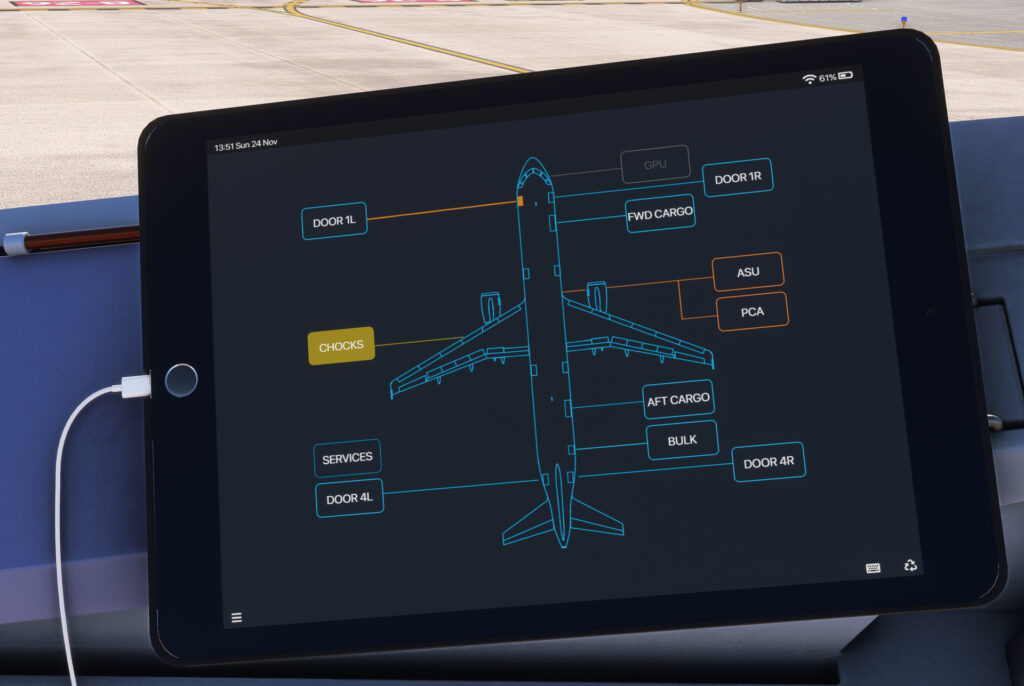
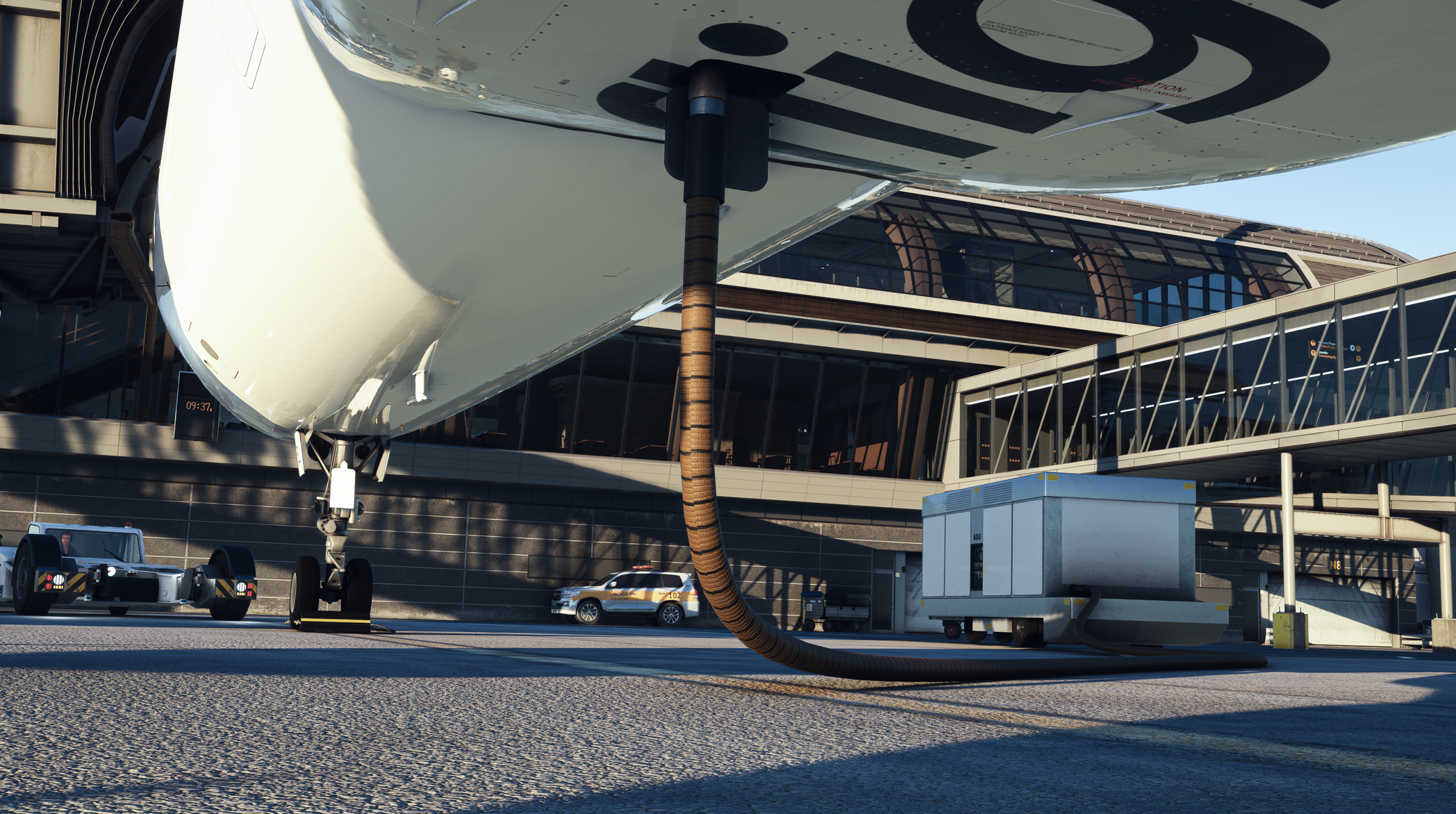
The Electronic Flight Bag has been refined with improved weight and balance logic, enhanced document handling, and a redesigned virtual keyboard. Extensive stability work addresses long standing display freezes, loading inconsistencies, and environmental rendering issues, while ground operations benefit from improved payload distribution and GSX integration.
Next-Generation Wing Flex Simulation
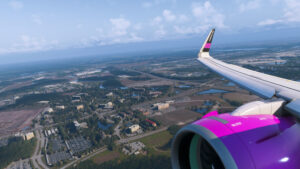
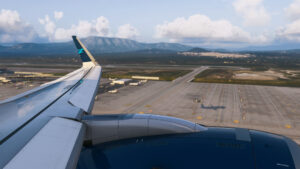
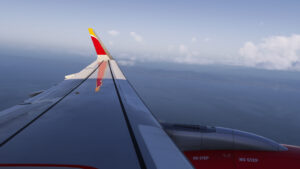
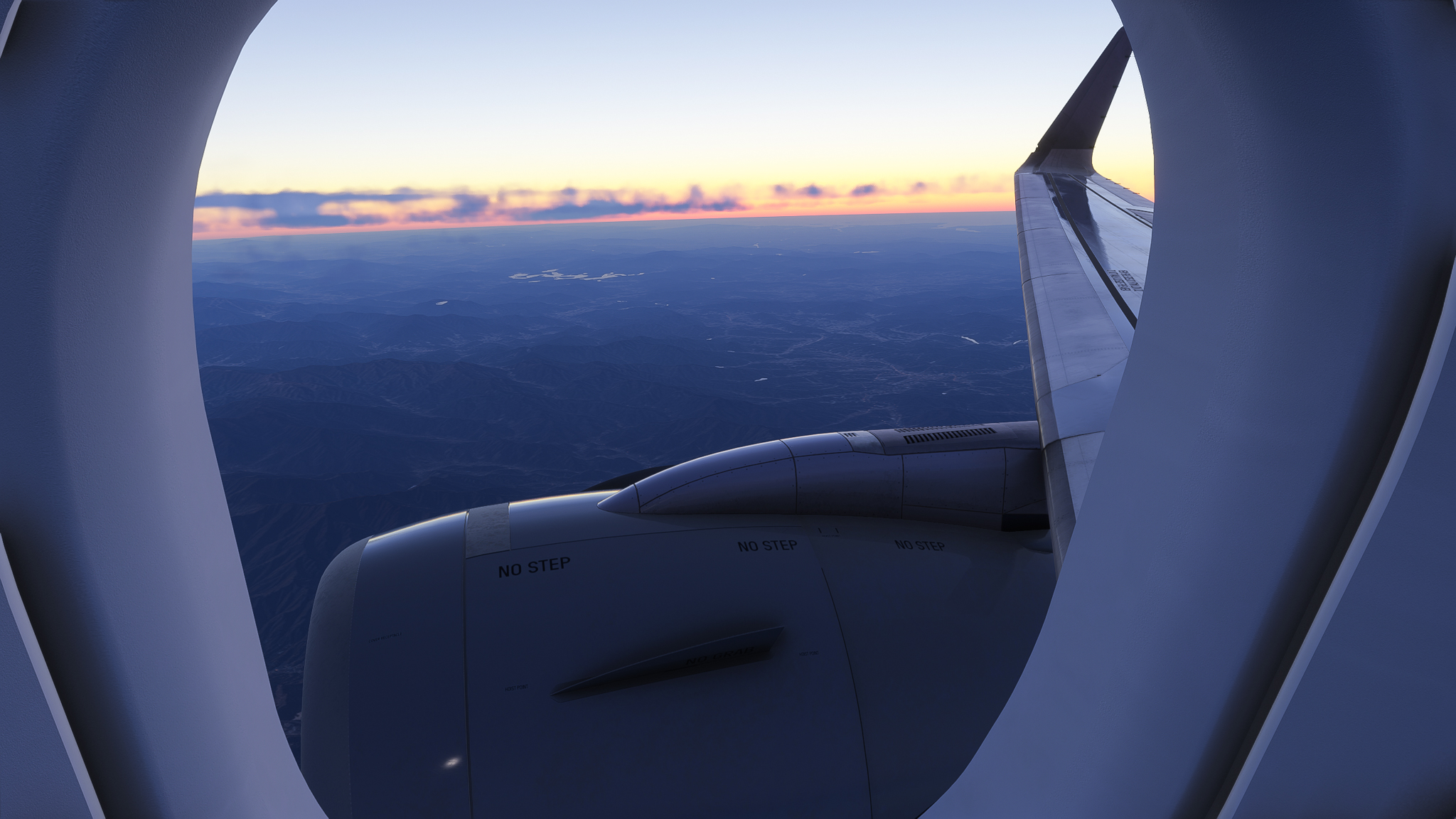
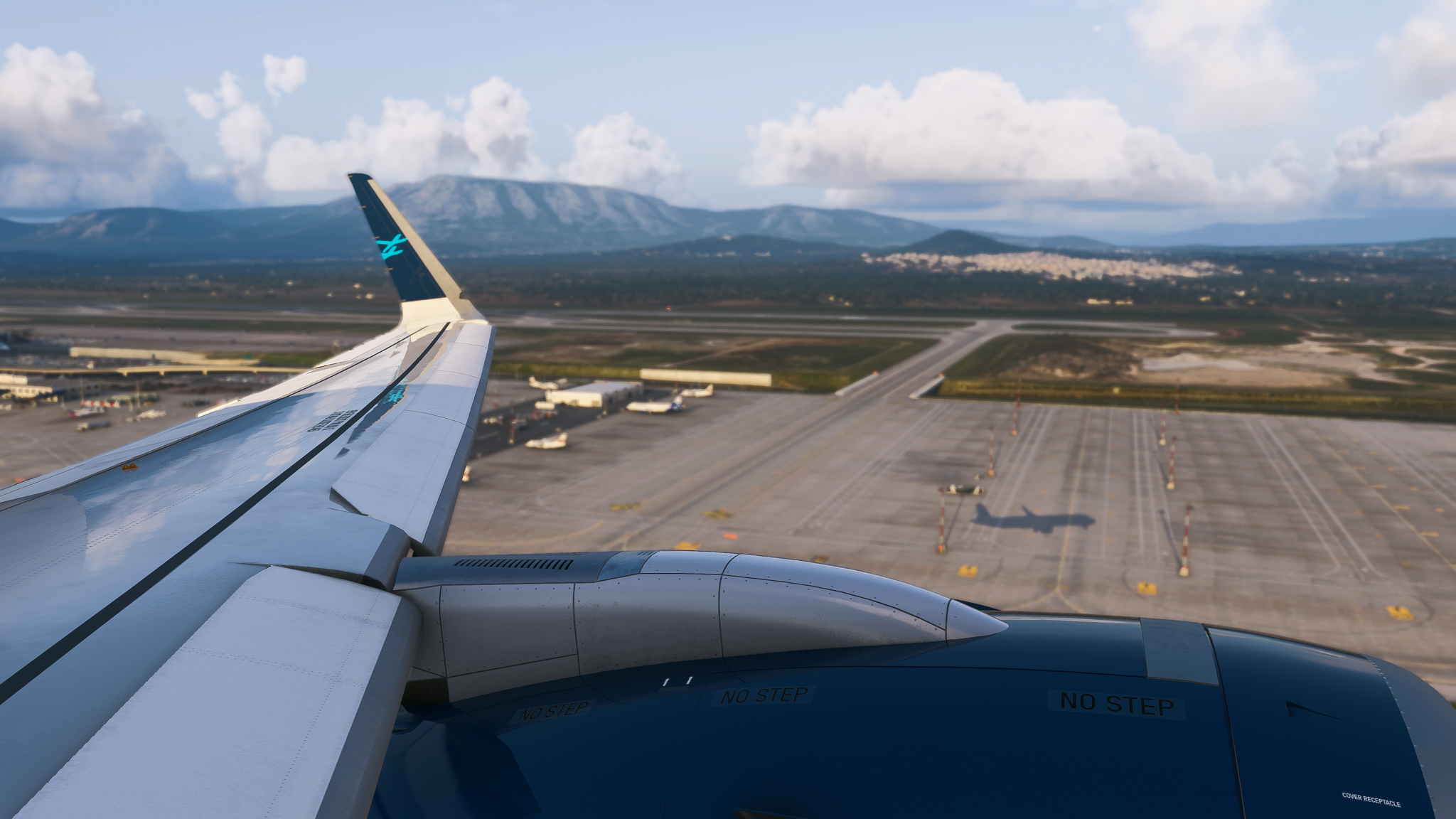
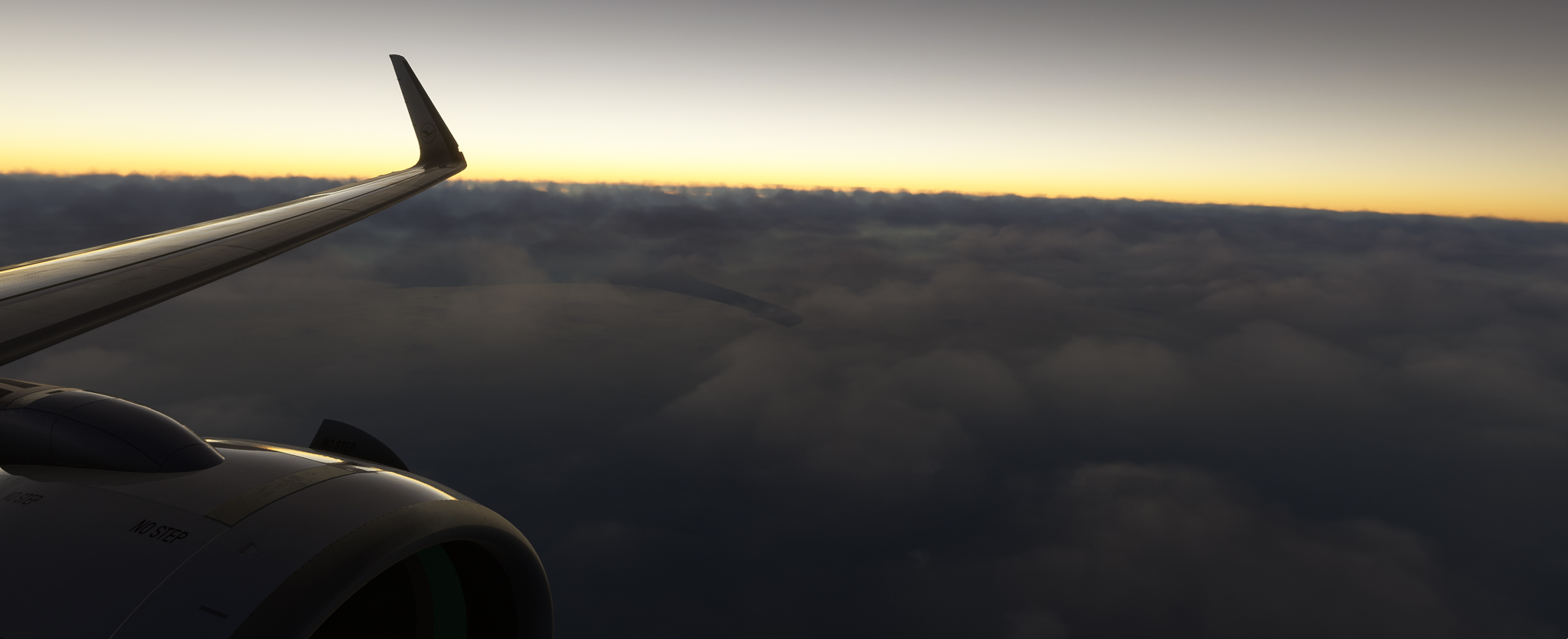
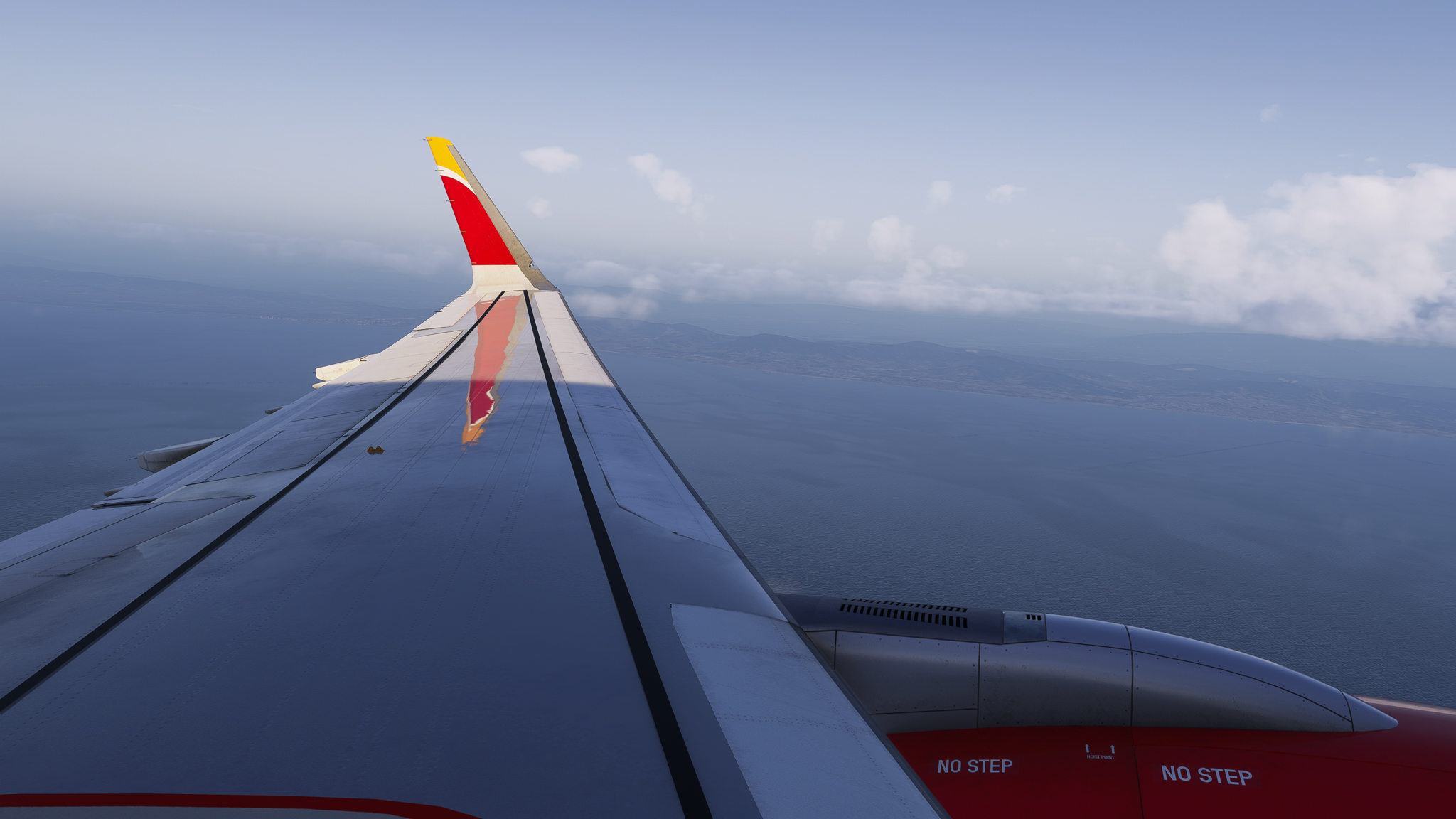
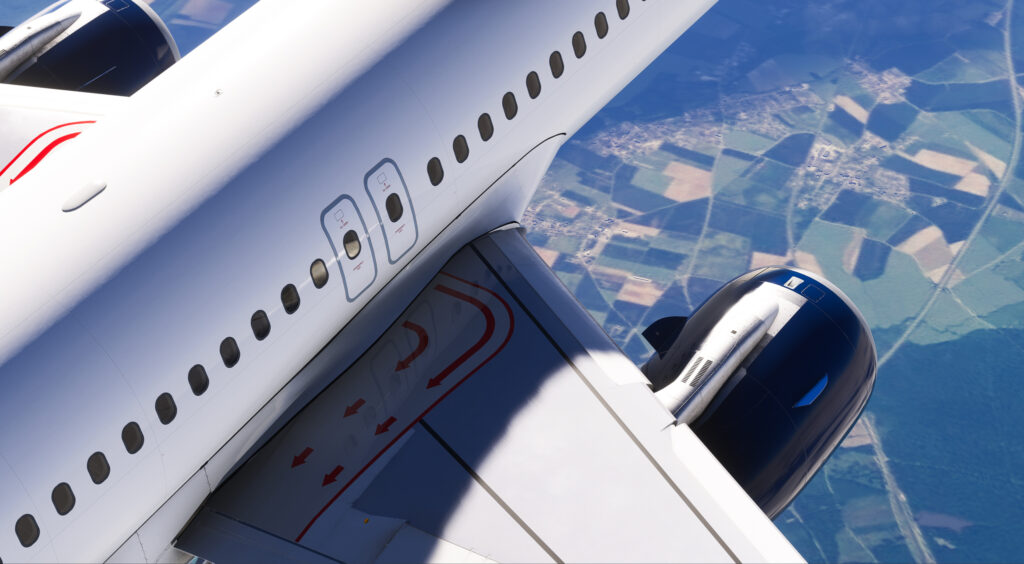
The A321neo also now benefits from a completely redesigned wing flex system, developed from the ground up to deliver a new level of visual and aerodynamic realism. This new implementation combines custom animation sets with sophisticated real time algorithms that respond dynamically to aircraft weight, fuel distribution, airspeed, turbulence, maneouvre loading, and atmospheric conditions.
Rather than relying on simple preset animations, wing deformation is now continuously calculated and blended throughout all phases of flight, from ground operations and rotation to cruise and turbulent air. The result is one of the most advanced and lifelike wing flex simulations currently available in flight simulation, further enhancing both visual immersion and the perception of aircraft mass and structural behaviour.
A New Standard for A321neo Simulation
Whether operating short haul sectors or extended range routes, the Flight Sim Labs A321neo offers sim pilots a new dimension of realism while maintaining the exceptional system fidelity, depth, and handling Flight Sim Labs is known for.
Thank you for your continued support. Our apologies for the long post – we promise, our next one will be slightly… shorter.