Update V11.0.1.347 Released
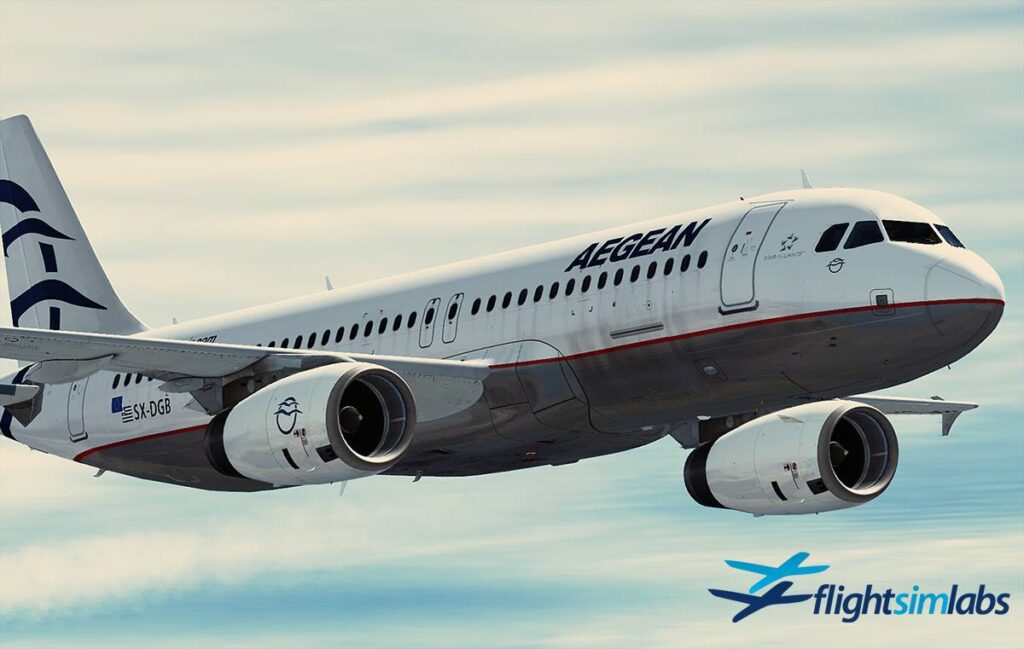
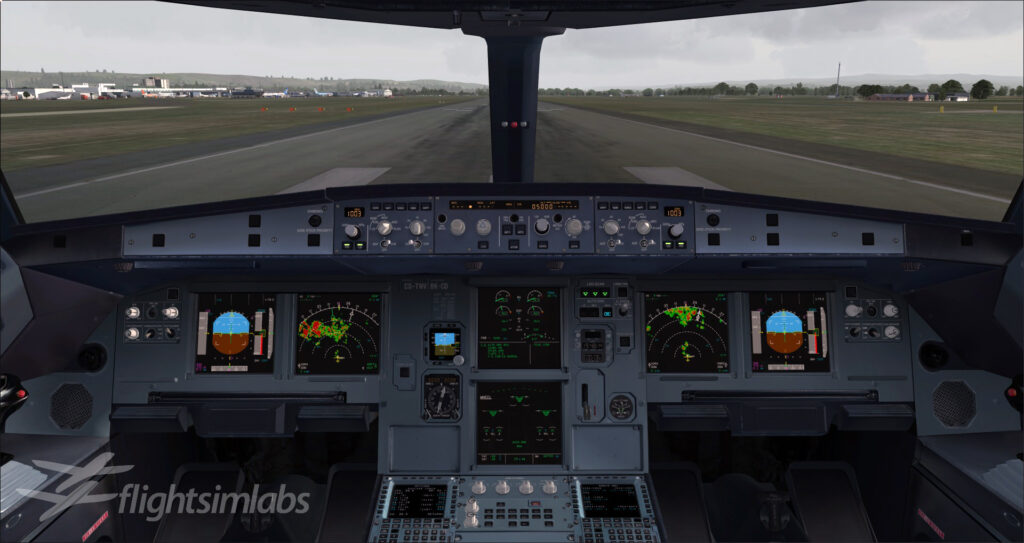
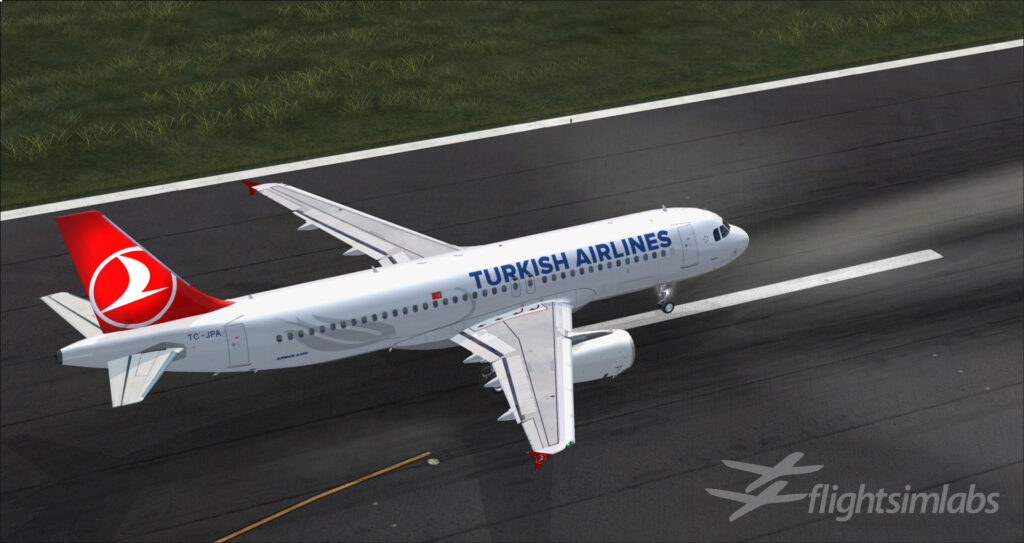
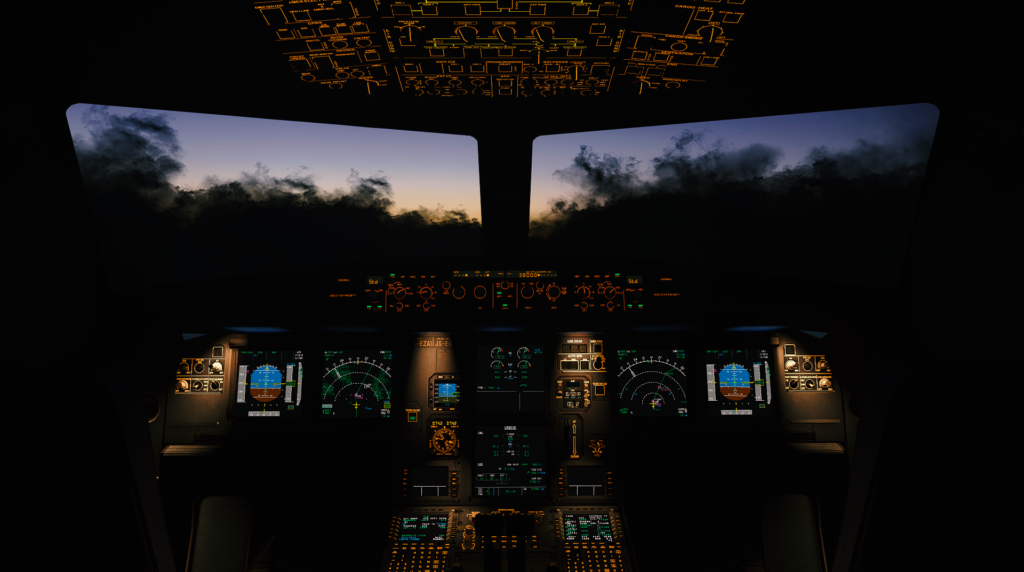
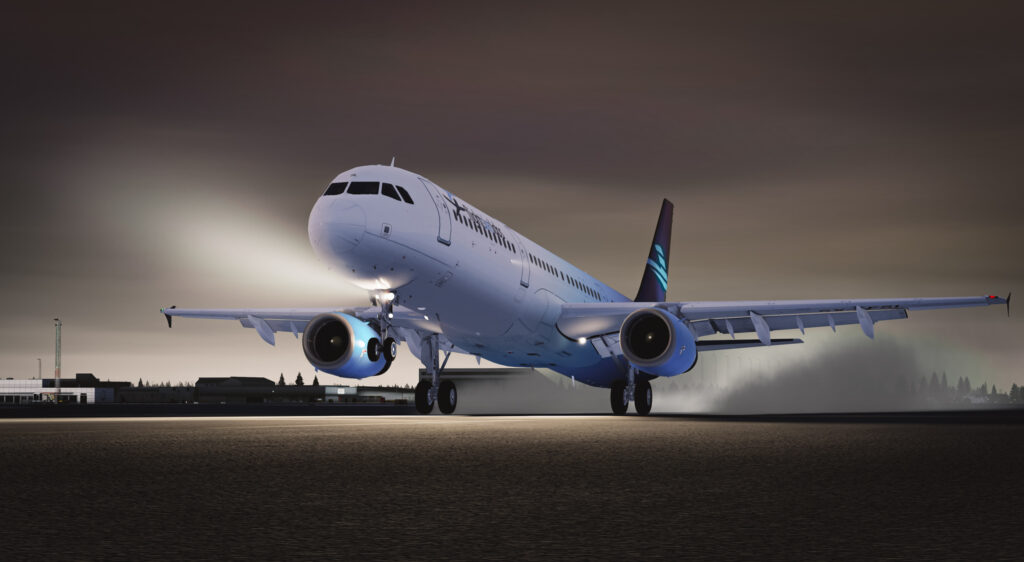
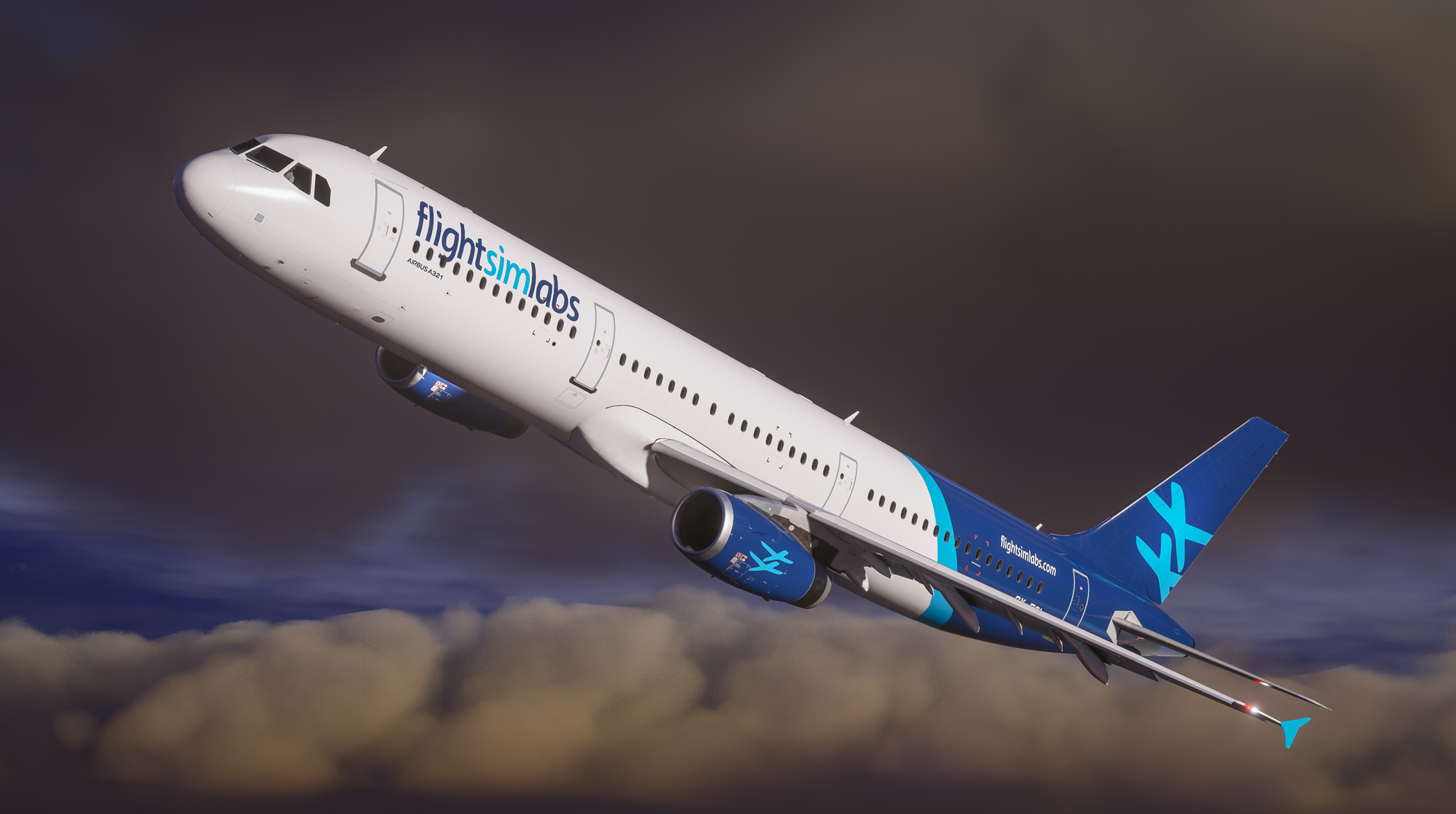
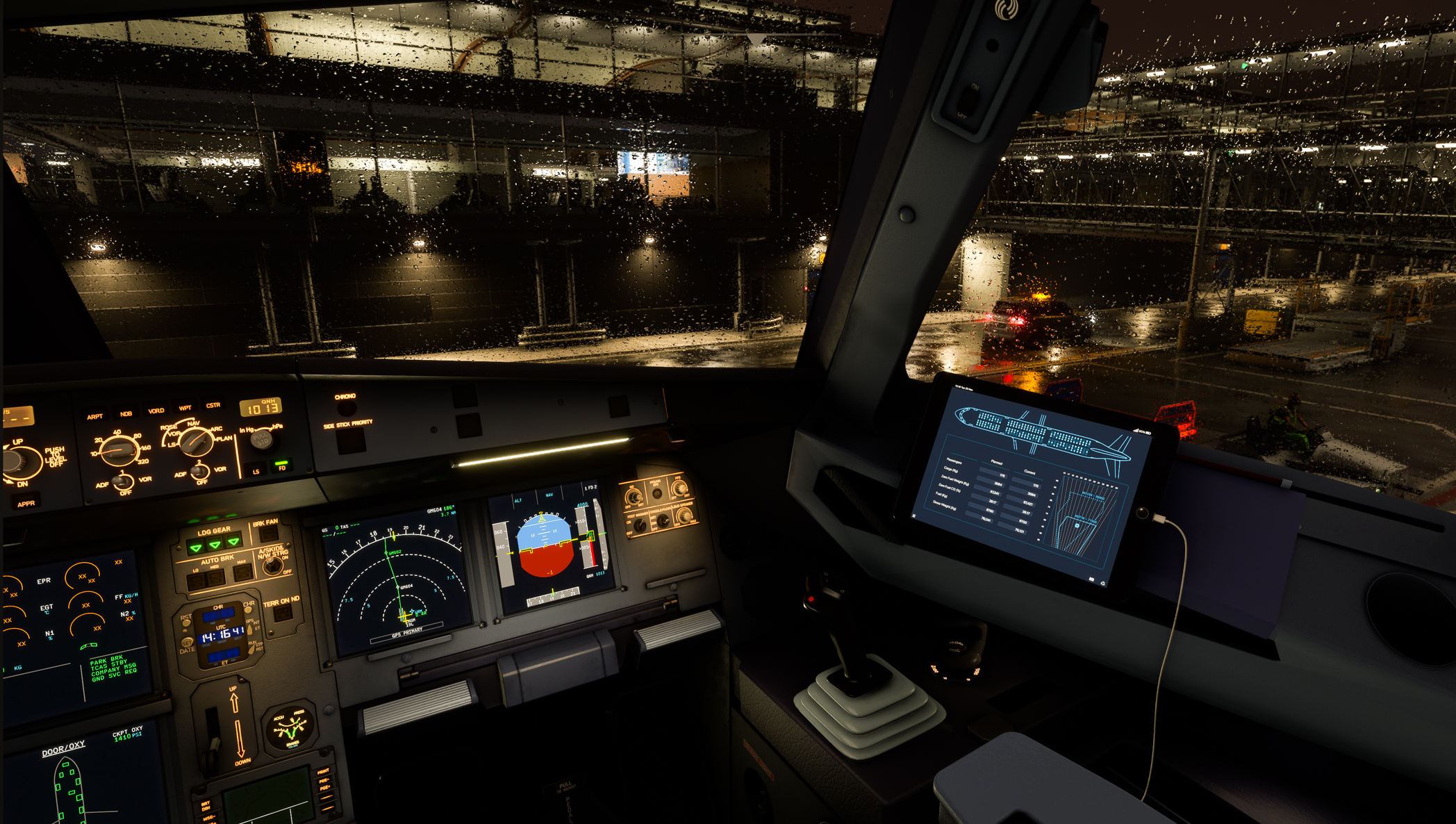
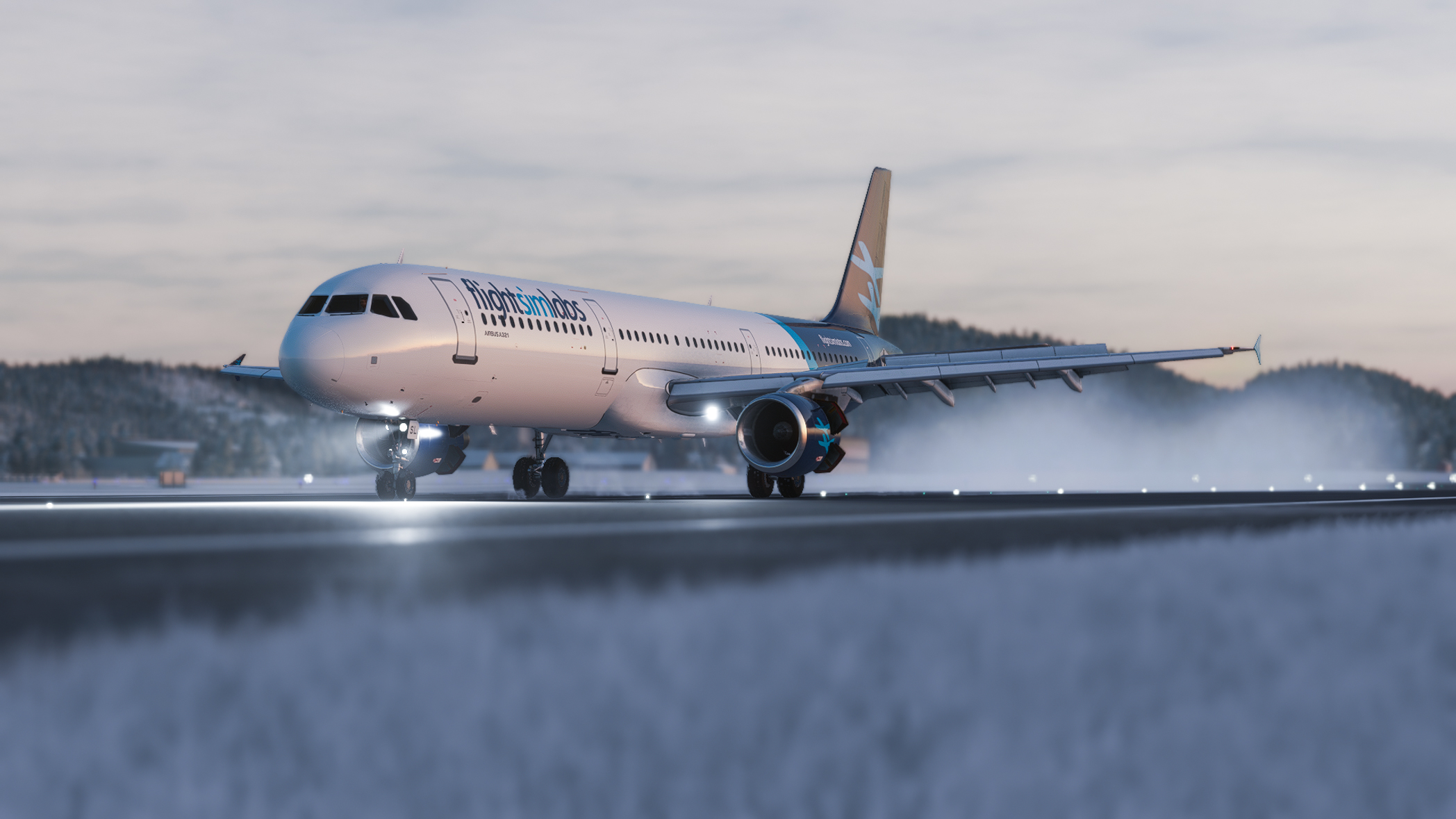
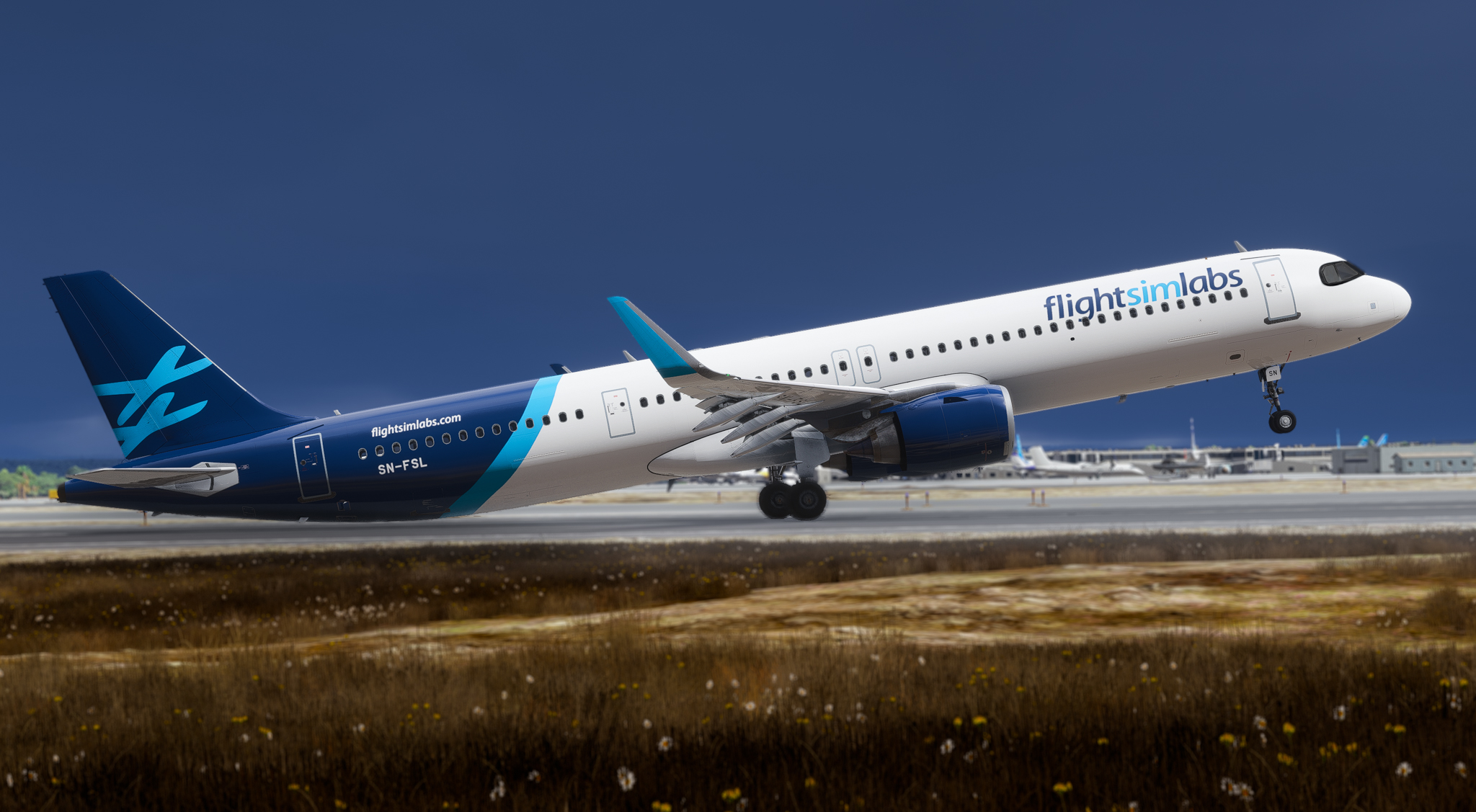
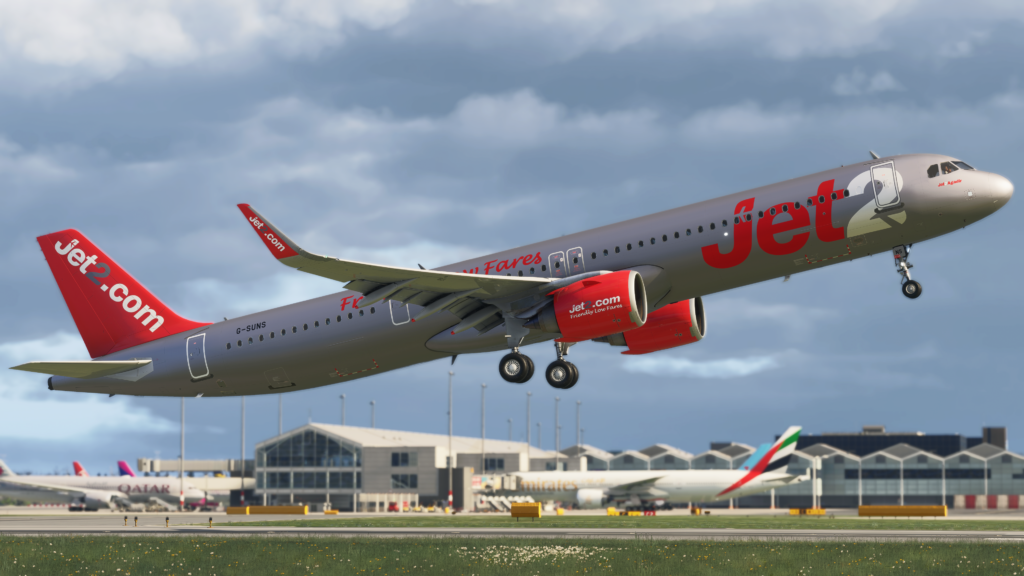
We’re pleased to announce the release of v11.0.1.347 for our A321ceo and A321neo series, a substantial update spanning flight management, flight guidance, ground operations, online connectivity and home cockpit hardware support.
This update is available now through the Flight Sim Labs Control Center in the Experimental Channel.
Flight Management System (FMGC)
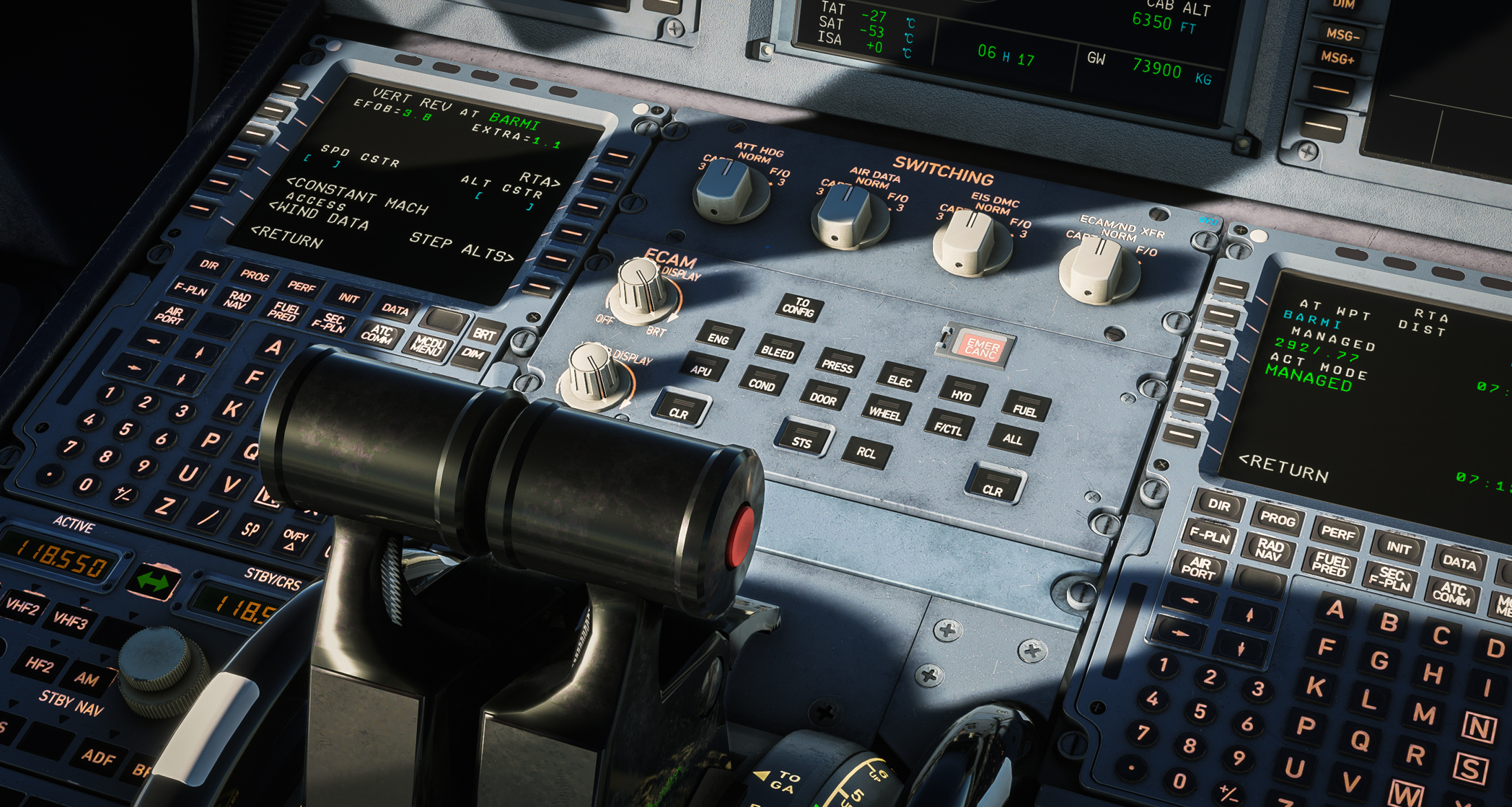
One of the biggest areas of work in this update has been the FMGC, with a wide range of refinements across lateral and vertical revisions, predictions, arrivals, departures, airways, secondary flight plans, performance pages and GPS monitoring. Many of these changes are small in isolation, but together they create a noticeably more robust and authentic flight management experience.
From improved VERT REV behaviour, STEP ALT logic and constant Mach handling, through to more accurate formatting, prediction logic and flight plan sequencing, the FMGC should now feel more consistent, more dependable and closer to the real aircraft in day-to-day operation.
Flight Guidance and Aircraft Handling
Flight guidance and aircraft handling have also received significant attention for both the A321ceo and A321neo. Updates to roll and pitch behaviour, flap full pitch, drag curves, yaw stability, rotation tuning, ground handling and alternate/direct law logic all contribute to a more refined aircraft feel across the envelope.
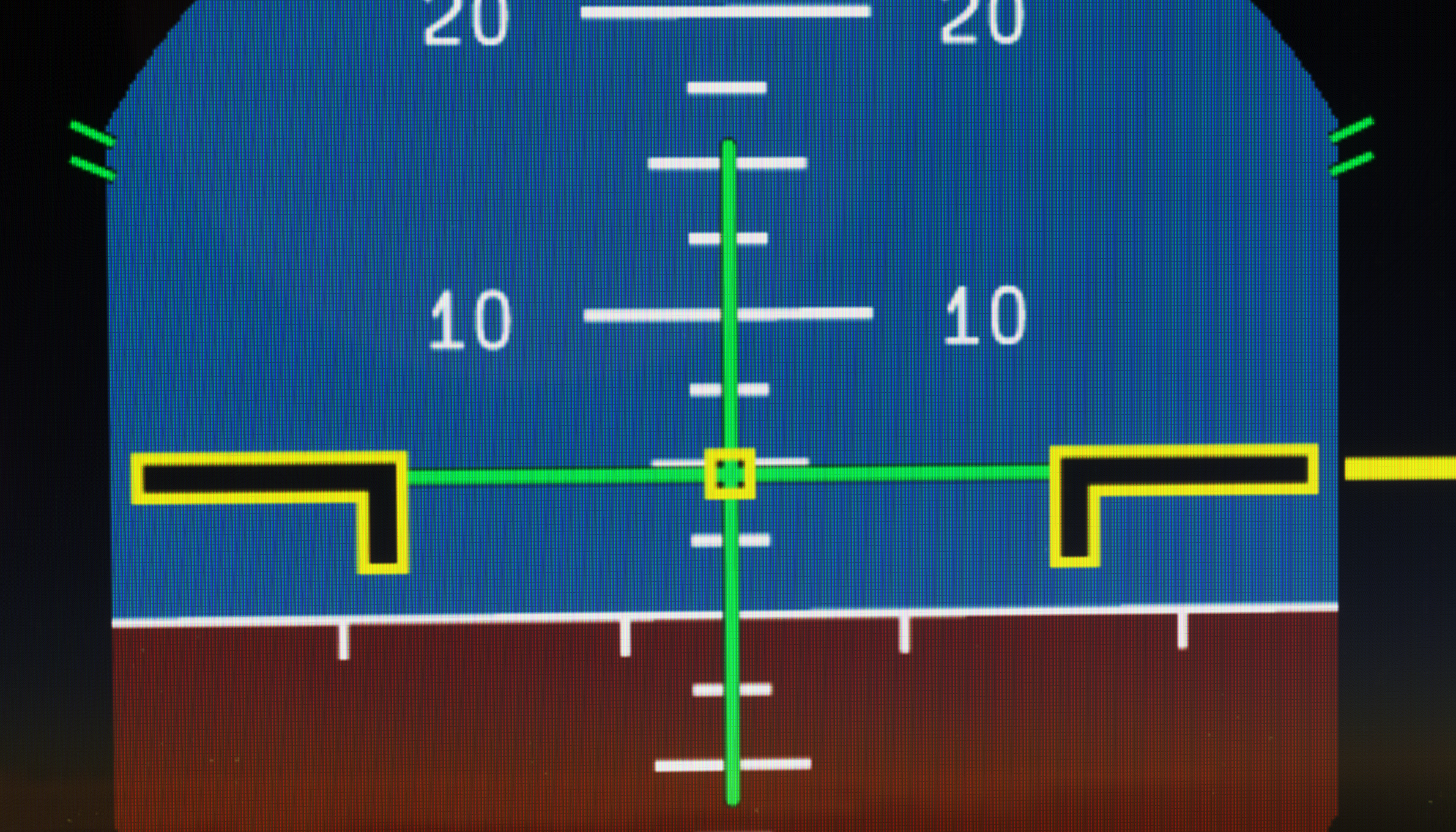
The autopilot, flight director and descent logic have also been improved, including better FD tracking, initial descent behaviour before top of descent, and additional protections around edge cases where mode changes could produce unexpected results. The aim is a smoother and more predictable aircraft, particularly in those phases of flight where small details matter most.

EFB, Ground Handling and GSX
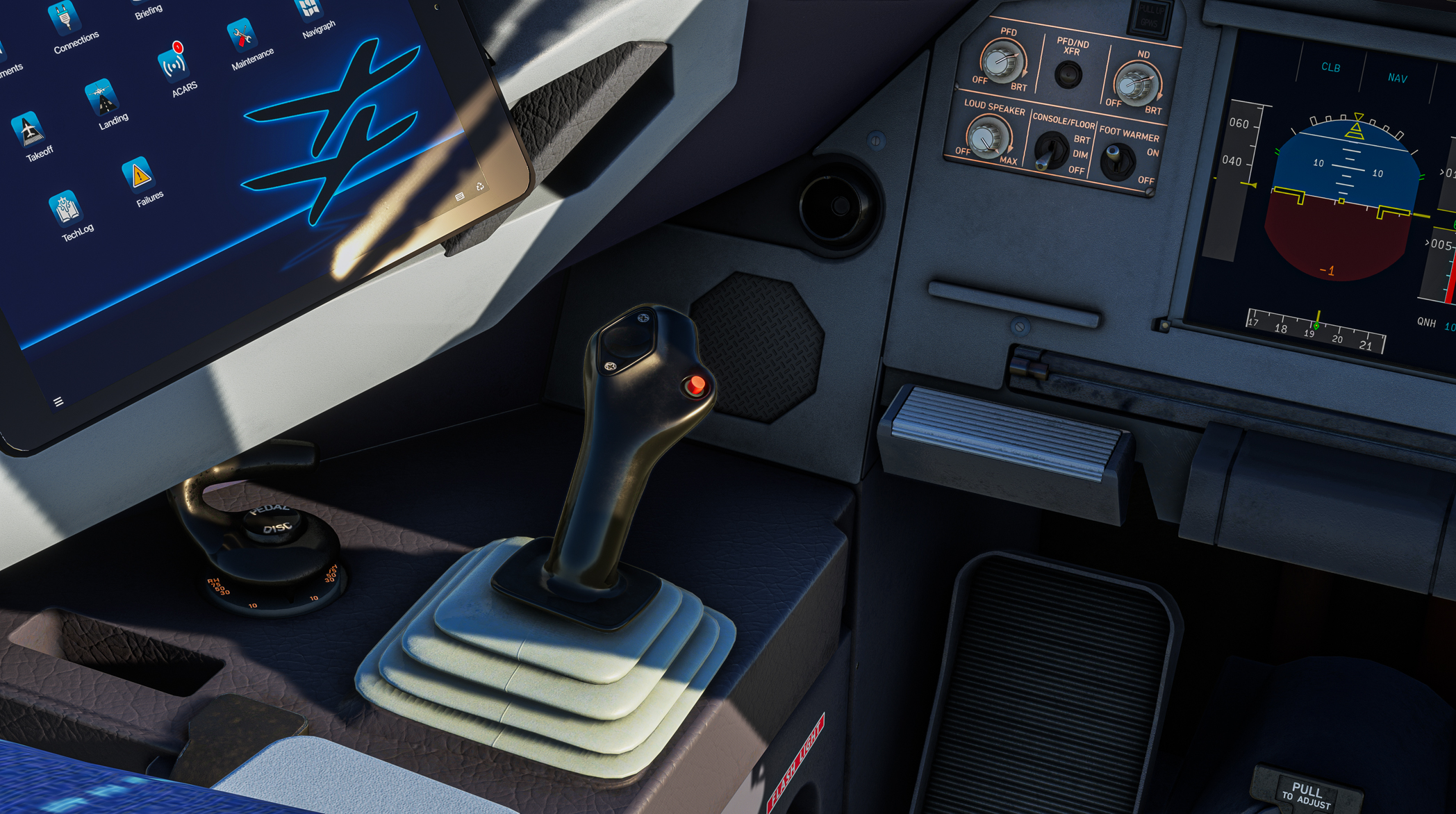
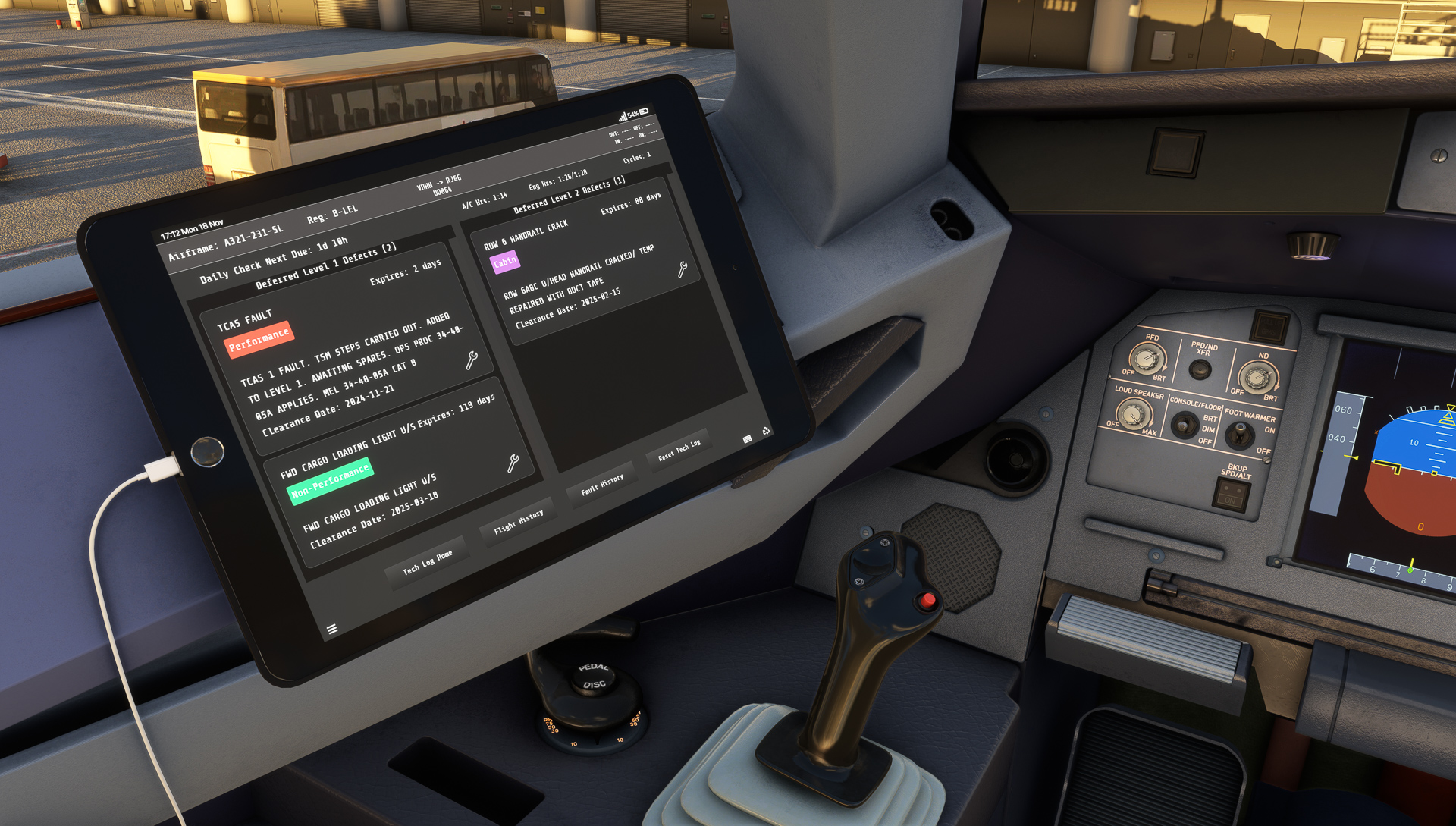
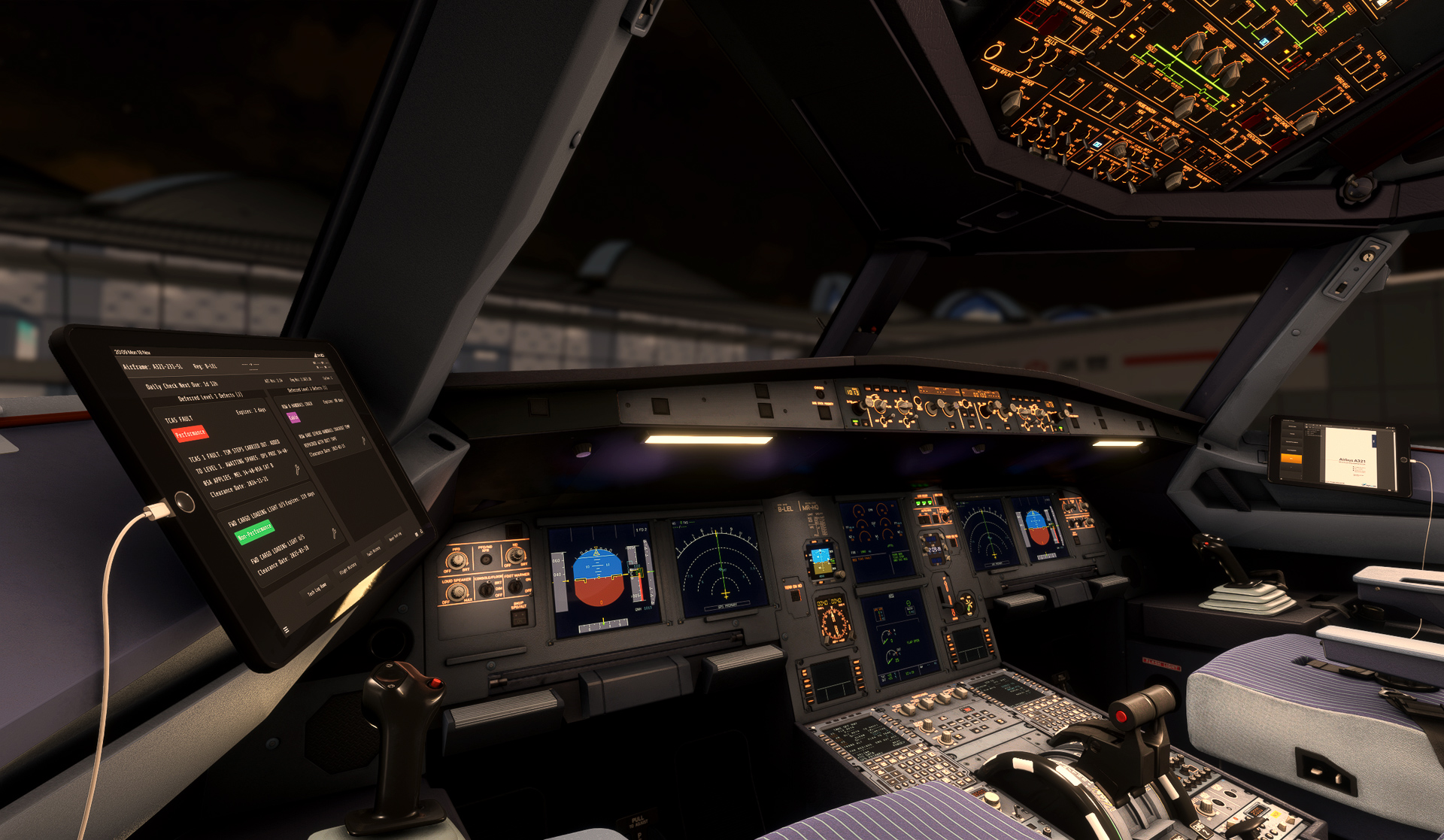
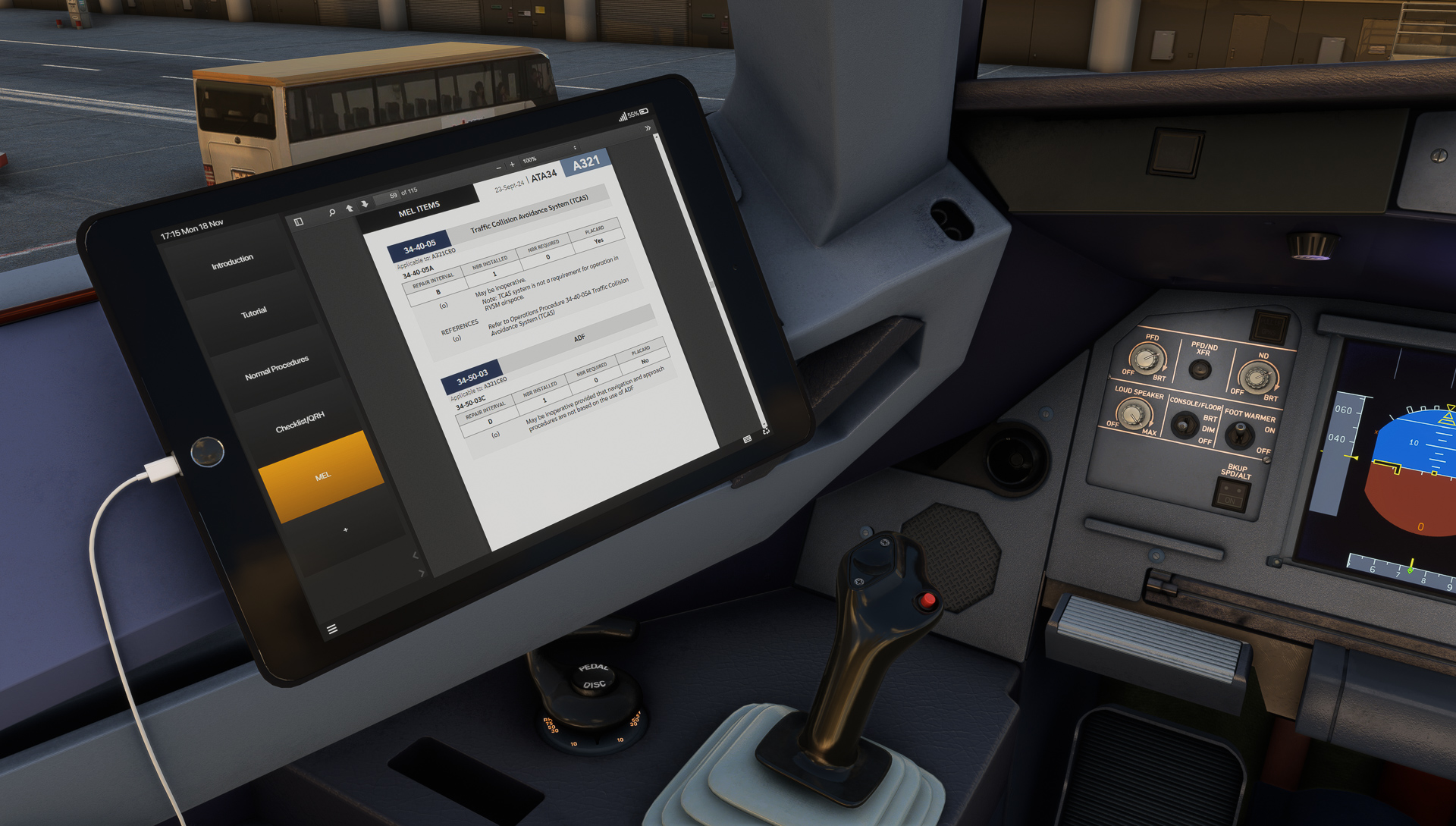
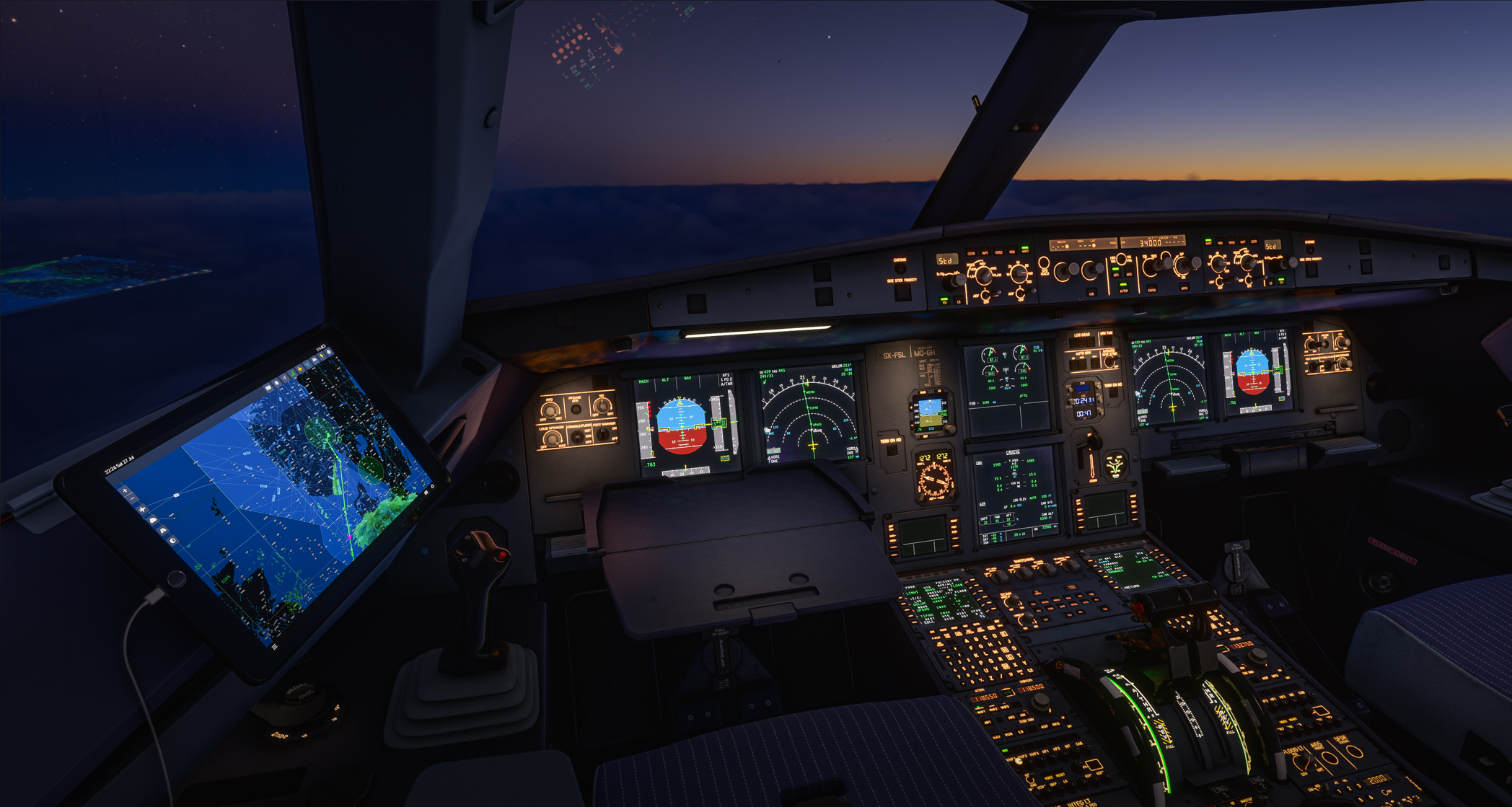
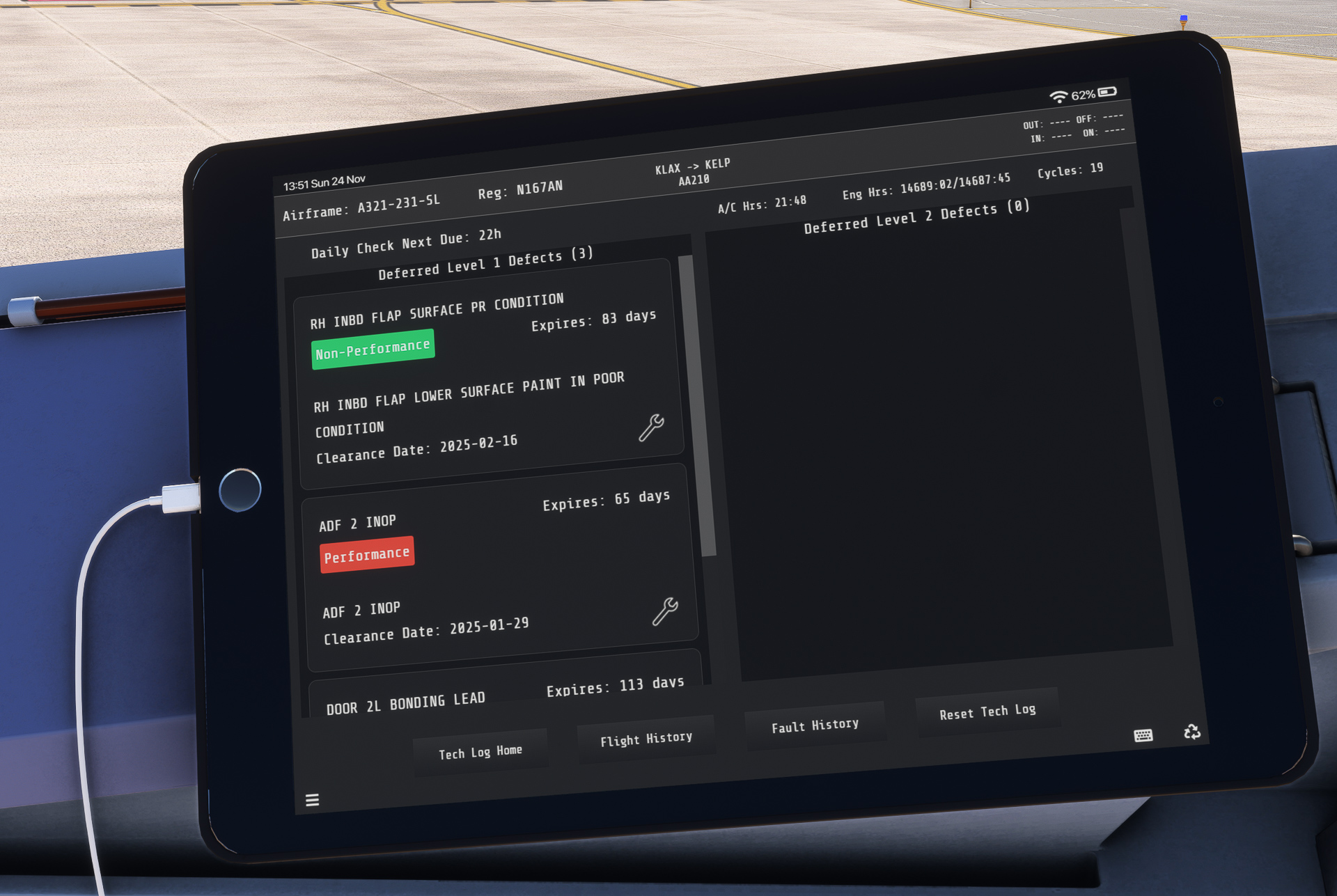
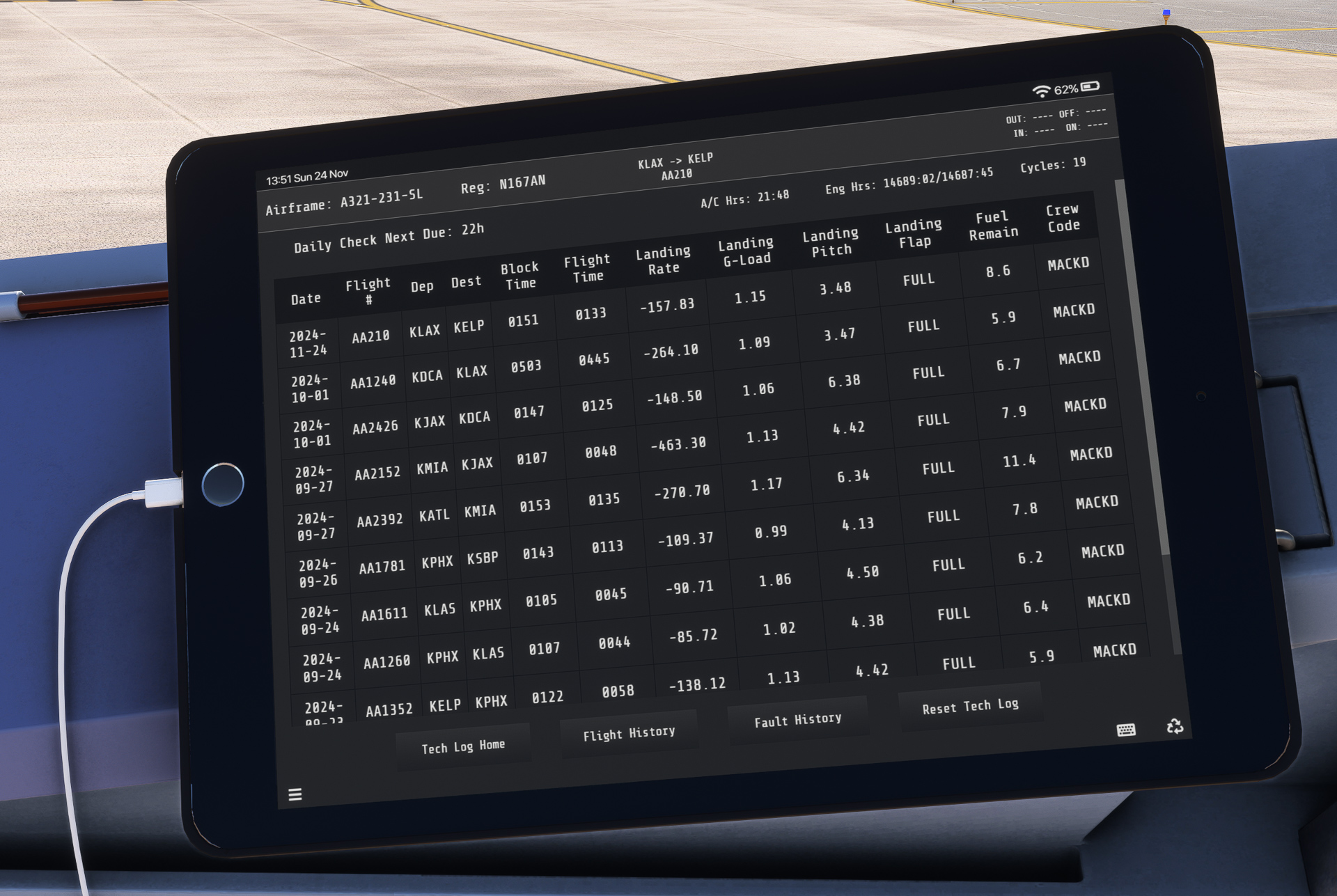
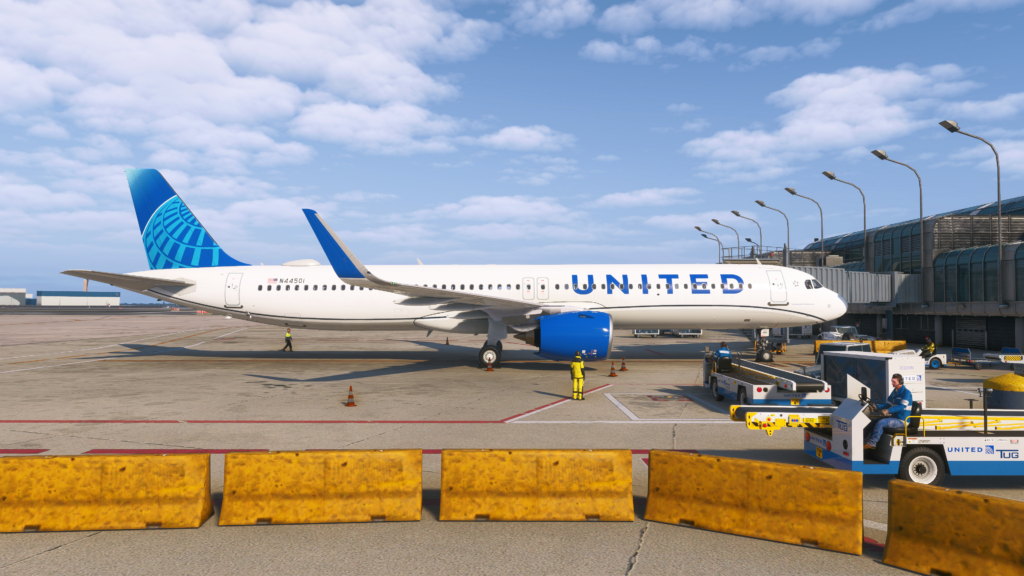
The EFB and ground handling workflow have been strengthened too, with improvements to Navigraph map behaviour, moving map loading, screen rendering, long-session stability and new calibration tools for thrust levers and flap axes.
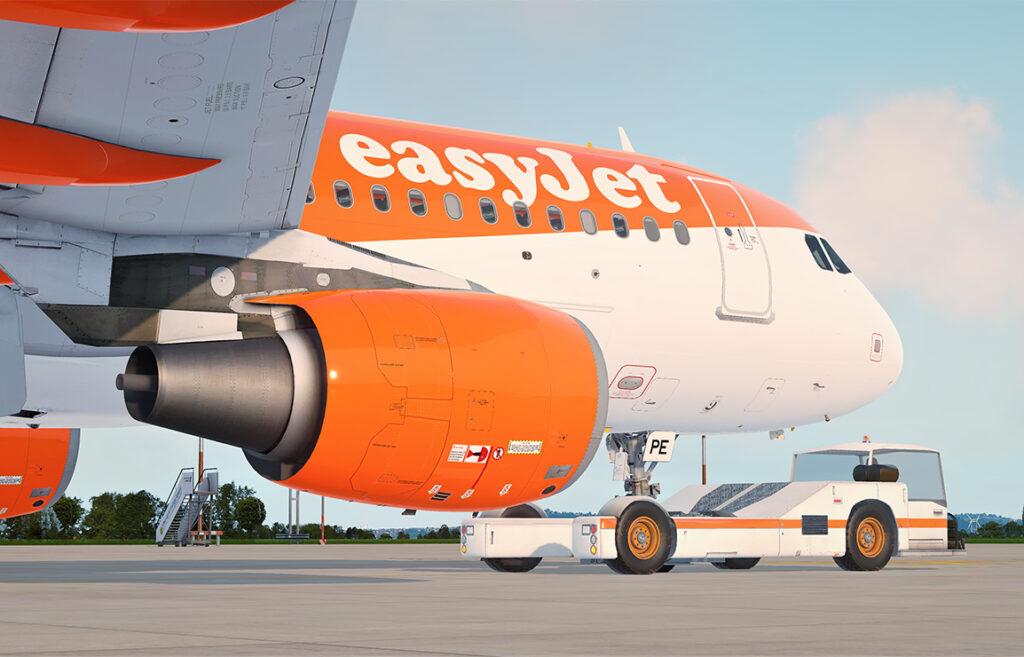
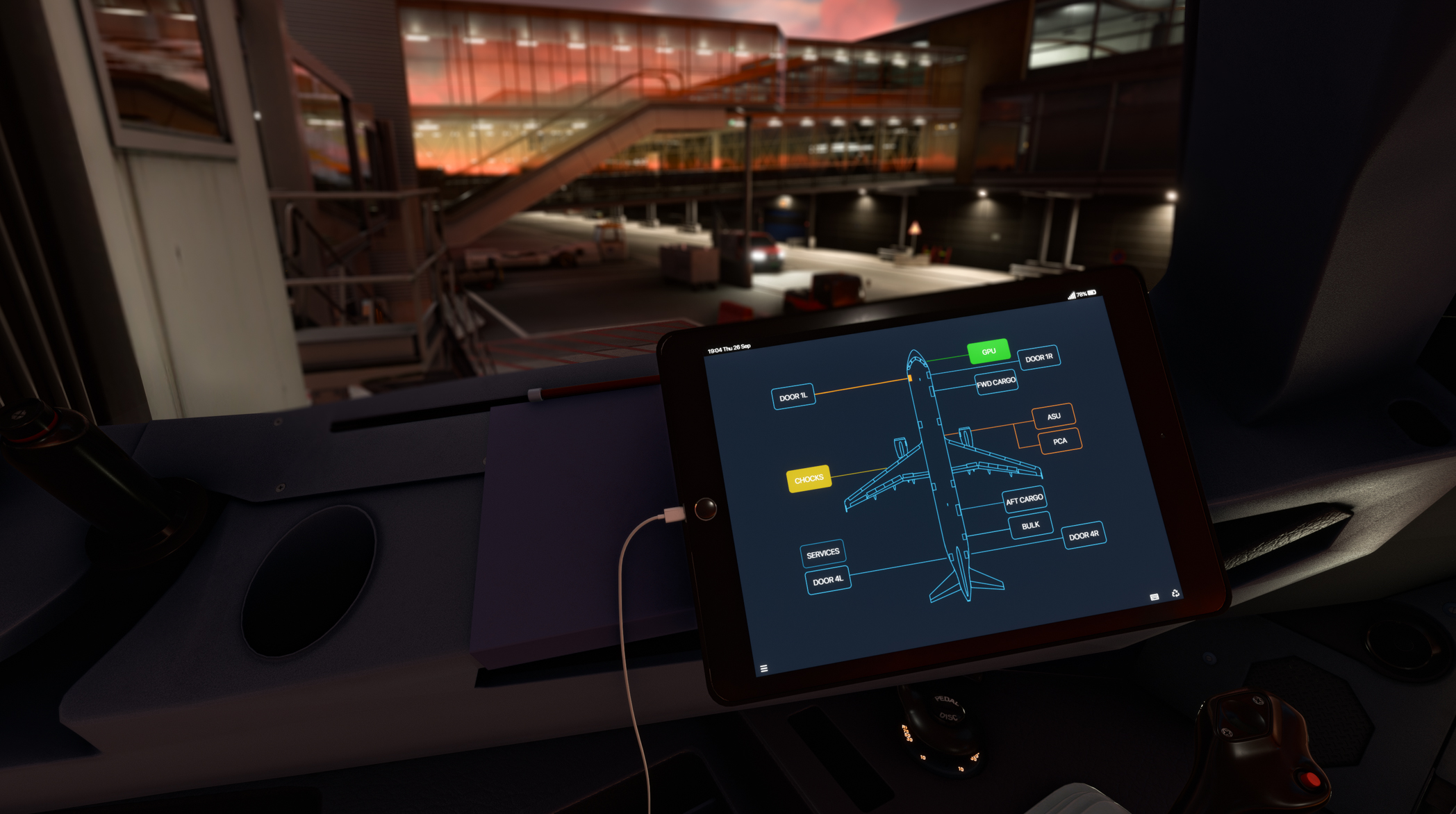
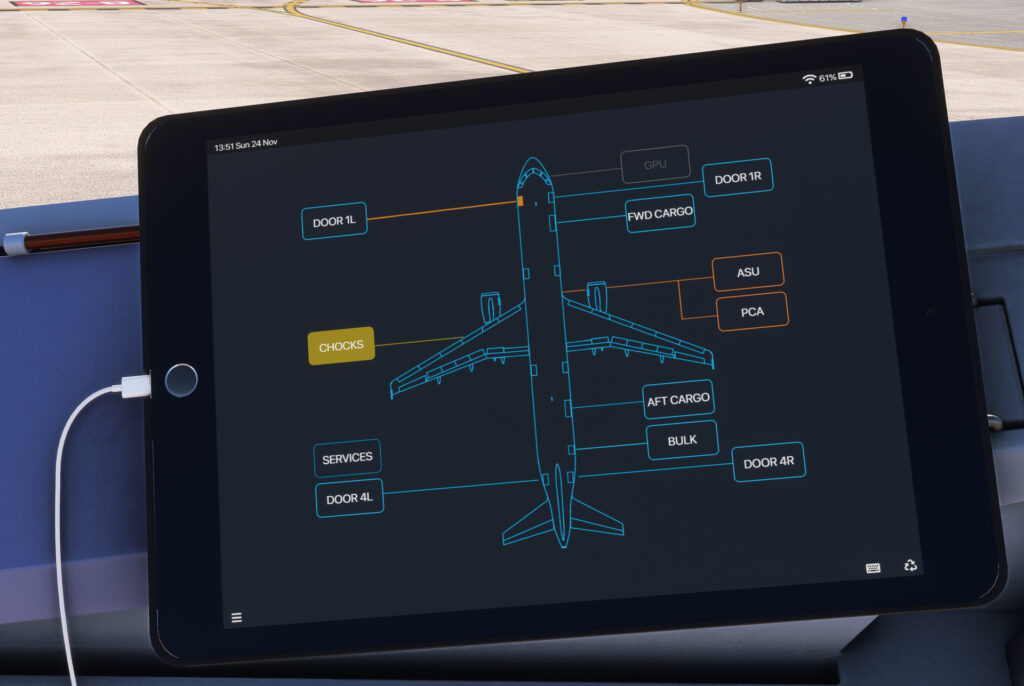
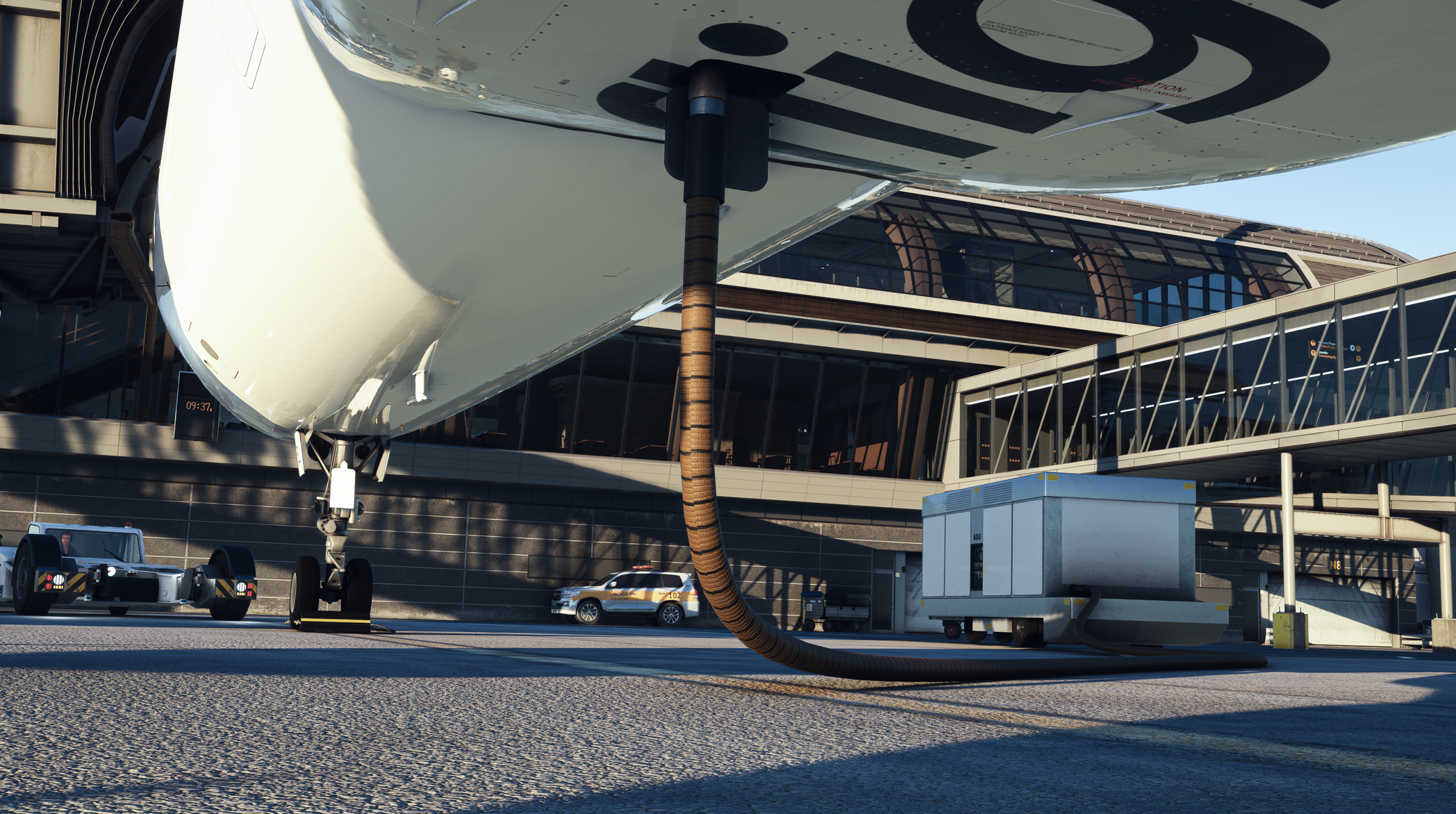
GSX integration has also been updated in several practical areas, including stand matching, ground service handling, cargo door timing, pushback reliability, rear door operation for stair deboarding, and better use of remote mode only when required. These changes are designed to reduce friction around turnaround operations and make the aircraft easier to operate naturally from cold and dark through to departure and arrival.
Online Flying and Connectivity
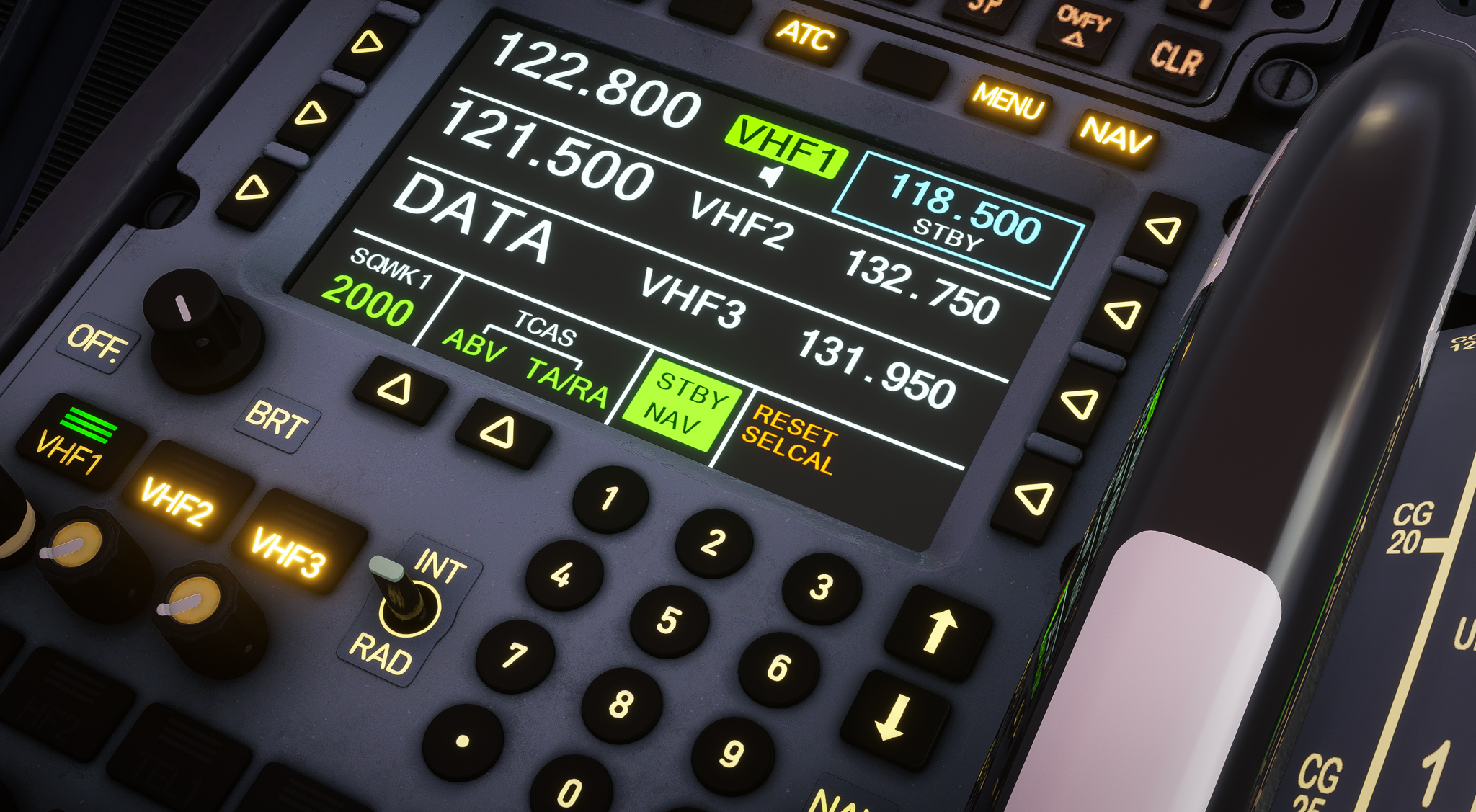
For online flyers, this update adds some especially useful improvements. The FMGC COMM page now includes vPilot integration, while CPDLC support has been expanded with new European station formats.
ATSAW support has also been improved with FSLTL callsigns on traffic, helping online environments feel more connected and believable. Combined with fixes to routing import, SID/STAR handling and AOC stability, this should make network flying, route preparation and connected cockpit workflows feel more seamless.


Hardware and Cockpit Support
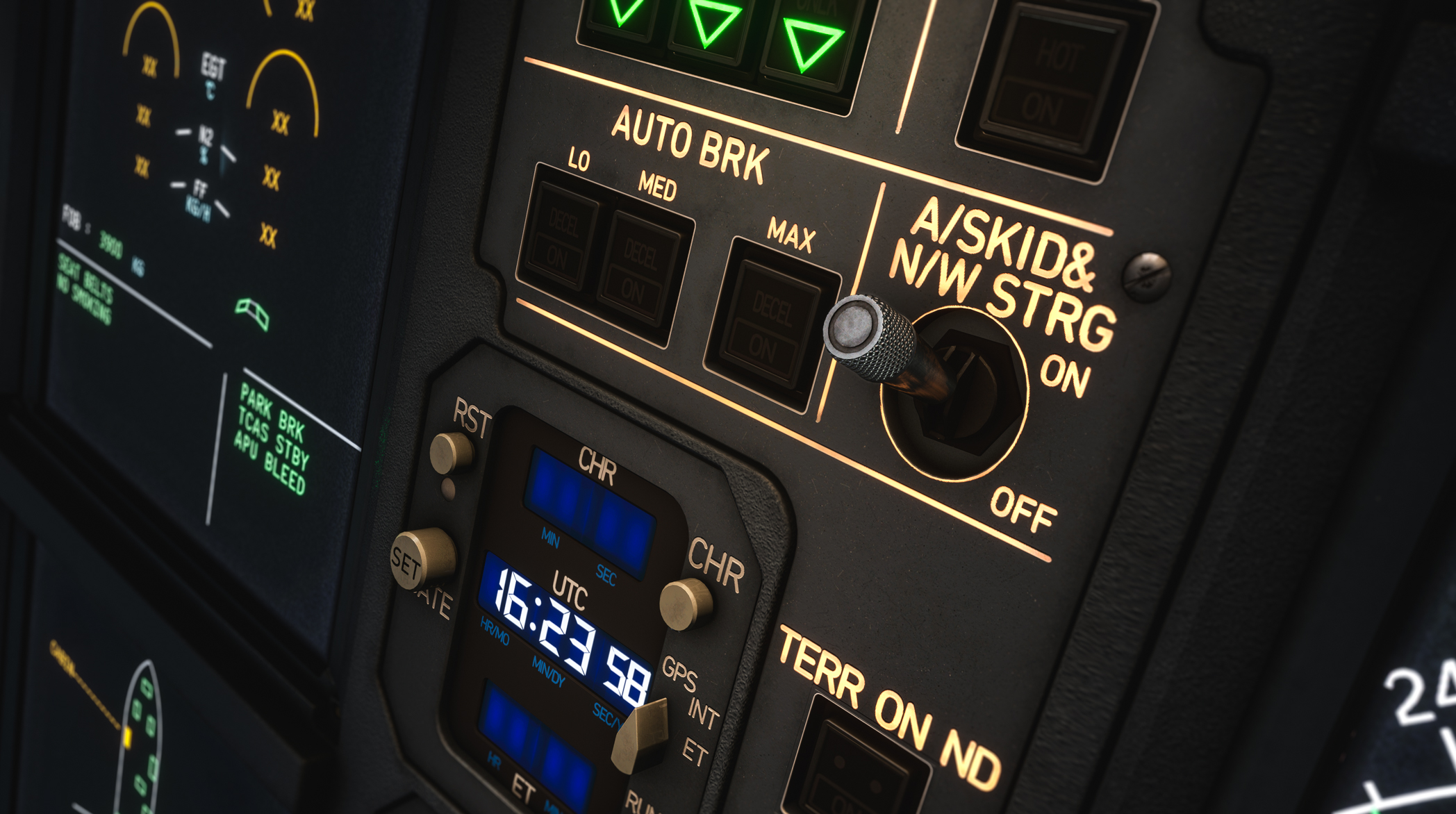
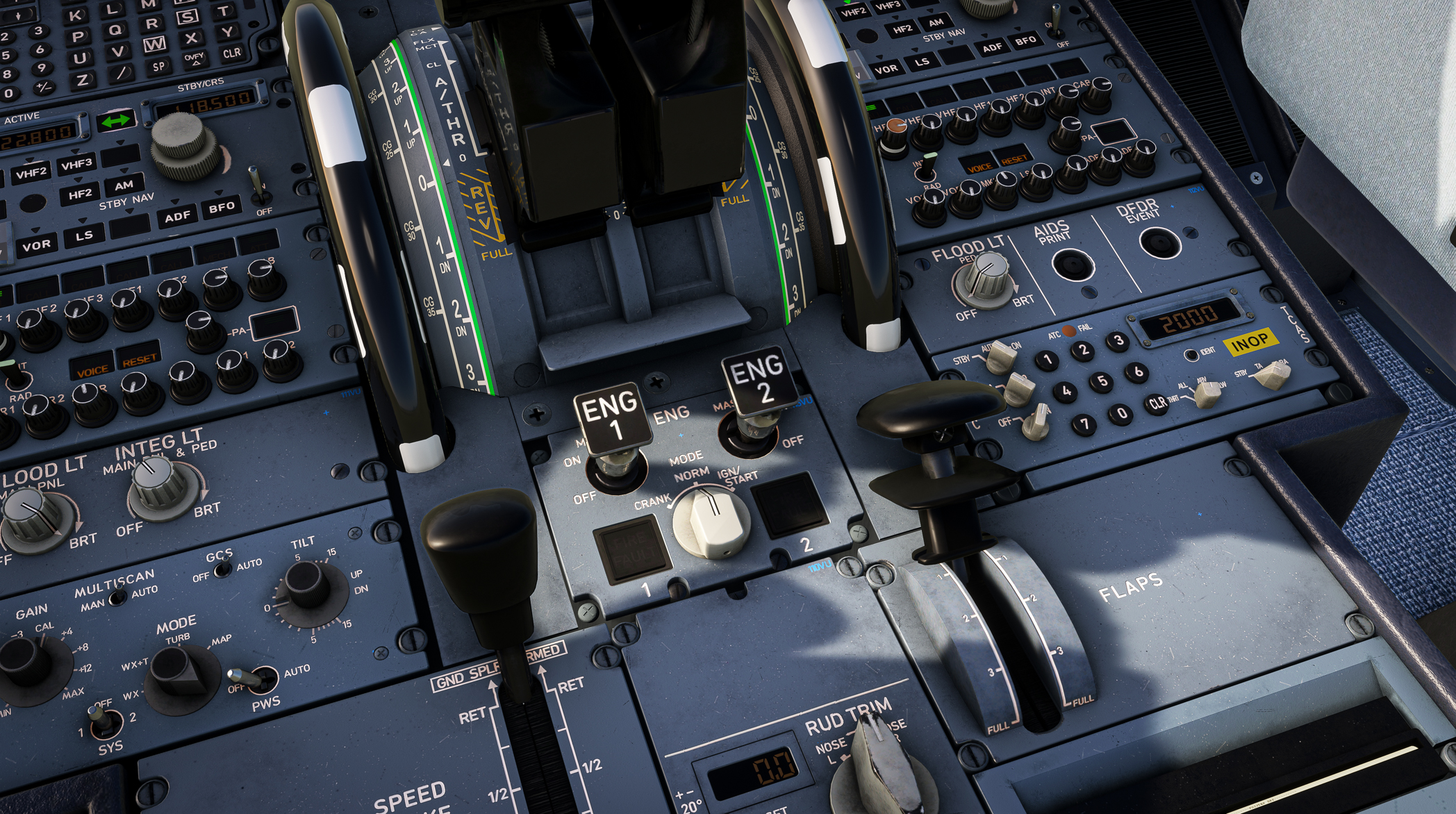
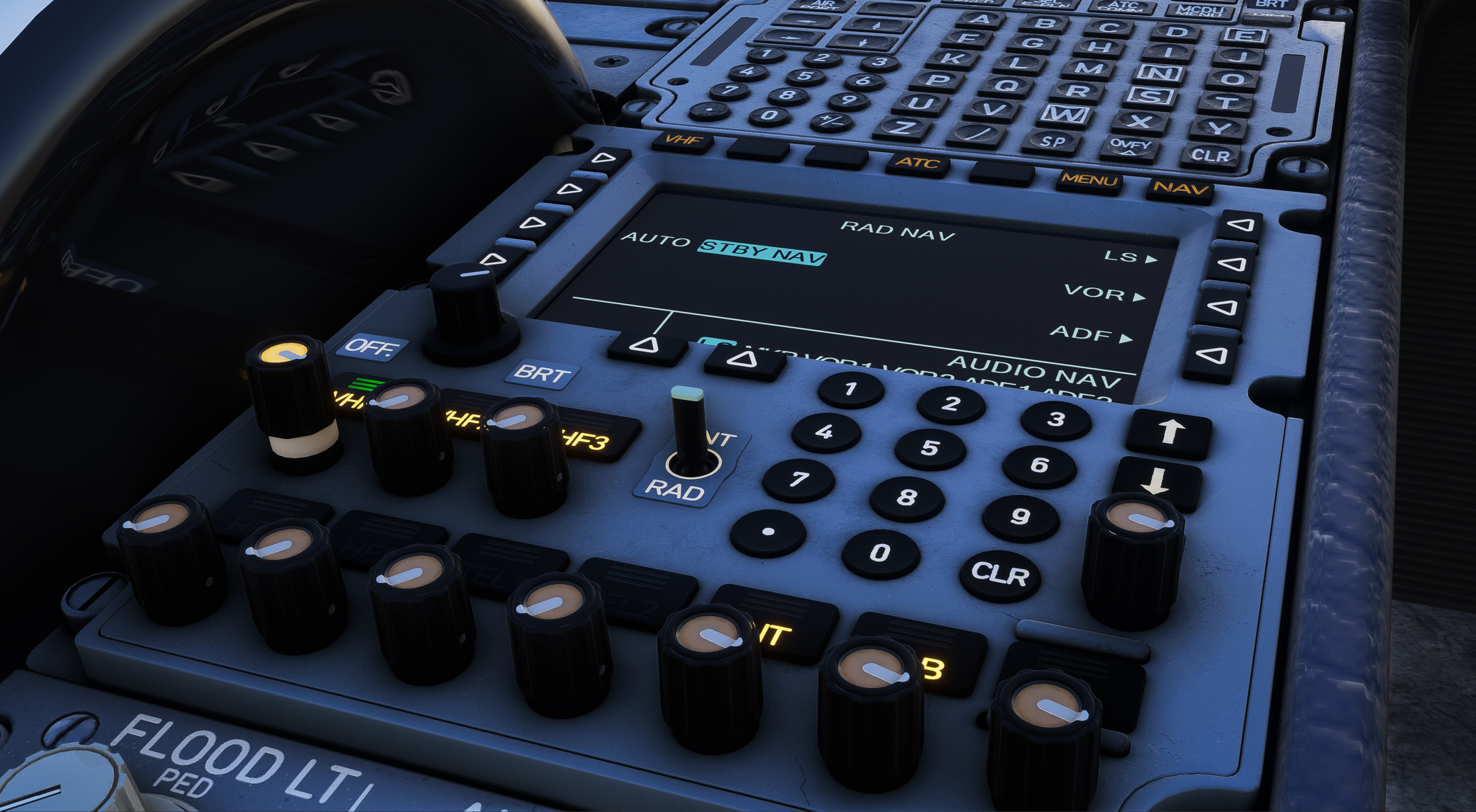
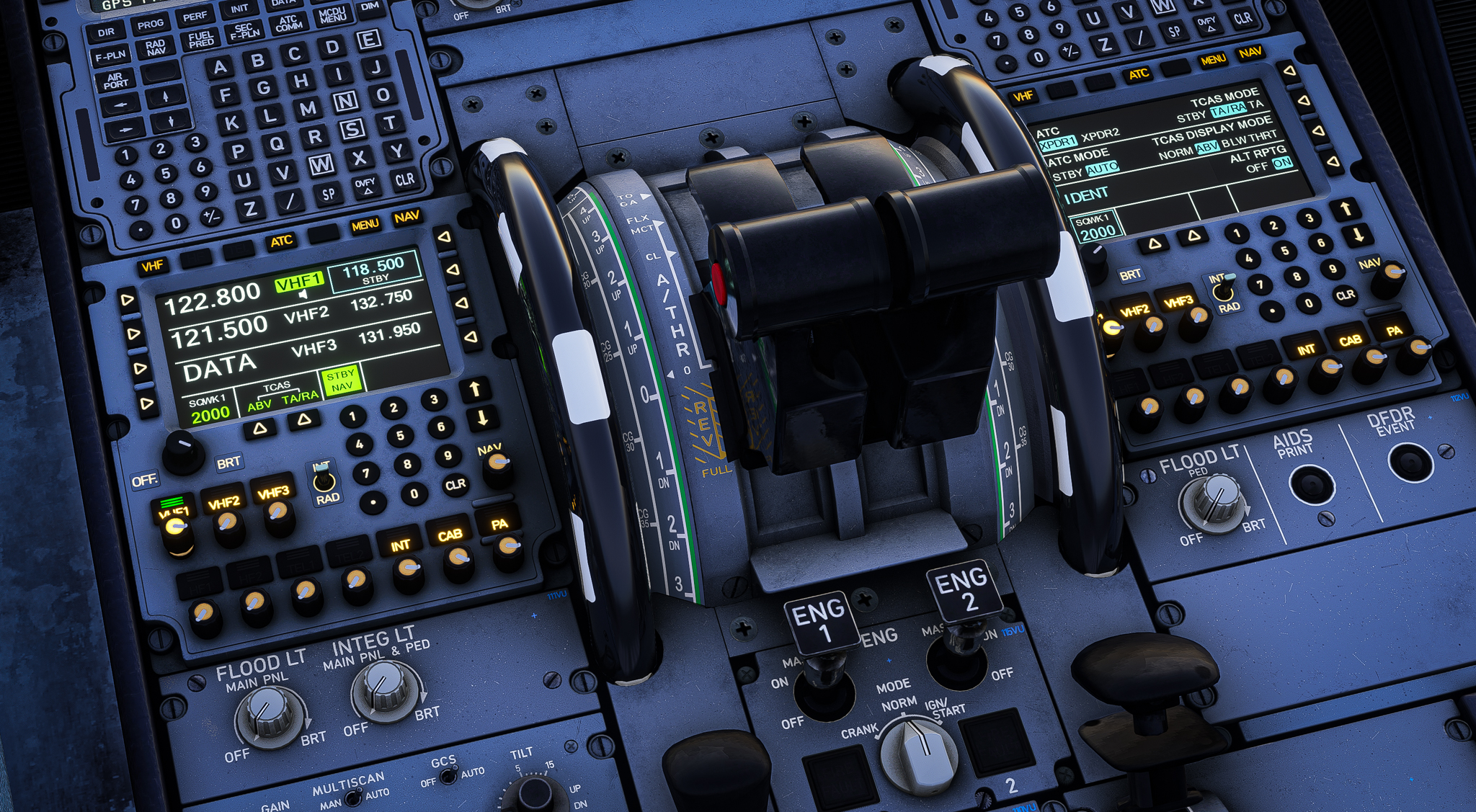
Home cockpit and hardware users also get a substantial set of additions. New SimConnect events have been added across multiple panels, including GPWS, DU controls, ACP, panel lighting, weather radar, cockpit door controls and overhead events.
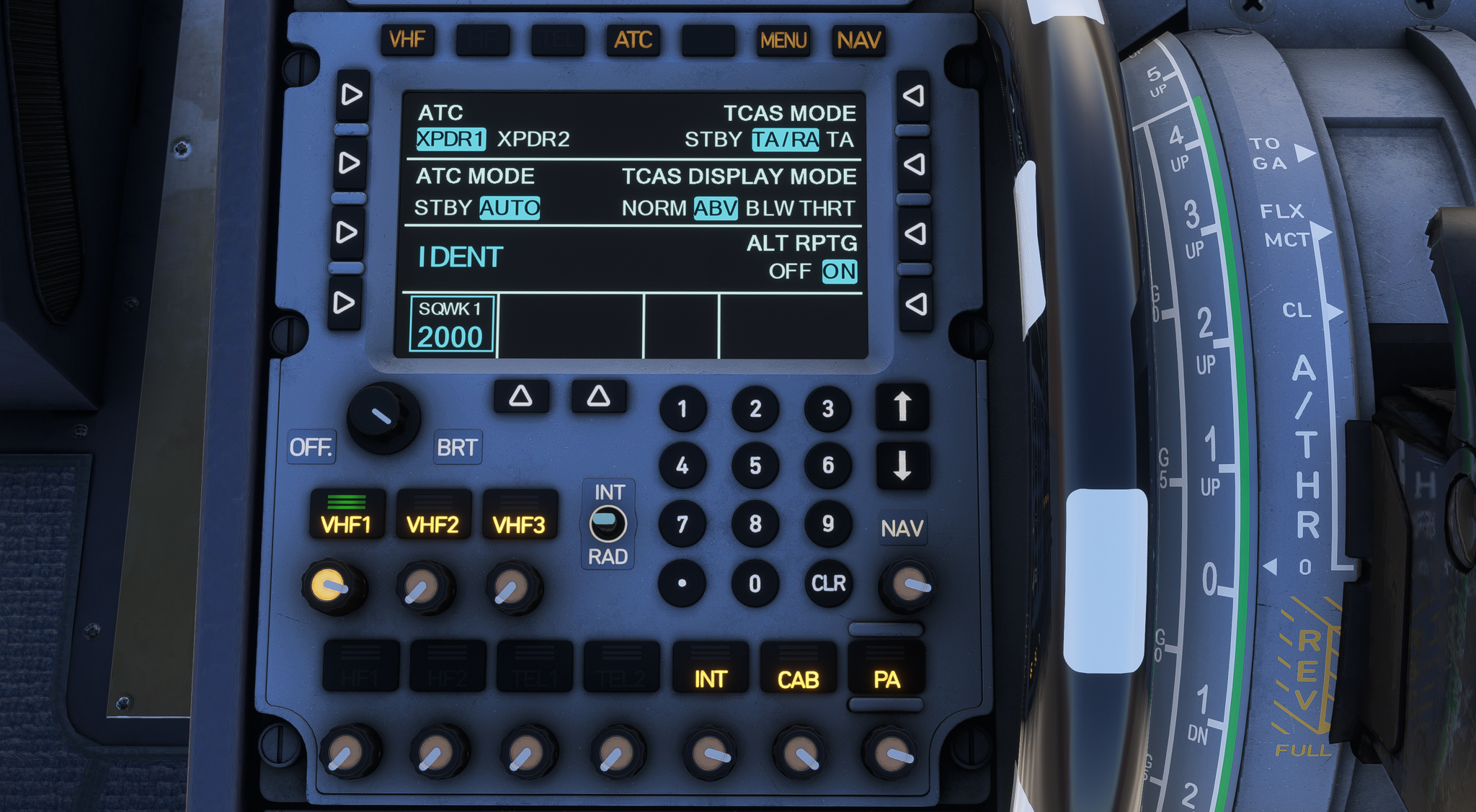
XPDR screen output has been extended, home cockpit sound mode has been added, and weather radar tilt functionality has now been implemented. For users building physical panels or more advanced hardware setups, this update opens up more direct control and feedback from the aircraft systems.
Rowsfire and Wingflex Integration
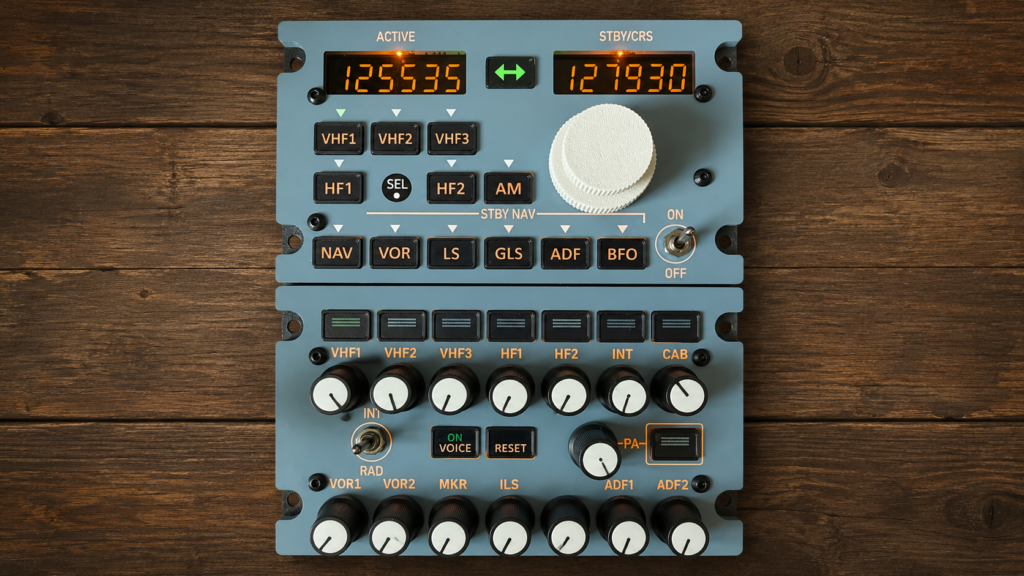
We’re also pleased to share that we have been working with Rowsfire and Wingflex to integrate support for their product line within our ecosystem, with the initial focus on the Wingflex Overhead, the Rowsfire A111 and Rowsfire A112 units. This is an exciting step forward, bringing full WXR, ACP and RMP control into the sim and giving users even more options when it comes to a complete hardware-driven cockpit experience. The A111 and A112 integration is currently going through testing with Rowsfire and will be made public shortly. You can find out more about the Rowsfire product range on the Rowsfire website.
The aim is for the integration to work properly across both DRAIMS and classic RMP-equipped aircraft, so the hardware behaves correctly depending on the aircraft configuration being flown. Once the A111 and A112 support is in place, the A107 is the next planned item on the roadmap, laying the groundwork for broader Rowsfire compatibility in future updates.

Visual, Sound and Systems Polish
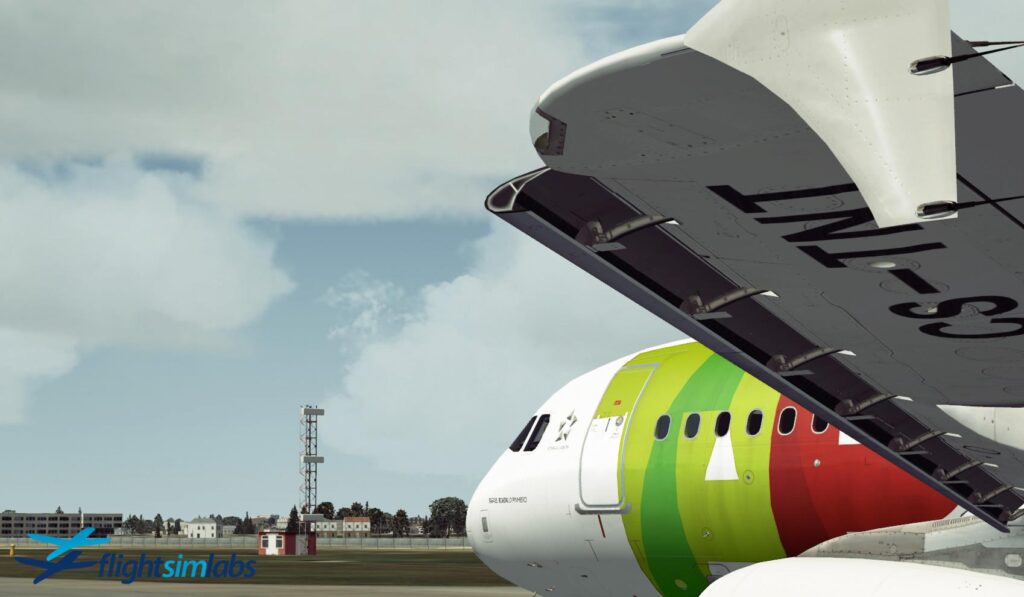
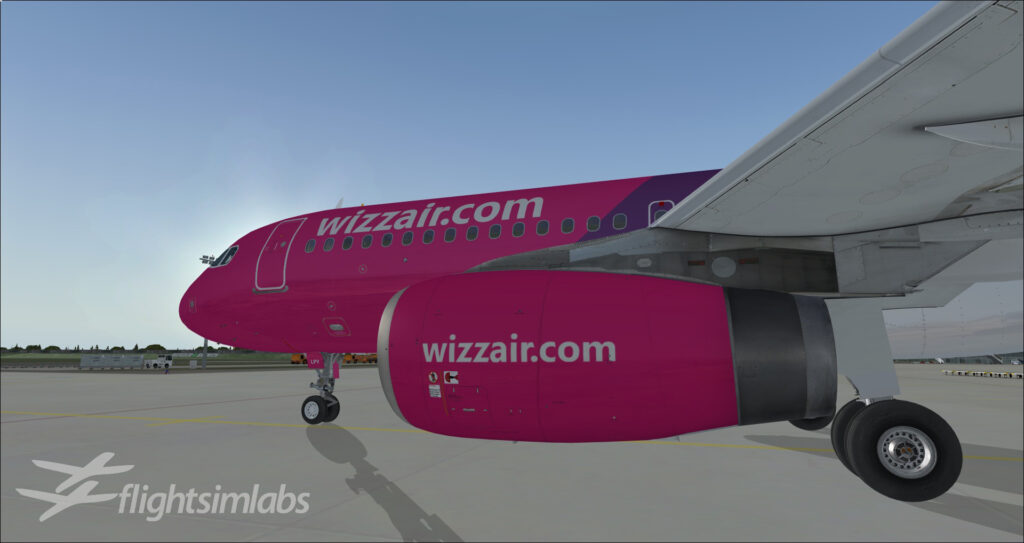
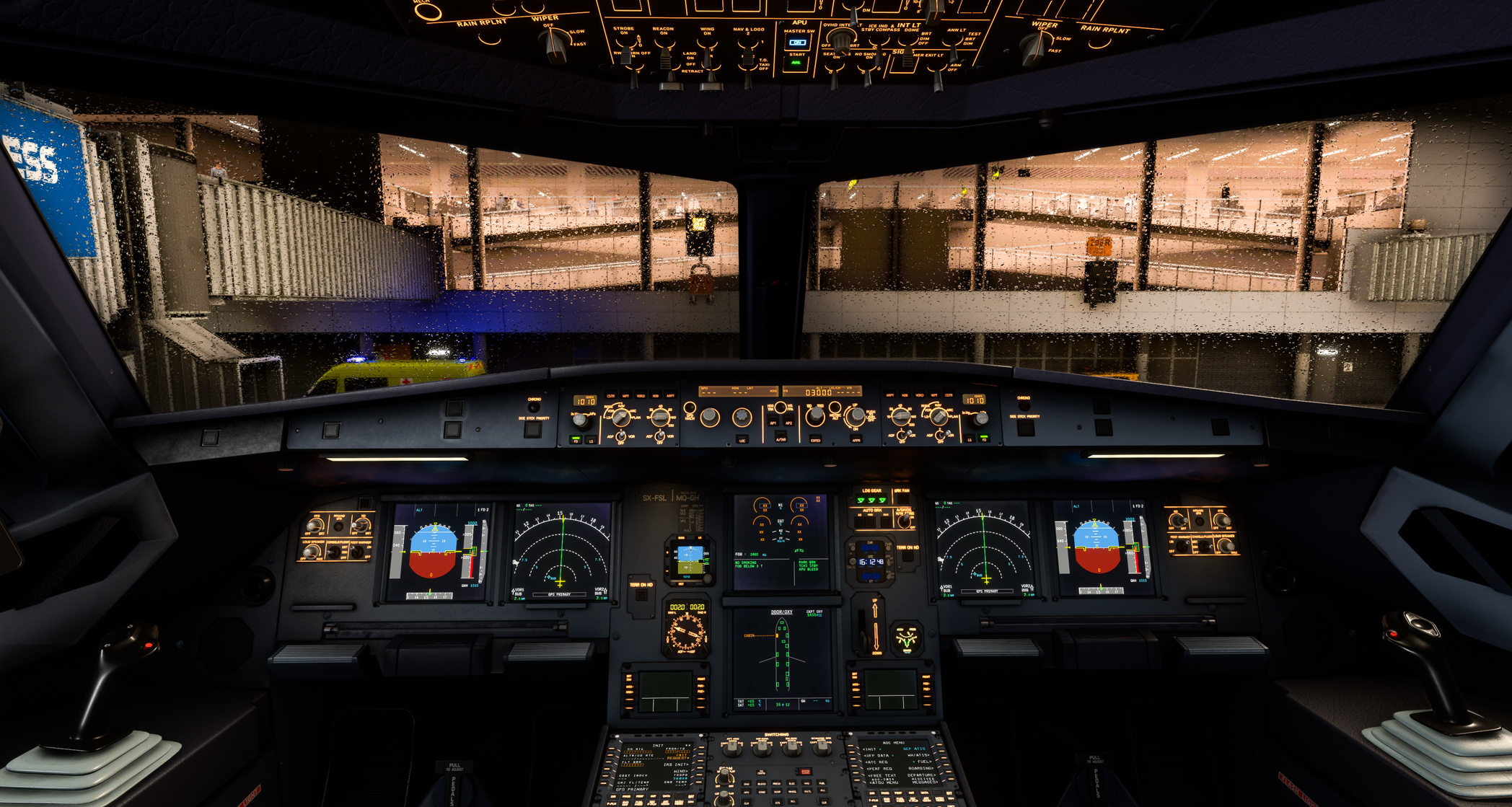
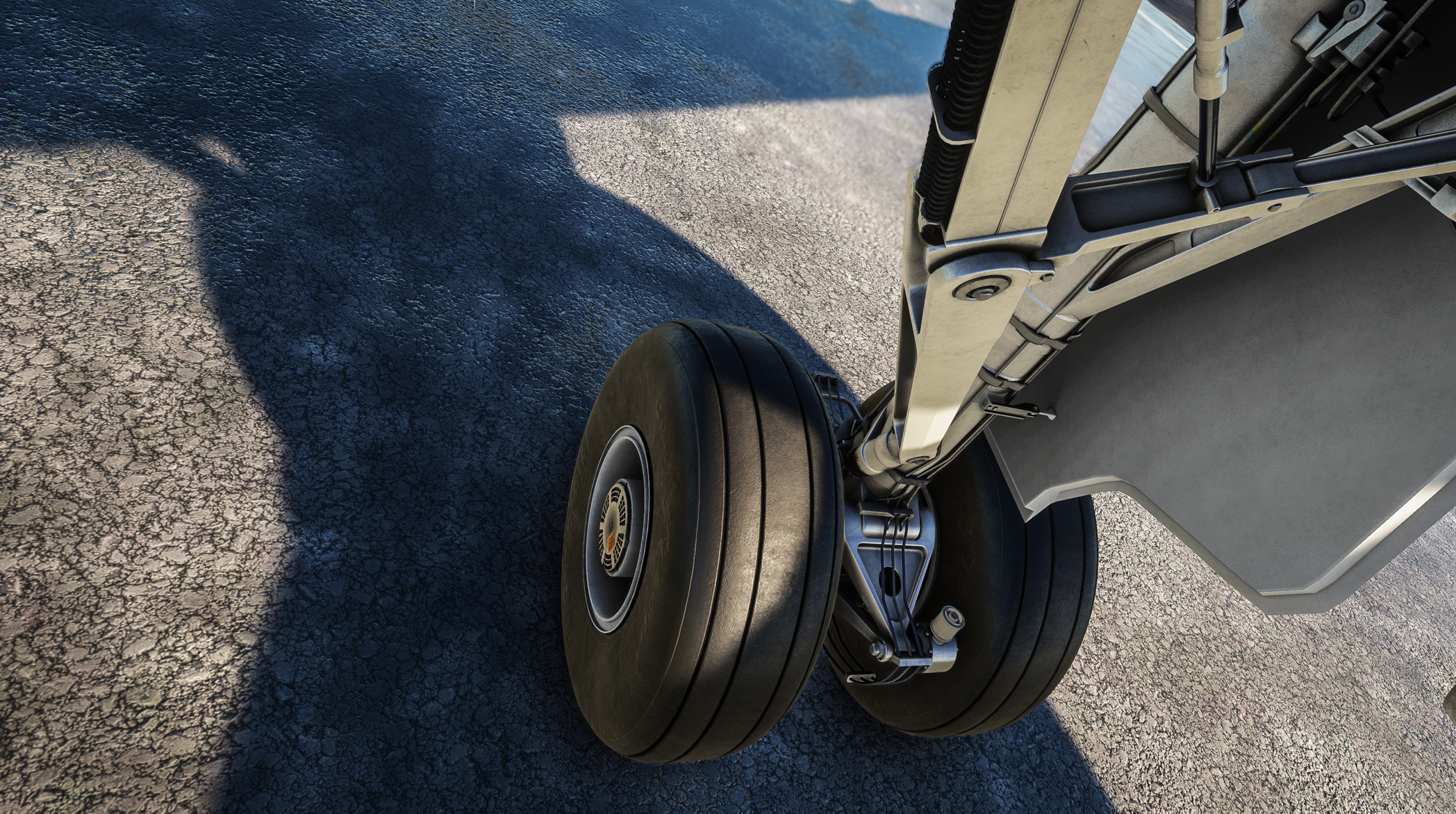
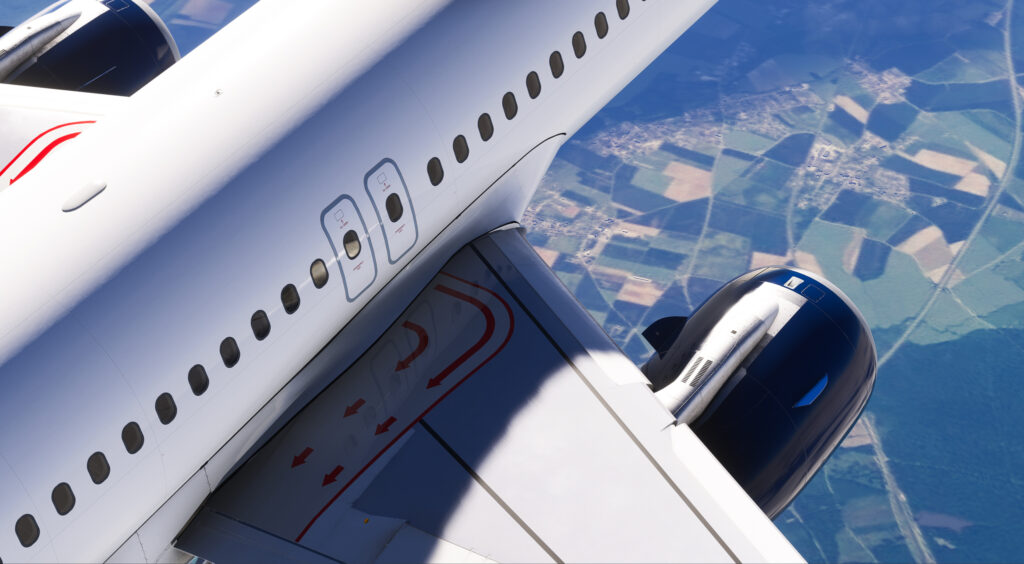
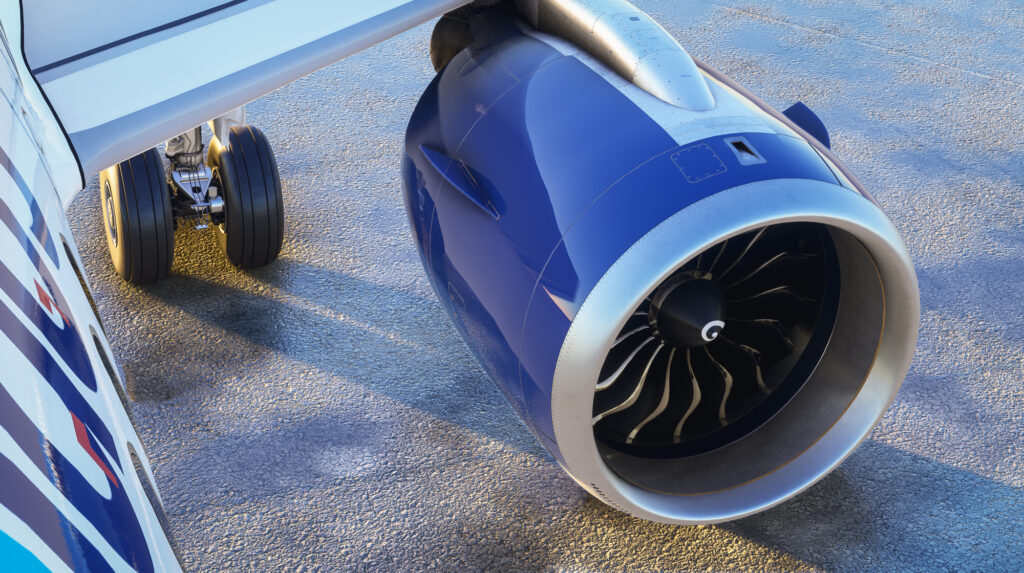
Finally, the update includes a broad layer of visual, sound and systems polish. The model has received updates to areas including the wing, flaps, slats, wheel textures, door logic and VR cursor behaviour, while the sound environment benefits from low-frequency tweaks, surround sound features and more accurate rain sound behaviour when electrical power is off.
Under the hood, there are many reliability and systems fixes across the FWC, ECAM logic, electrical components, hydraulics, failures, IRS/ADIRS, displays and engine modelling. The result is not just a cleaner changelog, but a more mature aircraft package with improvements that should be felt across normal operations, abnormal procedures, online flying and high-end cockpit setups.
A Continuing Commitment to our Customers and Products
This update is available now via the Experimental channel in the FSLabs Control Center.
With hundreds of refinements, fixes and enhancements included in this release, we hope you’ll notice the difference throughout every phase of flight. Thank you for your continued support, and happy flying.