FSLabs A321neo Update: V11.0.1.310
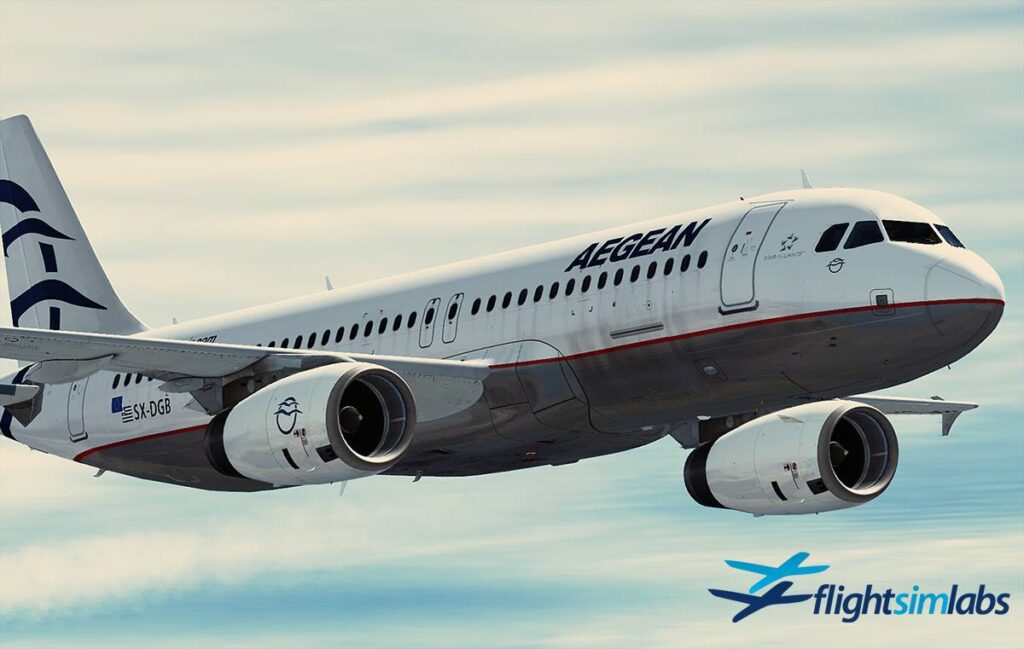
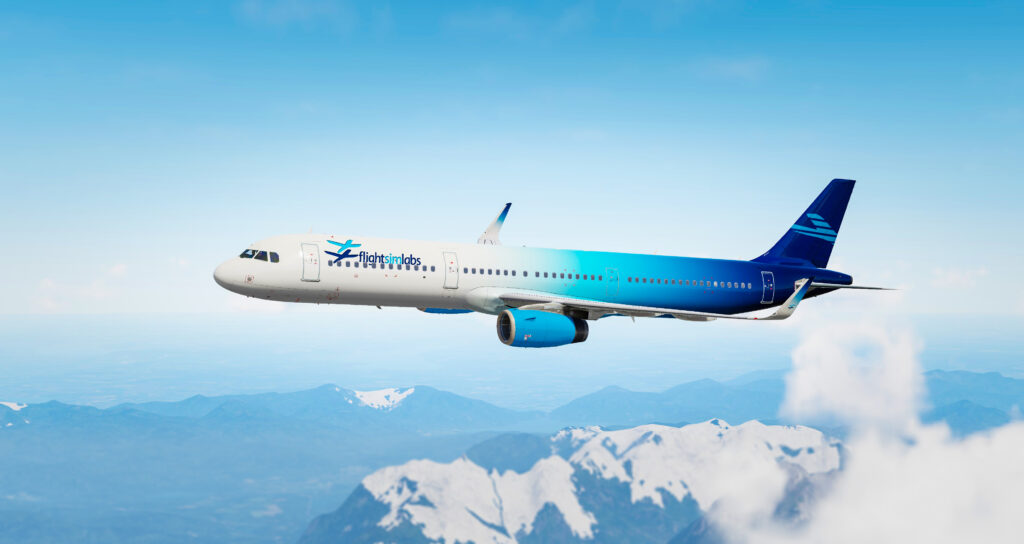
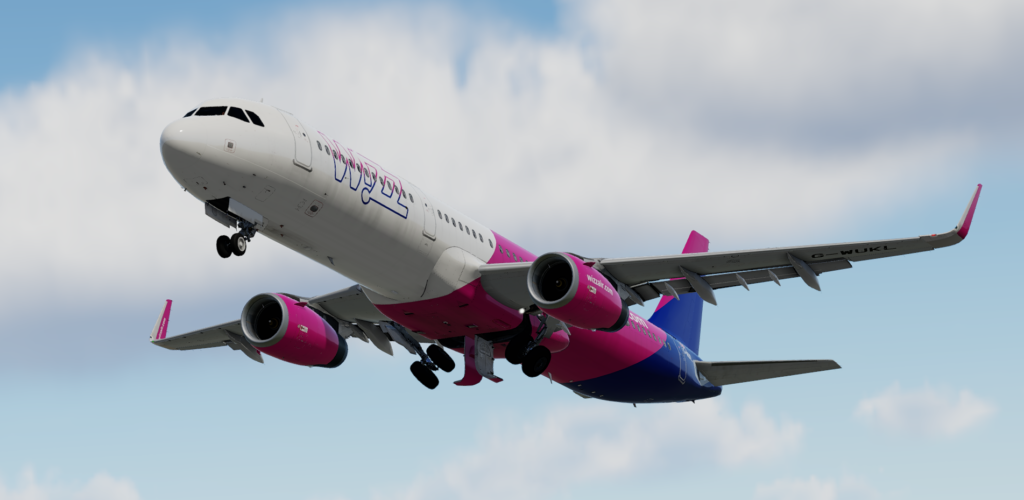
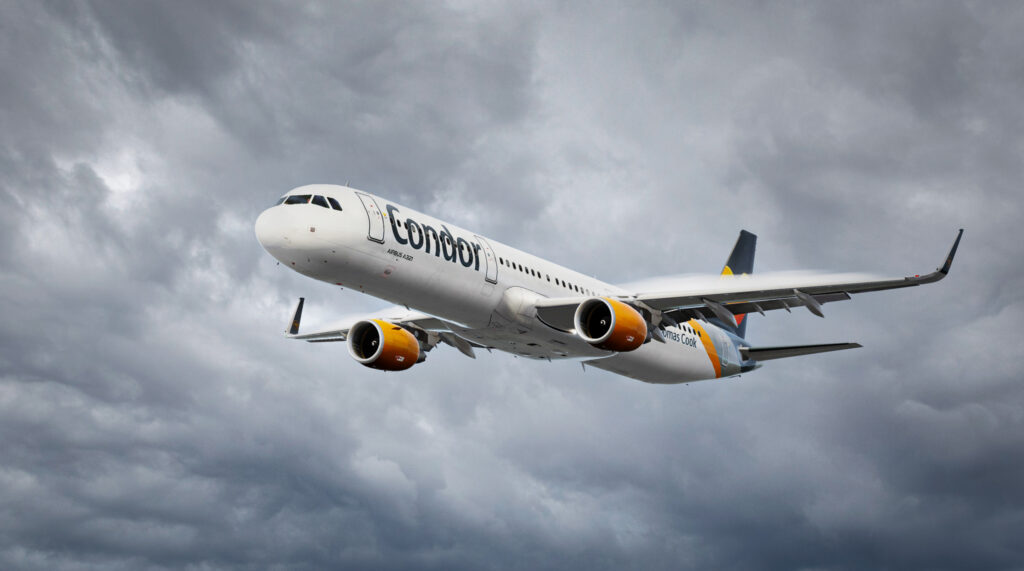
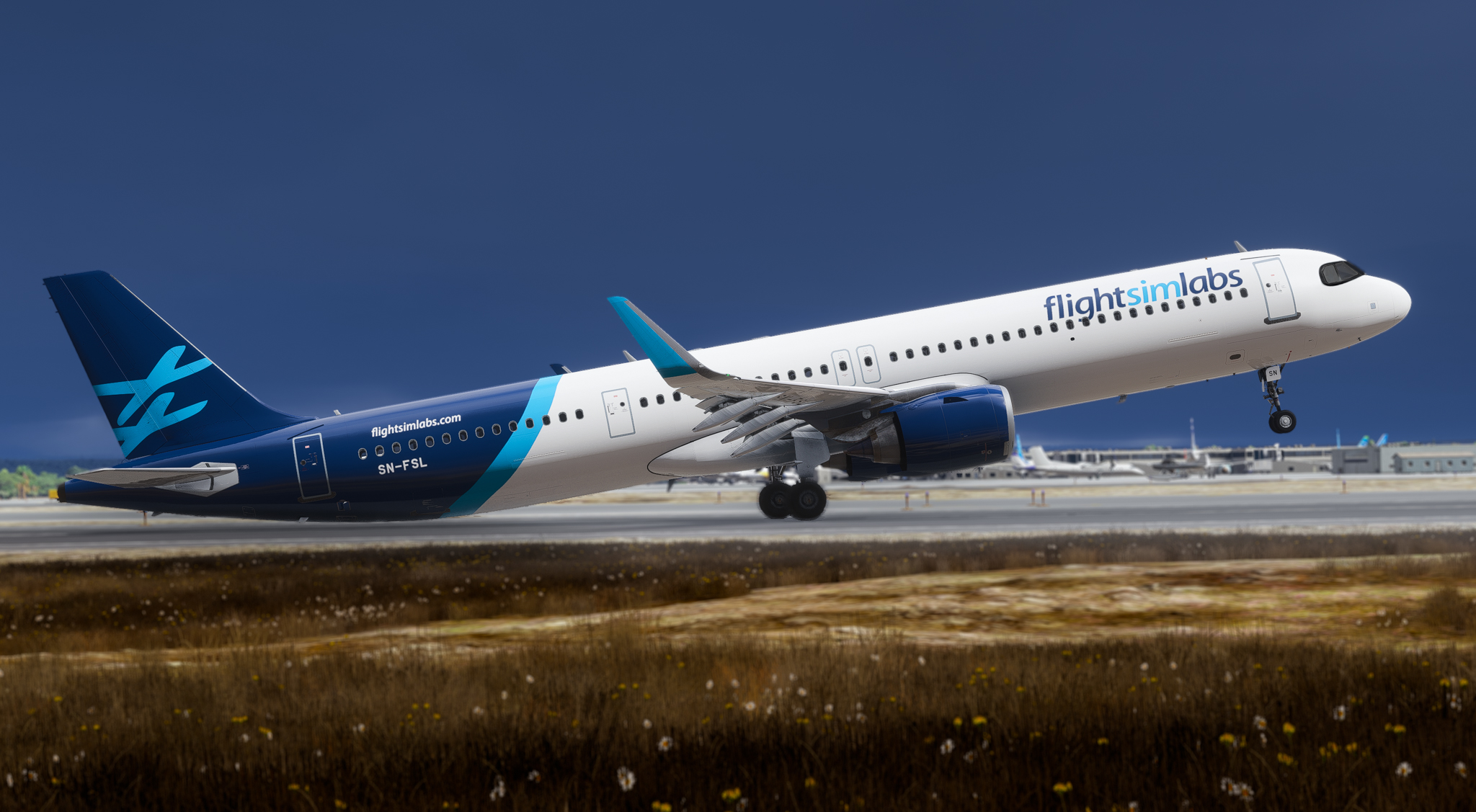
We are happy to announce the release of v11.0.1.310 for our A321ceo and A321neo series – a small interim update focused on stability, visual performance, and enhancements.
The primary goal of this interim release is to improve stability, mainly related to some crashes that were related to TCAS code. This update also corrects a typographical error in the aircraft.cfg file which caused the aircraft to be incorrectly allowed to be used as AI traffic sometimes, causing extra load on the simulator, thus helping ensure smoother performance and better headroom in memory-constrained environments, especially when flying complex approaches or in dense scenery areas.
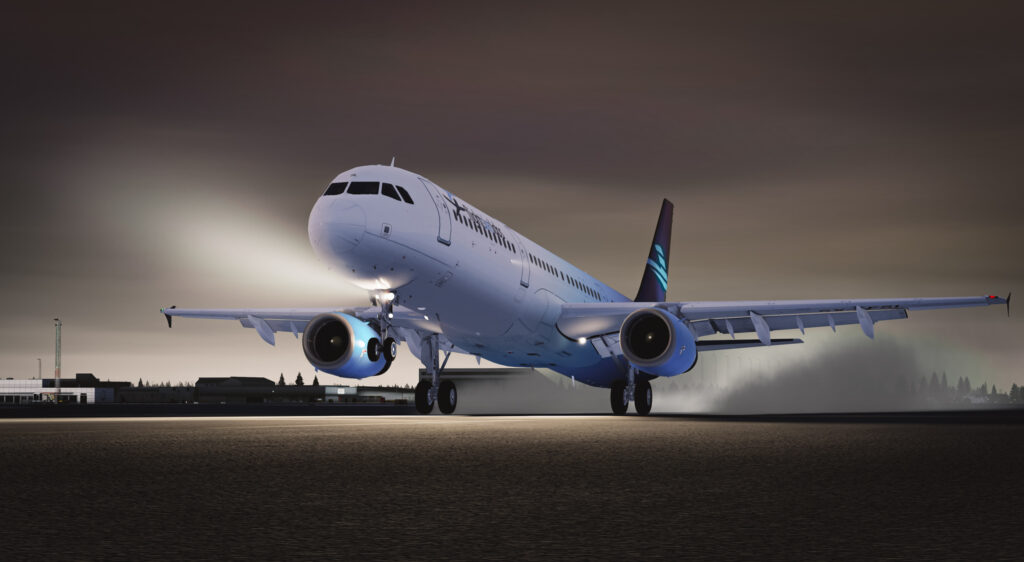
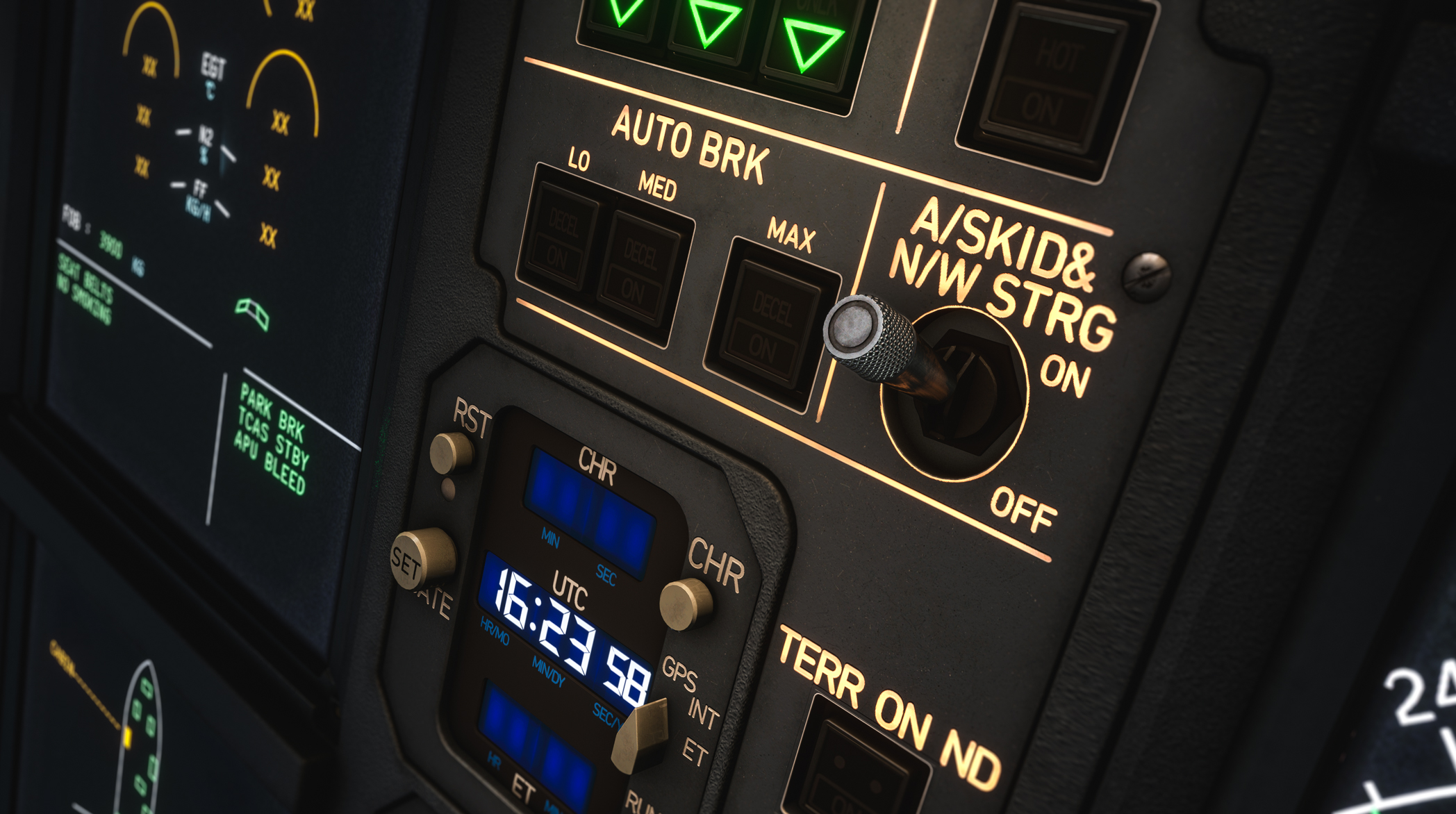
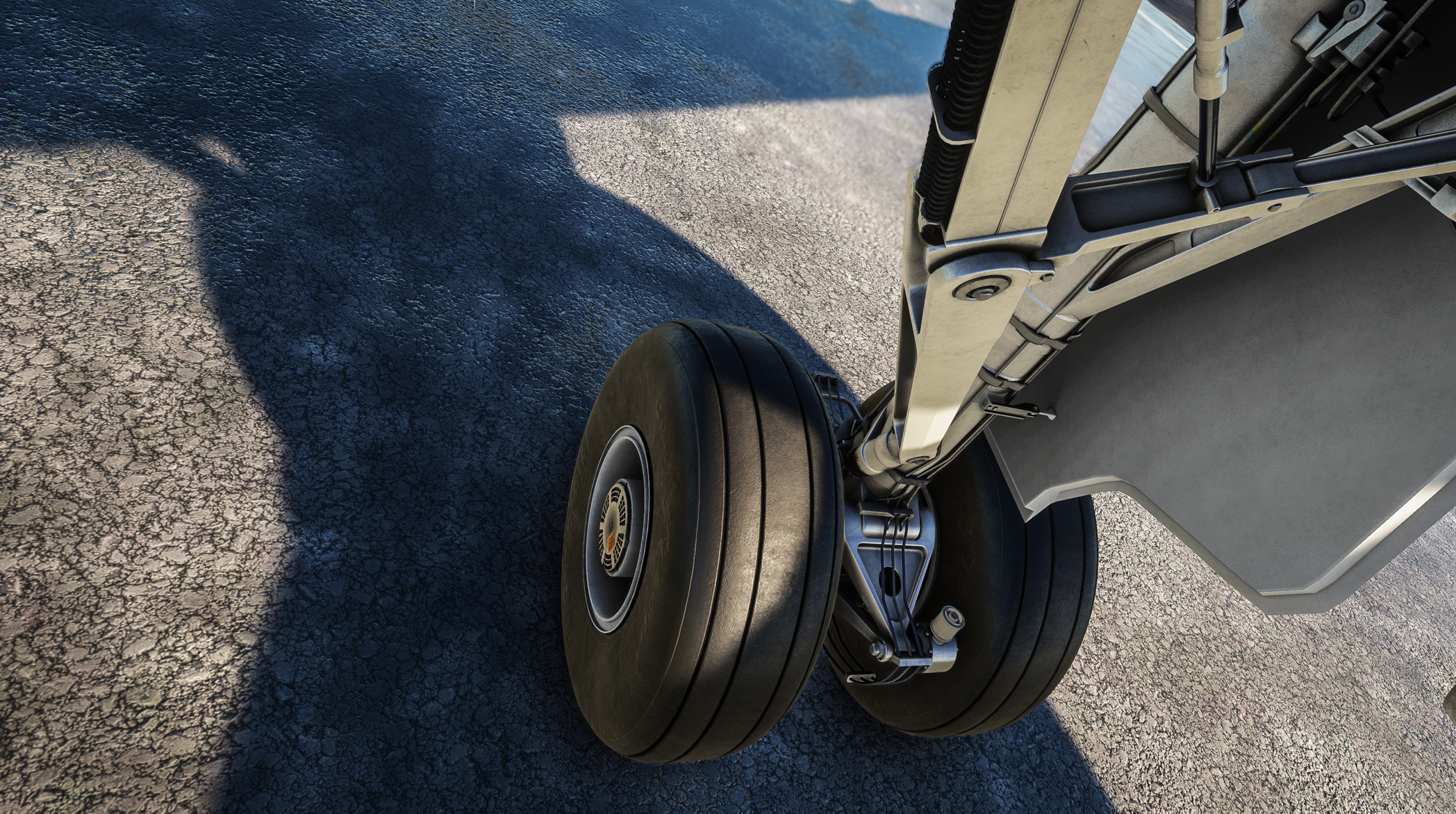
From a handling perspective, we’ve fine-tuned autobrake distance handling and have corrected an issue with brakes ‘grabbing’ on touchdown under some circumstances. These refinements continue to extend the authentic feel when decelerating after touchdown and enhance the overall realism of landing dynamics.
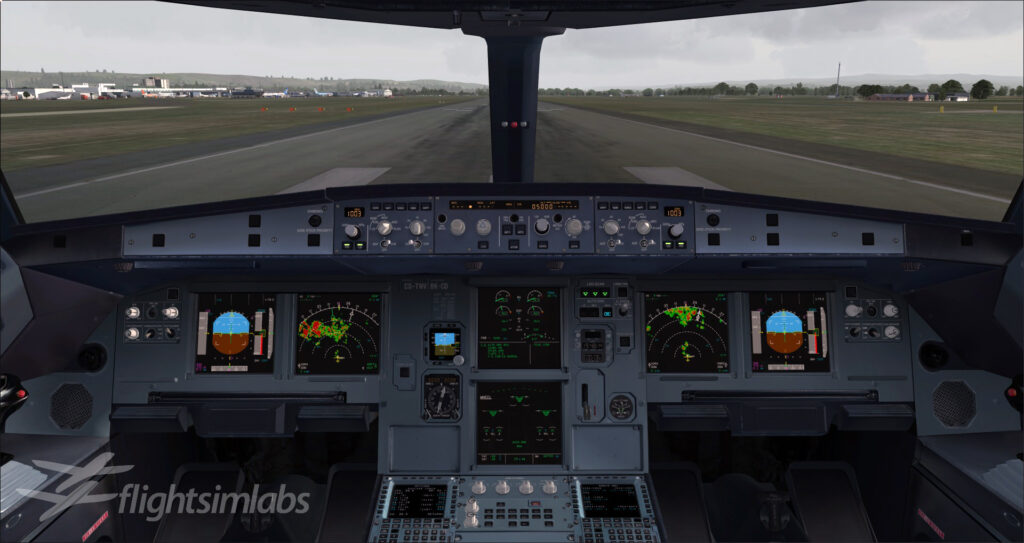
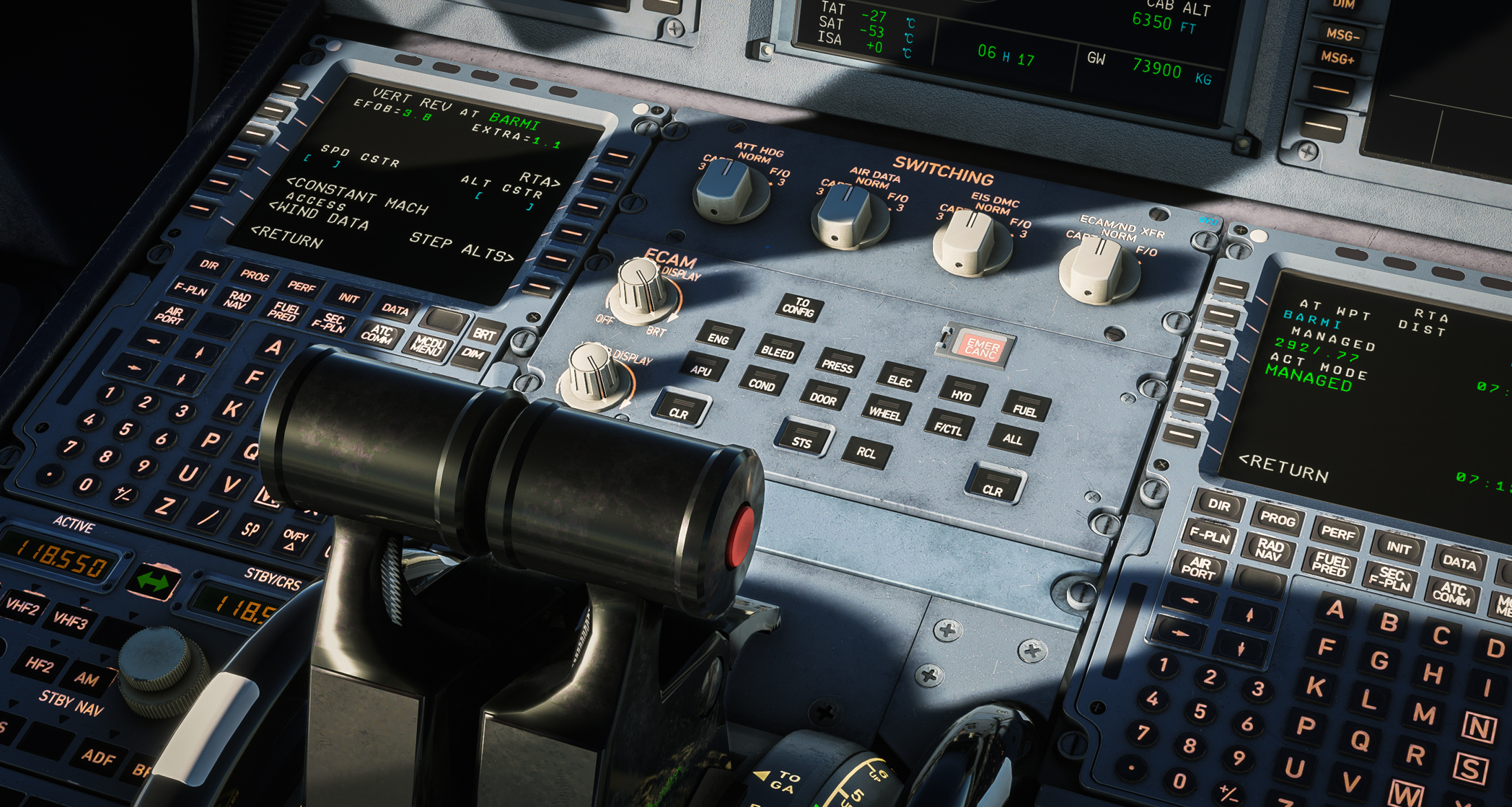
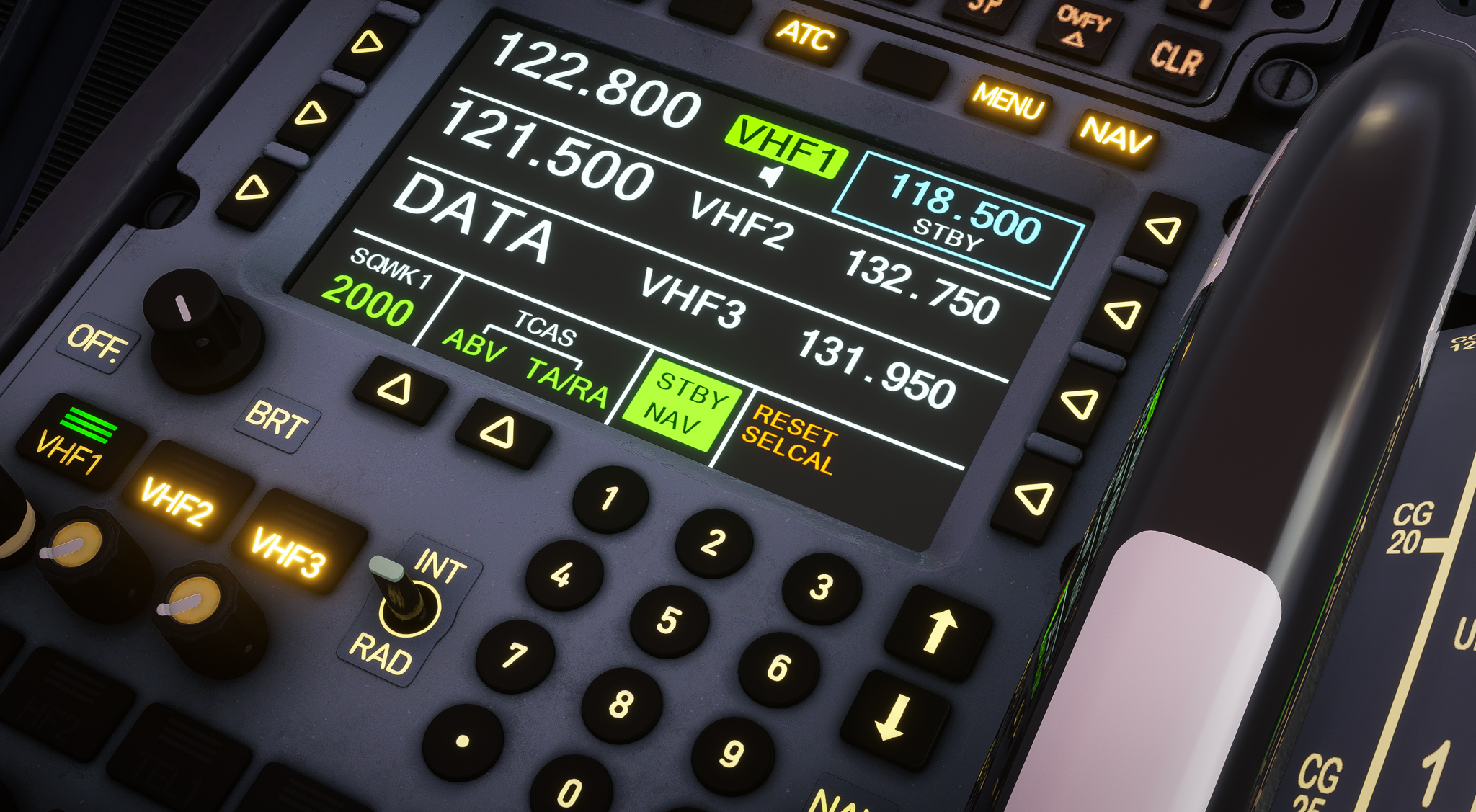
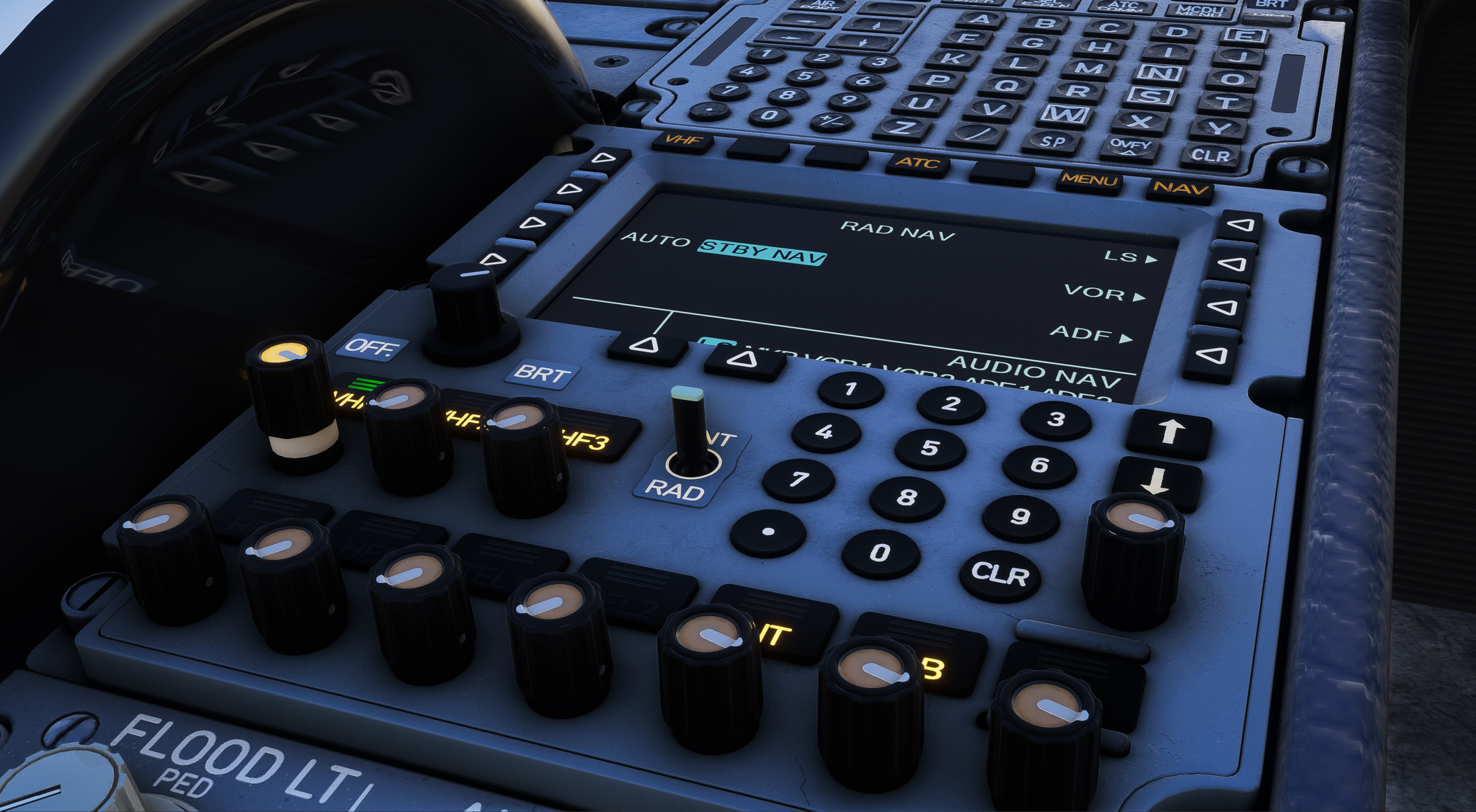
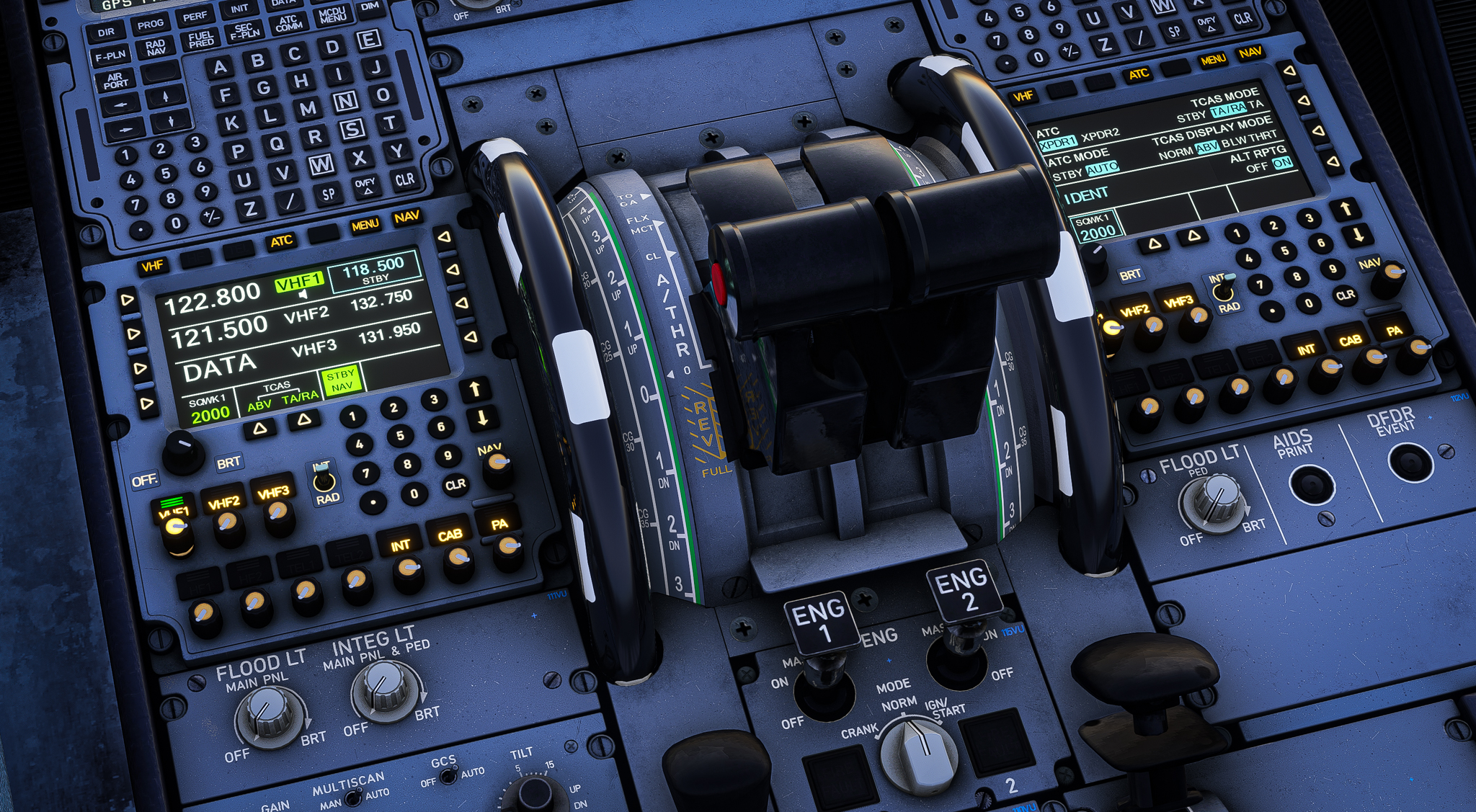
Alongside these improvements, we are continuing to extend hardware compatibility across overhead and pedestal panels so events can be used in Mobiflight or other similar add-ons.
The following fixes and additions form part of this update, now accessible via the Experimental as well as the Public channels in the FSLabs Control Center.
Key Highlights in This Update:
FMGC:
- FIX INFO – LAT REV logic improved
- DIR TO – inbound logic improved
BSCU:
- Autobrake landing distance handling tweaked
- Brake grabbing at start of application fixed
- Default brake values adjusted
Systems Improvements:
- Fix for CTD in some ND Map edge cases
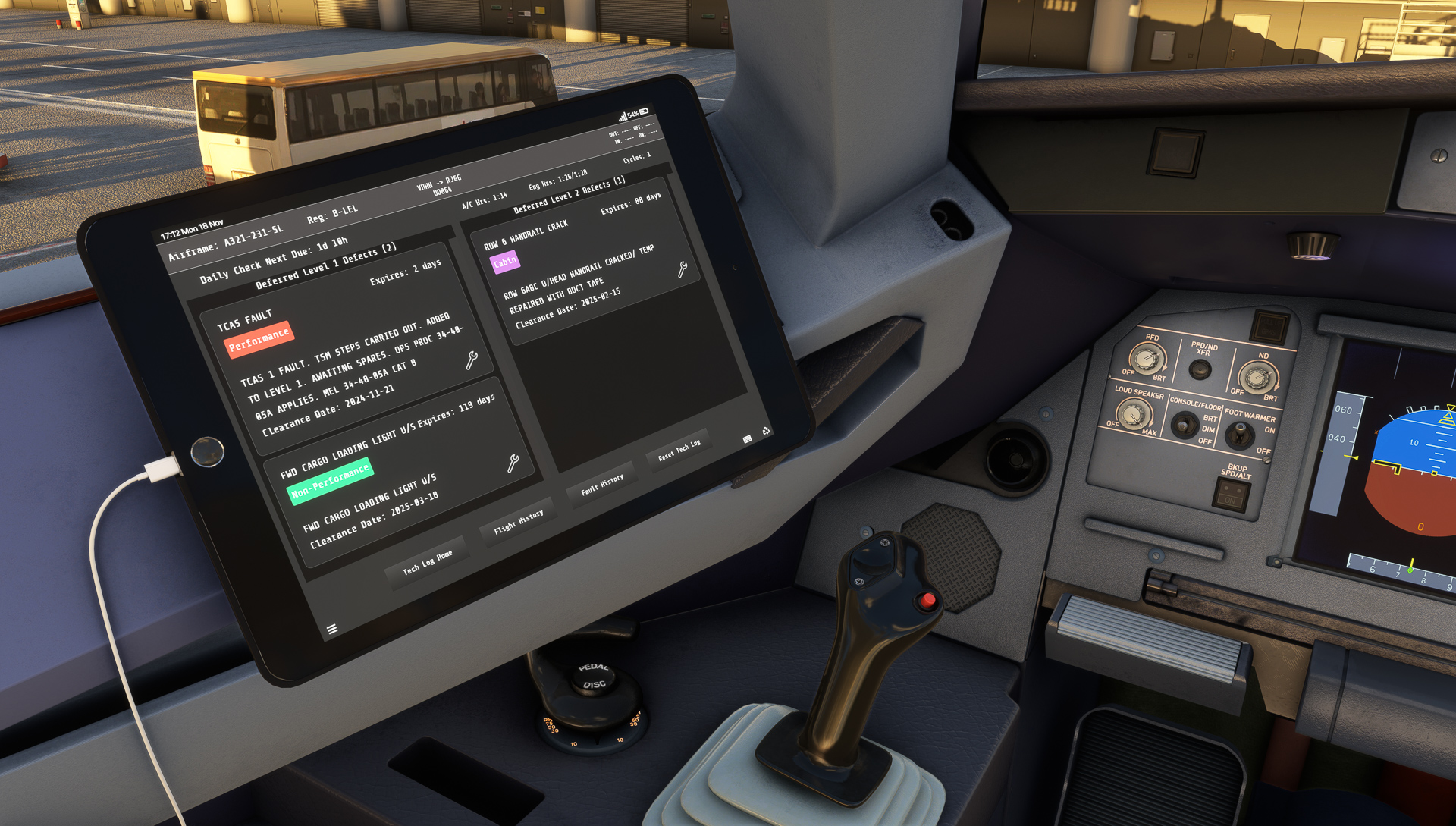
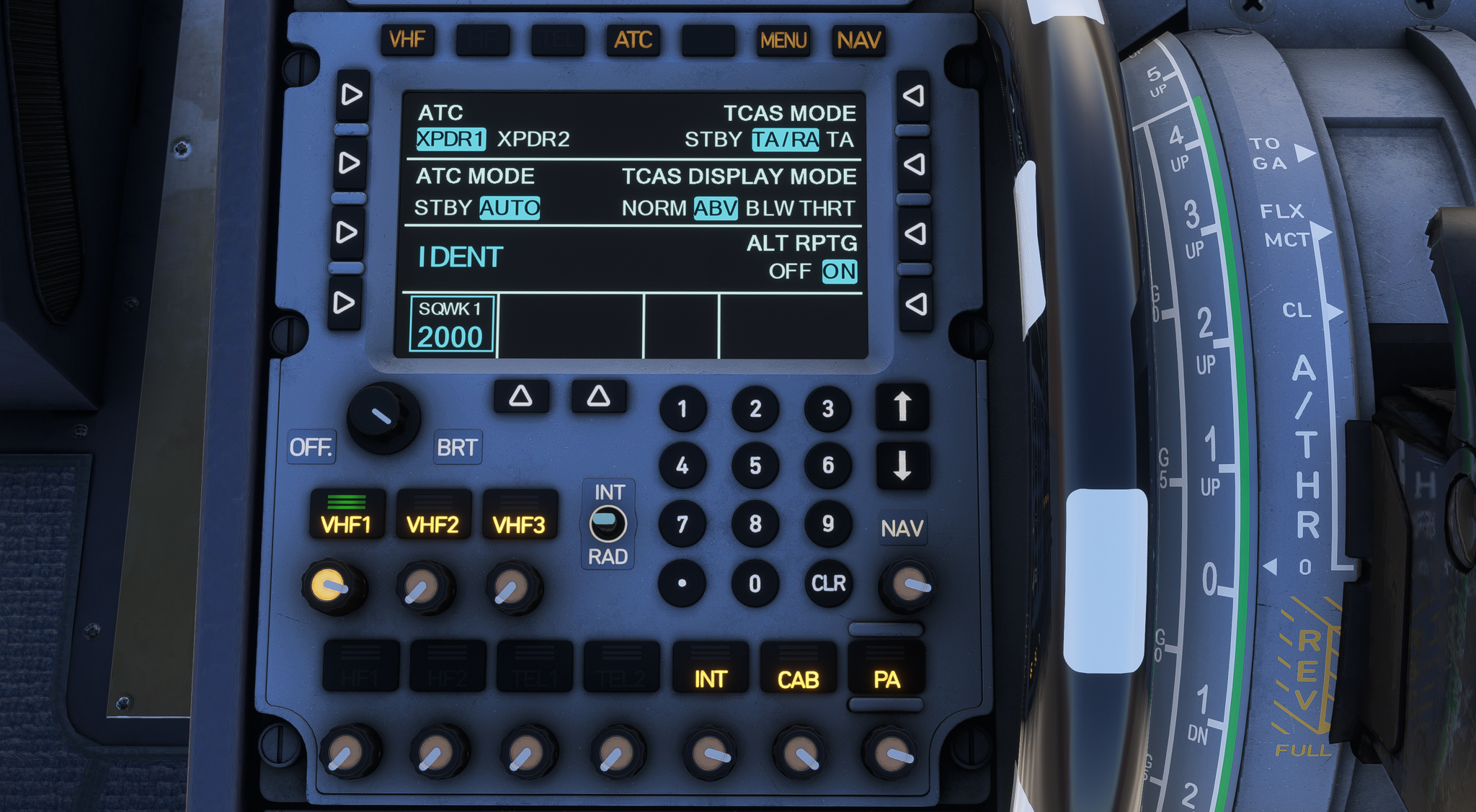
- Fix for CTD with TCAS TA/RA aircraft targets
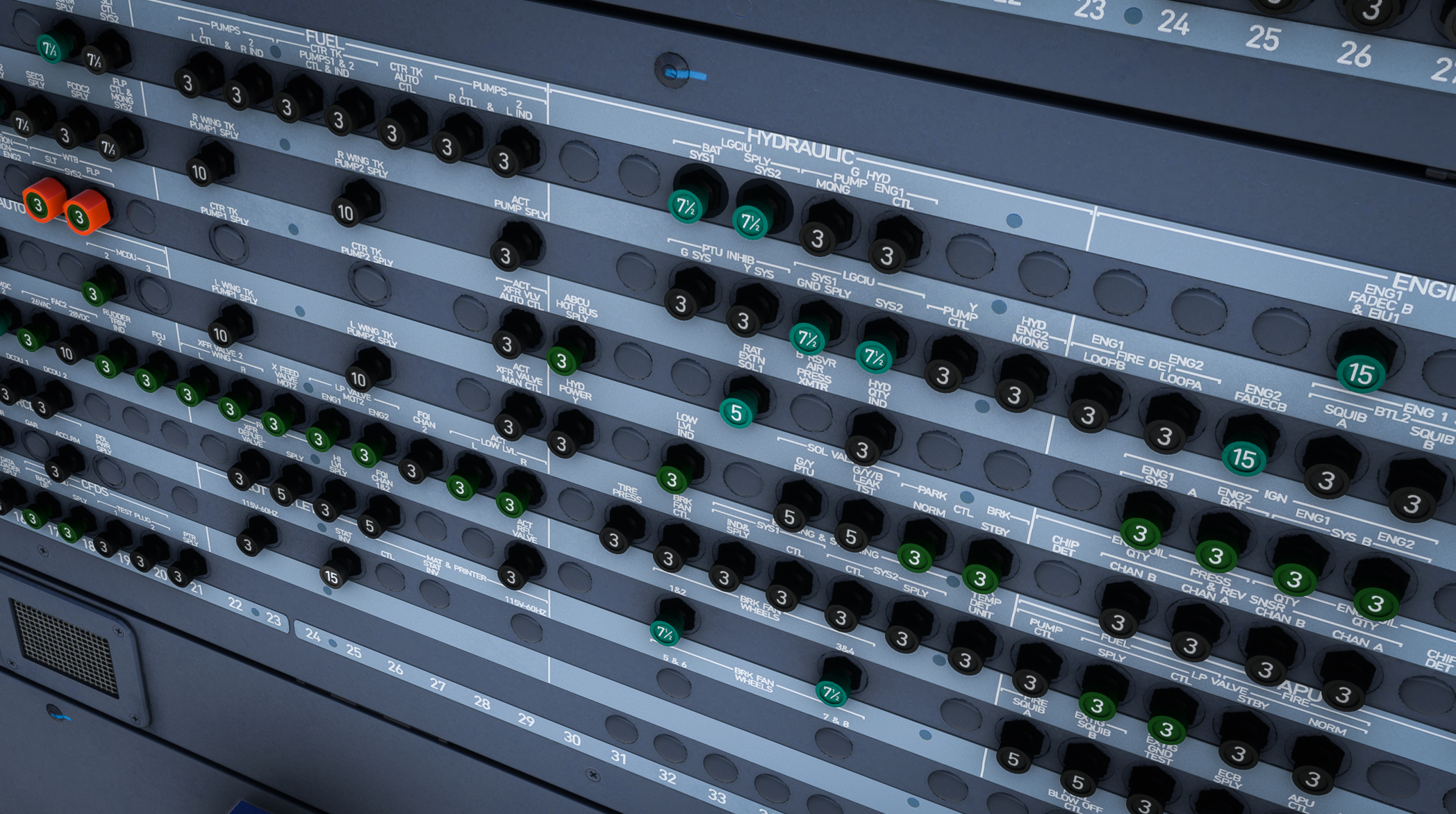
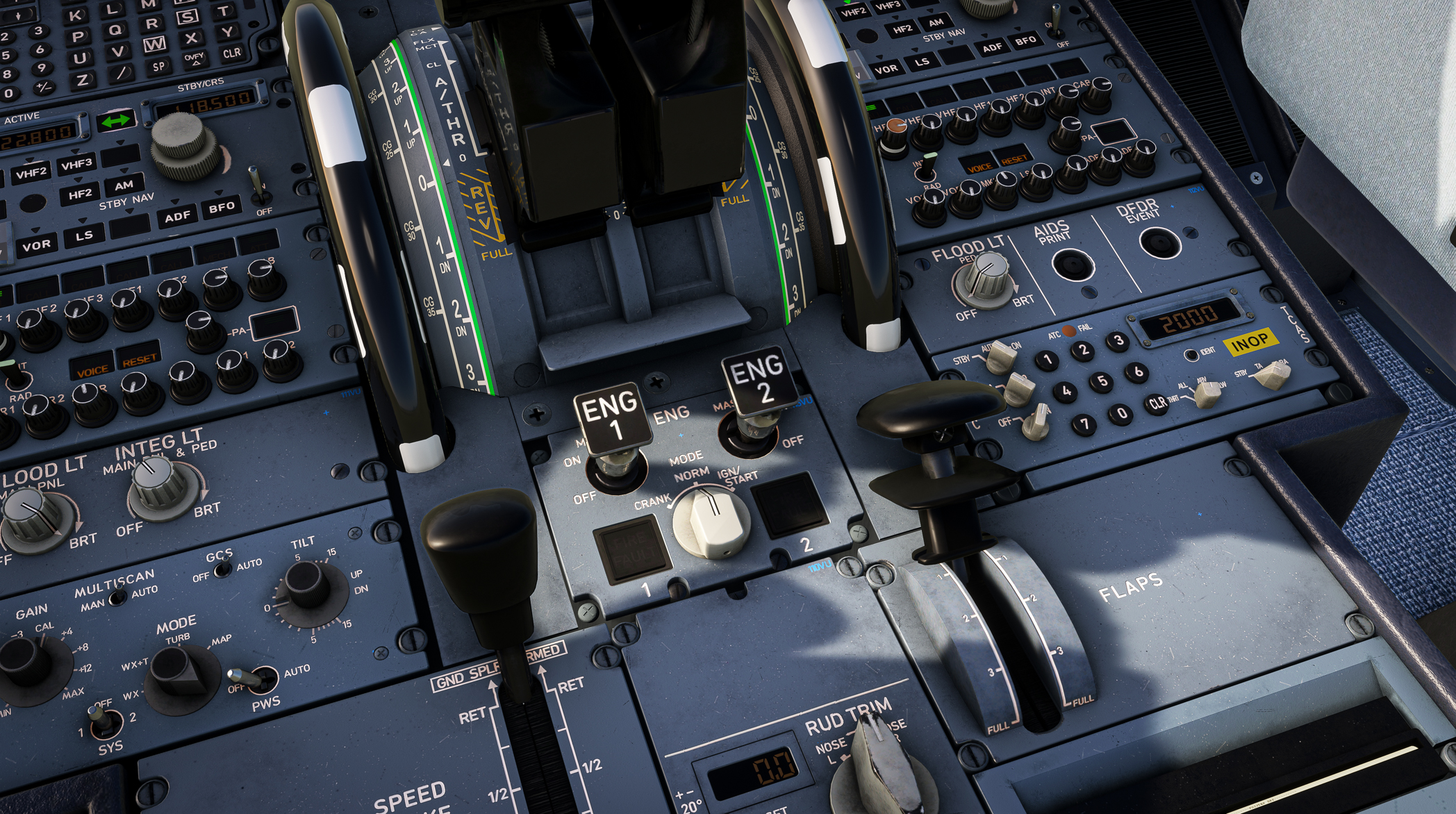
- Several hardware events added for pedestal / overhead
- Keyboard control for Aileron Left/Right action added
- Use of aircraft as AI Traffic properly disabled
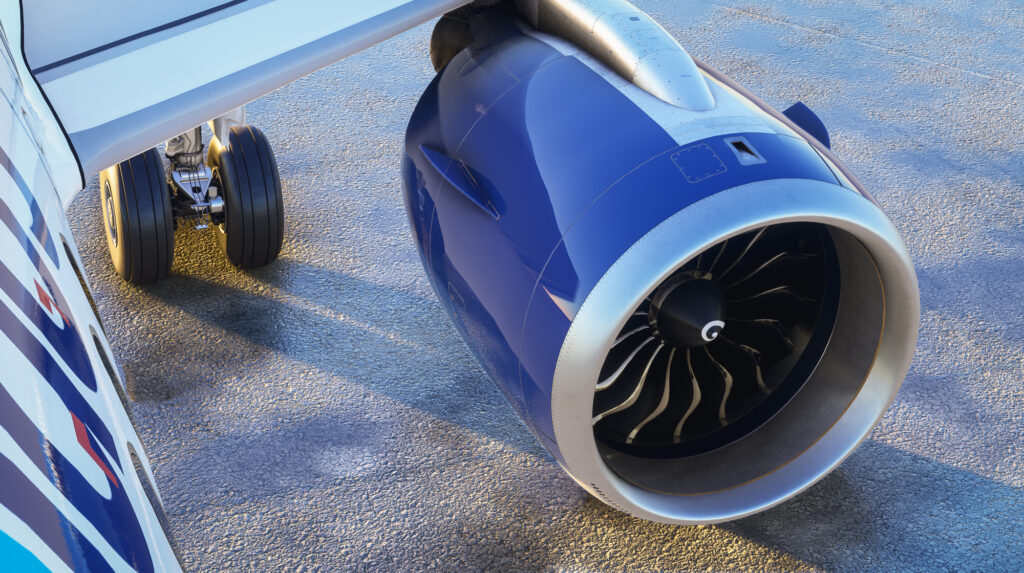
Improved Thrust and Drag Models for LEAP-1A Engines Coming Soon:
We’re always working to improve the accuracy and realism of our simulation models – and this week, we’re excited to share some updates on our engine performance refinements.
Following recent work on our upcoming PW1130G-JM and PW1133G-JM variants, we’ve applied the same rigorous process back to the LEAP-1A engine family. These updates include more accurate thrust output modeling across altitude and Mach ranges, as well as refined drag behavior to better reflect real-world performance characteristics.
These improvements are based on deeper performance data analysis and internal validation work we’ve been doing over the past few weeks. The updated models are currently undergoing in-sim testing to ensure they perform consistently across all flight phases, from takeoff to cruise.
We expect these LEAP engine changes to roll out in an interim update next week. Once live, you’ll notice improved engine behavior and performance fidelity, especially in edge-of-envelope scenarios and fuel burn accuracy.
As always, thanks for flying with us – and stay tuned for more updates as we continue to refine and expand our aircraft systems.