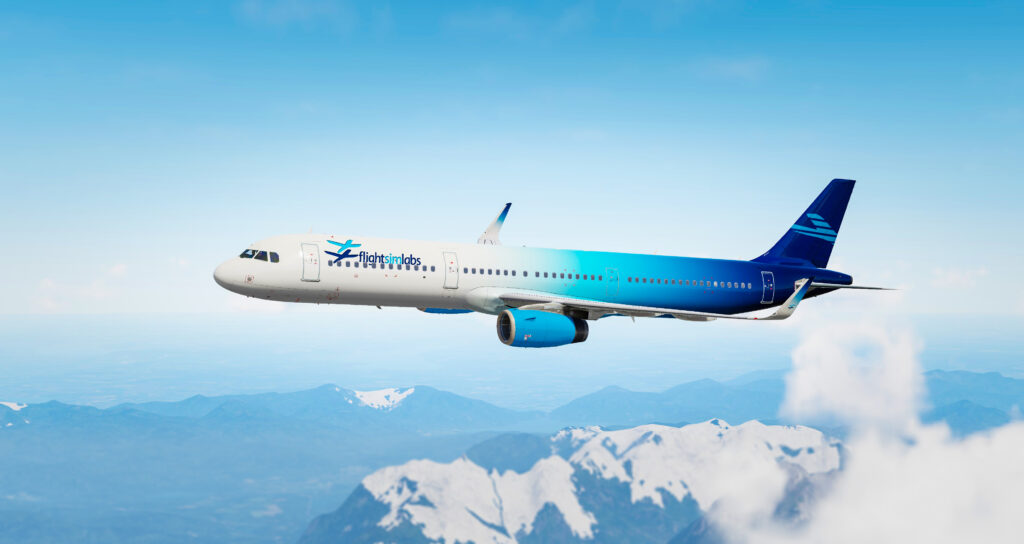
FSLabs A321neo Update: V11.0.1.306
First and foremost, a huge thank you to our incredible community. The excitement and enthusiasm surrounding the release of our A321neo has absolutely blown us away. From the moment we launched, your support, your feedback, and your passion for high-fidelity flight simulation have made all the hard work worthwhile.
We’ve thoroughly enjoyed reading your comments, seeing your screenshots, and hearing about your first flights with the A321neo. Whether you’re cruising high above the clouds or mastering complex approaches, knowing that you’re enjoying the aircraft as much as we enjoyed building it is incredibly rewarding for the whole team. Your words of encouragement, detailed reviews, and thoughtful suggestions have meant the world to us – thank you.
Of course, we’ve also been listening very closely to your feedback. As with any major release, there are always areas where improvements can be made, and we are committed to addressing them swiftly and thoughtfully. Since launch, we’ve been prioritising the most pressing issues based on what the community has highlighted. We’re pleased to say that several key updates are already in the works – with fixes and enhancements aimed at delivering an even smoother and more immersive flying experience.
Our goal has always been to build simulations that strike the perfect balance between authenticity, performance, and usability. Your input plays a critical role in helping us achieve that. Whether it’s small visual tweaks, fine-tuning systems, or broader usability improvements, your feedback guides our development efforts – and will continue to do so moving forward.
The following fixes and additions form part of this update, now accessible via the Experimental as well as the Public channel in the FSLabs Control Center.
Key Highlights in This Update:
AOC Service:
- Logging and error reporting revised: timestamped log files now created on each start (retained for 14 days)
- Non-loggable errors are now forwarded to Windows Event Viewer
Systems Improvements:
- NEO: FADEC logic fixed for FLX TEMP
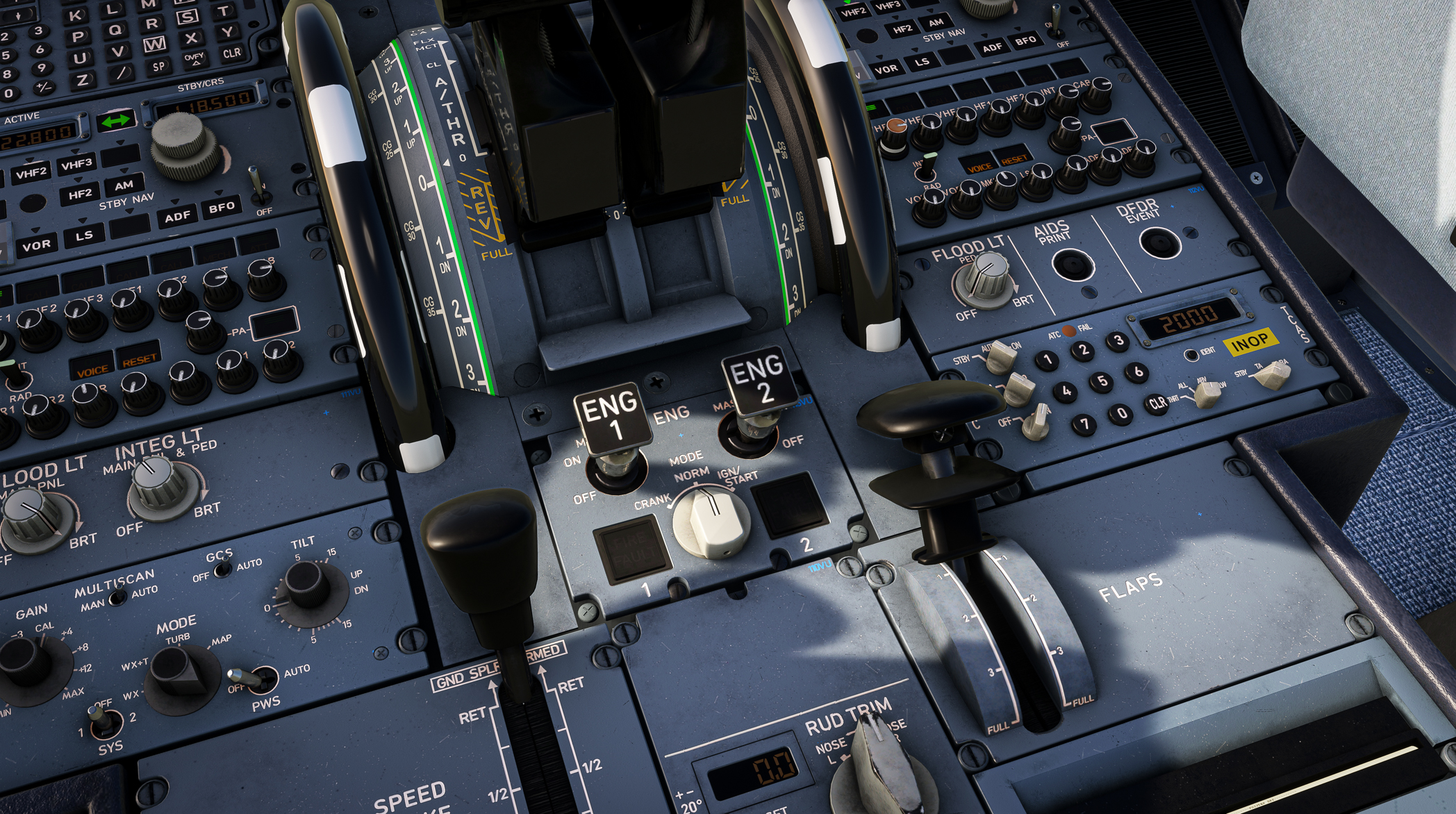
- NEO: Engine model thrust curves refined
- NEO: Smart Exit Alpha Floor implemented
- NEO: SGA inhibited with single engine
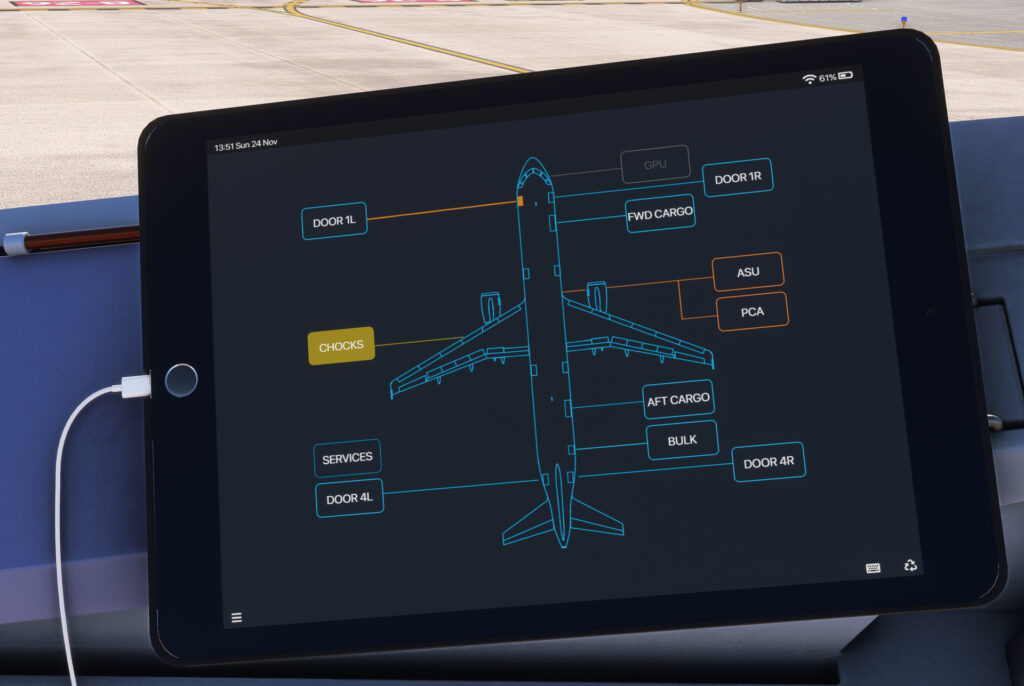
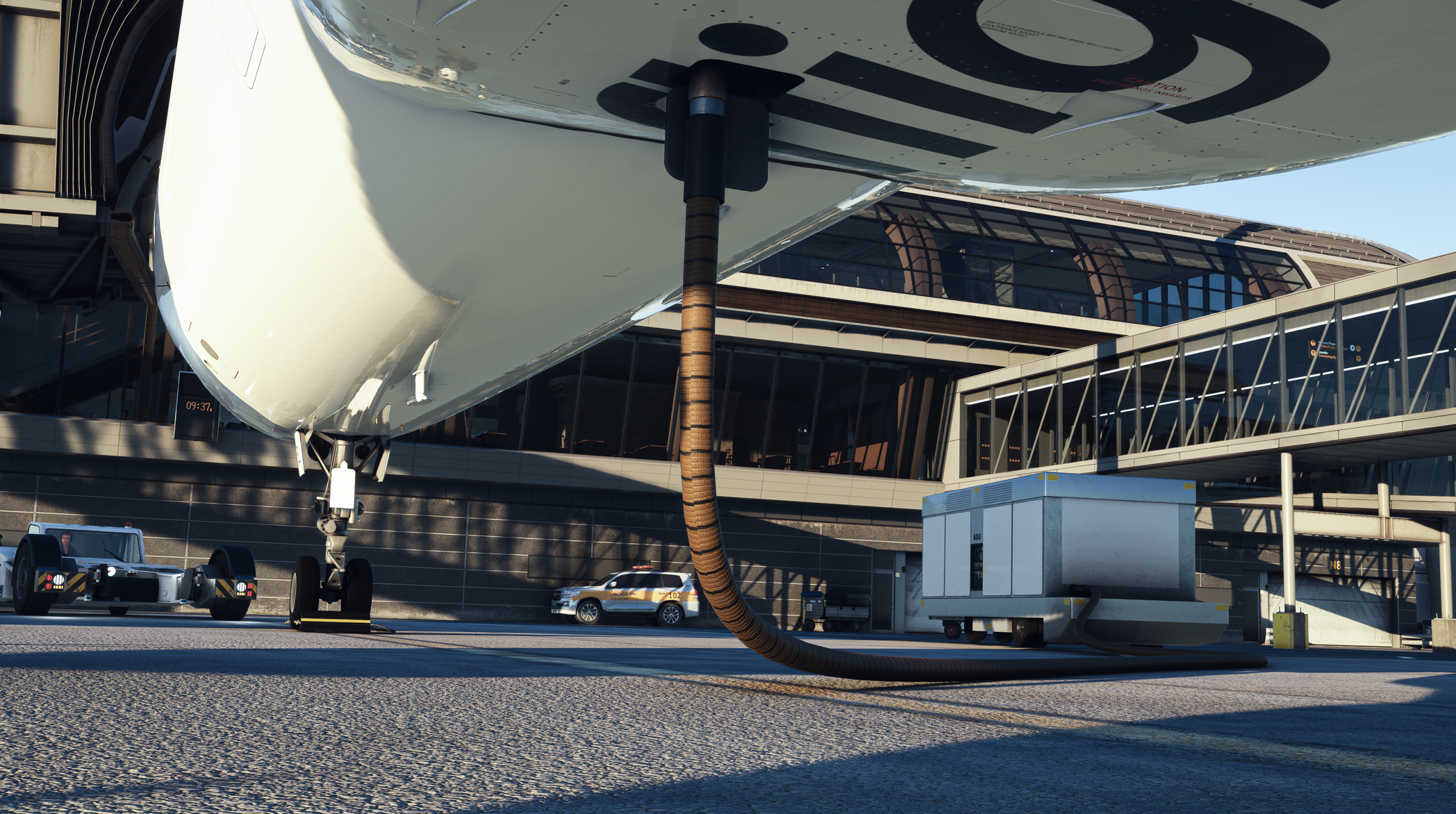
- ASU logic fixes
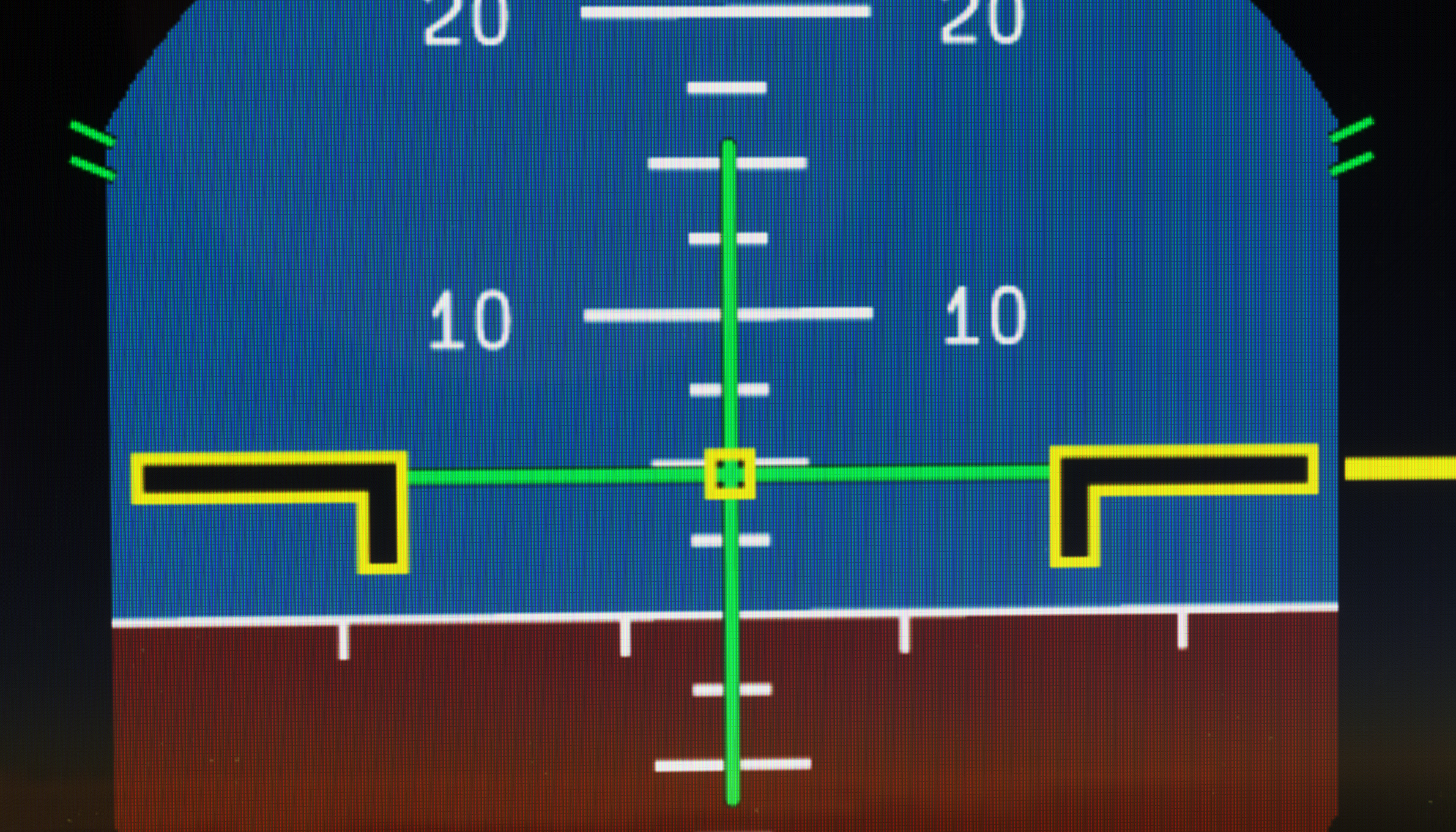
- NEO: Pitch limit now shown on landing on PFD
- FWC: L/R fuel pump ECAM logic corrected for NEO / SLs
- F10D: ENG 2 SHUTDOWN ECAM logic fixed
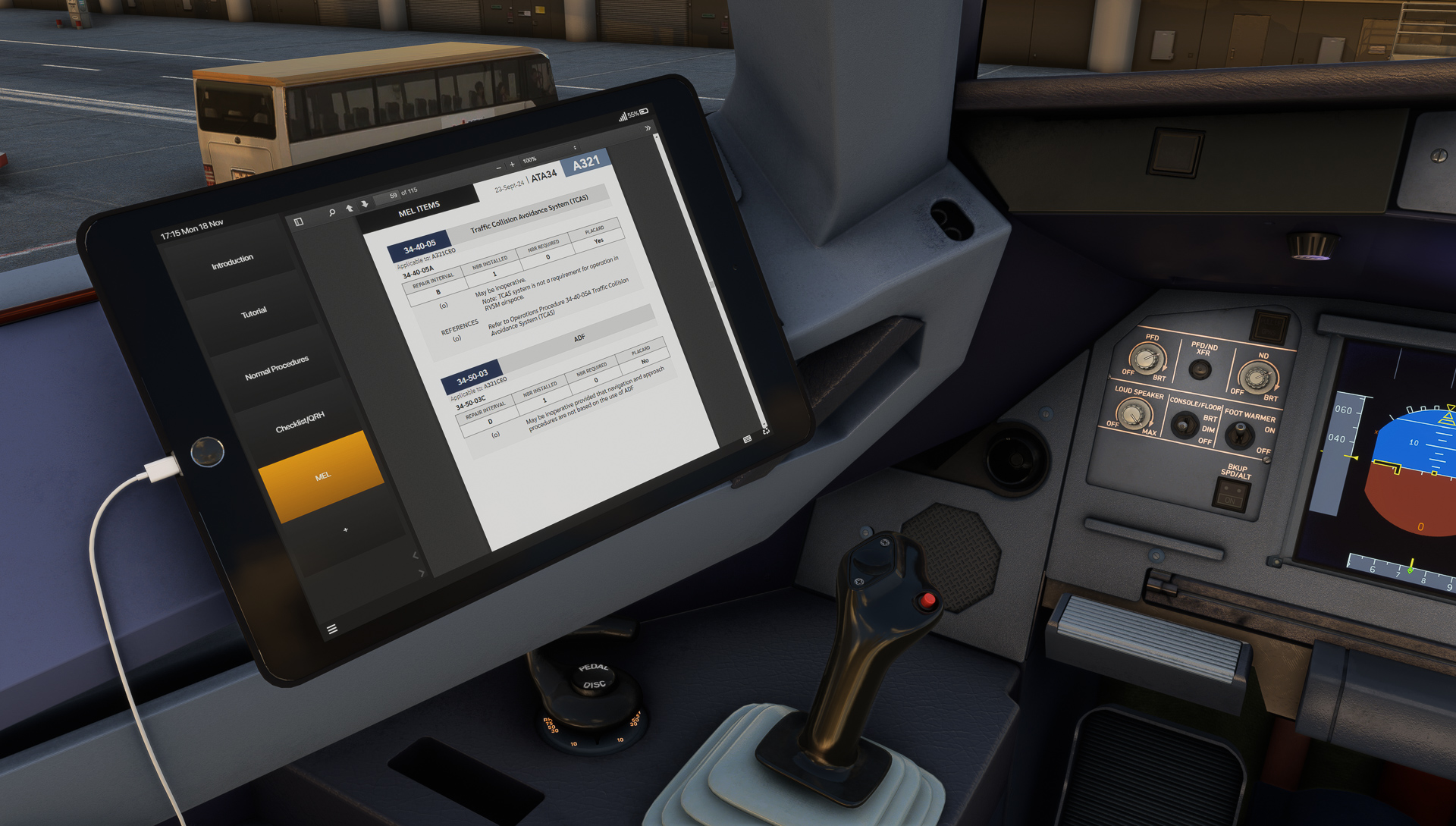
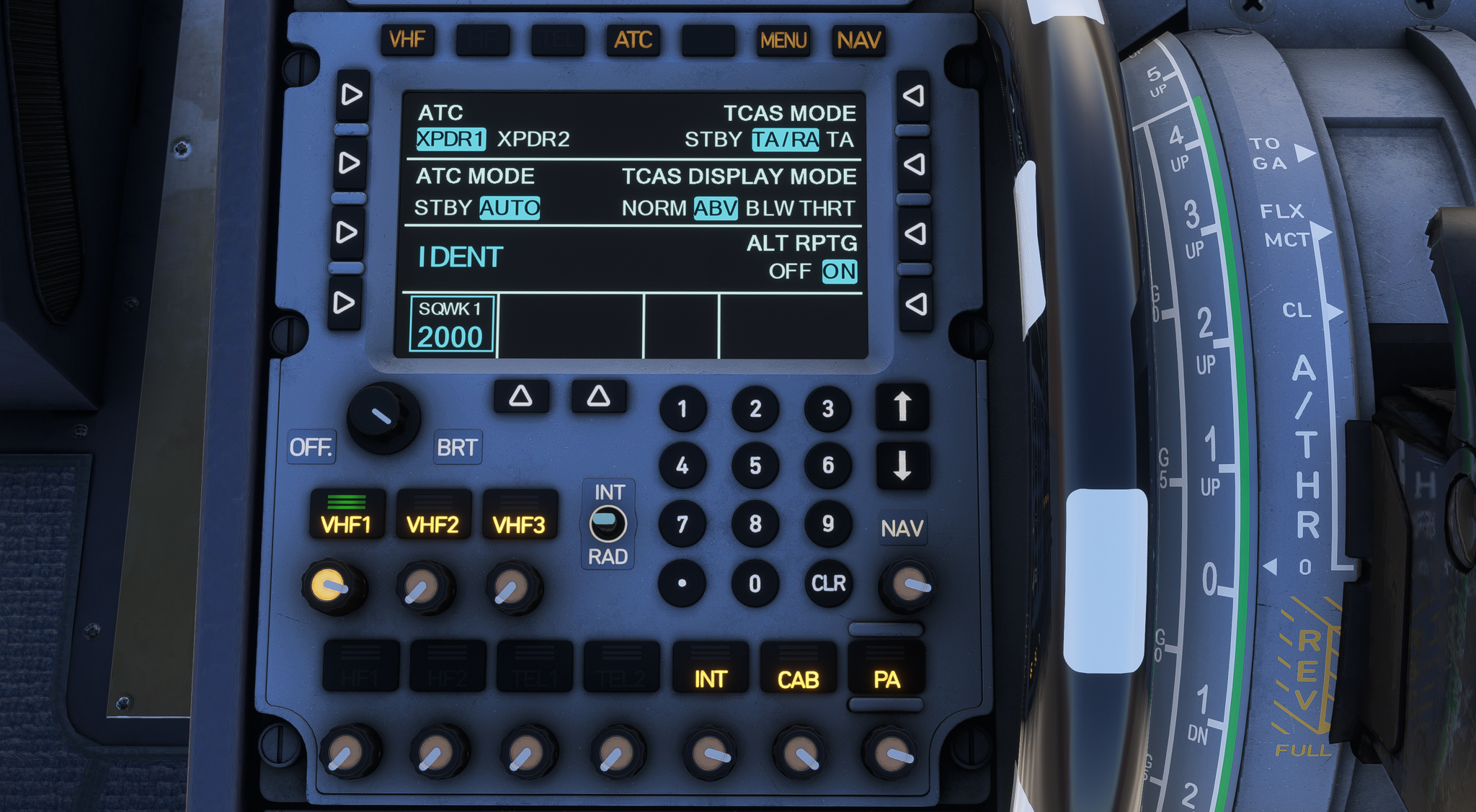
- Fix for TCAS-related CTDs
- Fix for single ACT tank VC panel options
- FCU: Fixed dimmer light knob affecting VS knob unintentionally
- Power requirements adjusted for emergency configuration
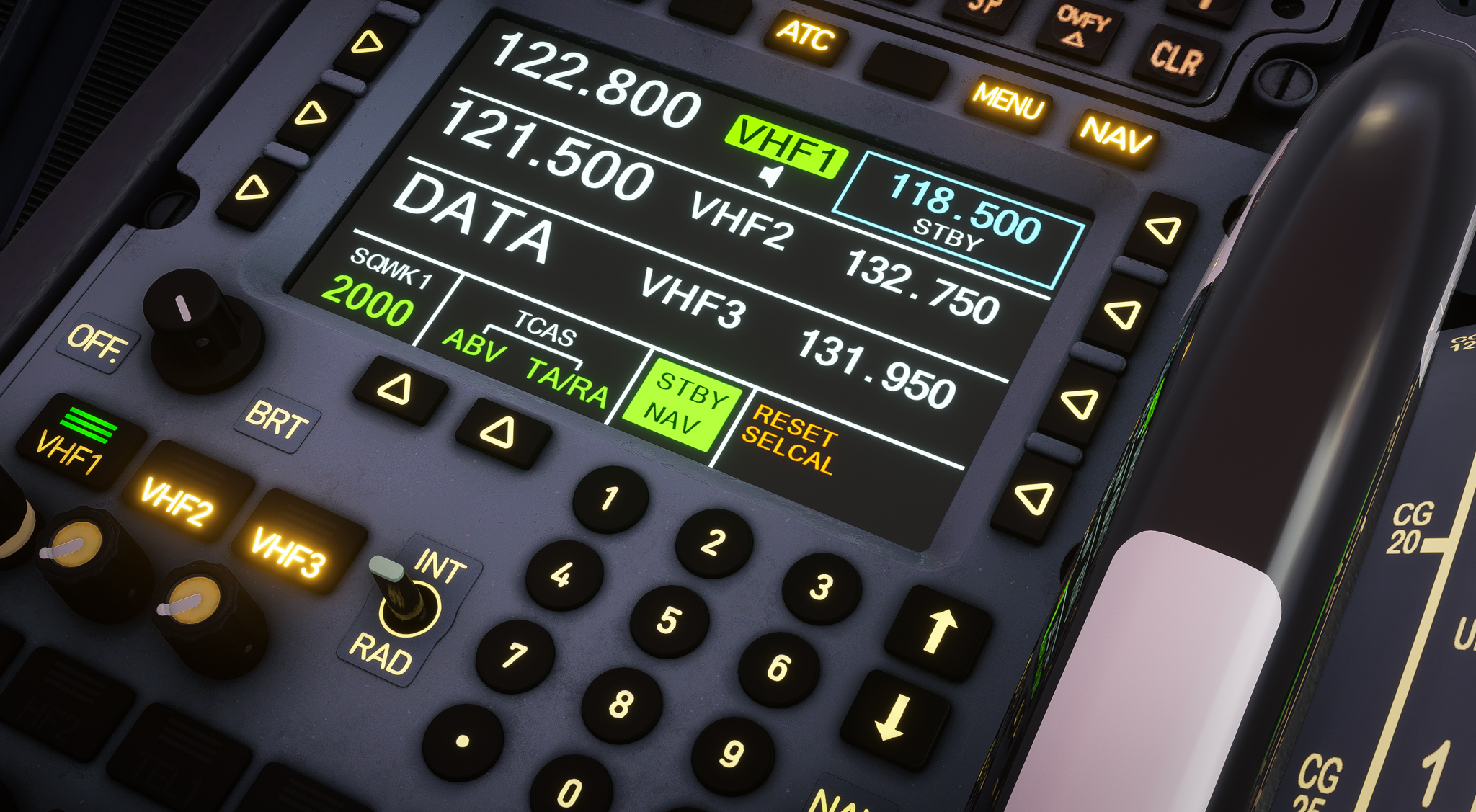
- NEO: DRAIMS VATSIM XPDR option added to MCDU OPTIONS
Model Updates:
- NEO: Wingflex added in interior views.
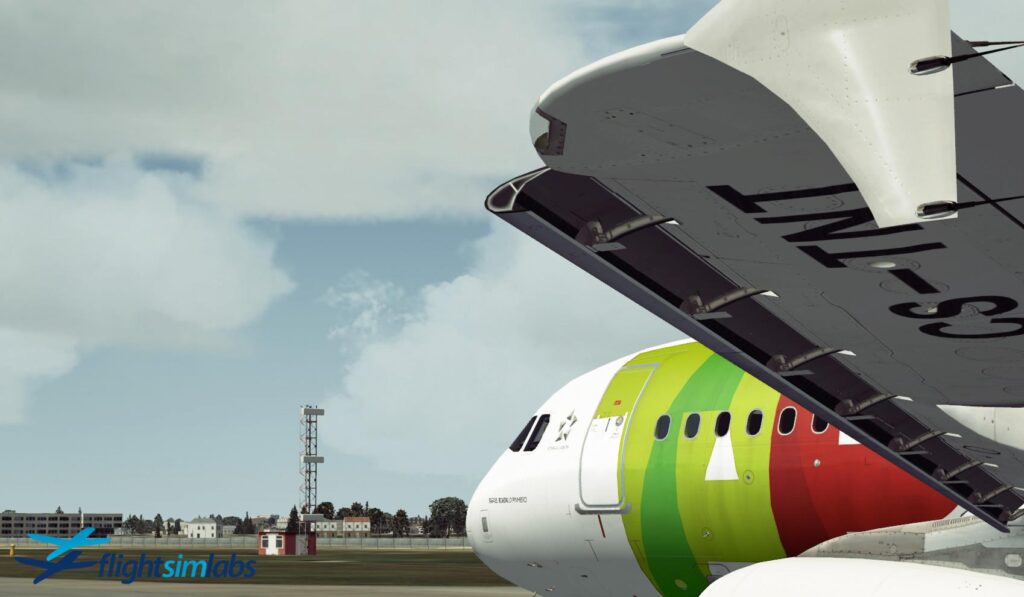
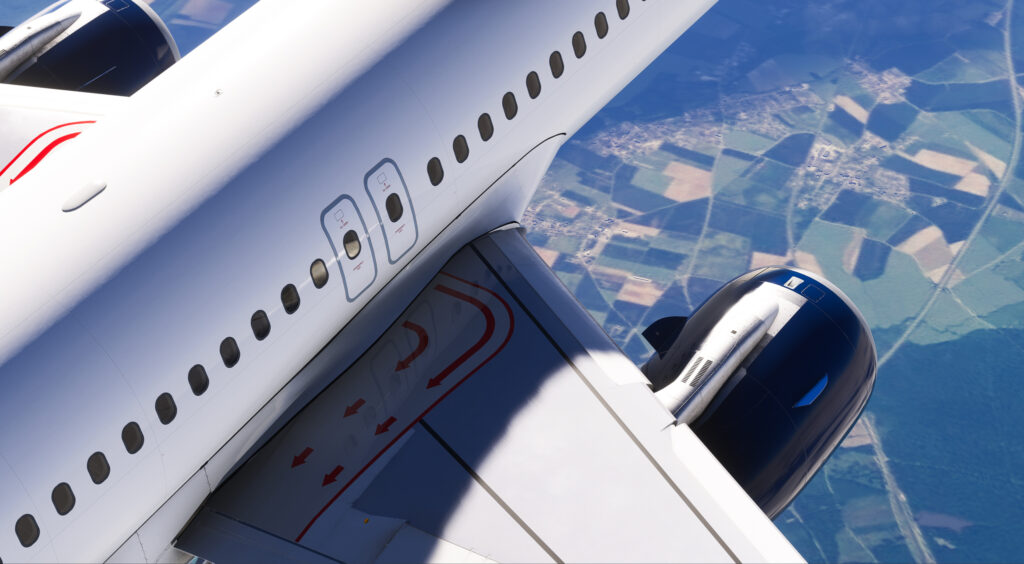
- NEO: Flap textures updated to remove rubber marks
Sound Enhancements:
- Sound infrastructure improvements
- Fix for rain sounds
- Reworked ground roll, landing, and takeoff sounds
- ROPS: Audio levels rebalanced
ATSU Updates:
- Updated IATA codes for SEH and PGT
Now Available: Free Hardware Interface for MSFS 2020 & 2024

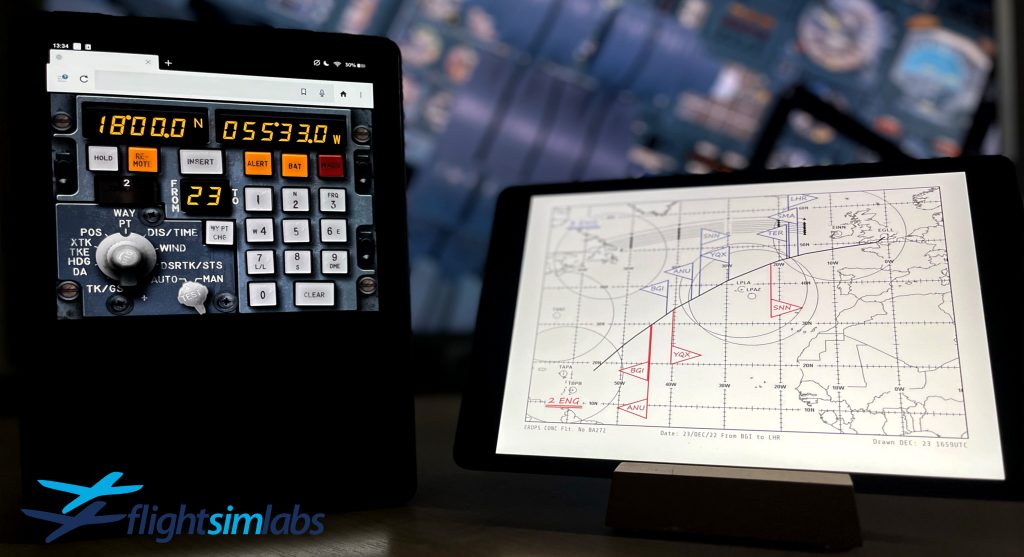
We’re excited to announce the release of our FSL Hardware Interface for Microsoft Flight Simulator 2020 and 2024 – and best of all, it’s absolutely free. This new tool brings seamless integration between our A321ceo and A321neo aircraft add-ons and selected high-end hardware, starting with full support for the Skalarki product line. From the Mini Overhead panel to the DCDU, this interface allows for true plug-and-play functionality, delivering an ultra-immersive, cockpit-like experience for serious simmers and hardware enthusiasts alike. Whether you’re running a full home flight deck or adding modular realism to your desktop setup, this release brings you one step closer to the flight deck. You can see it live and in action at FlightSimExpo 2025, from June 27–29 in Providence, at the Skalarki Electronics Booth (#116). The download link for the HWI installer is here.
Community Feedback: Voices from the Cockpit
Here are some of our favourite feedback comments from launch week:
“Even after just a handful of flights with some minor teething issues, I can say with certainty that I’ve not regretted my purchase one bit. It’s difficult to describe how it compares to the competition, other than subtly better in almost every way. During my first flight I felt those small improvements adding up to create a truly immersive experience, and that was when the penny finally dropped – it is that feeling which makes the FSL offering truly revolutionary unlike anything else. The hard work which yourself and all the other developers have put into this product over the last few years is clear to see. You should all be incredibly proud of your efforts, and I hope you get some free time over the next few weeks to enjoy the bus just as much as I am.“
“I’m in love with this. The sounds are so realistic. Coming from someone who lived on planes for a few years lol. The Neo is such a unique sounding bus”
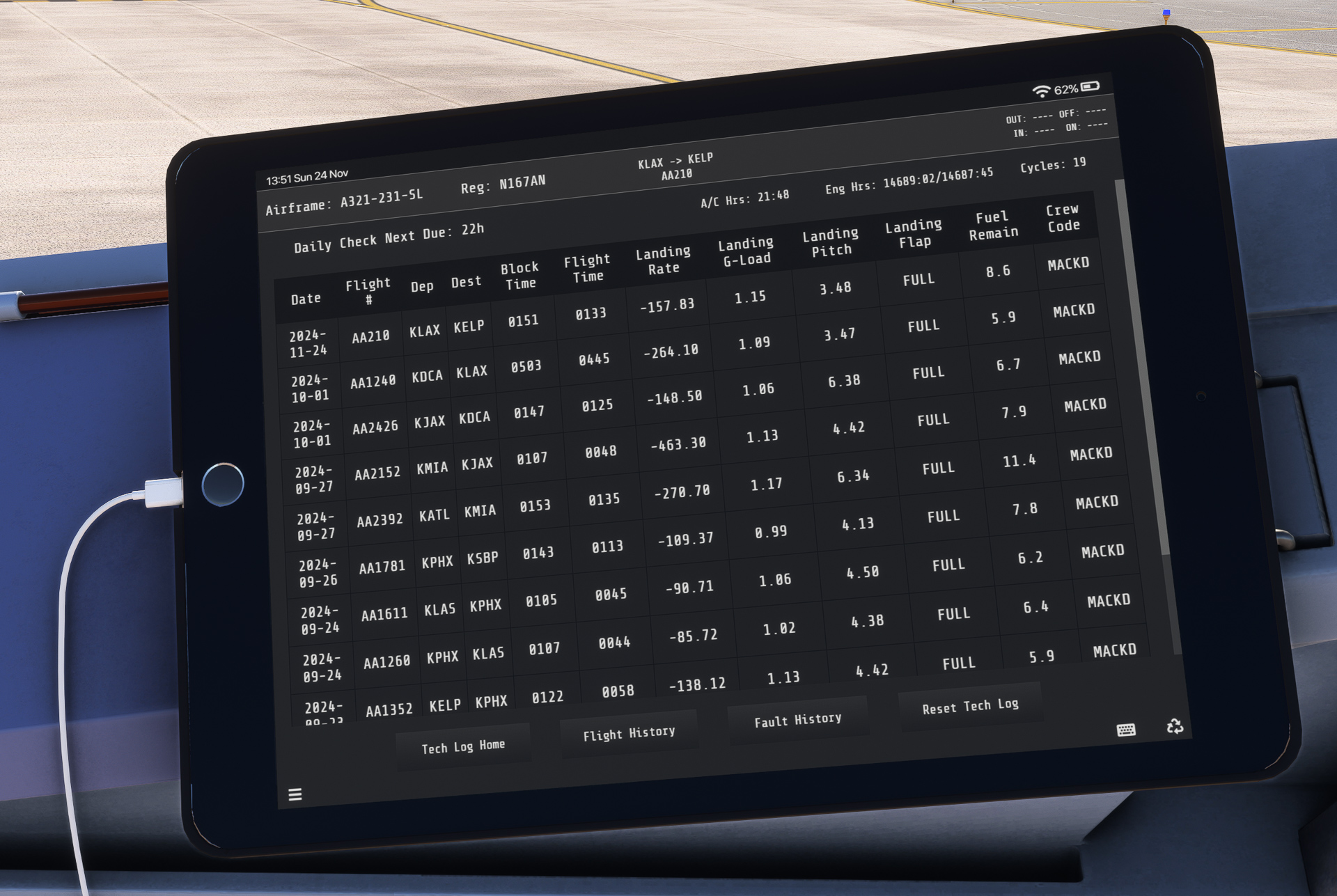
“I too am really beginning to love this A321 NEO. I have the Toliss NEOs and Fenix A320 and while I love both of those, this FSLabs NEO gets even deeper, and has so many quality of life issues, such as GSX hands off integration, flightlog, jump ahead to waypoint, and other cool things that no other developer has done yet. It really deserves more love and positive reviews. I do agree that some model work and textures need cleaning up, but I place my value on deep systems and flight model “feel”, and FSLabs is pulling ahead for me right now”
“Once I got it going and having read through the manual the only thing I can say is wow. It´s quite ahead of the competition in MSFS and XP12“
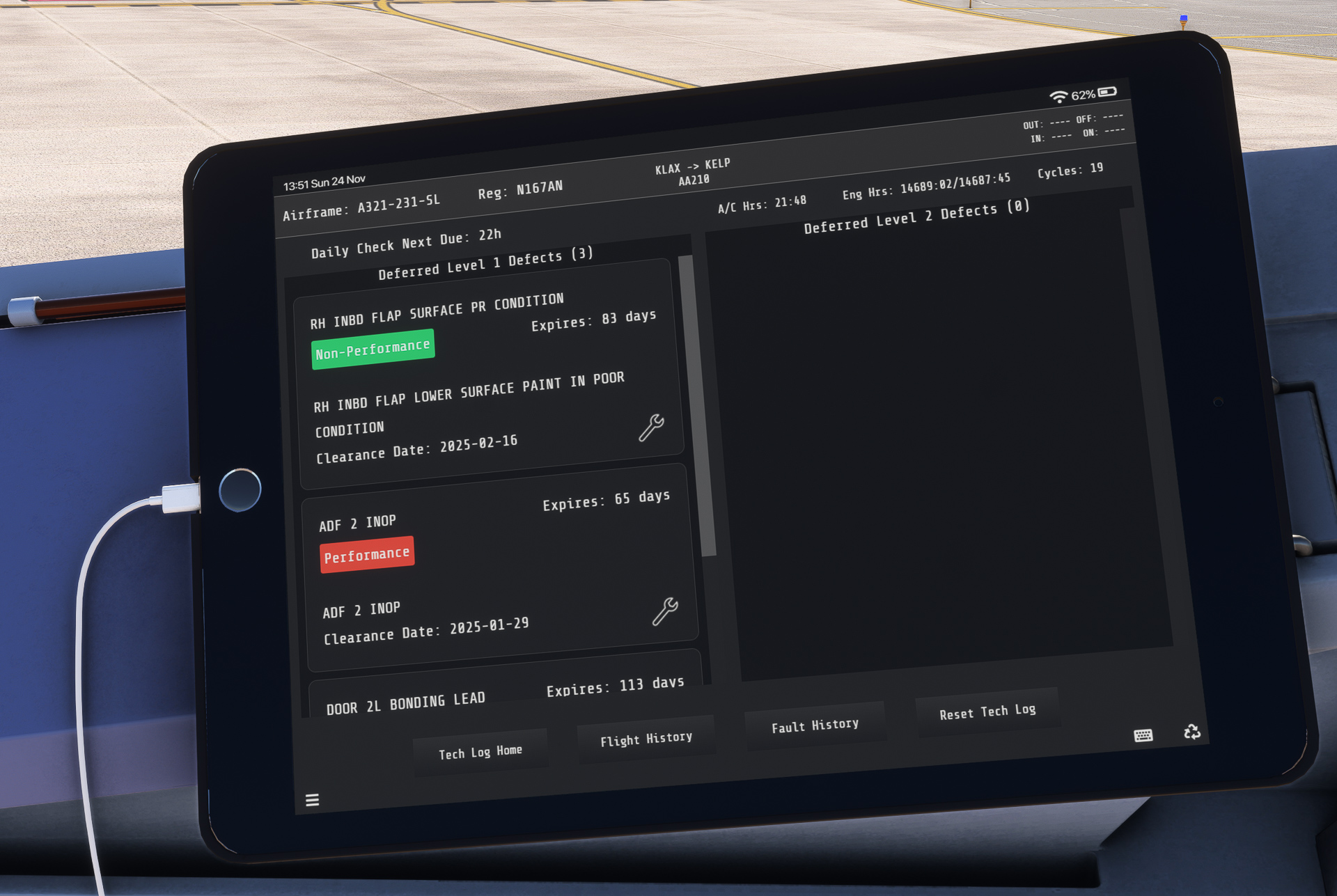
“Jumping into the plane I was greeted by a pretty good looking cockpit. The sounds are also very good and oh boy do I love the systems. It doesn’t handle like a paper plane or a brick it’s very in depth. The AOC menu is the best I’ve seen with any 3rd part dev and I love the way You guys integrated GSX into there flawlessly. Having a Flightlog in the EFB and being able to save fuel for the next flight is also really good.“
“Its the best airbus you can buy from system & flight model perspective“
Next Stop: Pratt & Whitney Power
As always, we’ll continue to keep you updated on our progress. Your voices are heard, your experiences are valued, and your ideas are helping shape the future of our simulation titles. We’re incredibly proud of what we’ve built so far – and even more excited for what’s still to come.
Thank you again for being a part of this journey. Here’s to many more flights, updates, and shared moments in the skies.
Next up – it’s what we affectionately call whale time here at the labs! We’re gearing up to share more details about our next major update, which will introduce the highly anticipated Pratt & Whitney engine variant. It’s an exciting addition that we know many of you have been waiting for, and we can’t wait to show you what we’ve been working on.
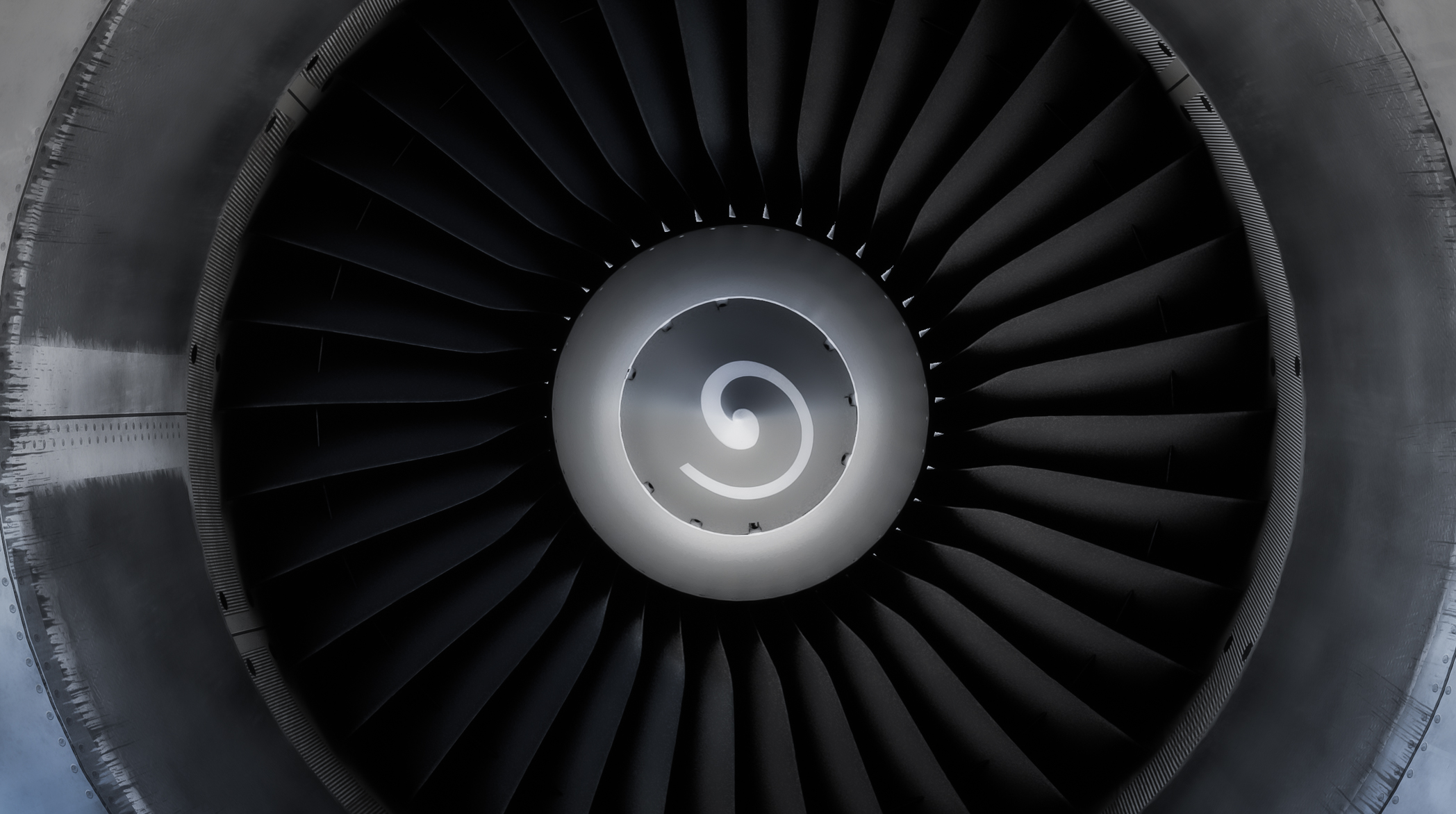
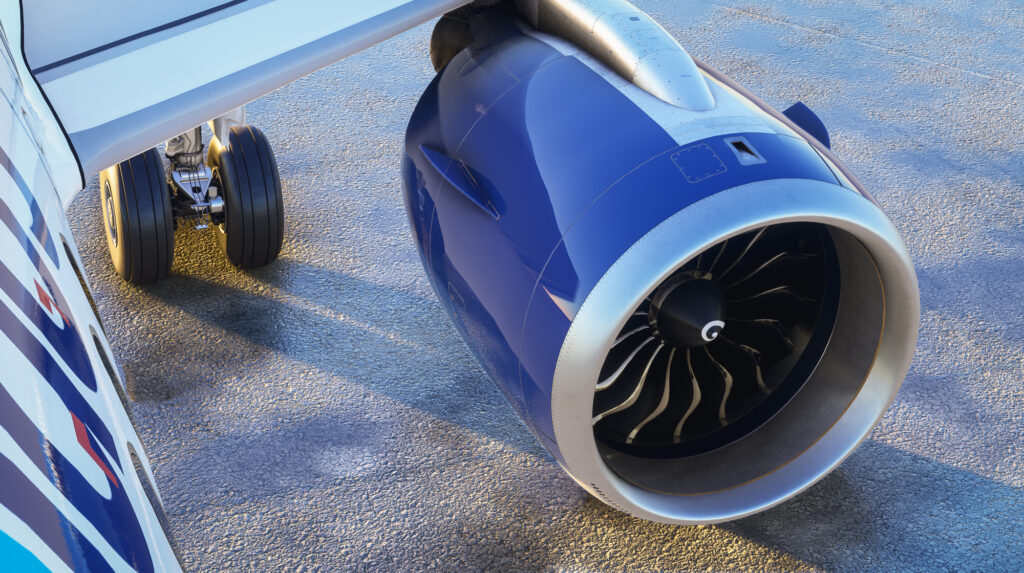
If you’ve ever heard the real-world PW1100G-JM spool up, you’ll know exactly why it’s earned the “whale” nickname among aviation fans. The engine’s unique sound comes from its geared turbofan design, which allows the massive front fan to spin more slowly while the turbine runs at higher speed and this results in a deep, rising tonal resonance during acceleration – smooth, layered, and strangely melodic. It’s this almost singing quality that simmers and spotters alike compare to a whale call.
So, we’ve been hard at work capturing that distinctive acoustic signature and integrating it into our simulation, along with the visual and performance differences you’d expect from this alternate engine option. It’s a big step in our mission to make each aircraft variant feel genuinely alive – not just in how it looks and flies, but in how it sounds too.
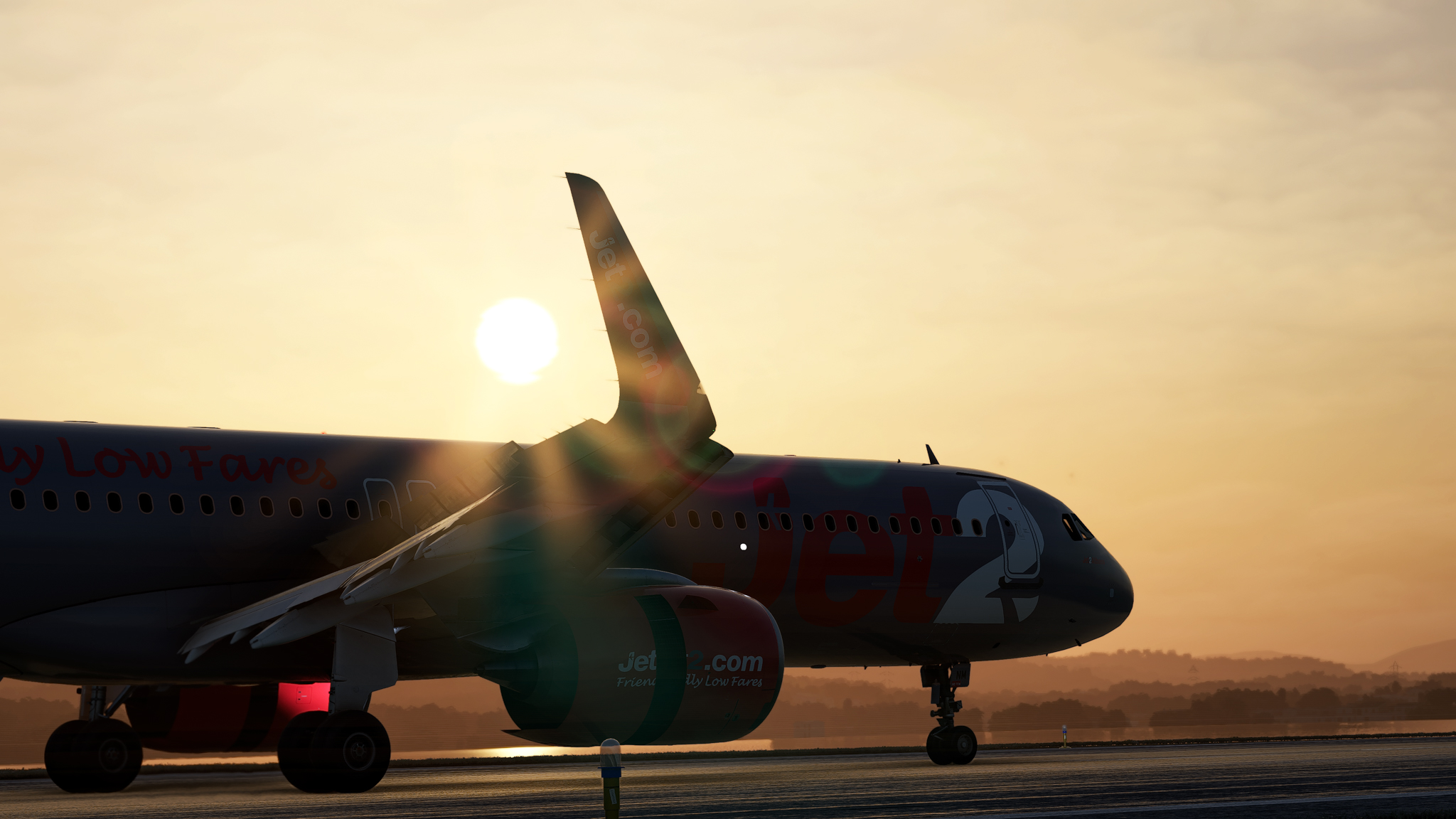
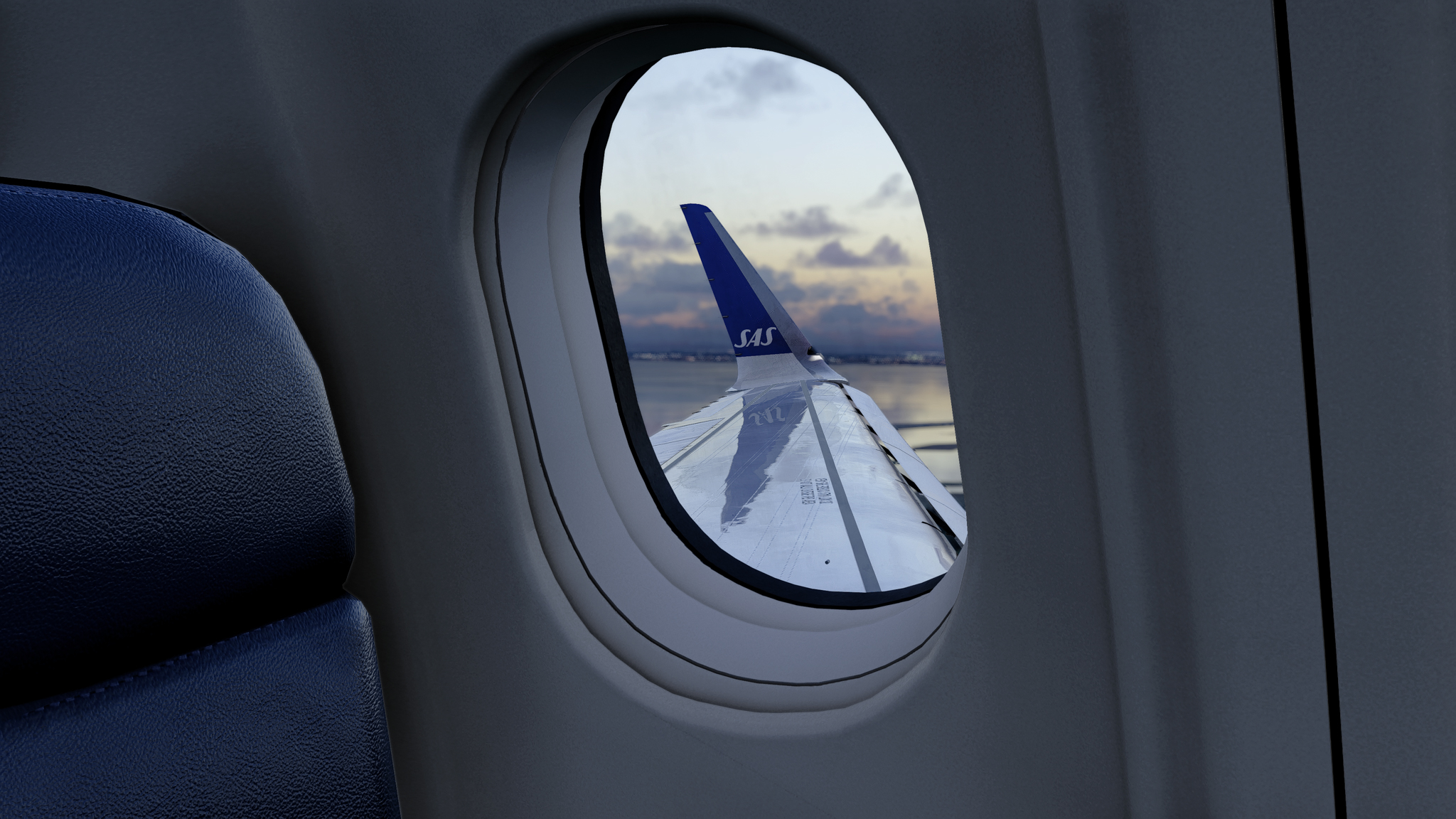
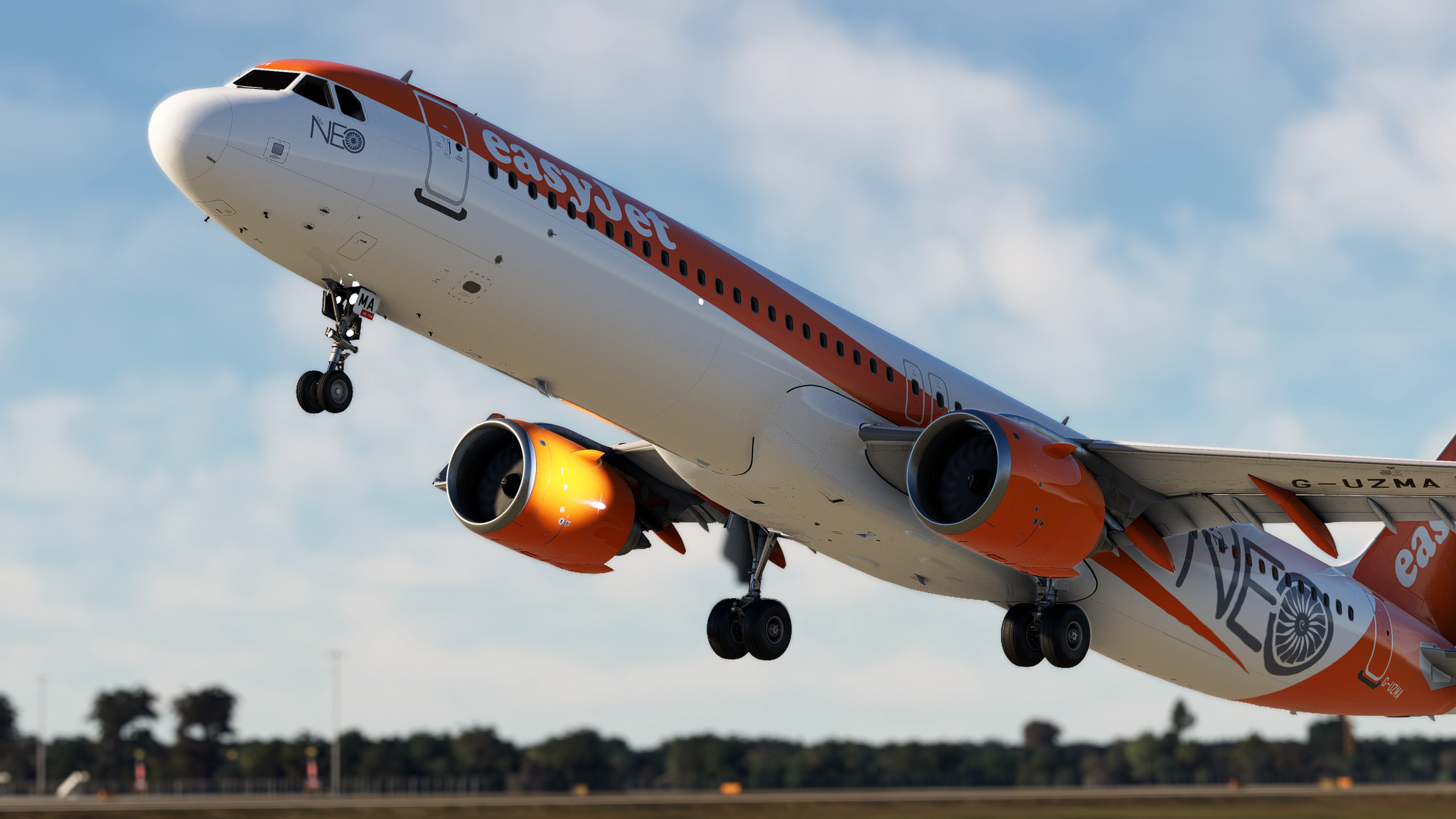
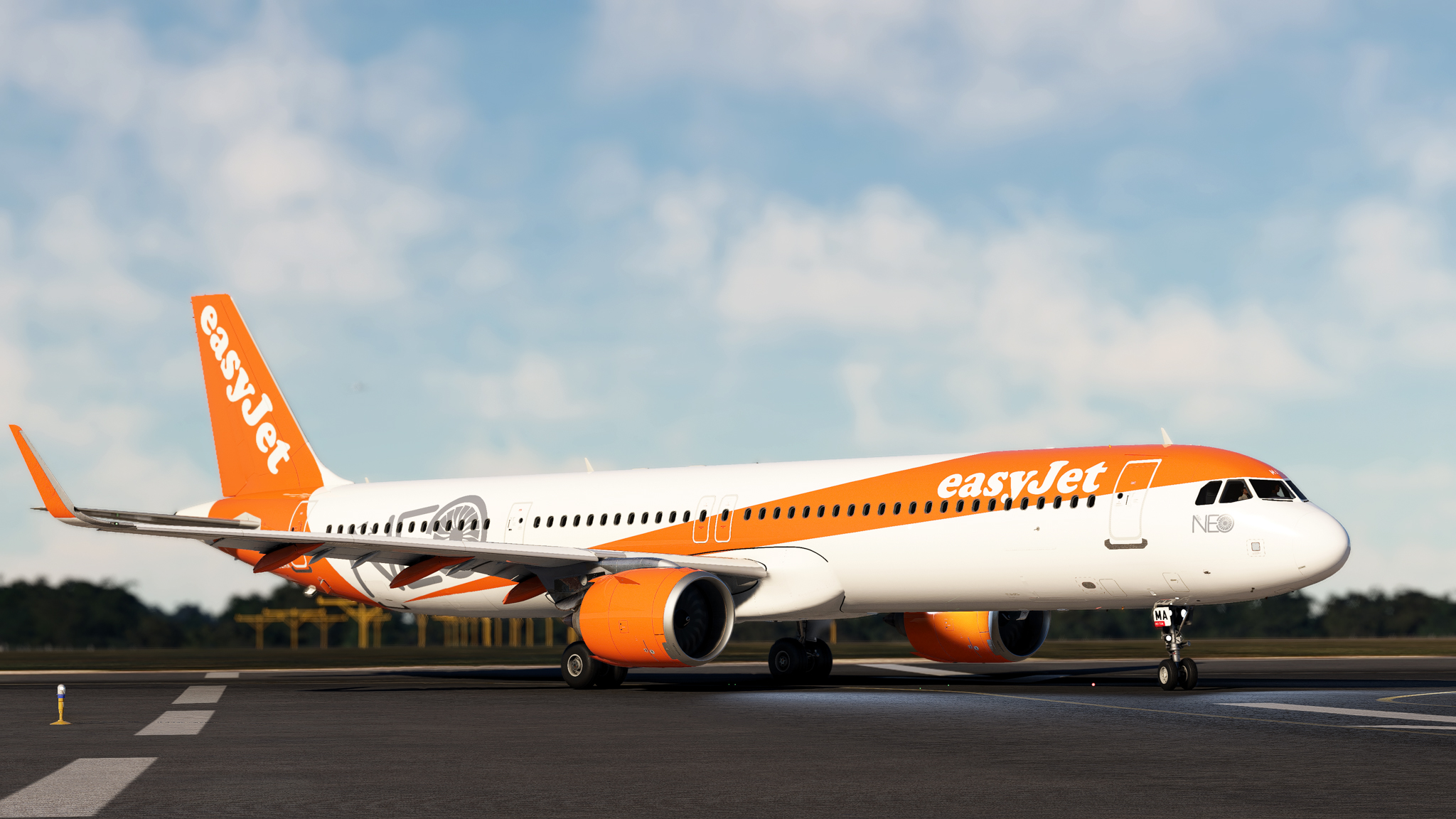
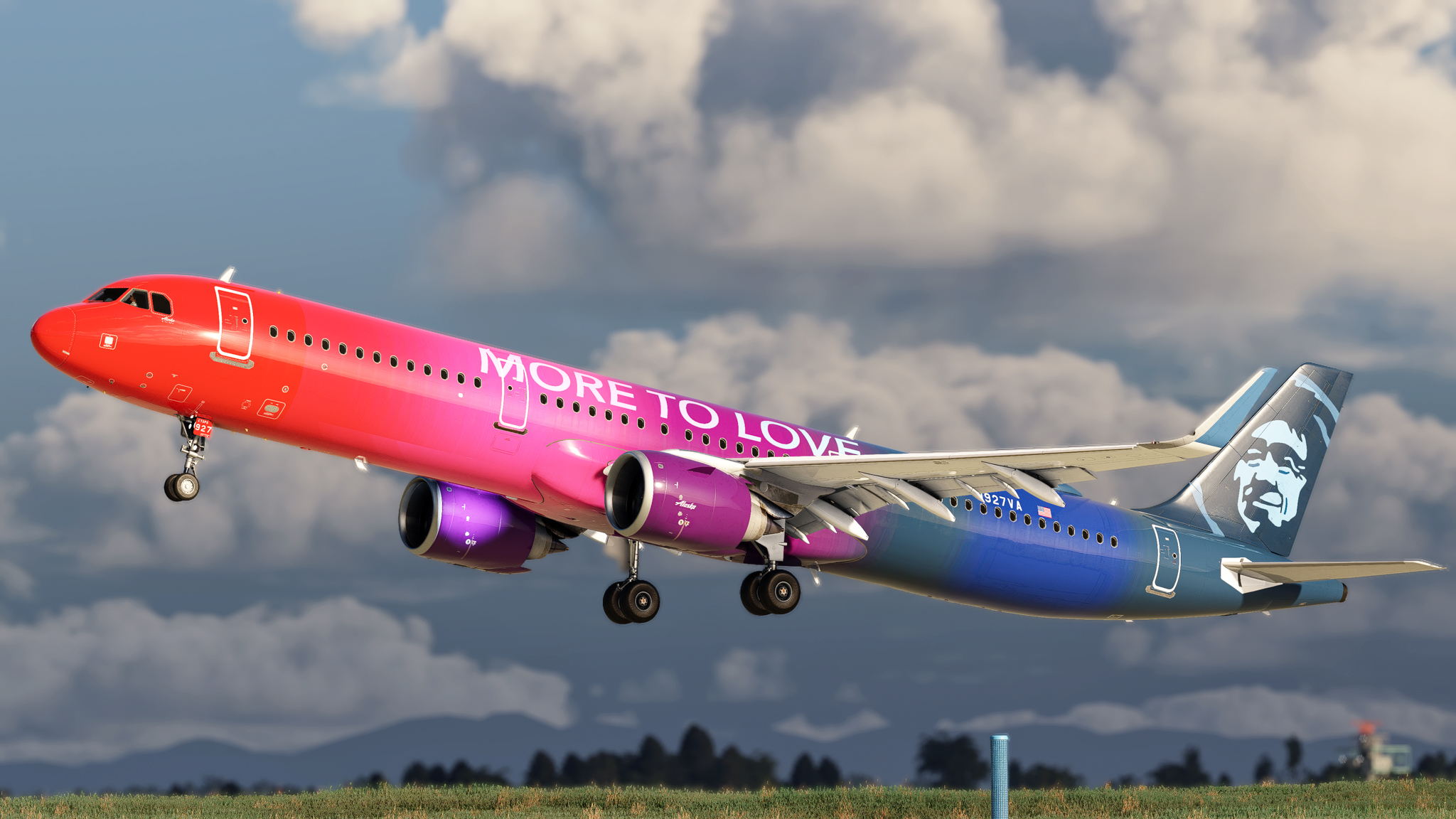
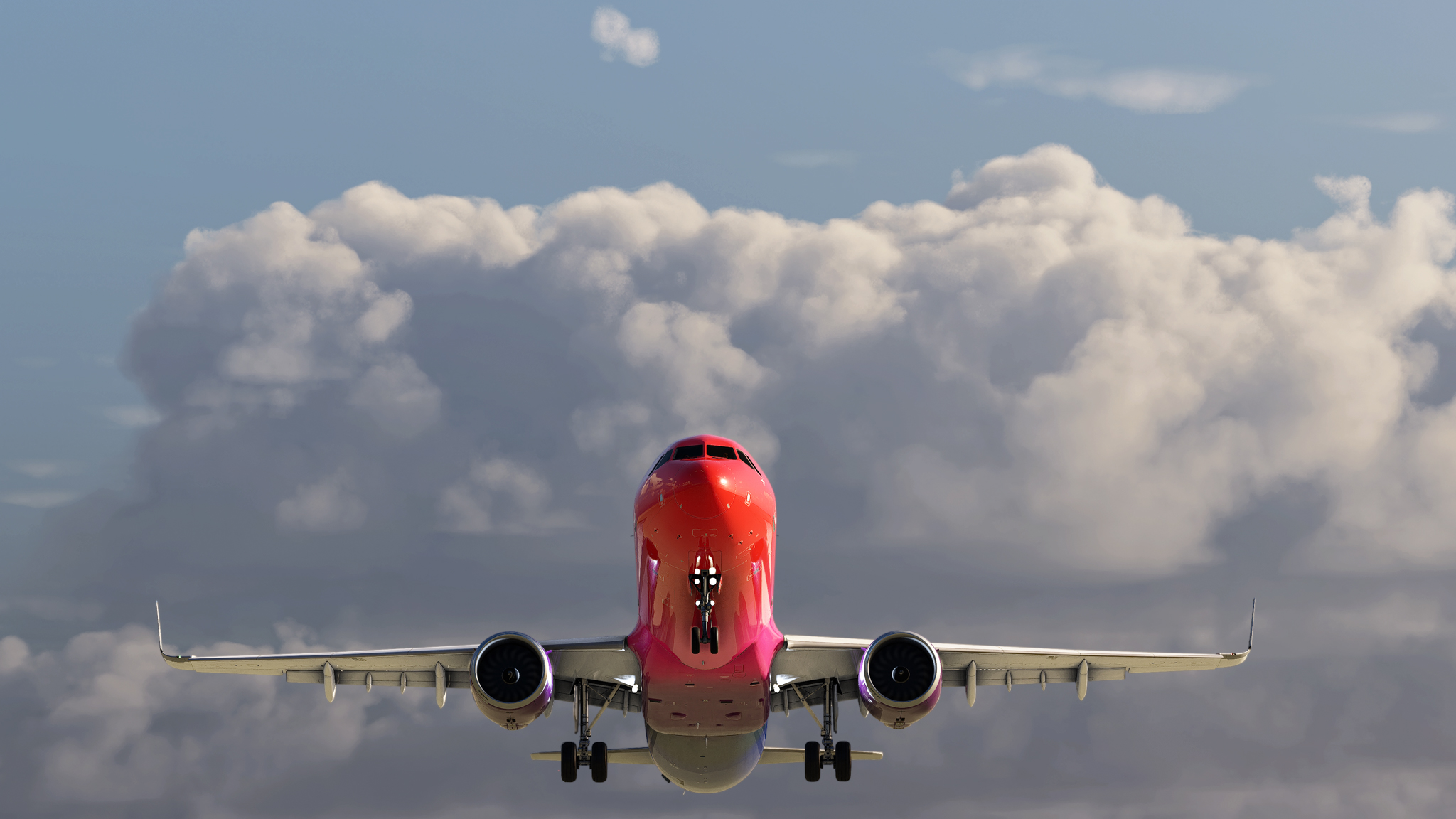
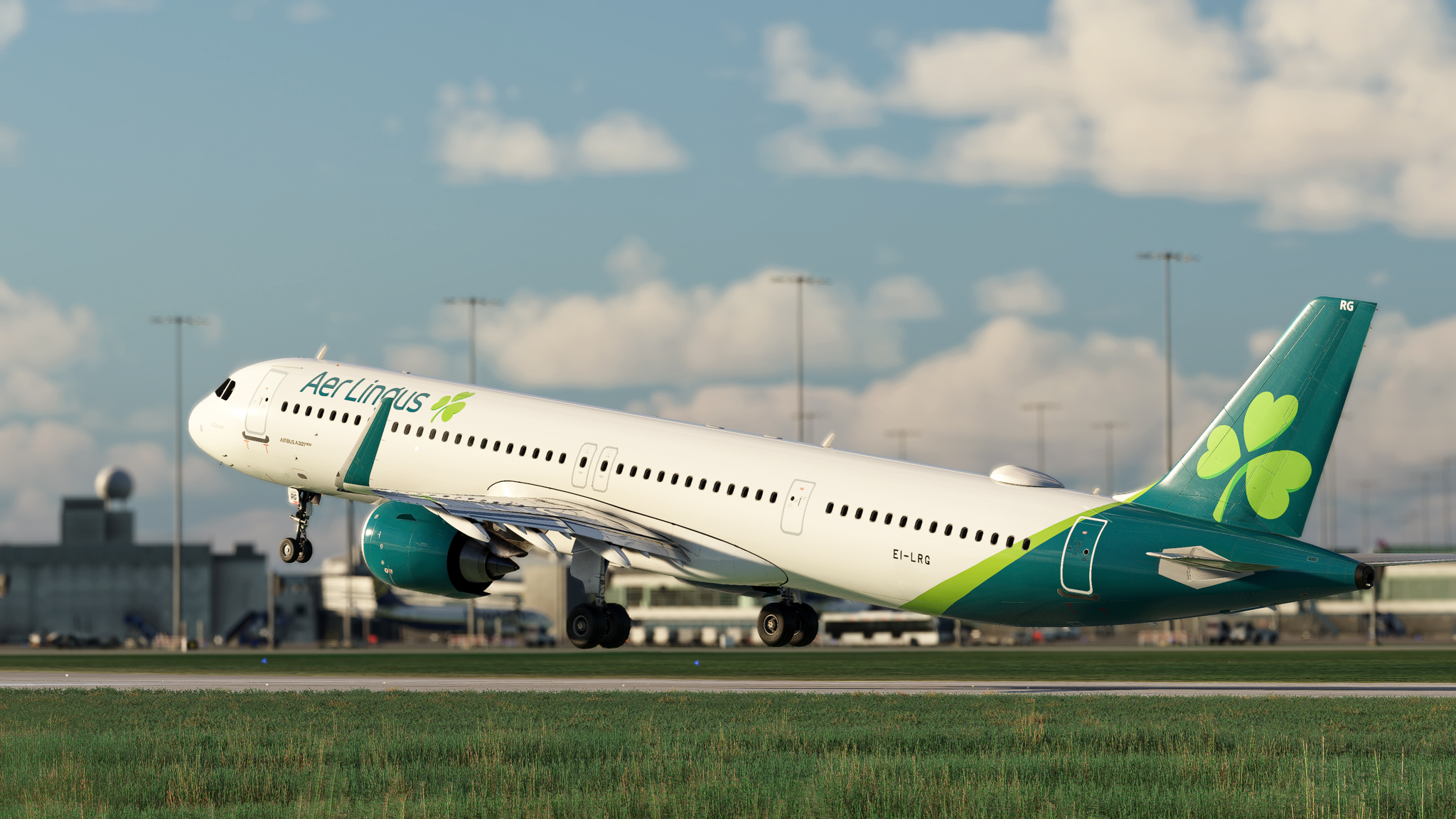
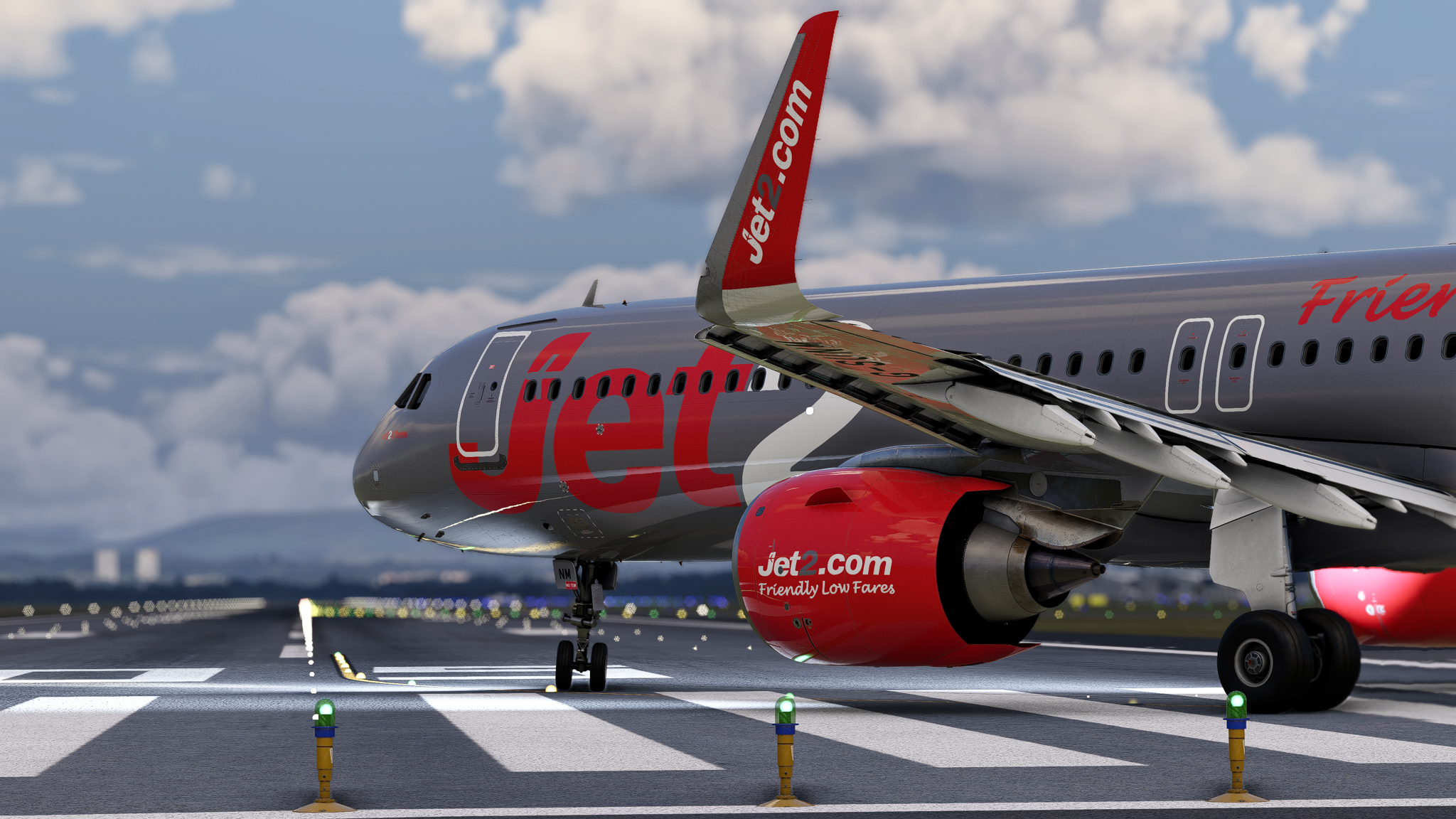
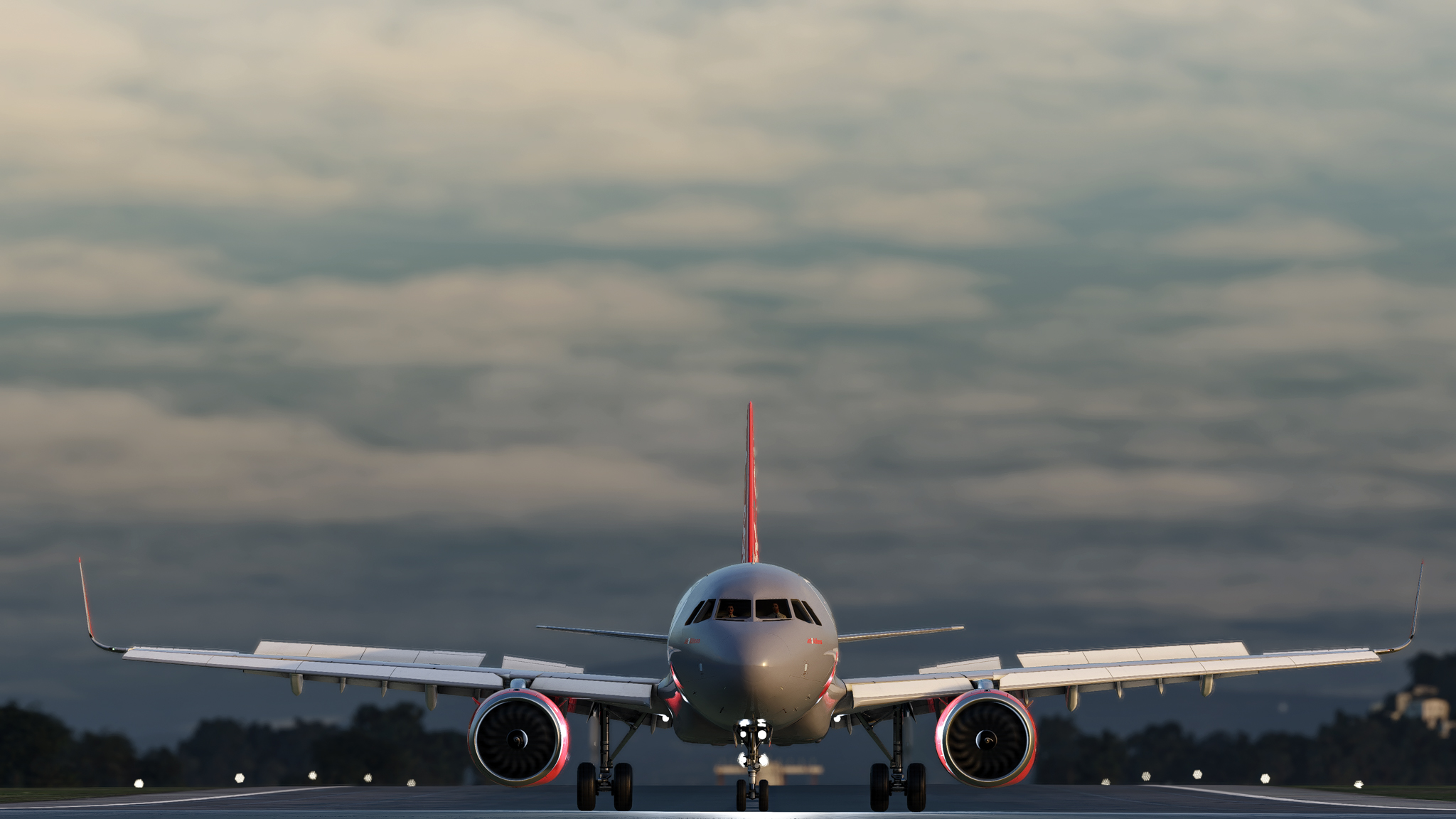
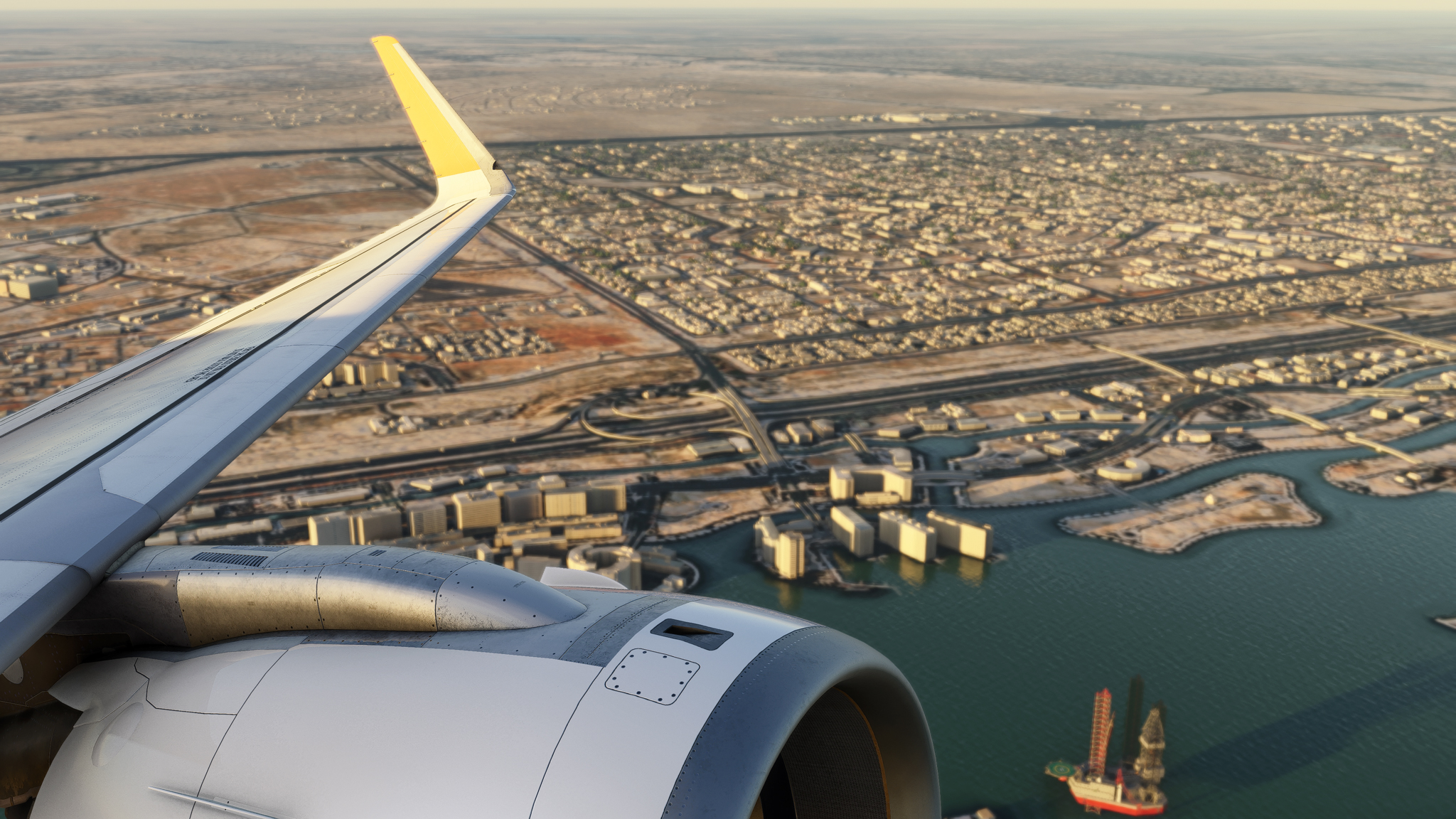
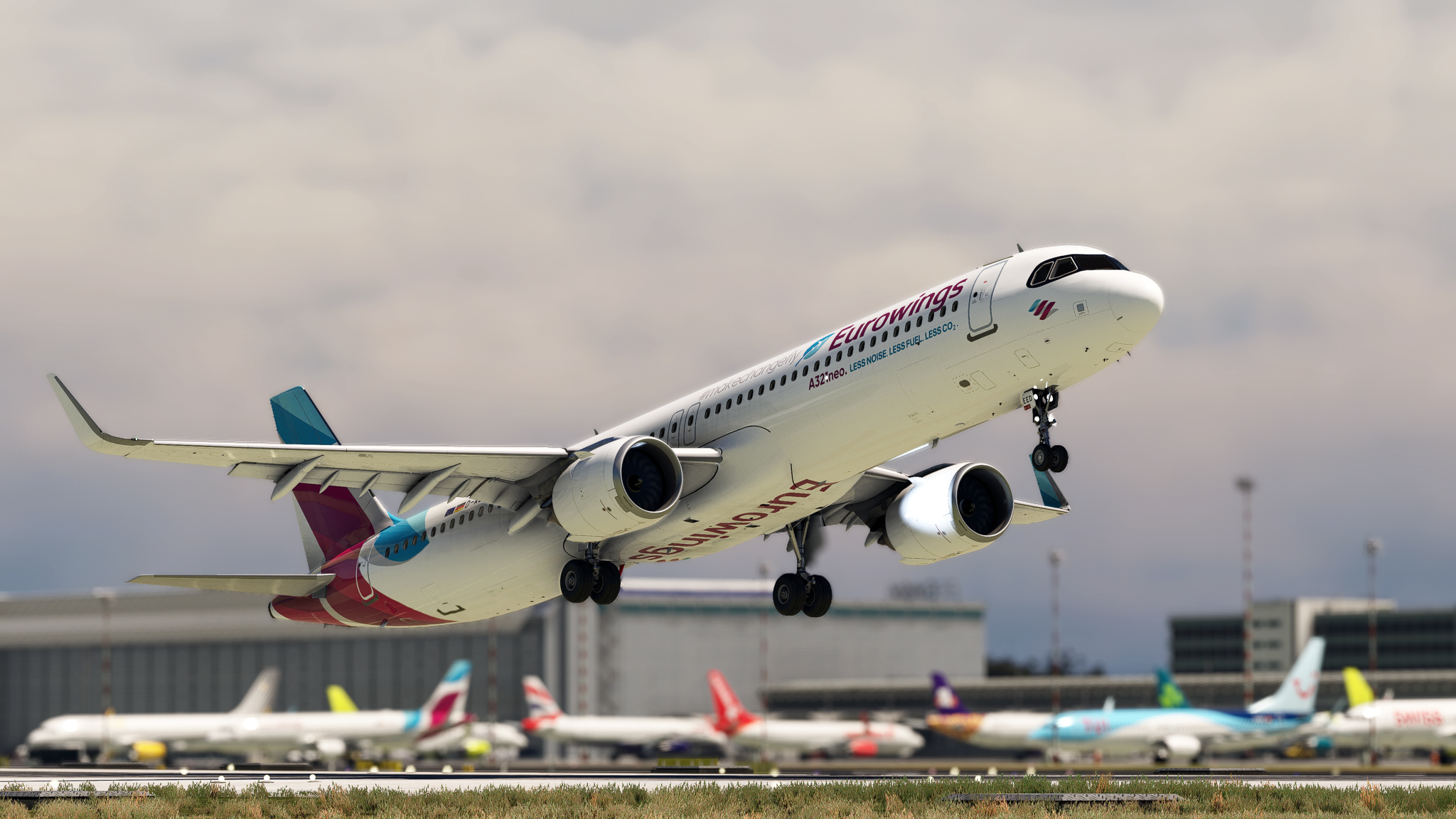
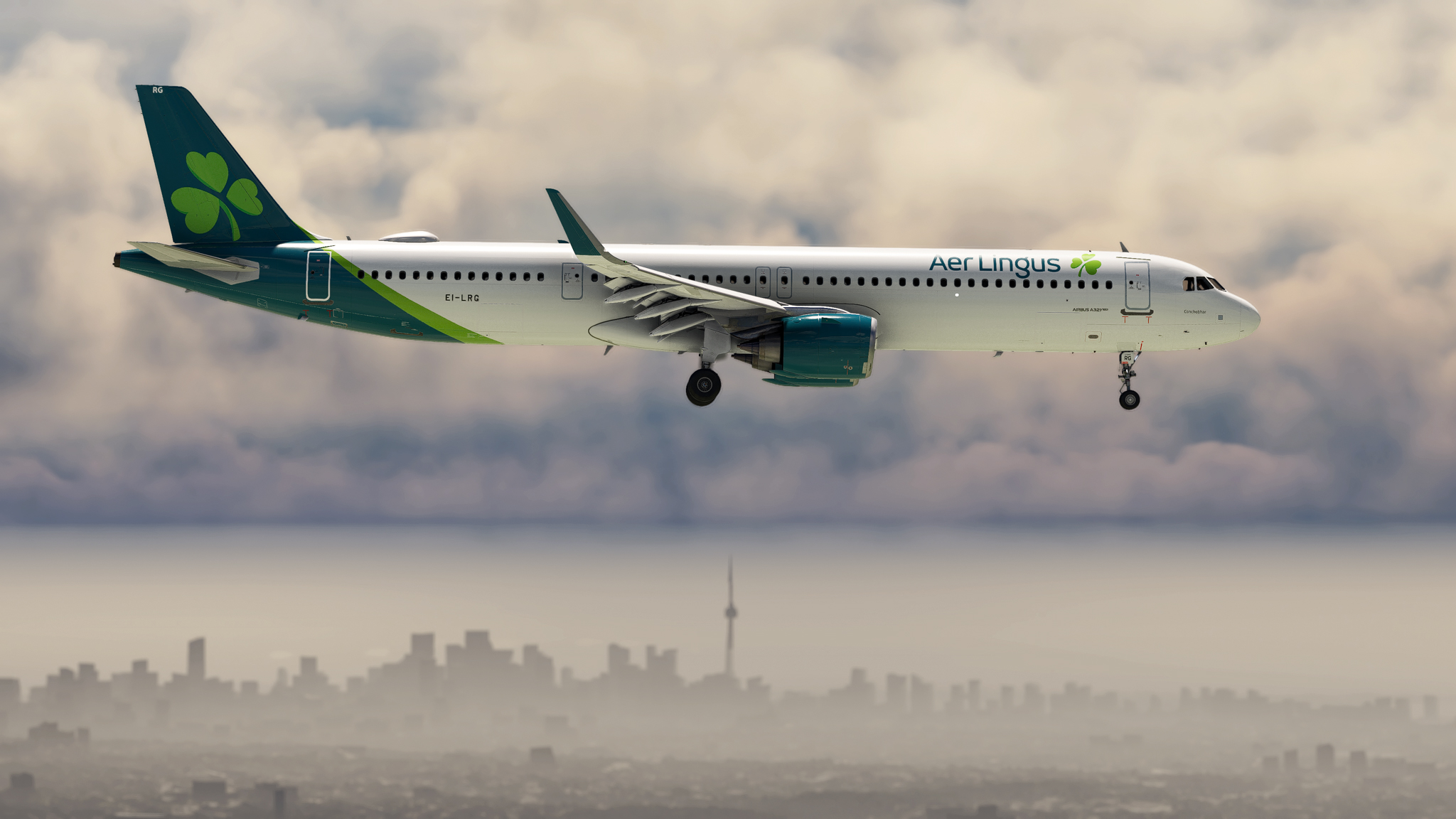
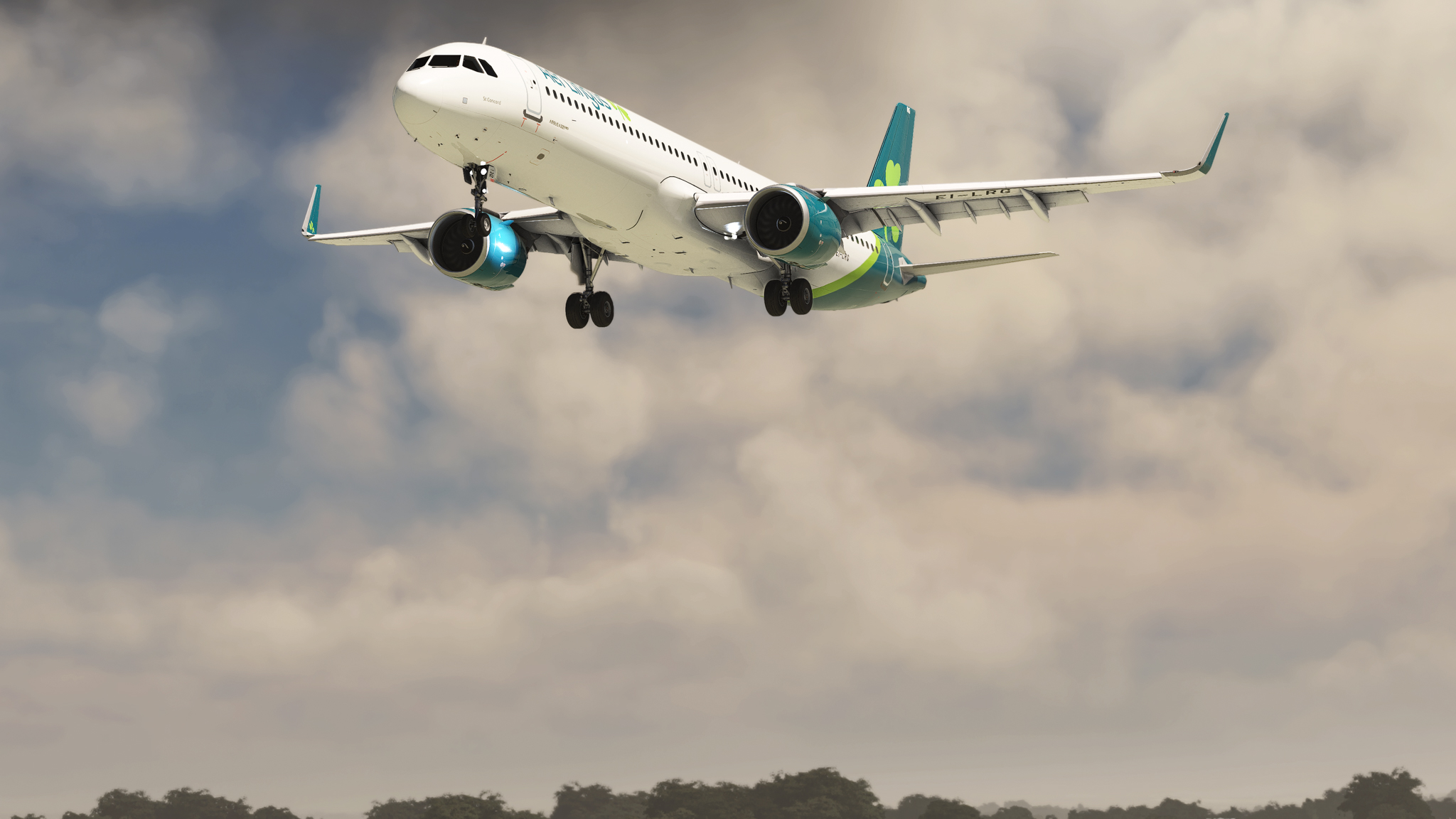
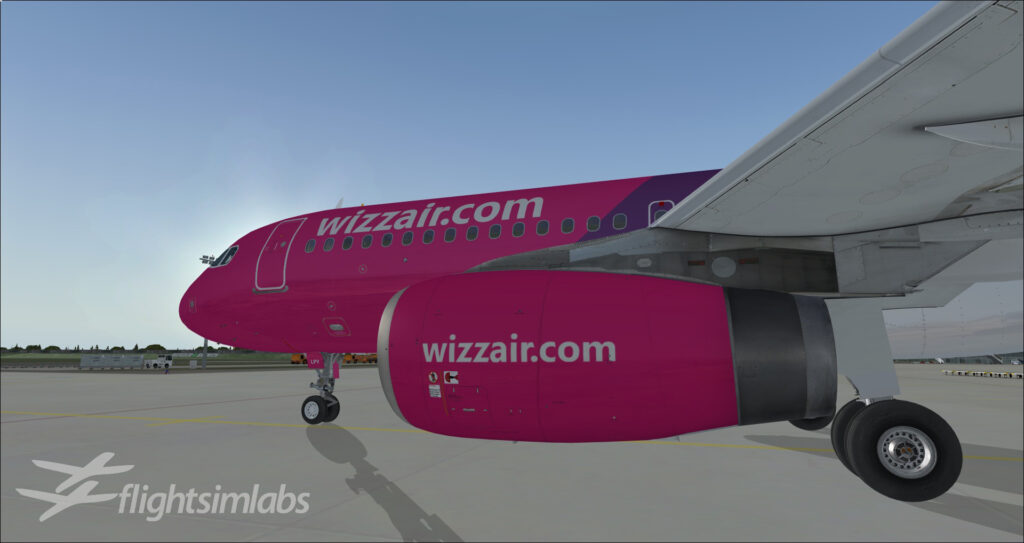
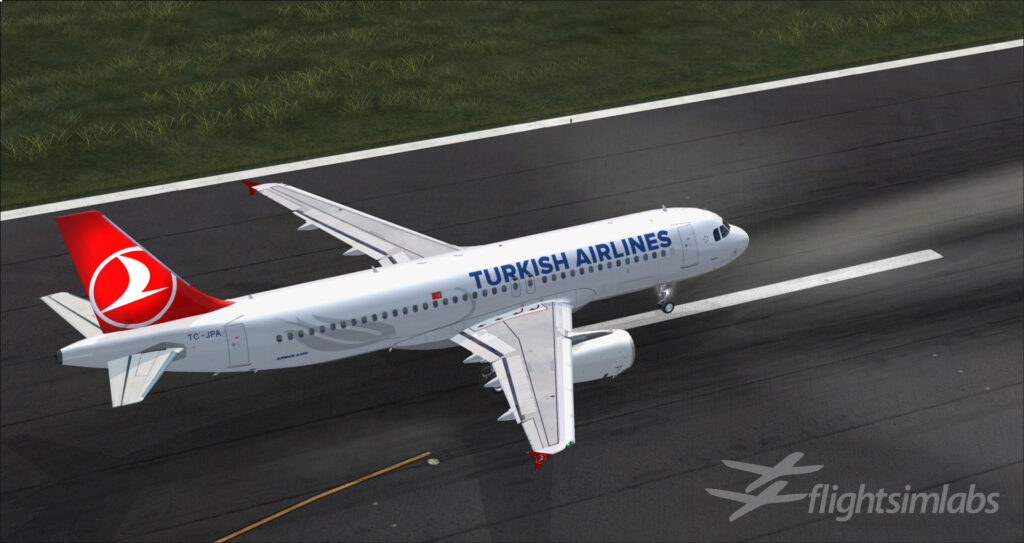
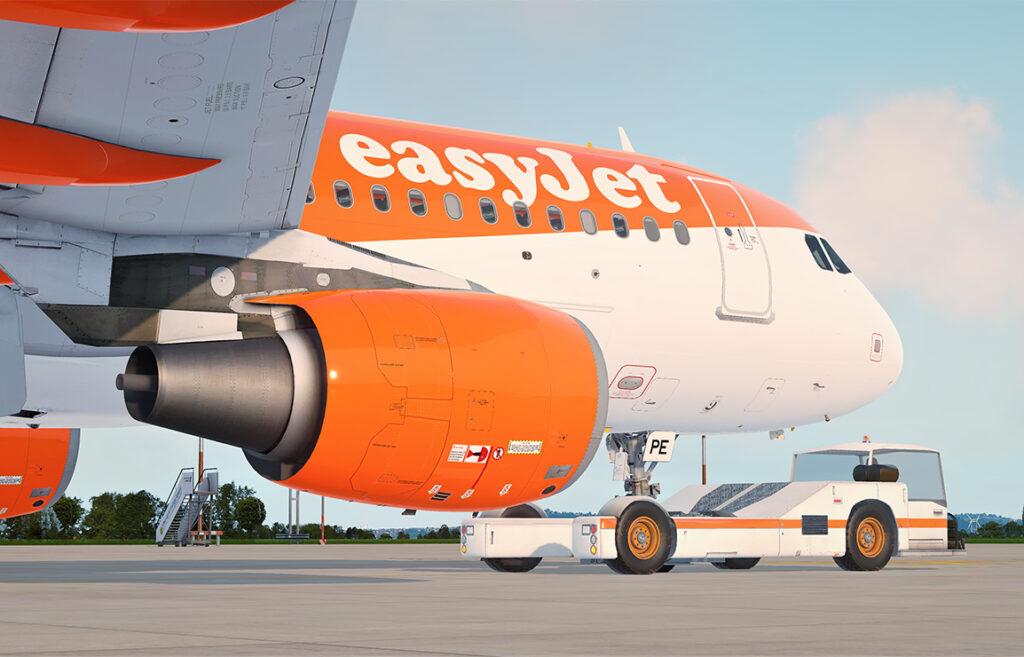
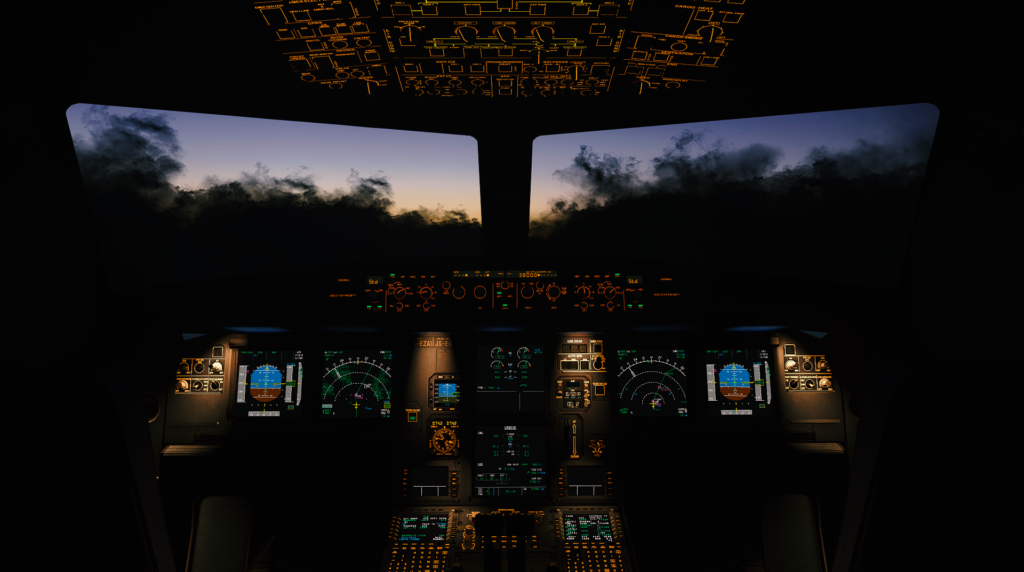
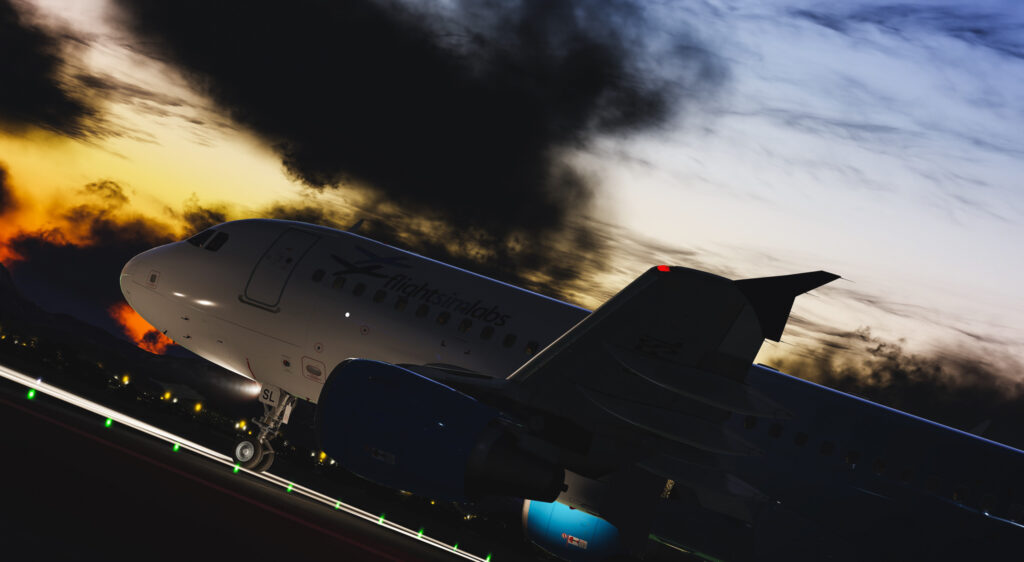
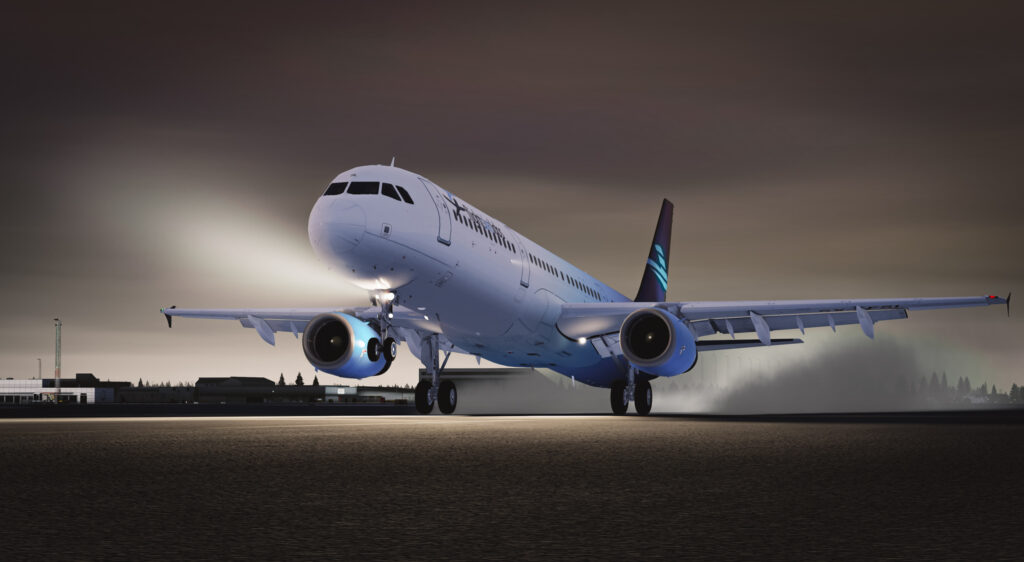
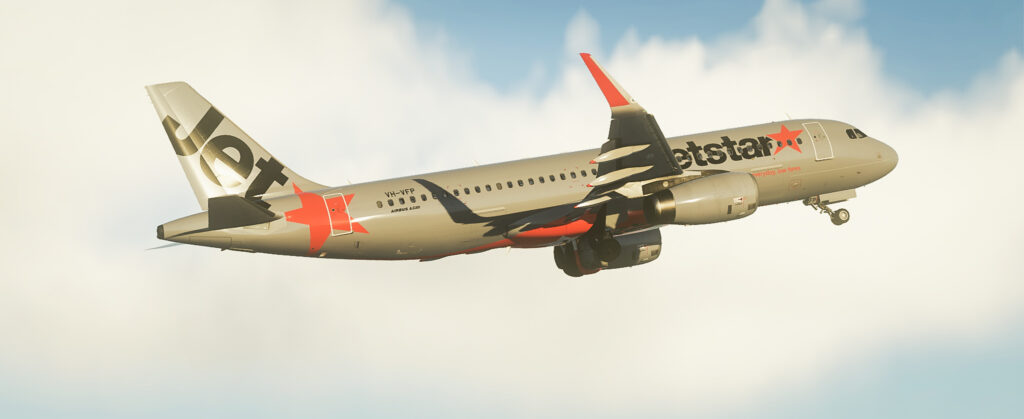
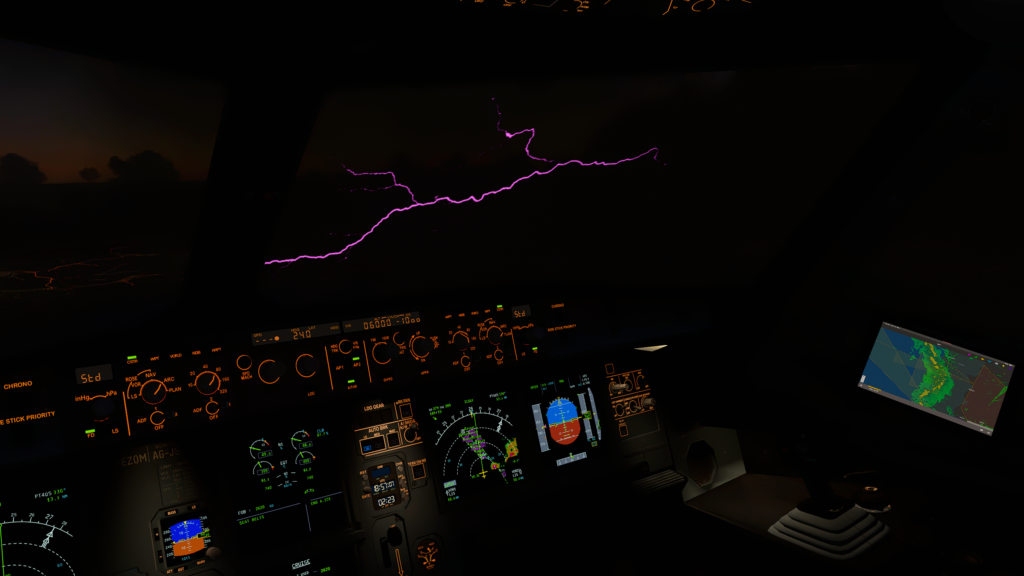
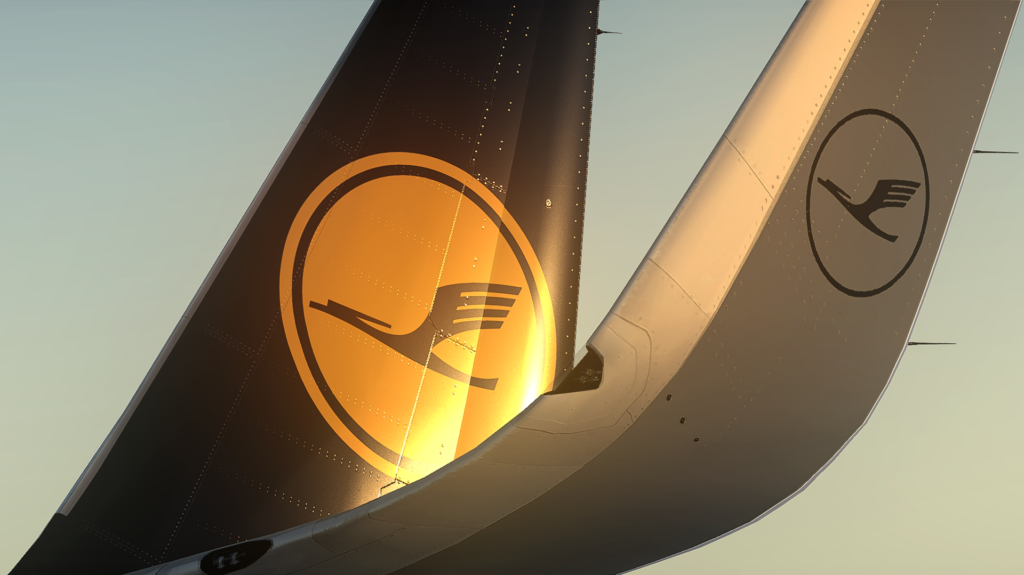
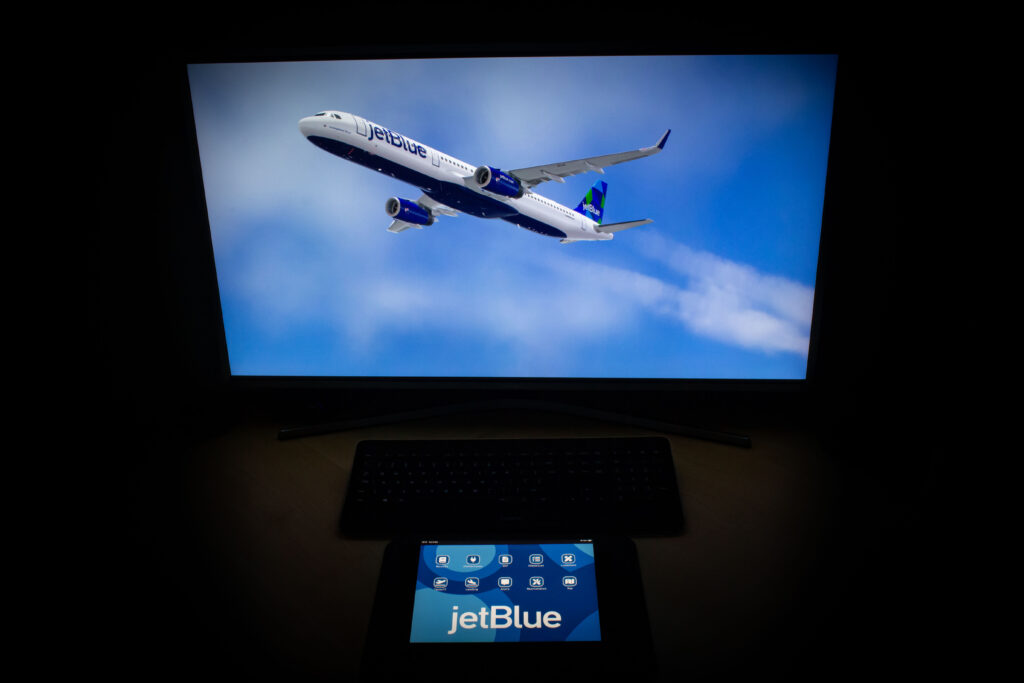
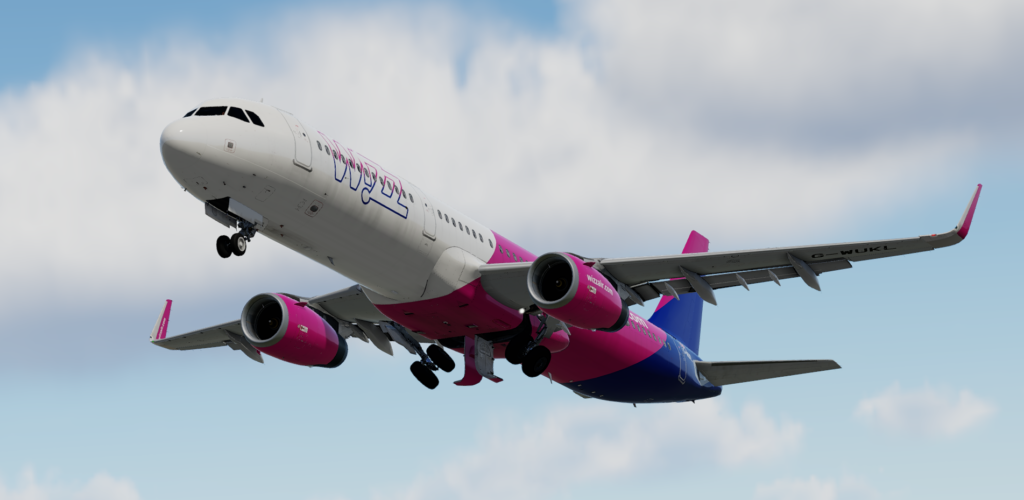
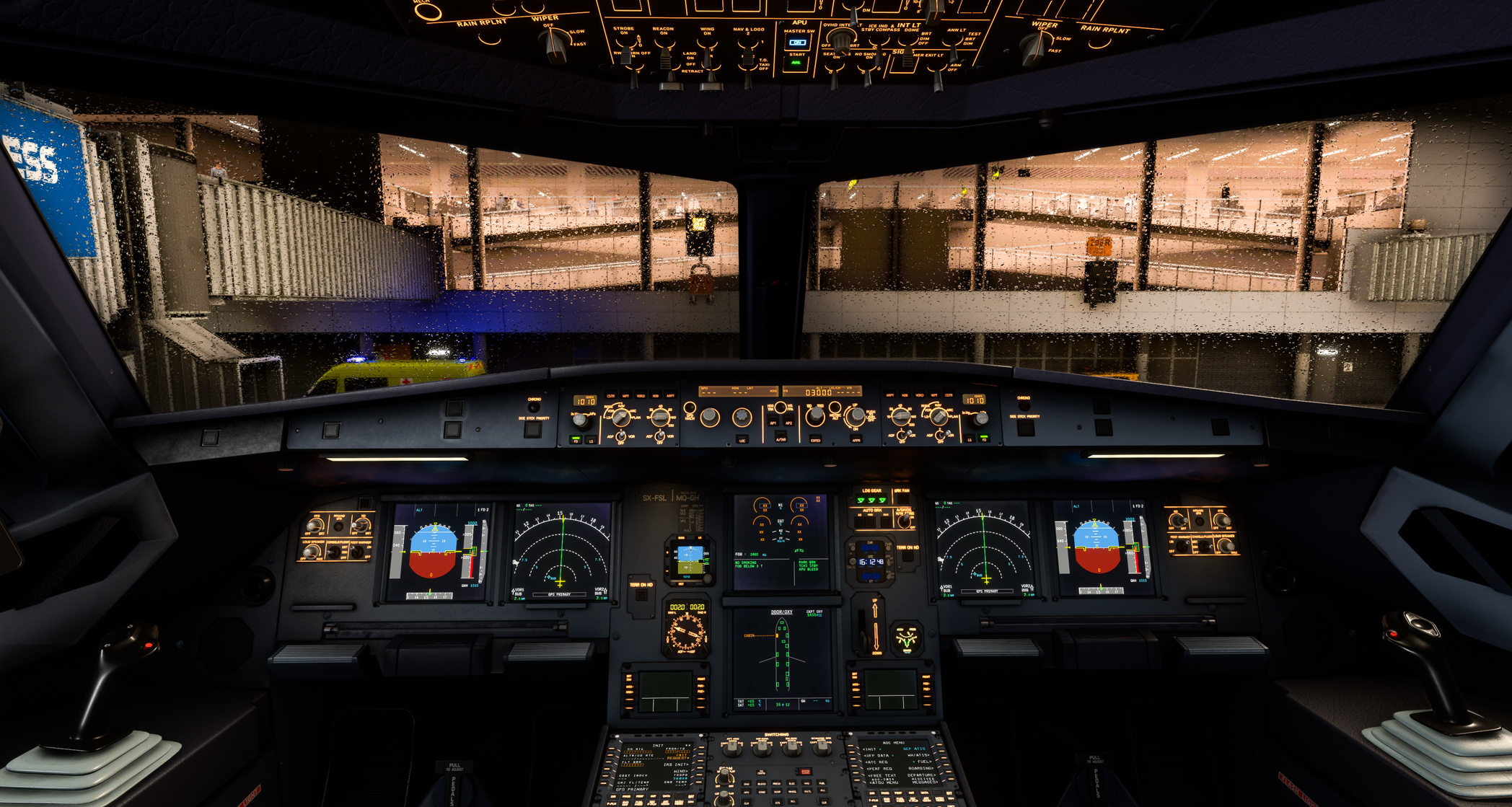
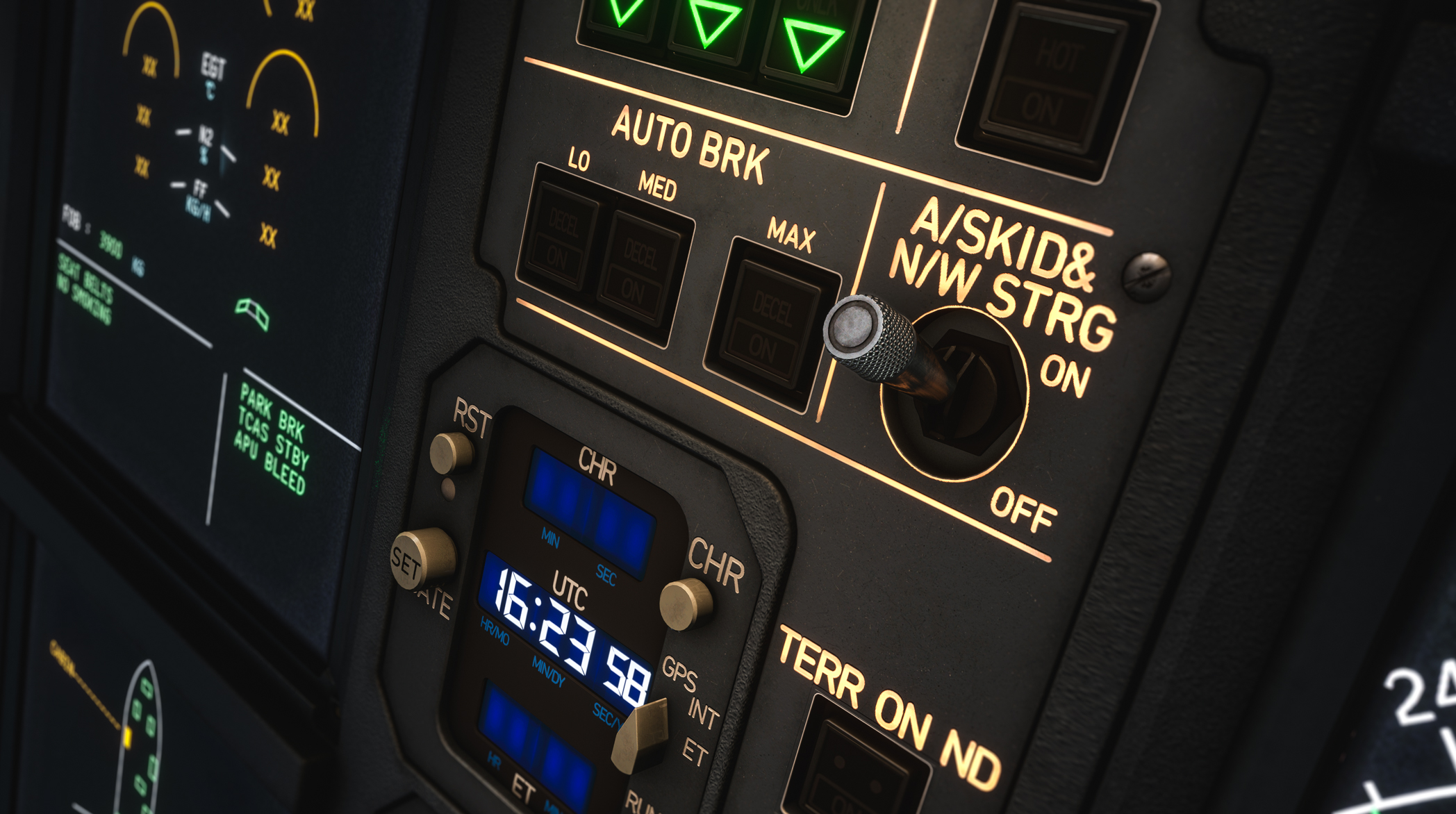
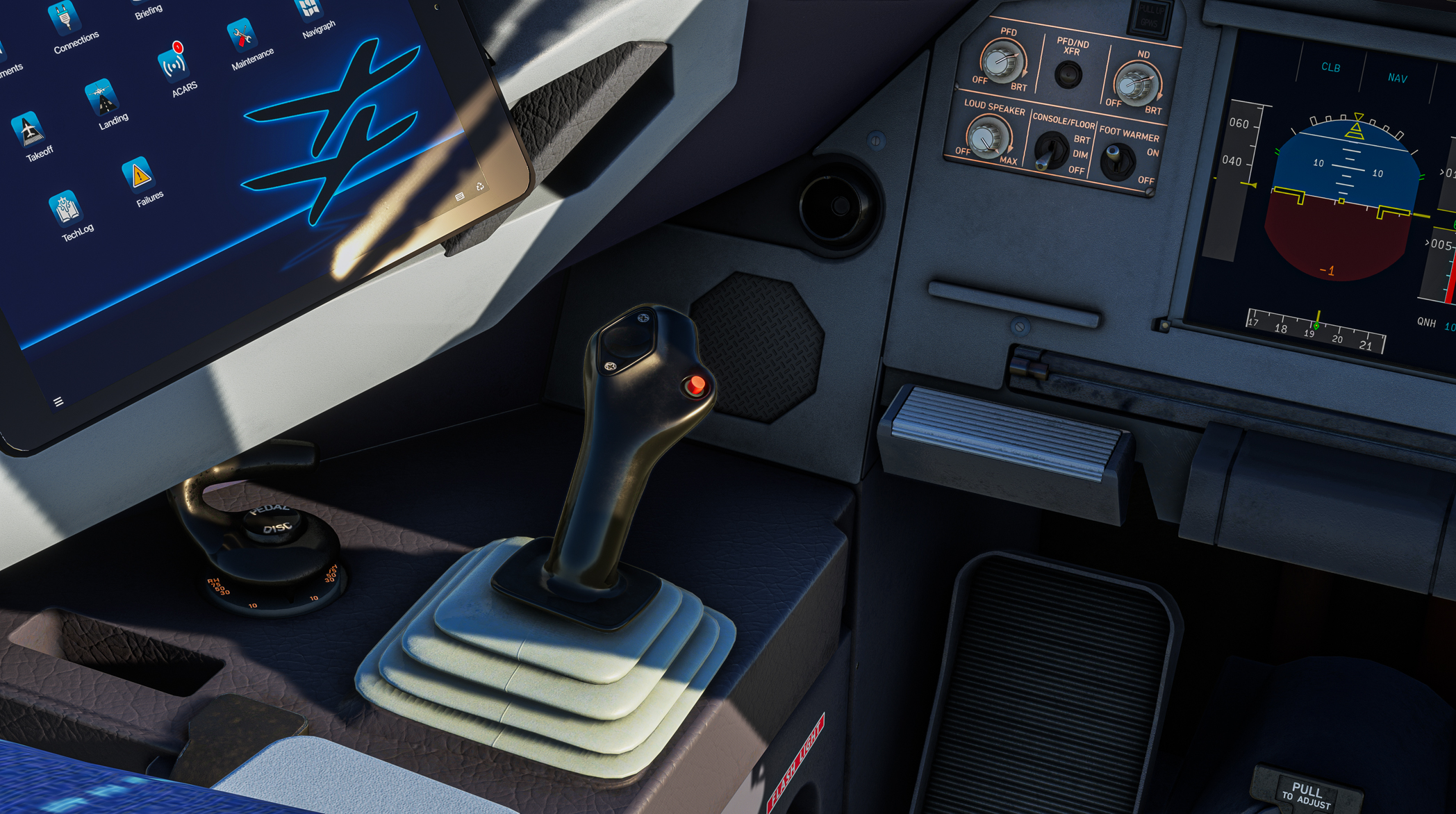
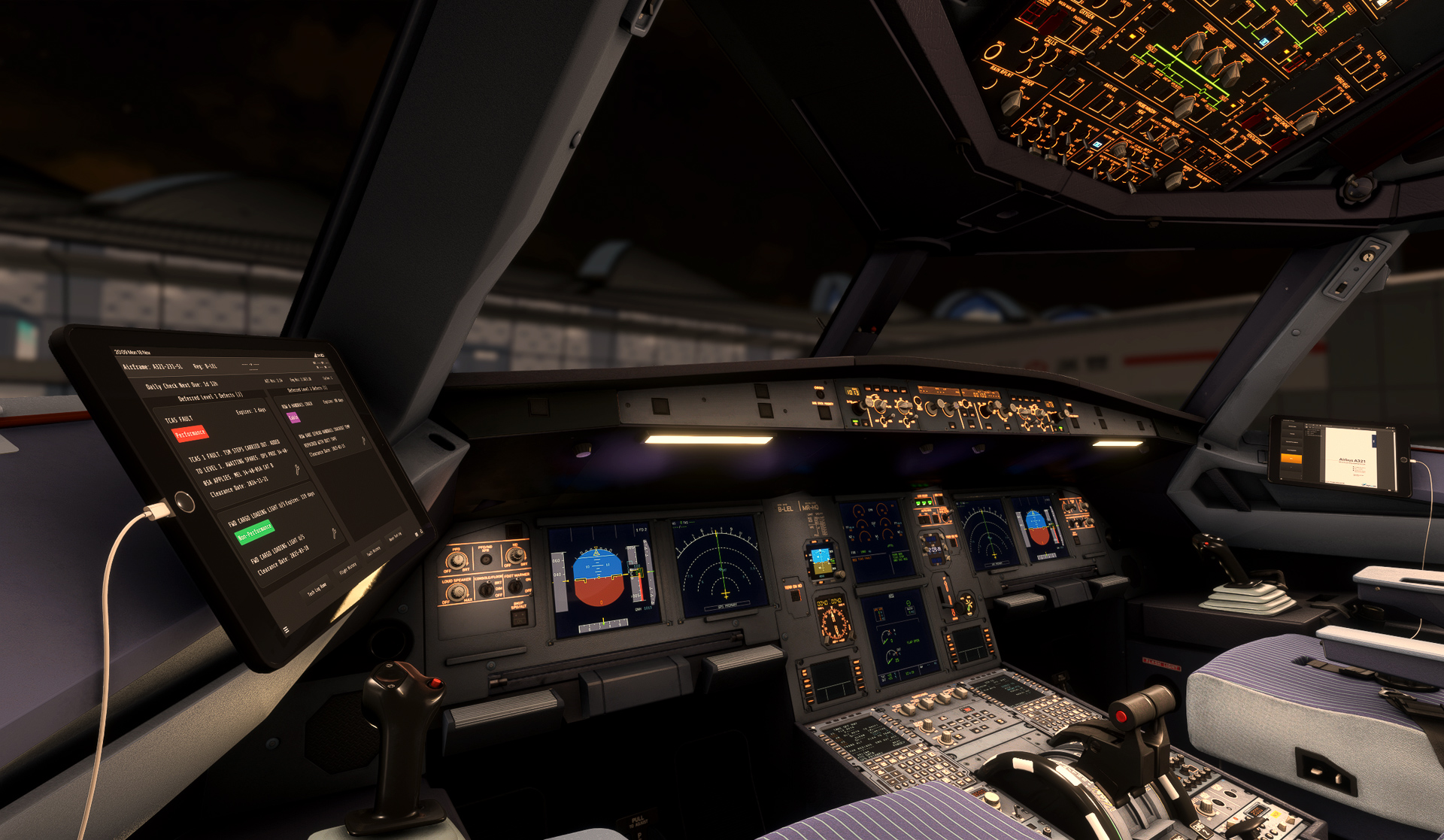
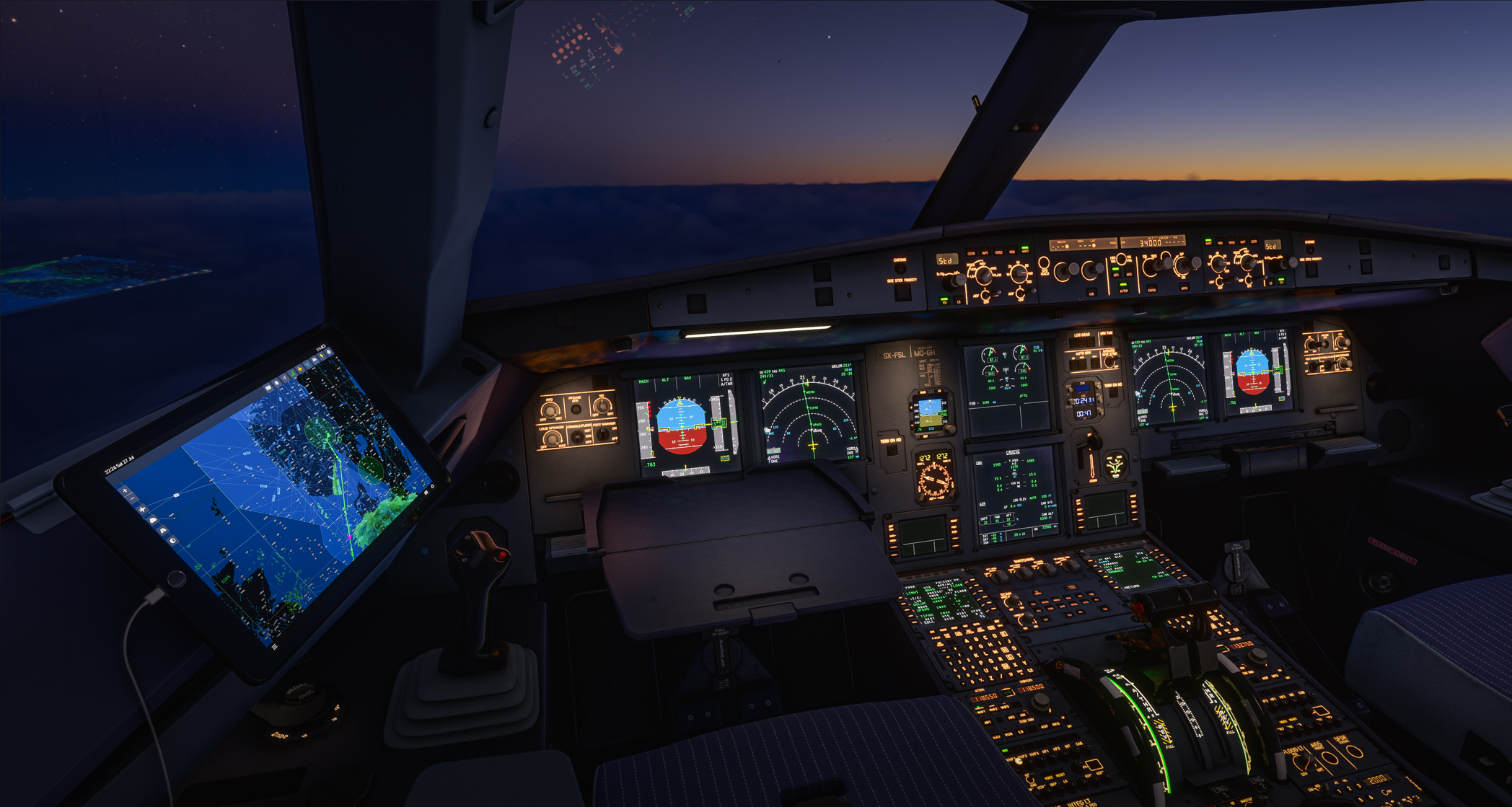
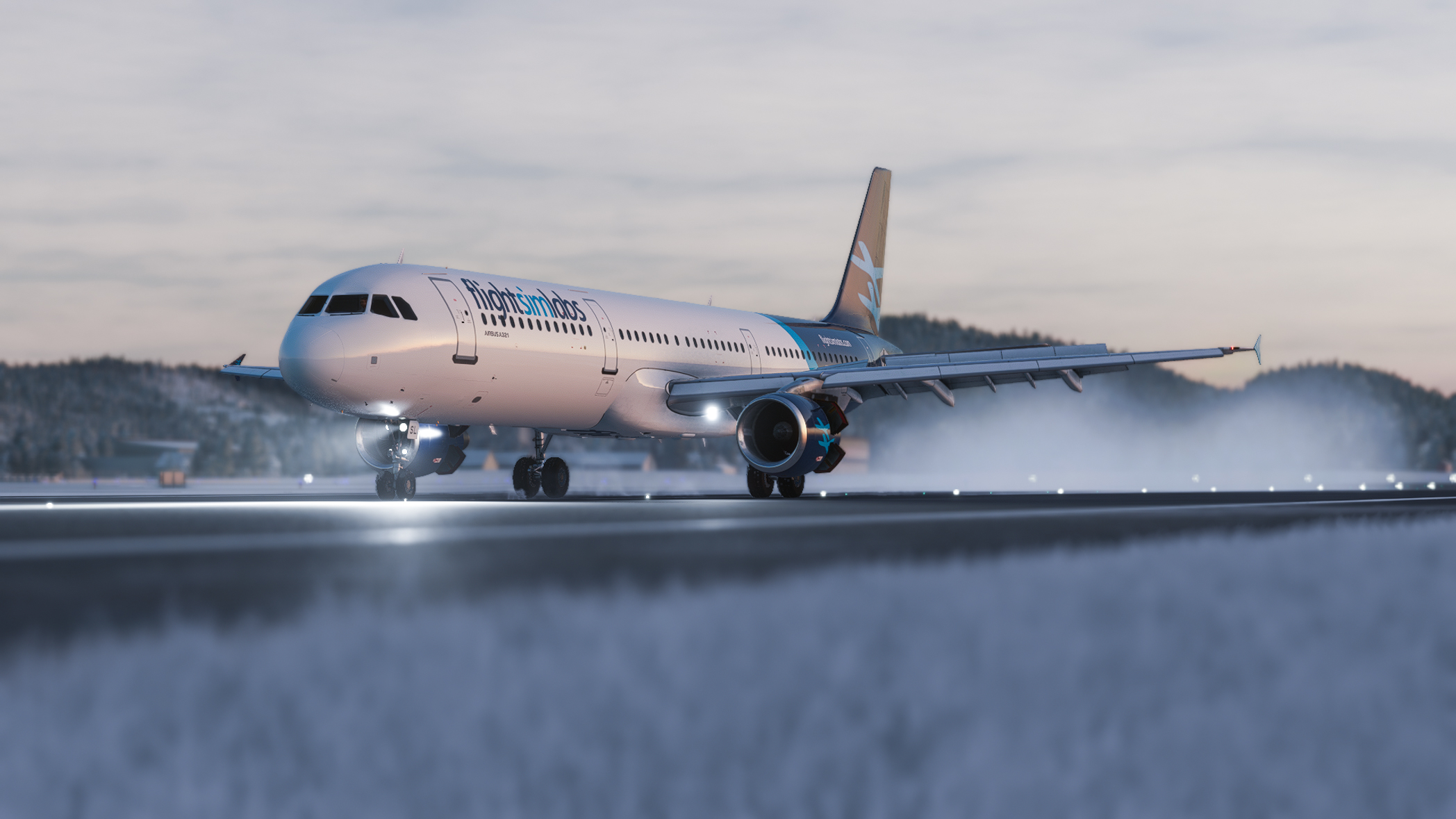
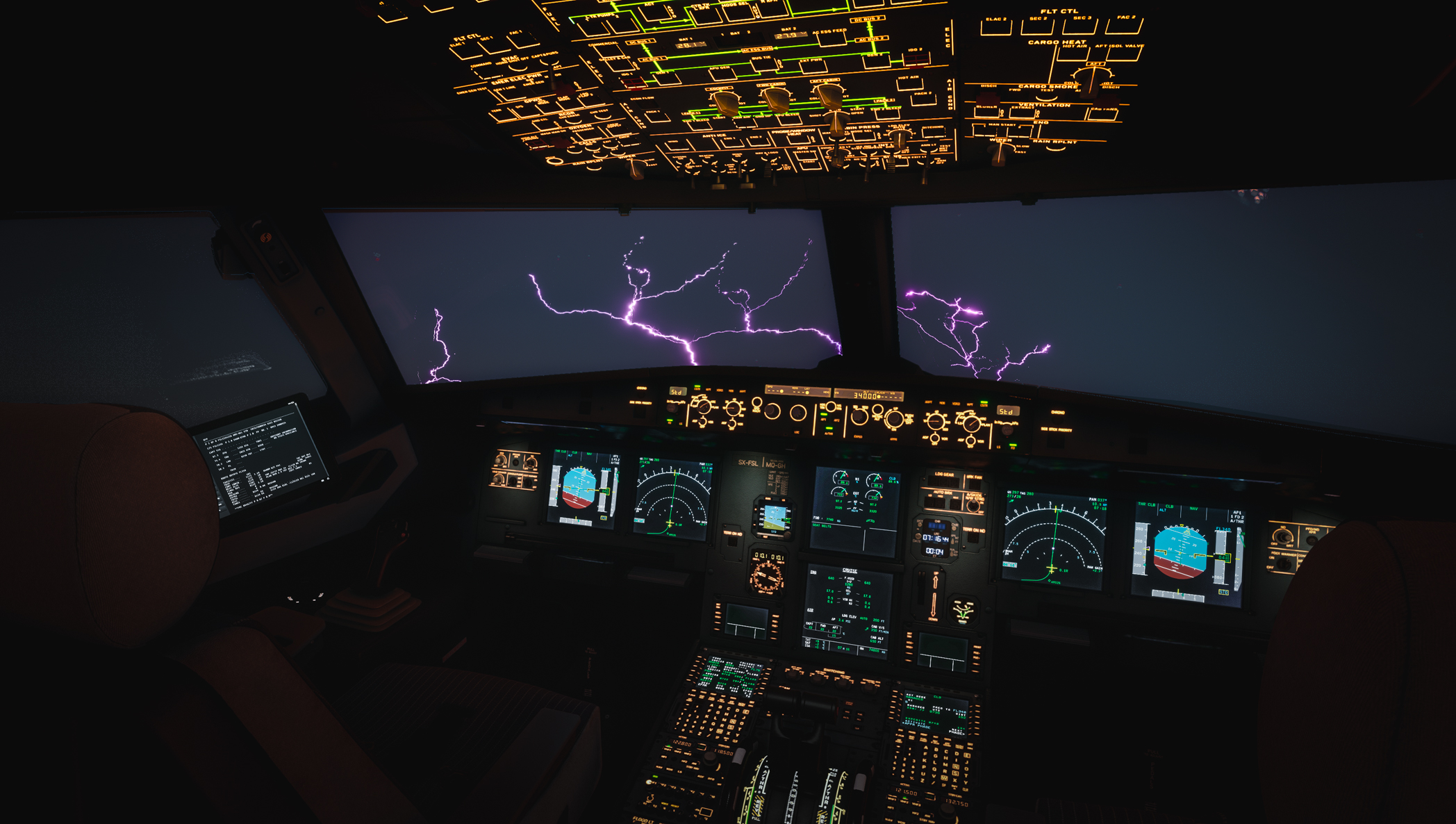
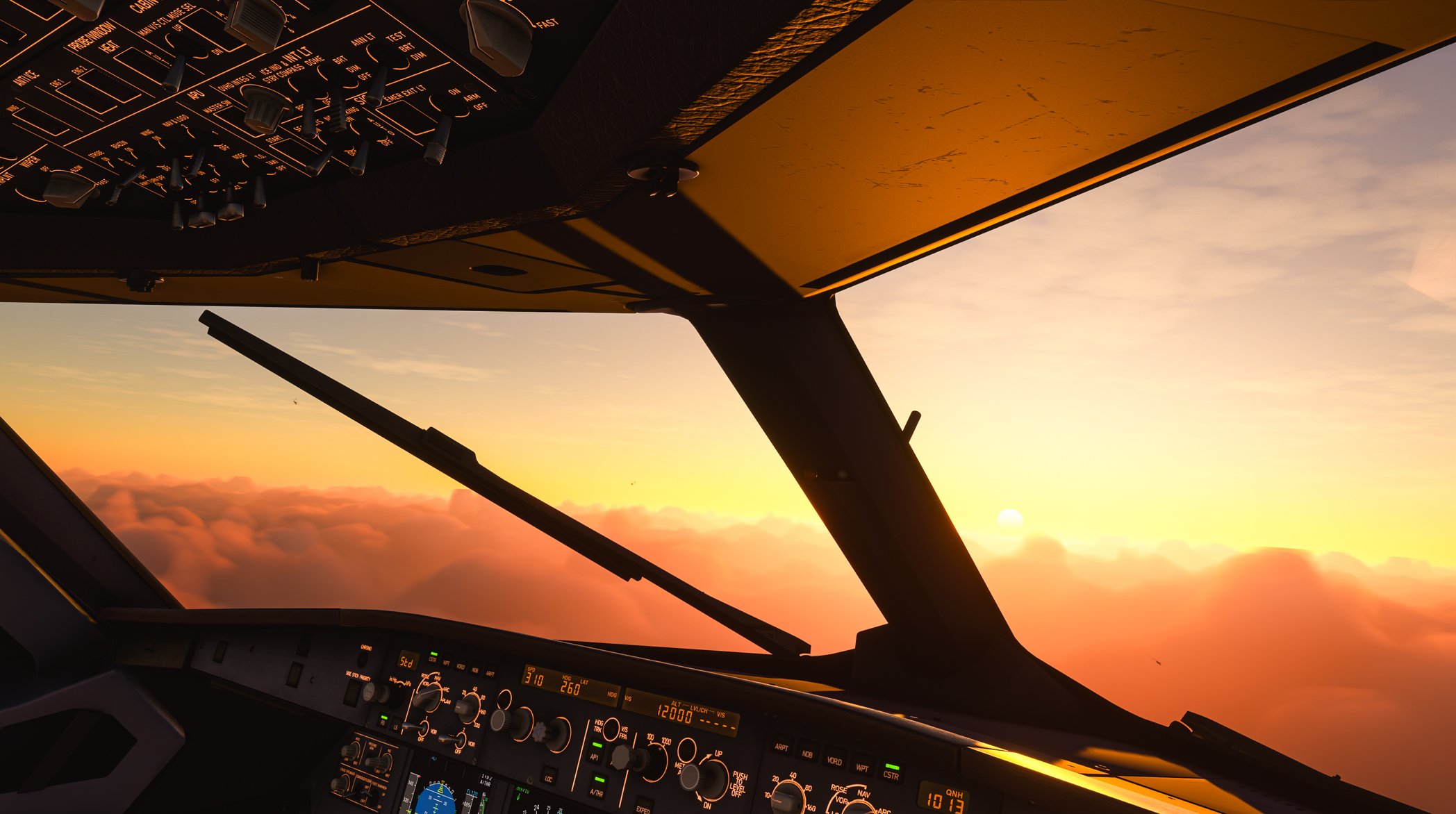
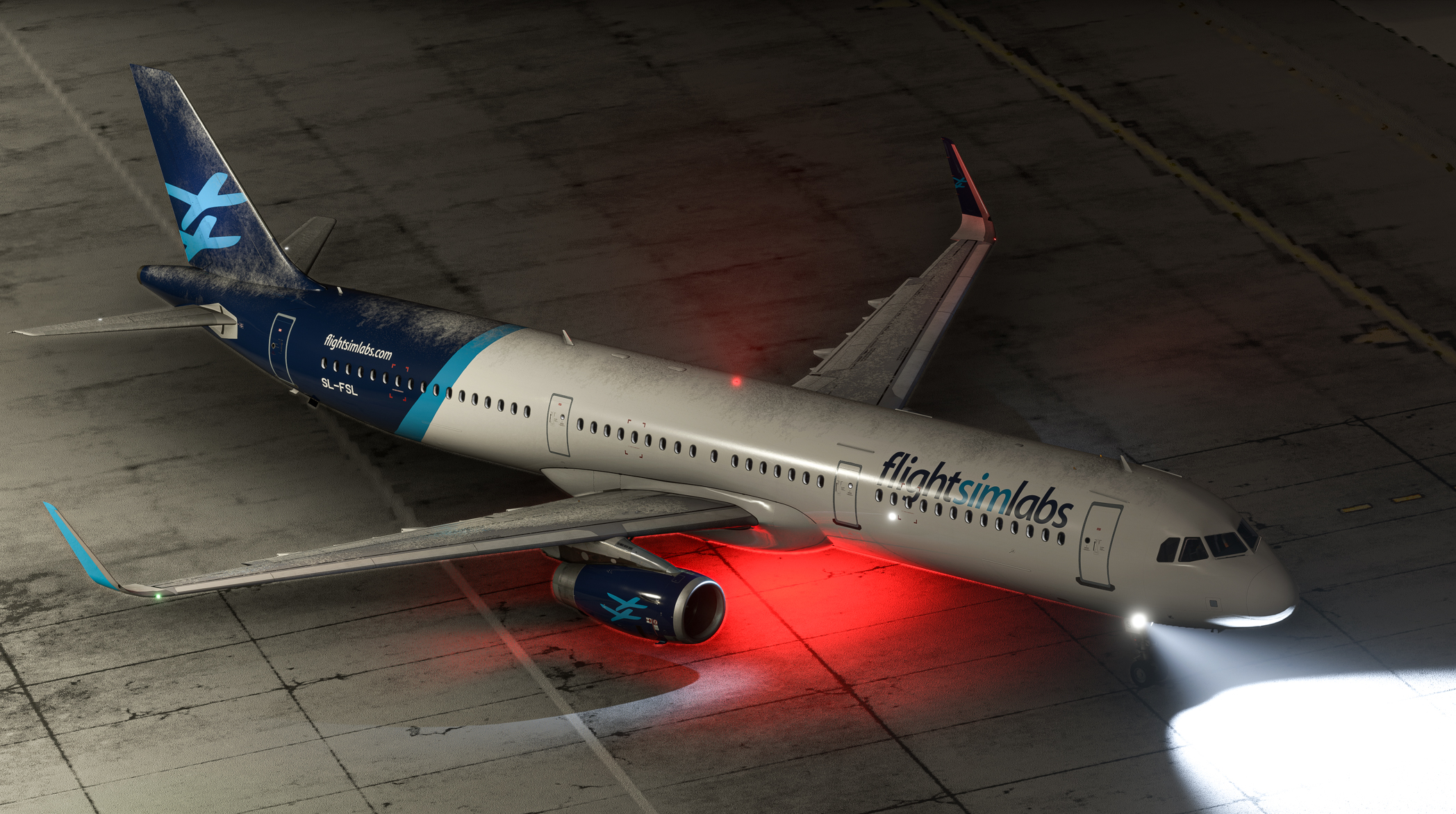
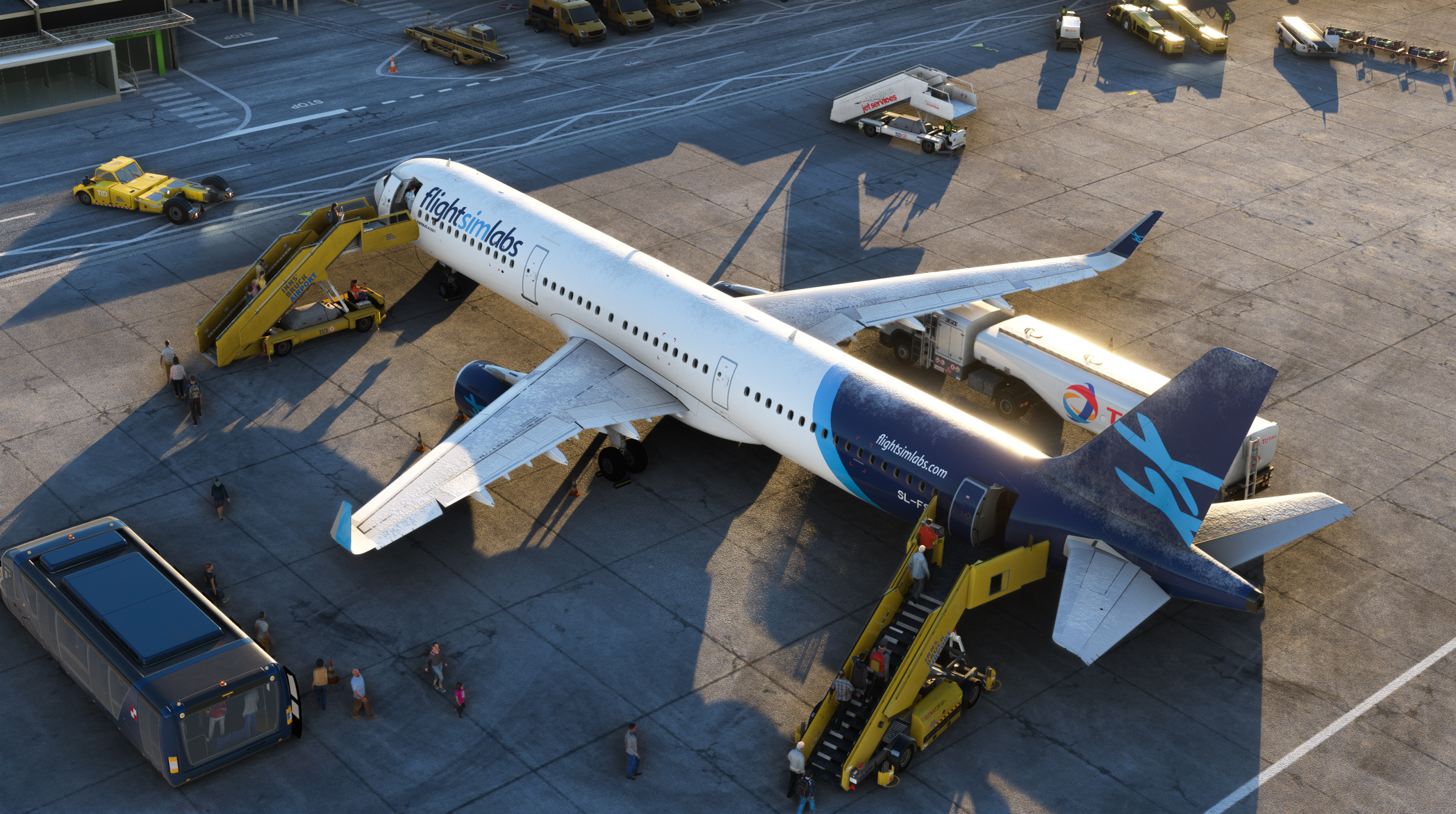
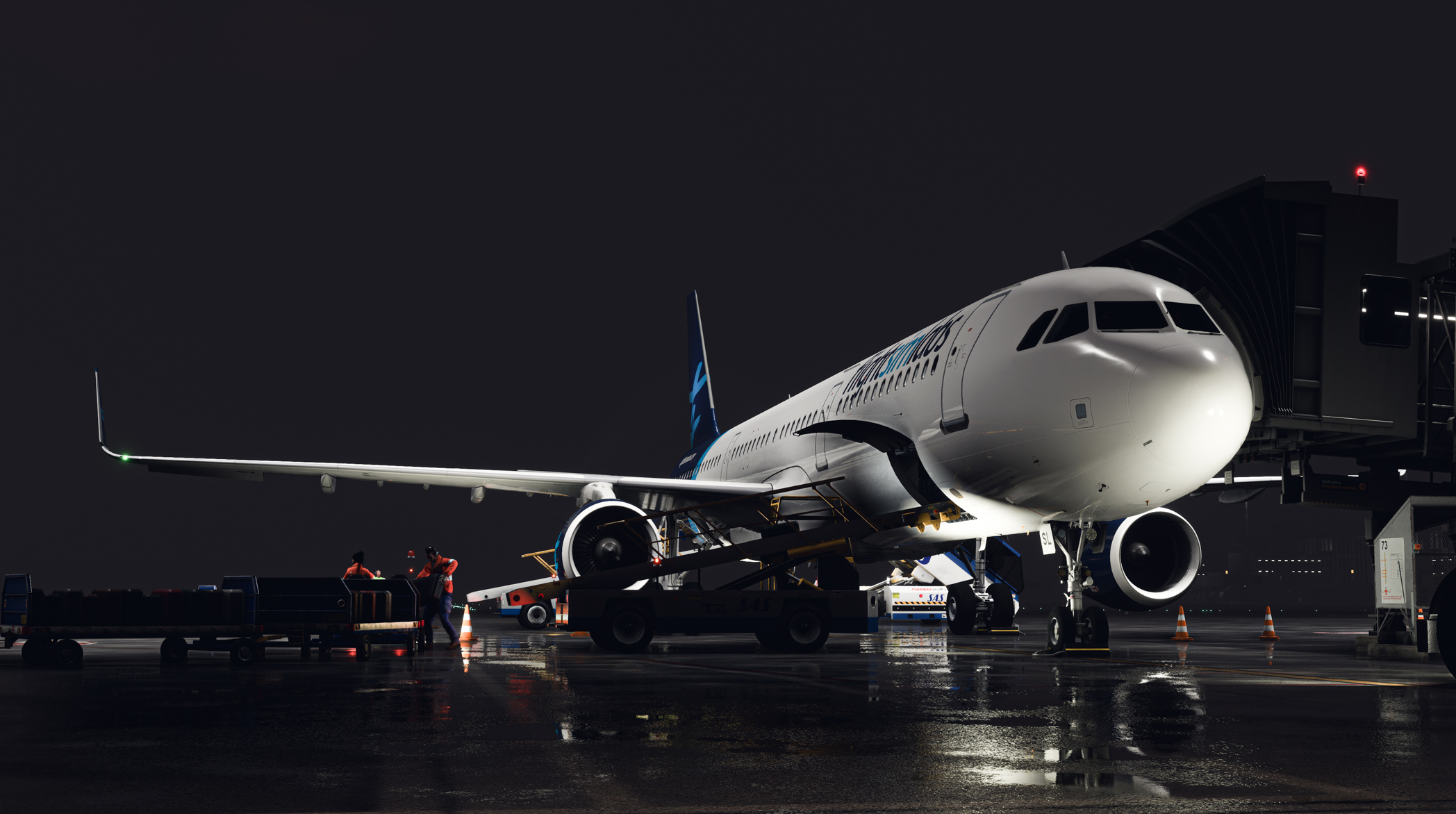
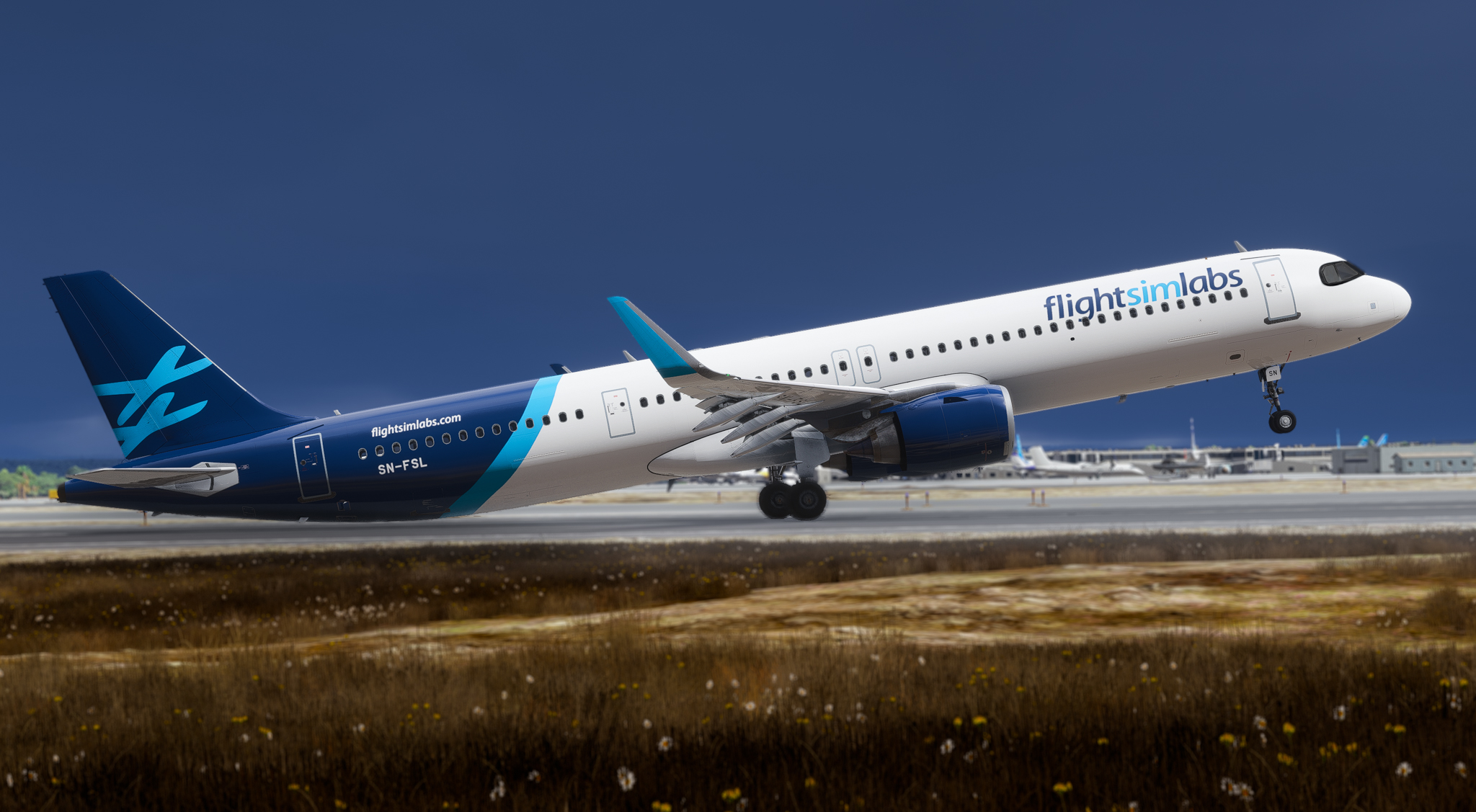
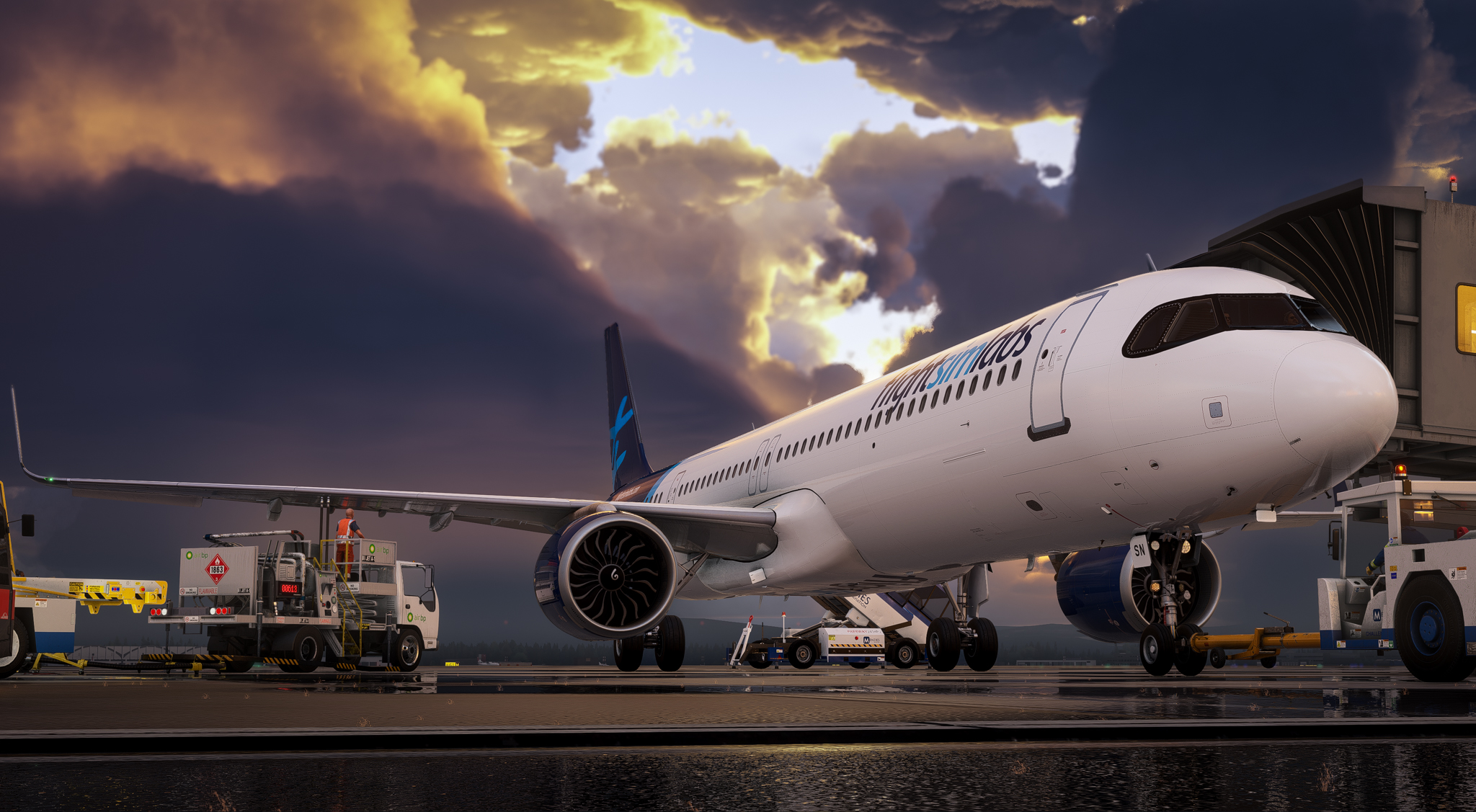
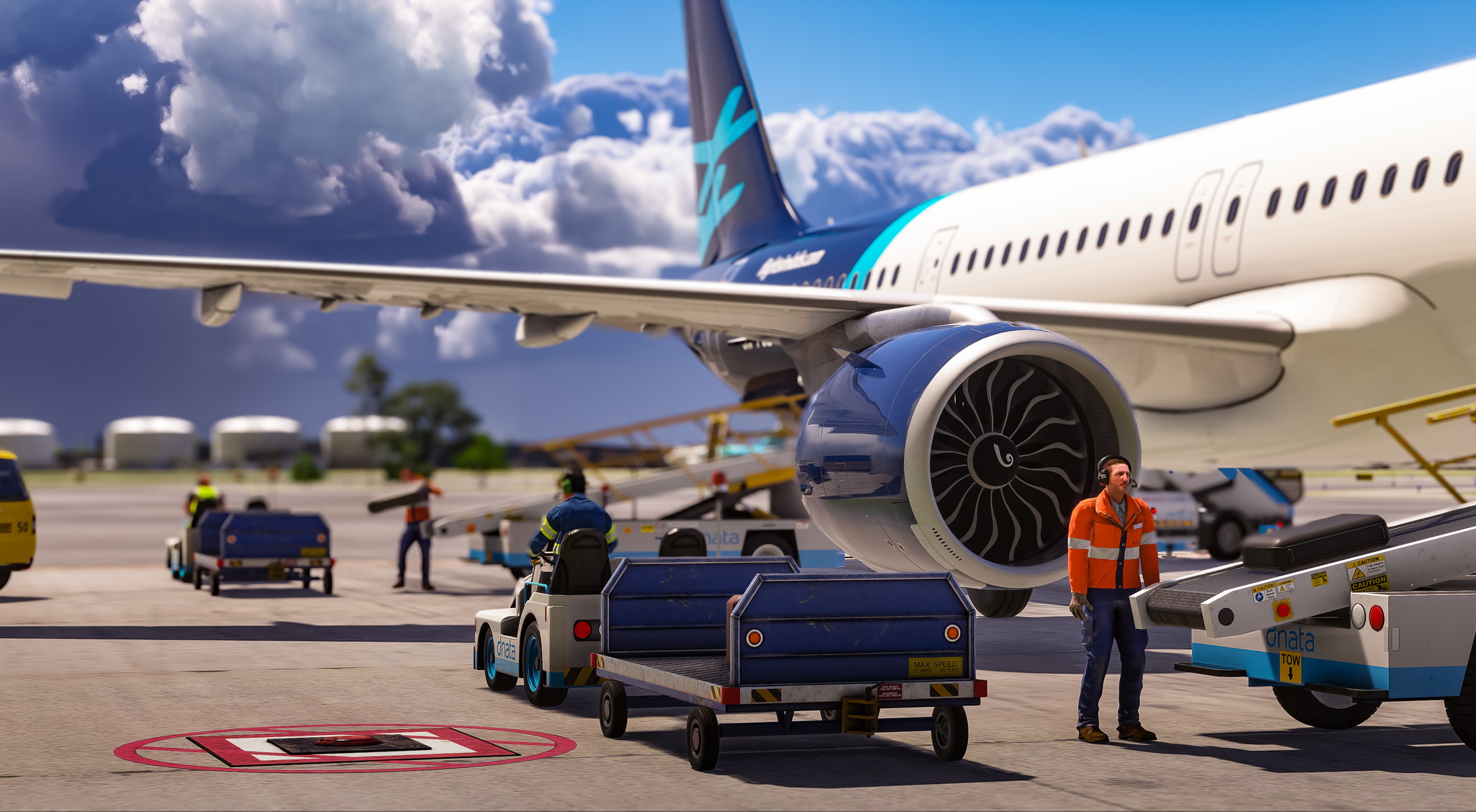
In the meantime, we’ll leave you with a few of our favourite community screenshots from this week – captured by you, our talented and passionate pilots.